Google and Apple have developed support for “Matter Intermittently Connected Devices,” a key feature for power efficiency in edge devices like sensors.
Matter has been optimizing the performance of such “sleepy” devices through various specification updates. Until the latest Matter 1.5 specification, these are formally categorized as Intermittently Connected Devices (ICD). But we still see countless complaints about battery and unresponsiveness issues. Here is the state of ICD and what’s changing next.
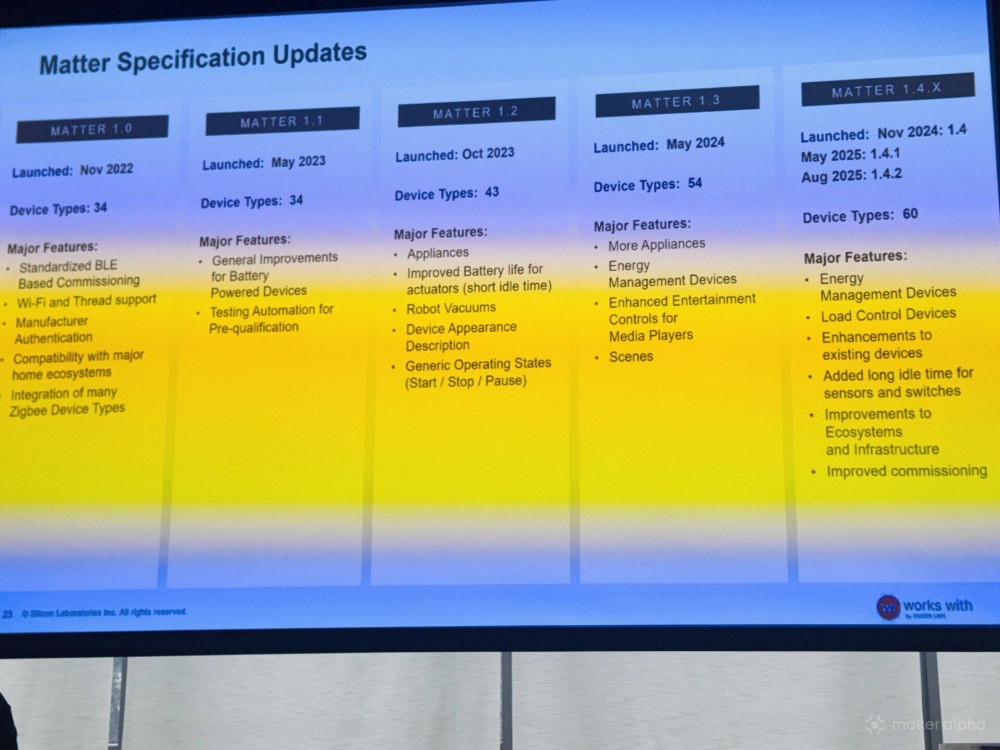
(A slide from Silicon Labs shows continuous efforts in Matter specs.)
A defined but still unsupported feature
Battery-powered devices have always faced a difficult trade-off: they must choose between staying connected to respond instantly or sleeping deeply to save power. To solve this, the Matter standard defines specific behaviors for what it calls Intermittently Connected Devices (ICDs). These protocols standardize how devices sleep, check in with hubs, and handle active maintenance windows, ensuring that sensors and locks can maximize their battery life without becoming unreachable ghosts in your smart home system.
With the introduction of the “ICD Management Cluster,” Matter controllers can better manage the expectation and behavior of battery-powered devices that use Wi-Fi or Thread for connectivity. Currently, no major ecosystems support this feature, leaving low-consumption Matter devices less maintained and prone to unexpected battery drain. As I previously acknowledged, certain Matter controllers even frequently pull data from devices without distinguishing if they are battery-powered.
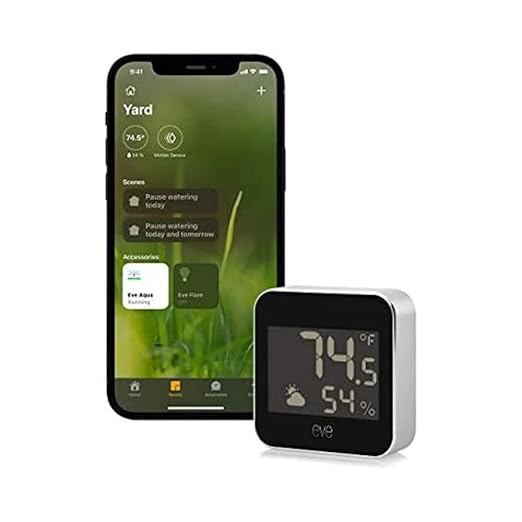
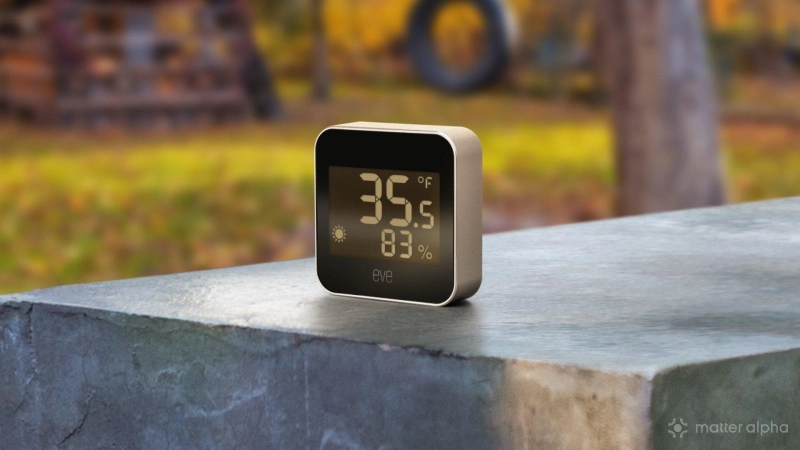
We have seen many devices certified with this cluster in the compliance files (Eve Weather for example), ready to use once the ecosystems add the support.
A source familiar with this matter told Matter Alpha that Apple and Google have wrapped up development of this feature internally, though it has not yet been released. The source suggested the feature is available to partnered developers for testing at the moment.
Core features provided for Matter ICD
Long idle time efficiency
The Matter specification outlines critical distinctions in how battery-powered devices manage their connectivity, specifically through the concepts of “Short Idle Time” and “Long Idle Time” operating modes. A significant improvement comes from distinguishing between devices that need low latency, like door locks, and those that can sleep for extended periods, such as temperature sensors. While the short idle variant remains reachable without special action, the long idle variant offers substantial power savings by requiring clients to register explicitly with the device. This registration ensures that the sensor does not waste energy listening for messages from controllers that are not actively tracking it.
The check-in protocol
To maintain reliability without constant polling, the standard introduces a “Check-In Protocol”. This mechanism acts as a fail-safe for devices operating in the long idle mode. If a sensor loses its active subscription relationships due to a network disruption, it uses this protocol to notify registered controllers that it has woken up and is available for communication. This ensures that even deep-sleeping devices do not become permanently unreachable orphans on the network.
User active mode trigger
One challenge with aggressive power saving is interacting with the device for maintenance, such as updating settings or changing the fabric configuration. To address this, the specification defines a “User Active Mode Trigger”. This feature informs the user how to manually wake the device, whether by pressing a specific button, actuating a sensor, or power cycling the unit. This ensures that an administrator can perform necessary updates without waiting hours for a scheduled check-in.
Keeping devices awake
Once a controller establishes contact with a sleepy device, it may need more time to complete complex operations than the device’s default active window allows. The “Stay Active Request” command solves this by allowing a client to request a specific duration for the device to remain responsive. The device then confirms how long it can honor that request, ensuring that data transfers or firmware updates are not interrupted by the device returning to sleep prematurely.
Impact on the Matter experience
These features, codified in the “ICD Management Cluster,” provide the standardized framework necessary for ecosystems like Google Home and Apple Home to support enhanced battery life for smart home sensors. The implementation of these protocols will create a better user experience in Matter by reducing maintenance and connection failures for battery-operated hardware.
With major ecosystems expected to add support in the future, vendors can more confidently create battery-powered devices, especially sensors, relieved from previous concerns about power optimization. It might be a good turning point when more Matter sensors become available, as current options on the market are quite limited.
(Source: Matter Alpha, CSA; Image Source: Eve, Matter Alpha, Silicon Labs)