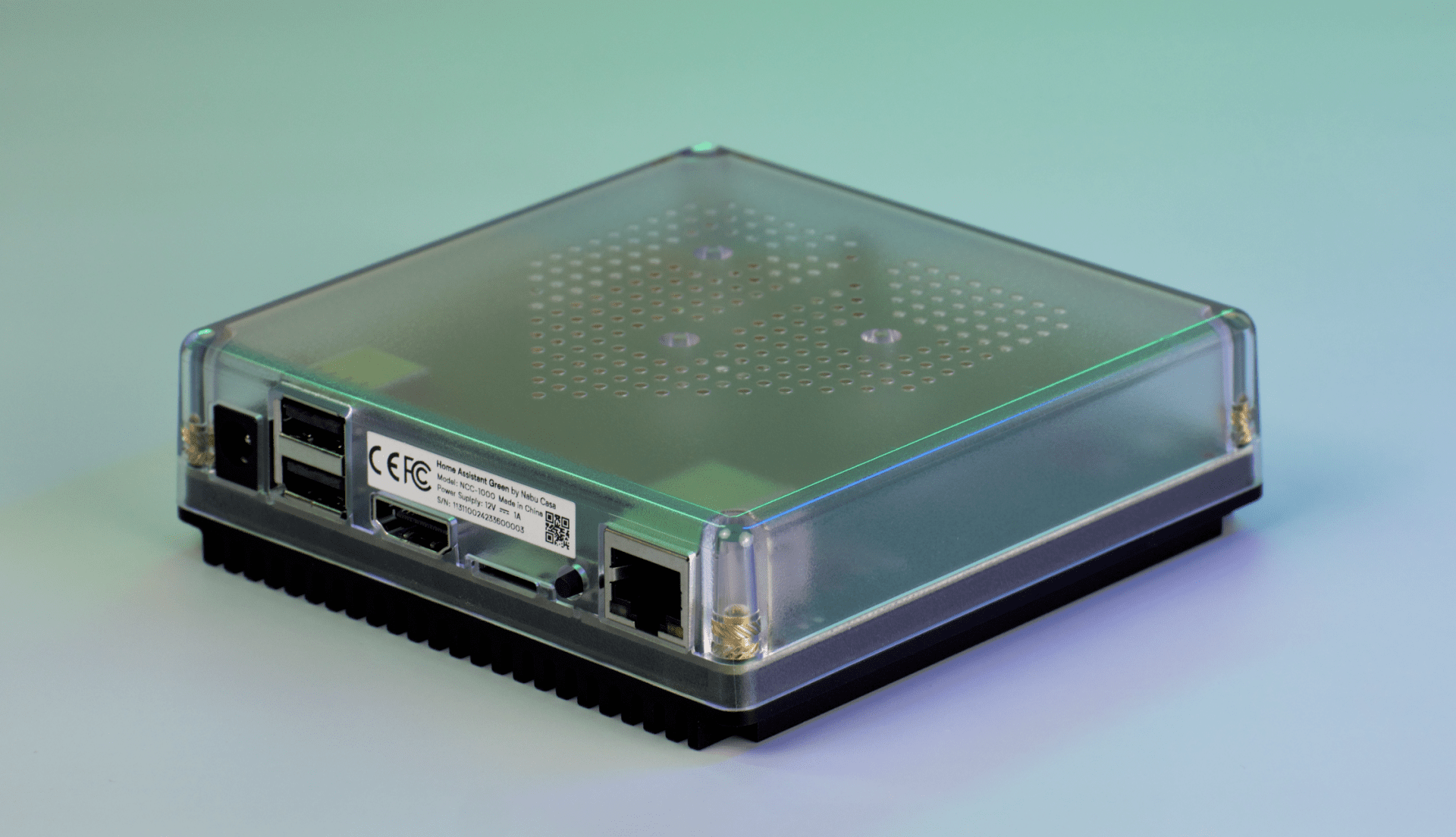
Nabu Casa has announced a significant price rise for Home Assistant Green, the plug-and-play entry point to Home Assistant, with the device increasing to $199 / €179.
Intended for smart home users who want to avoid a complex time sink of manual installation, but desire the offline, cloud-free, functionality of Home Assistant, the Home Assistant Green is set to increase in price over the next few days.
The price rise can be attributed to changes in component costs, and Nabu Casa will continue to fund the Open Home Foundation via Home Assistant Green proceeds.
Why is the Home Assistant Green price increasing?
Home Assistant Green
If you’re following smart home trends, general home computing and gaming trends, or even the world of retro gaming replica consoles, you probably know that prices are rising across the board. This has impacted various brands in all types of computing-based markets, and Nabu Casa’s Home Assistant Green smart home controller is no exception.
Nabu Casa has stated that “component price of building a Home Assistant Green has nearly doubled since” they started producing the device in 2023. That’s a significant increase, with smart home users paying the price for the increased global demand in AI. Smaller hardware manufacturers are being squeezed by component cost increases, and in a competitive marketplace, companies that produce premium hardware and servers have the edge.
Any price rise is disappointing, but Nabu Casa has held on for quite a while. Although components costs have almost doubled, it has managed to keep the retail price as affordable as possible, increasing by only 23%.
Your smart home is getting more expensive
You will not be surprised to learn that, Nabu Casa is not the only smart home manufacturer facing inflationary pressures.
The Aqara Hub M3 has increased in price in several locations, while the S1 Panel Hub is now more expensive than an iPad and Apple TV combined. We also have the infamous example of the Raspberry Pi 5 hitting as high as $350 at some retailers (for the top-specced version).
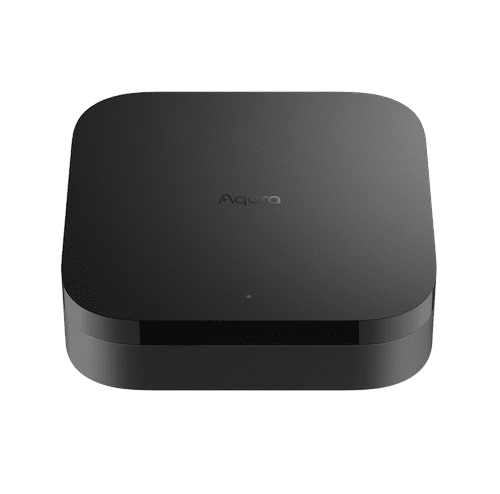
Aqara Hub M3
The Aqara Hub M3 is a Matter-compatible gateway that connects and manages up to 128 smart devices, facilitating local device automation without relying on Wi-Fi.
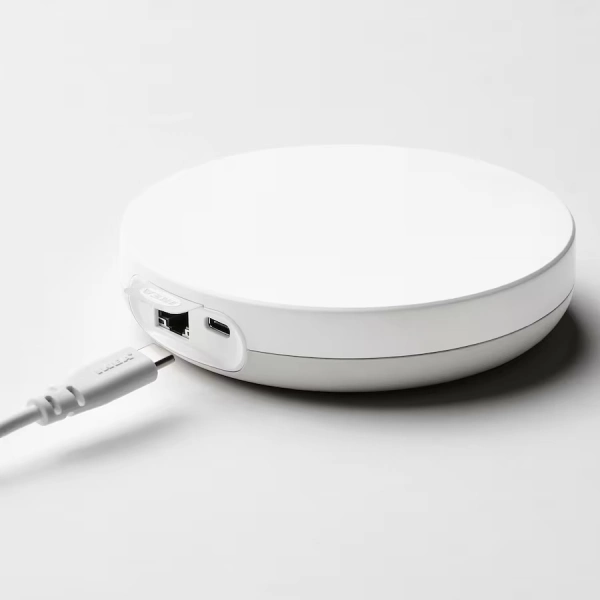
DIRIGERA
A Matter-compatible smart hub that connects and automates IKEA smart devices, enabling flexible control through the IKEA Home smart app, voice assistants, and remote triggers.
The consequences of these price rises – whether impacted by AI, increased international shipping costs, or tariffs and taxes – are multiple. When it comes to Matter, it might well be that the “buy now” sentiment is something that consumers will put on hold, preferring to make do with existing tech, or hardware that is simply more affordable. For example, the IKEA Dirigera already looks more attractive from a pricing view. That it doesn’t offer the same level of control as the Home Assistant Green may not matter if your initial aim is to simply bring your home online into a Matter-based ecosystem as soon as possible.
Want to use Home Assistant? Here are your alternatives
Several alternatives to the Home Assistant Green exist, reliant on tech and devices you may already have at your disposal.
The Raspberry Pi 4 or 5: this is a classic choice for Home Assistant, and while a Pi 4 or 5 with 4GB or 8GB will cost as much as or more than the Home Assistant Green (when you factor in the case, PSU, and SD card or NVMe), if you already own one of these SBCs, you can essentially assemble your own Home Assistant Green.
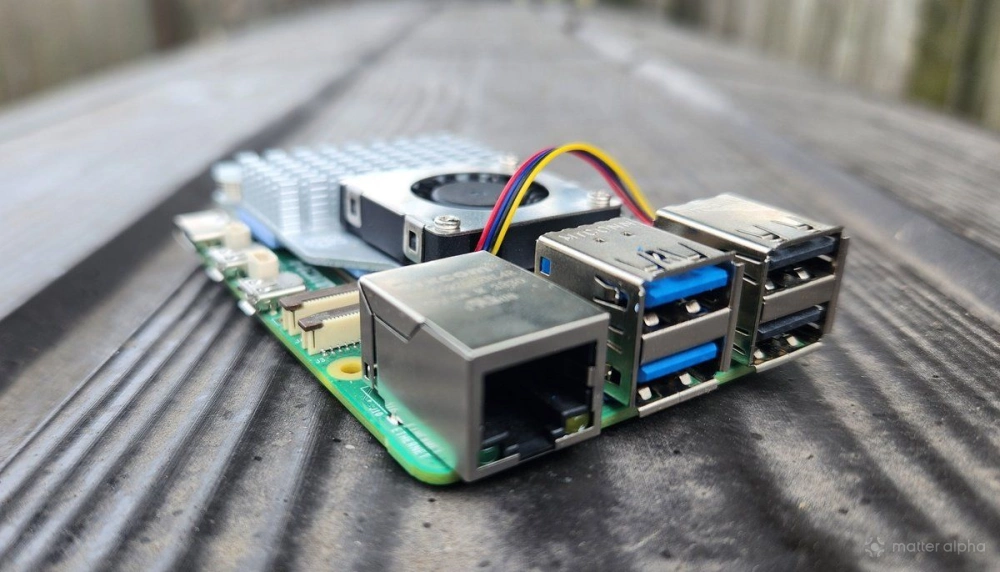
Other SBCs are suited to running Home Assistant, as are mini PCs, such as Intel N100-based devices.
Thin client computers – systems used for accessing a remotely hosted virtual environment – can also run Home Assistant. Affordable Dell Wyse and HP thin client alternatives make strong alternatives.
Ultimately, you’re looking at weighing up the pros and cons of the Home Assistant Green as a time saver, versus one of the alternatives as a cost-saver. You’ll spend more time installing and configuring your own smart home controller, but you’ll also learn more.
Do you need Home Assistant Green today?
If you want a local-only smart home that you are in complete control of, and don’t want to spend installing your own system, then yes, you do need Home Assistant Green.
The $30 price rise is frustrating, it might impact your budget more significantly than you would hope (perhaps causing you to drop a couple of sensors or an outdoors smart plug) but if you want the local-only smart home, free from Apple, Google, Samsung, IKEA, Amazon, or whichever, then it’s a price rise you might just have to take on the chin.
But we wouldn’t advise you to spend beyond your means or buy hardware you may not yet need. Evaluate what you already have; you might just have something suitable for running Home Assistant. If you don’t, take the time to evaluate what you want from your Matter smart home. If it isn’t granular control or local-only, then you may find an alternative, more affordable controller is more suited to your current requirements.