I’ve been a fan of Matter’s smart home tech for a while. Aside from the world of Wi-Fi light bulbs, smart plugs, and Z-Wave security systems, Matter’s Zigbee bridge DIRIGERA hub was the first exposure I had to the possibilities of the smart home. It also showed me that Matter didn’t have to be locked to Google Home, Apple Home, or (in my case) Samsung SmartThings – there were bridges, and the possibilities were suddenly intriguing.
In recent weeks, I’ve become aware of a serious issue in my home, one that needed a specific device (or in our case, a pair of devices). So, a trip to IKEA was the result, with one word on my lips: "KLIPPBOK."
What I picked up at IKEA
When you first discover IKEA, it’s difficult to get around the store in an hour. This is something we’ve practiced over the years, and which is where the all important shortcuts come in useful. They don’t make visits instantaneous, but they certainly help.
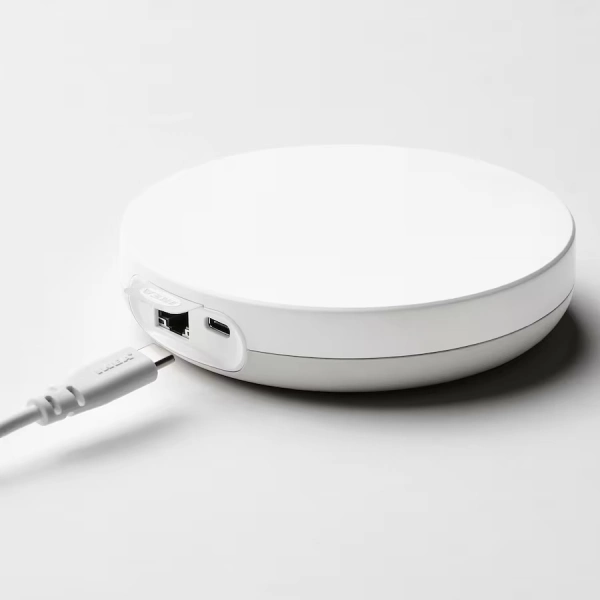
DIRIGERA
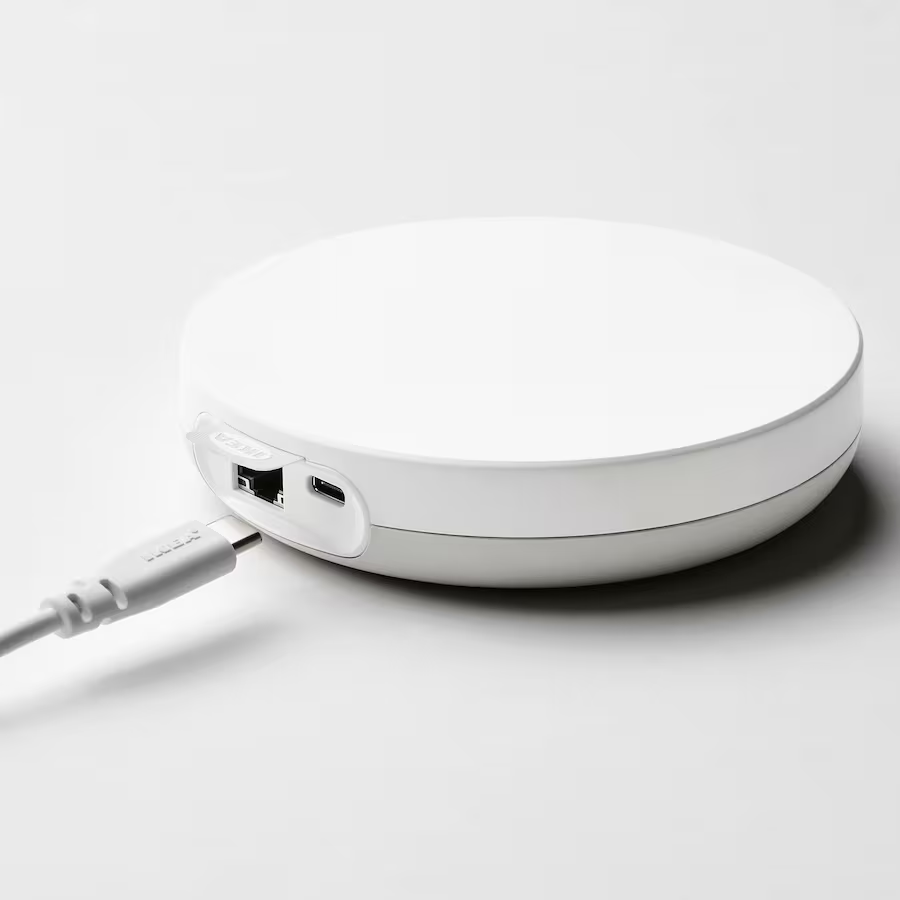
A Matter-compatible smart hub that connects and automates IKEA smart devices, enabling flexible control through the IKEA Home smart app, voice assistants, and remote triggers.
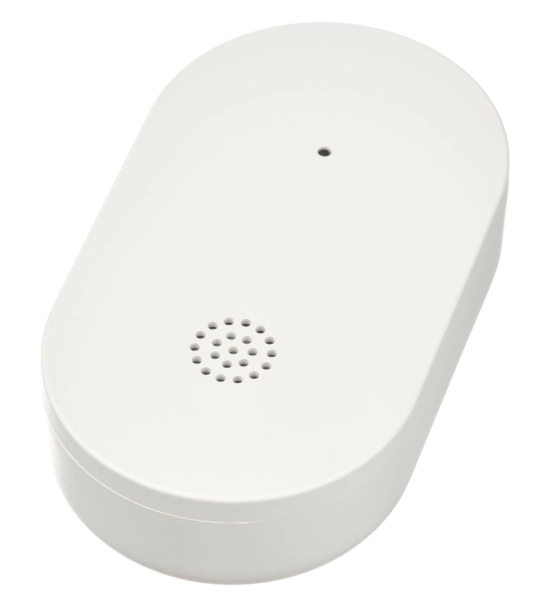
KLIPPBOK Water Leakage Sensor
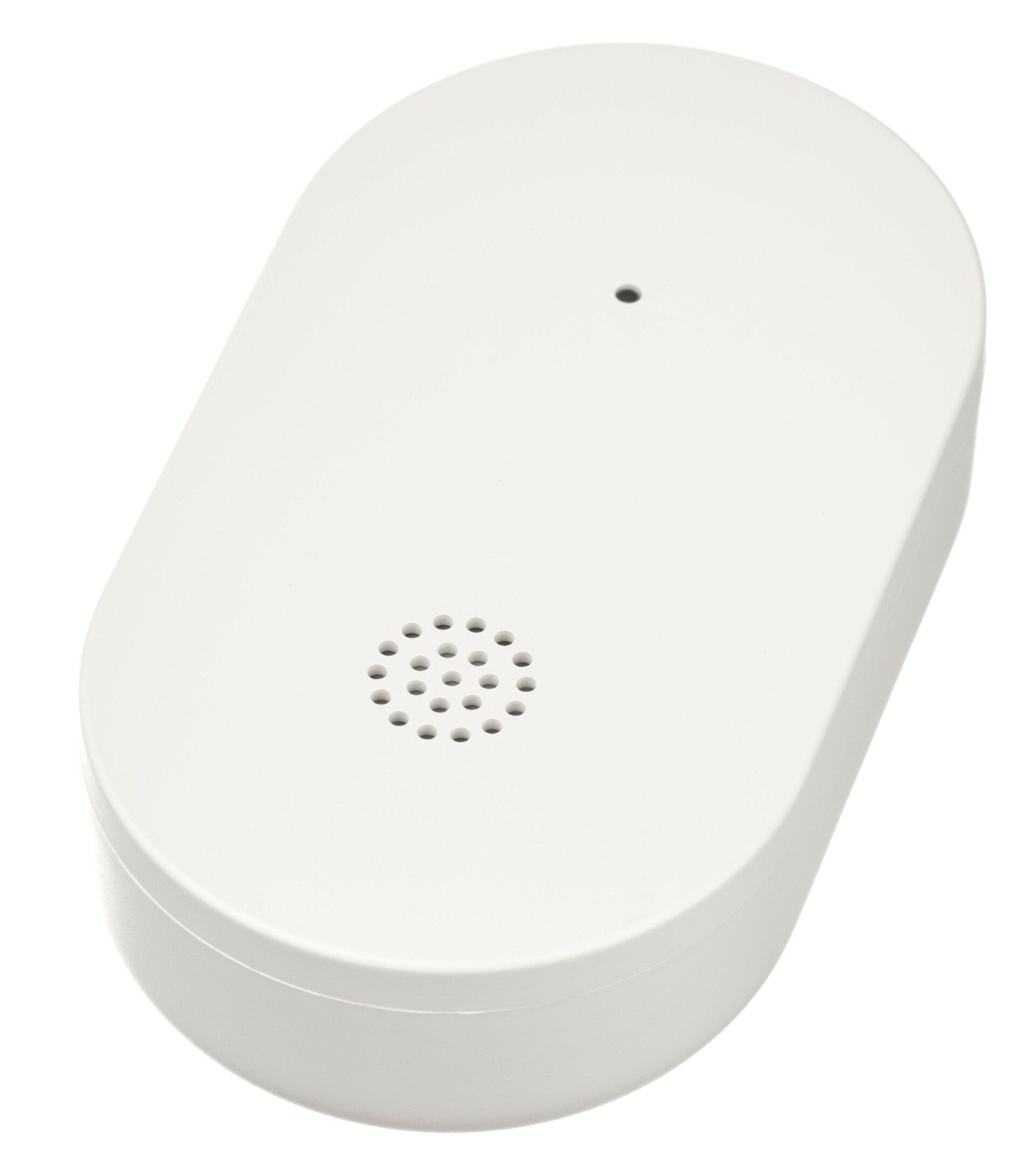
A small, smart water leakage sensor that detects leaks, sounds an alert, and can notify your phone when connected to a hub.
On this trip, collecting the smart home gear meant heading to the lighting section. In my local IKEA, this means taking the shortcuts to the cafeteria, then to head upstairs to lighting. It’s not swift, but it’s reachable within 5 minutes with a brisk walk.
(I should add, there was also time for food, but on this occasion I did not opt for the famous, often inevitable, meatballs. Instead, I had fish and chips, while the rest of the family had the meatballs.)
For under £20 (which is around $25, but as I understand things, it might actually be less than that) I bought a battery charger and two Matter-compatible KLIPPBOK water leakage sensors. The sensors themselves were just £7 each!

It’s raining, it’s pouring
Here’s the thing: my house is touch rickety in places; leaks happen.
For the first 60 years of its existence, it was public housing (we call them council houses in the UK), originally constructed to house the employees of the nearby steelworks. In 1980, the British Prime Minister Margaret Thatcher oversaw the Right to Buy scheme, part of the Housing Act 1980, which meant that people could buy their homes from the local council. This had various advantages for the aspirational classes, many of whom were able to buy the properties for under £10,000 and sell them for 10x that amount 20 years later.
But the downside of this is that the houses were sold on with minor improvements, and people like me snapped them up because the alternative was to pay an extra £50,000 on a house with better electrics, straighter walls… and working pipes.
Since buying the house, we’ve found a number of issues that have caused leaks. These include a persistently useless stop tap, an actually leaking toilet waste pipe, a hole under the bath, and an under sink network of pipes that has been swapped out twice by different people… but still leaks.
Some houses just need a helping hand… which is where the KLIPPBOK sensors come in.
New bathroom, new kitchen
The consequence of these leaks – which were silent, and unnoticed for some time – has been the installation of not just a new kitchen, but a new bathroom, too.
I think it’s importance to underline here just what damage slow leaks can do to a property. If it’s unseen and unnoticed, you’re getting structural damage to both walls and floor (or floor/ceiling). Any furniture or fittings around the leak are also likely to be affected.
Worse still, insurance claims can take a while to clear, and insurance claim experts advise against using the phrase “slow leak.” Getting the wording wrong can lead to claims being rejected, which will result in some no inconsiderable personal expense to you for repairs and potentially refitting.

In my case, the new bathroom had to come out of our own savings. So, we’re not taking any chances and a reliable water sensor is a key element of that (along with increased vigilance for leaking pipes, drains, waste, and faucets).
Compact enough to fit almost anywhere
It’s possible these devices could be even smaller, as they seem to own their current dimensions purely down to the requirement for AAA batteries.
(This is why I opted for the battery charger, along with some LADDA rechargeable batteries. My colleague Bertel wrote about using rechargeables for compact smart sensors like the KLIPPBOK devices, and I agree with him. The LADDA cells also come pre-charged, which means you can enjoy a quick start without waiting for them to be charged up.)

So, I have added both KLIPPBOK sensors to my network via the DIRIGERA’s new Thread Border Router feature. One is positioned under the kitchen sink, the other in a recess under the bath. Both have been tested with a small amount of water to gauge how sensitive they are, and I'm pleased with the results at this stage.
Over the next few weeks I will be monitoring their progress, and hopefully there will be no leaks. But just in case there is, I’ll be reporting back.