Matter is developing with each iteration since its initial release in 2022, and every new feature prompts more manufacturers to commit to the smart home standard. But incredibly, some pretty notable names remain “Matter-free” – that is, they don’t offer Matter support for their otherwise connected hardware.
We’re talking standard smart home gear here, too. So, which companies have so far resisted adopting Matter, and why aren’t they onboard?
The initial buzz of Matter
When Matter materialized onto the smart home scene, it seemed that the collaboration behind the erstwhile Project: CHIP (Connected Home over IP) would herald a rush towards a smart home standard that everyone could use.
Of course, it didn’t happen quite as expected.
While the oversight of the Connectivity Standards Alliance has been key in developing the Matter standard further, it is fair to say that things didn’t move quite as quickly as hoped. The CSA experienced some resistance to the standard – quite understandable, given that individual electronics companies were already developing their own, based on Z-Wave and Zigbee.
So, that initial excitement subsided, something that no doubt had an impact on some decision-making. The “careful” pace of Matter development seems to have resulted in some organizations keeping their distance for the time being.
The big names that have adopted Matter
You almost certainly know the big name supporters of Matter. Apple, Google, Amazon, Samsung – they’ve all been involved with the specification’s development from the early days. Then you’ve got IKEA, Siemens, and many others. Our look at the people behind Matter goes into this in more depth.
In reality, the list of members is immense, with over 700 organizations now involved with Matter, with various membership types offering specific levels of input.
To learn more, you can visit the Connectivity Standards Alliance website to browse the member index.
It’s a massive list, but if you spend a bit of time browsing through it, you’ll soon notice a few surprising absences.
Slow Matter adopters
A few well-known companies have come to Matter relatively late. While this won’t seem to be late in the grand scheme of smart home development, for those of us who are relatively early adopters of Matter will notice which big names were there at the beginning and which ones jumped aboard late.
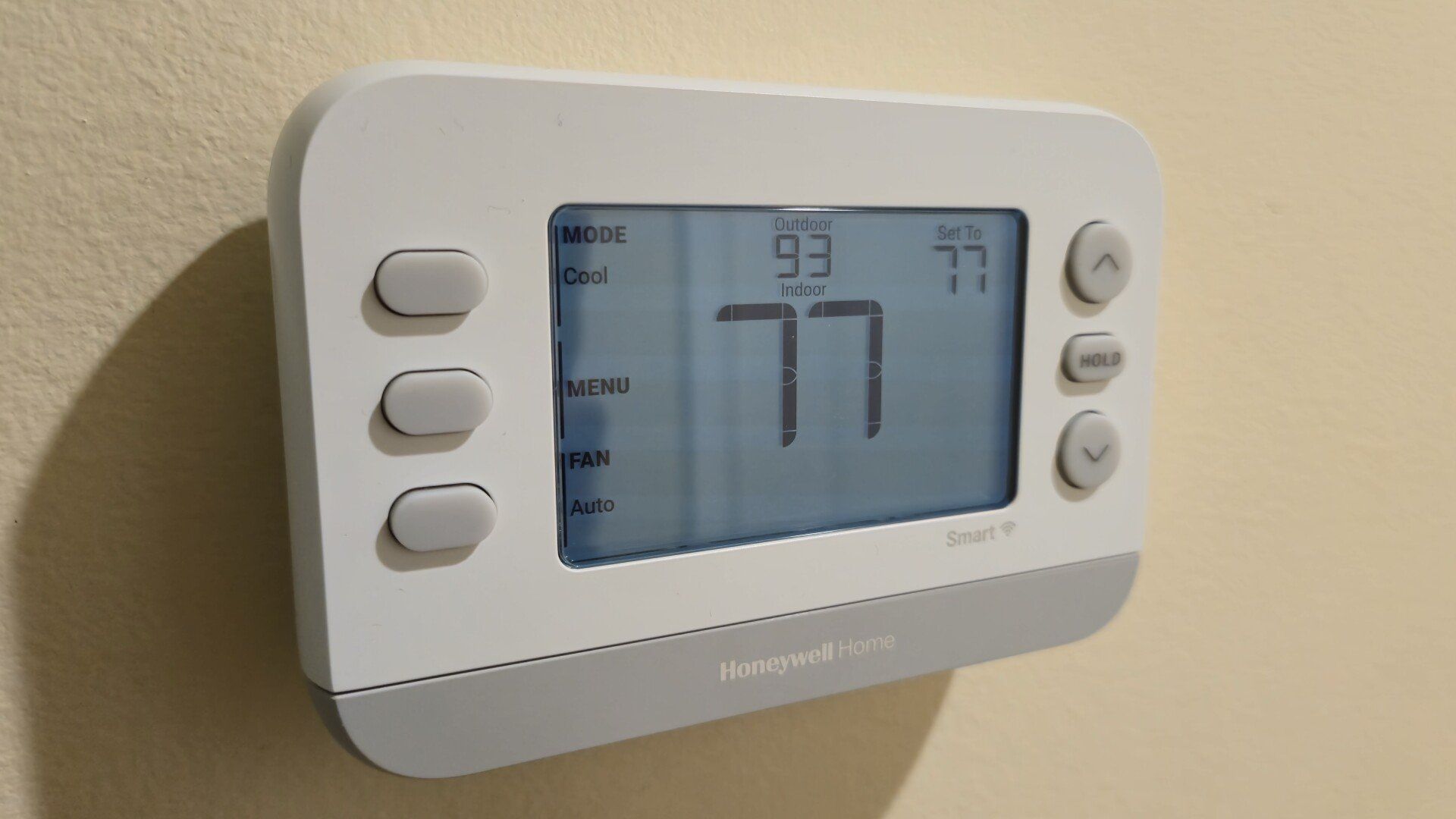
One key example here is Honeywell Home, which is the branding for Resideo Technologies, Inc. Resideo was formed in 2018 by Honeywell International, Inc., and spun-off into a separate company to focus on consumer electronics and smart home markets. The interesting thing about Honeywell Home is that the original company was a pioneer in the thermostat industry, which made its comparatively late adoption of Matter somewhat surprising.
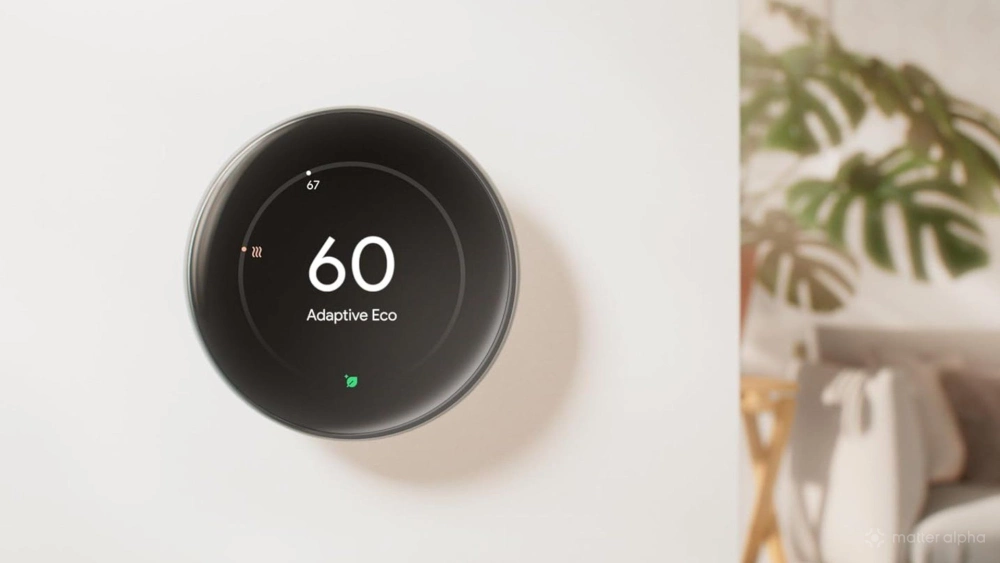
However, there may be an explanation for this. In 2016, a settlement was made between Honeywell and Google over a patent dispute concerning Google’s Nest thermostats. Resideo’s late entry with its Honeywell Home brand into the Matter world may have its roots in this dispute.
While its initial “Matter-compatible” thermostat, the XS2 (which required models with a specific firmware for Matter support), was relatively limited, the Honeywell Home X8S Smart Thermostat appears to be a far superior product.
Meanwhile, Bosch was also slower out of the gates, but has moved into Matter with a modest collection of a radiator thermostat, a door/window sensor, and a smart plug. These can be used with a Matter controller, or with a Bosch Matter bridge.
LG, too, took a while to expand into Matter, although it has since caught up with a handful of smart switches, motion sensors, and an air quality sensor, along with Matter support on its ThinQ platform.
Big hardware brands not onboard with Matter
Just as the list of adopted is pretty long, so is the collection of brands that have not adopted Matter. Of course, some would be nowhere near the smart home market. but there are plenty who have long experience producing goods for the home. More recently, they’ve experimented with Bluetooth and Wi-Fi, perhaps Zigbee... but not Matter.
Lutron
A leading name in lighting control, Lutron has its own established ecosystem. Yet despite being a CSA member (in the same tier as Samsung, Apple, et al) Lutron has yet to issue any Matter lighting.
Wemo (from Belkin)
After initially committing to Matter, Belkin’s involvement was scaled back considerably, alongside its Wemo smart home brand. Wemo was retired in January 2026, with its devices left unsupported and essentially heading for landfill – one of the things that Matter was conceived to avoid.
Ring and Wyze
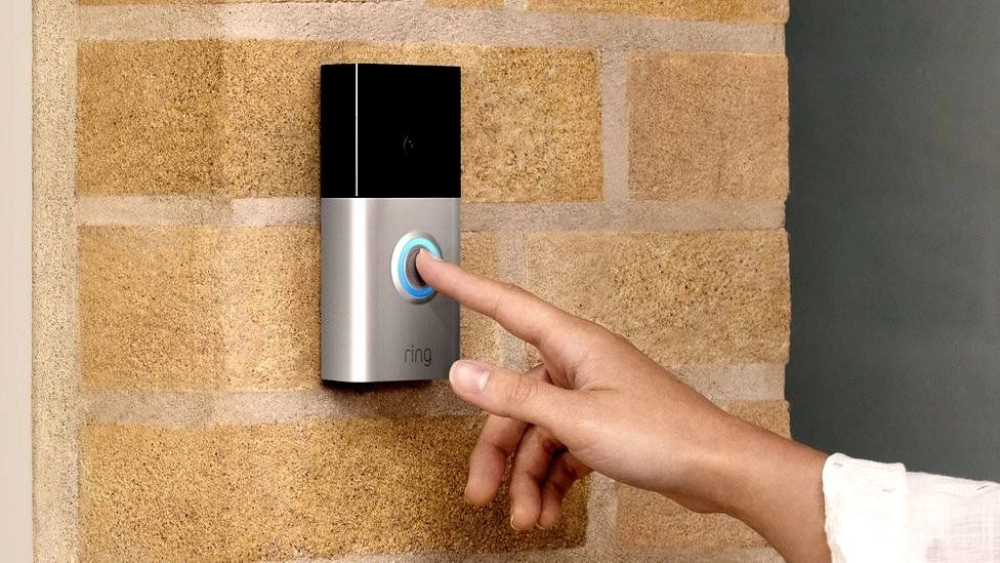
Matter’s early revisions were focused on establishing basic functionality across most smart home device types. This resulted in some expected support to be held back, not least in the world of home security cameras. Both Ring (despite being owned by Amazon) and Wyze have resisted Matter support so far.
However, with the Matter 1.5 standard including camera support, as this rolls out so it seems likely that at least one of these organizations will release a compatible smart home camera.
Other big names
These companies aren’t alone; many other big names have avoided Matter so far. However, a curious omission is Sonos, which partnered with IKEA for a handful of integrated speakers that could be controlled over the DIRIGERA hub.
This collaboration suggested there might be closer integrations with Matter from Sonos in the future, but until the standard is seen to handle media streaming, it would seem that Sonos (and, for that matter, Bose) is happy with AirPlay 2, Chromecast, and Spotify Connect.
What is causing big brand hesitancy over Matter?
The “wait and see” stance that some of the resistant brands have adopted could be down to some (or all) of the following:
-
Investment in proprietary platforms: If budgets were already allocated, a company might be reluctant to throw that away for a third party standard.
-
Redirecting R&D costs: A pivot in research and development might not be affordable for a company committed to its own platform.
-
Security concerns: New standards can introduce vulnerabilities. While Matter is a secure smart home standard, implementation on devices not designed to support it could result in issues.
-
Competition and differentiation: Matter may be seen by some brands as a challenge to its own unique selling points.
As Matter develops, and introduces new features and support for more diverse devices, it seems likely that more brands will get on board.
Will the hesitant companies embrace Matter?
While it is difficult to look into the future, we can be pretty certain that the standards being developed by the CSA are aimed at bring an increasing level of support to as many smart home devices as possible.
It seems likely that all major brands will eventually adopt Matter, while maintaining their own unique platforms (such as Lutron).
The Connectivity Standards Alliance is clearly keen to ensure that as many companies as possible are able to support Matter. To this end, it has introduced membership tiers for smaller companies more interested in adopting Matter than influencing its development.