Google Home and Sonos have both opened their platforms to AI through Model Context Protocol (MCP), giving authorized AI agents a standardized way to discover and use smart home data and controls.
It is another form of openness for the smart home as AI agents take on more tasks. Matter focuses on making devices work across ecosystems. MCP operates higher up, exposing the capabilities of those ecosystems to AI clients that can interpret natural-language requests, gather context and decide which available tools to use.
Google Home exposes devices, history and controls to agents
Google Home MCP is now available in Early Access. Its server exposes tools for discovering homes and devices, checking current device states, issuing commands and querying historical events.
Google currently provides setup instructions for Google Antigravity, Claude Cowork and OpenClaw. Connecting Home MCP requires an active Google Home setup, a Google Home Premium Advanced subscription and access to a Google Cloud project, along with OAuth credentials and Home API access.
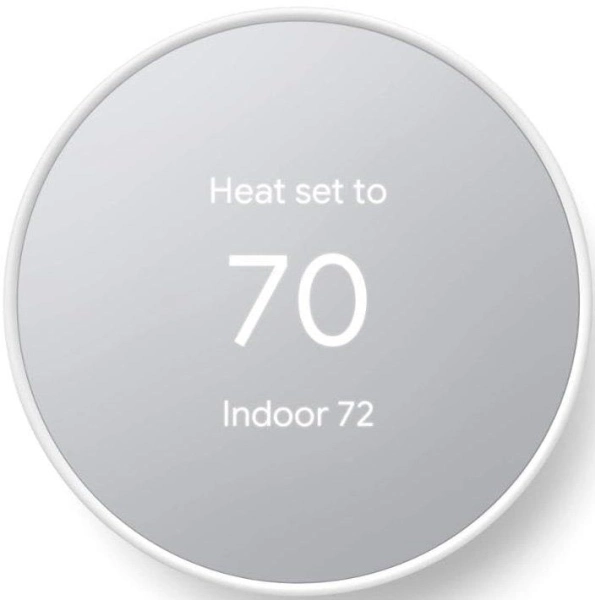
Google Nest Thermostat
The Google Nest Thermostat, compatible with Matter, offers energy-saving temperature control and can be adjusted remotely via the Google Home app.
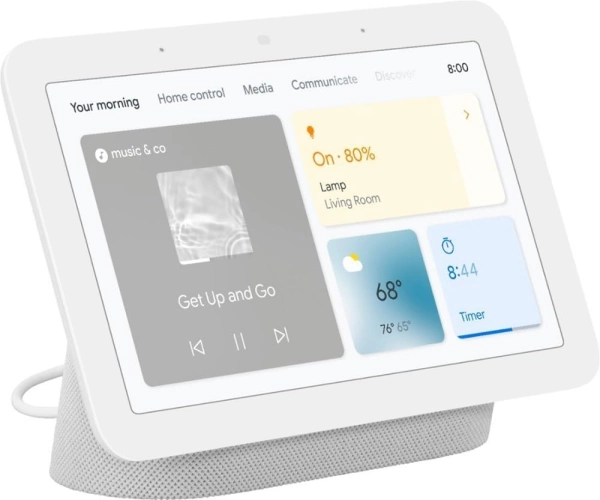
Nest Hub (2nd Gen)
A smart display with a 7-inch touchscreen, enhanced audio, and Google Assistant, designed for hands-free help, smart home management, and multimedia experiences.
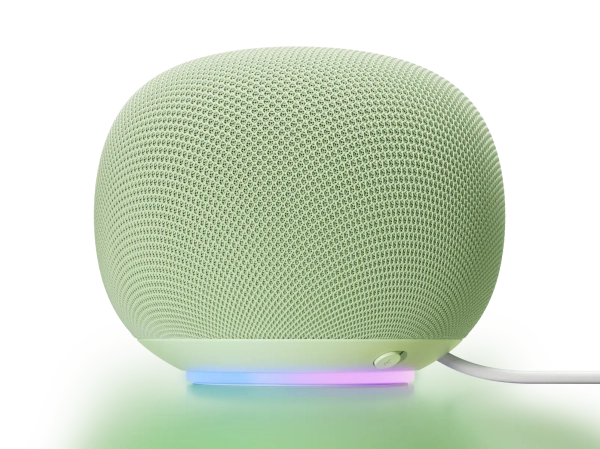
Google Smart Speaker
A compact, AI-optimized smart speaker with 360° audio, Gemini-powered interactions, and the option to pair for cinematic surround sound with Google TV.
The more interesting part is what an agent can do once those different sources of home context are available together.
In its Home MCP announcement, Google says early testers used cross-camera analysis to ask what their children did after arriving home from school, with the agent summarizing activity across cameras and surfacing the relevant clips.
The same access to home history can be used for questions that would otherwise require manually checking multiple devices or logs. Google gives examples including determining how many loads of laundry were completed during a week or how long lights were left on.
Google also shows MCP extending beyond analysis. An agent completing a longer or proactive task can send an audio message through a Google Home speaker when it finishes, while another example has an agent build a personalized dashboard around the user’s smart home.
The underlying developer tools are relatively simple. Home MCP exposes separate functions for finding devices, reading their states, looking through historical events and issuing supported commands. The AI client is responsible for deciding which of those tools are needed for a request.
While there are clear limits.
Google blocks sensitive actions such as unlocking doors and warns that giving an AI agent control of a real home can still produce unexpected behavior. The service also applies rate limits.
Creating or managing Google Home automations is not supported yet. Google lists automation support as a feature it plans to add later, so MCP cannot currently turn a natural-language request directly into a Google Home automation through this server at the moment.
Sonos makes its speaker system available as MCP tools
Sonos just released new products, Beam Ultra and Sonos Ace Ultra earlier this month. And it is taking the same idea into home audio with Sonos 27mcp, which launched in Early Access.
The company hosts the MCP server itself and allows compatible AI clients to connect after the Sonos user authorizes access. Sonos specifically lists AI assistants including ChatGPT, Claude and Gemini, while its support documentation says ChatGPT and Claude can offer Sonos 27mcp as a built-in connector or plugin.
Sonos 27mcp currently exposes 34 tools covering common system controls. They include playing music, changing volume and mute states, playing and pausing tracks, grouping speakers, moving audio between rooms, accessing Sonos Favorites and playlists, changing shuffle and repeat settings, using line-in and controlling supported home theater functions such as Night Sound and Speech Enhancement.
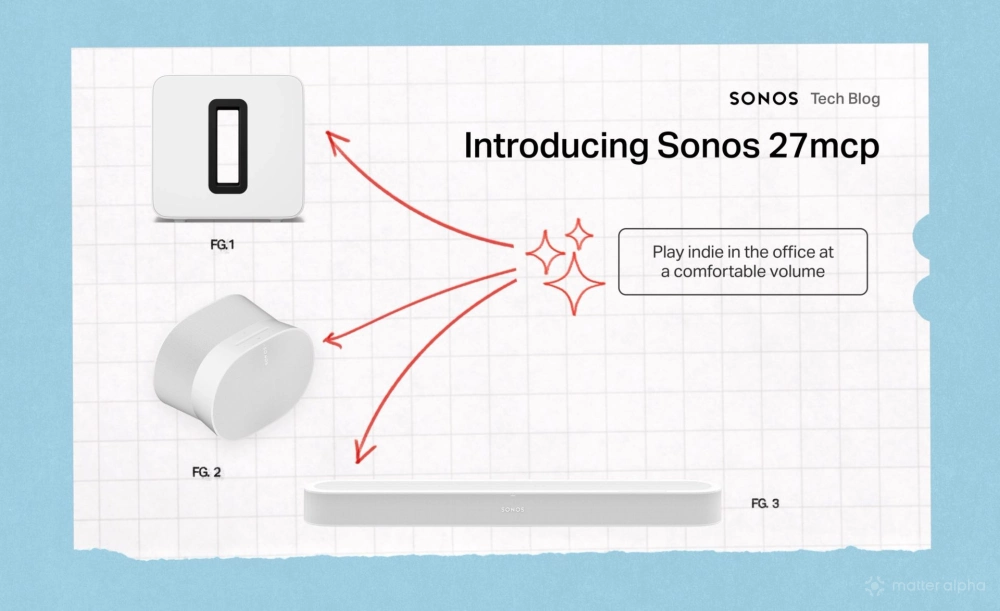
That gives the AI client room to interpret a request before deciding which Sonos controls it needs.
Sonos gives examples such as asking an assistant to play music in every room except the patio, ungroup all speakers and lower their volume, or put music on in the kitchen and dining room while increasing the volume. The user describes the result rather than issuing each individual Sonos command.
Sonos says the tool inventory will continue to evolve. Rather than treating 27mcp as another fixed API that developers hard-code against, the company expects MCP clients to read the available tool descriptions and adapt as capabilities change.
Sonos 27mcp is currently available in US English. The system needs to run Sonos S2 software and remain connected to the internet, reflecting the fact that this is a cloud-hosted interface rather than a new local speaker protocol.
Another layer of openness
MCP and Matter solve different problems.
Matter gives smart home platforms a common model for discovering and controlling supported devices. MCP gives an AI client a structured description of what an outside service can do, along with the tools needed to do it.
MCP also does not make the AI itself more intelligent or context-aware. The server exposes the available data and actions. The agent or AI client still has to understand the request, decide what information it needs and choose the appropriate tools.
Google Home makes the distinction particularly clear. Device states, camera events and historical activity already existed inside the ecosystem. MCP gives an authorized agent another standardized way to reach that information and act on it.
Sonos does the same at a narrower level. The speaker system already had APIs, apps and voice control. MCP packages common controls so an AI assistant can discover and call them without Sonos having to design the conversation around every possible request.
Neither implementation should be confused with the smart home industry’s push toward local control. Google Home MCP is a Google-hosted service, while Sonos 27mcp uses Sonos’ server-side infrastructure. MCP adds openness at the agent interface, not necessarily at the network or device-control layer.
That creates another interoperability question for the AI era.
Matter has focused much of the industry on whether a device can work with more than one smart home ecosystem. MCP extends that question upward: whether the smart home ecosystem itself can expose enough context and control for the AI assistant or agent a user chooses to use.
Google Home and Sonos are now showing two versions of what that can look like. However, the setup experience is still like onboarding through a developer console and needs simplification for average users.
(Source: Google Home Developers, Sonos Tech Blog, Sonos Support; Image: Google, Sonos).