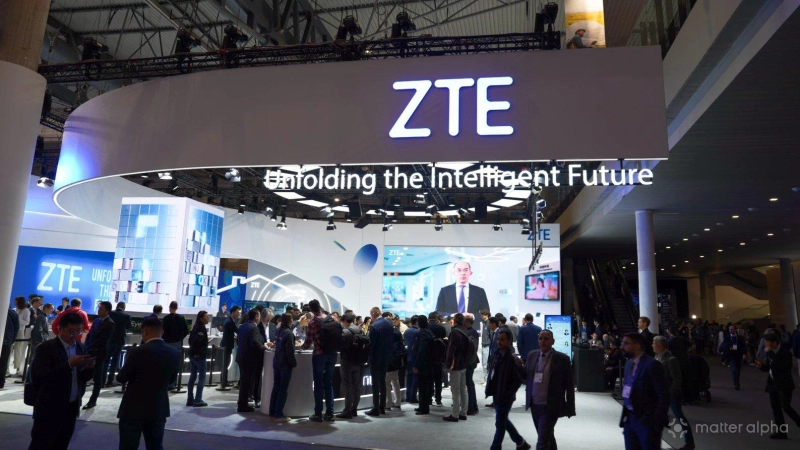
Telecom titan ZTE has officially joined the Connectivity Standards Alliance (CSA), signaling a strategic and official shift to integrate Matter and Aliro standards into its massive portfolio of network infrastructure and consumer devices.
While best known for its smartphones and cellular equipment, the company’s influence extends deep into the backbone of home connectivity as a top-tier supplier of Wi-Fi routers, optical network terminals, and set-top boxes for internet service providers globally. Its entry into the alliance suggests a move to standardize these carrier-grade devices, potentially enabling Matter support for millions of households through ISP-issued hardware rather than retail hubs.
Unlocking the home router potential
The membership comes at a critical time for the Matter standard. The “Home Router and Access Point” device type introduced in Matter 1.4 was designed precisely for the hardware ZTE specializes. By certifying its routers and gateways, the company could provide the essential Thread Border Router and Wi-Fi credentials required for a seamless device setup experience. This deployment model would likely occur alongside standard ISP installations, bypassing the consumer retail market entirely.

This solves one of the biggest hurdles in consumer adoption, which is the lack of a robust and pre-configured home network for Matter.
Unlike consumer brands that must convince users to purchase a new dedicated hub, ZTE has the capability to deploy Matter via its operator partners. A future update to a fiber gateway could technically turn a standard ISP router into a fully functional Matter controller, instantly creating a smart-ready home for the end user without additional hardware investment.
Hardware ready for the transition
Although the smart home department of ZTE has kept a low profile compared to other divisions, the tech stack is well-established. The company has been actively showcasing its “RoomPON” solution, a fiber-to-the-room system that includes wall-mounted access points with built-in smart screens. These endpoints serve as distributed gateways capable of acting as central control panels for home automation.
Evidence of this shift was visible at the Mobile World Congress (MWC) 2025 in Barcelona, where the company demonstrated Android TV set-top boxes and a new 4K AI Soundbar featuring built-in Thread radios. These devices are designed to handle high-bandwidth entertainment and low-latency local device control simultaneously. By integrating these features directly into media devices, the company is bridging the gap between streaming services and smart home management.
The vertical silicon advantage
While holding countless network patents, a key differentiator for the company is its vertical integration through its semiconductor subsidiary, Sanechips. Designing its own specialized chipsets, such as network switch controllers, gives the company a clear edge in terms of both cost-effectiveness and optimization.

As the market for Matter-compliant silicon grows, Sanechips is positioned to develop low-cost, mass-market solutions specifically for operator-grade hardware. This could challenge established players like Broadcom and Qualcomm in the ISP space, potentially lowering the cost of entry for Matter-native networking gear. An in-house solution optimized for its own gateways would be highly attractive to cost-conscious telecom operators looking to offer value-added smart home services.
Matter in ZTE smartphones?
Beyond infrastructure, ZTE maintains a strong presence in the mobile market through its Nubia and RedMagic sub-brands, which are known for innovations like under-screen camera tech and specialized gaming handhelds.

There is a possibility that the company plans to add a native Matter Controller to its smartphones, following the strategy of local rivals like Xiaomi, Vivo, and Oppo. Considering that smartphones remain the primary interface for smart home setup, such an implementation would push Matter adoption further, making Matter the same ubiquity as generic Bluetooth and Wi-Fi connections.
As of the press time, ZTE has yet to make an official comment on the Matter and Aliro roadmap.
(Source: CSA, ZTE; Image: ZTE, @Agam-experience)