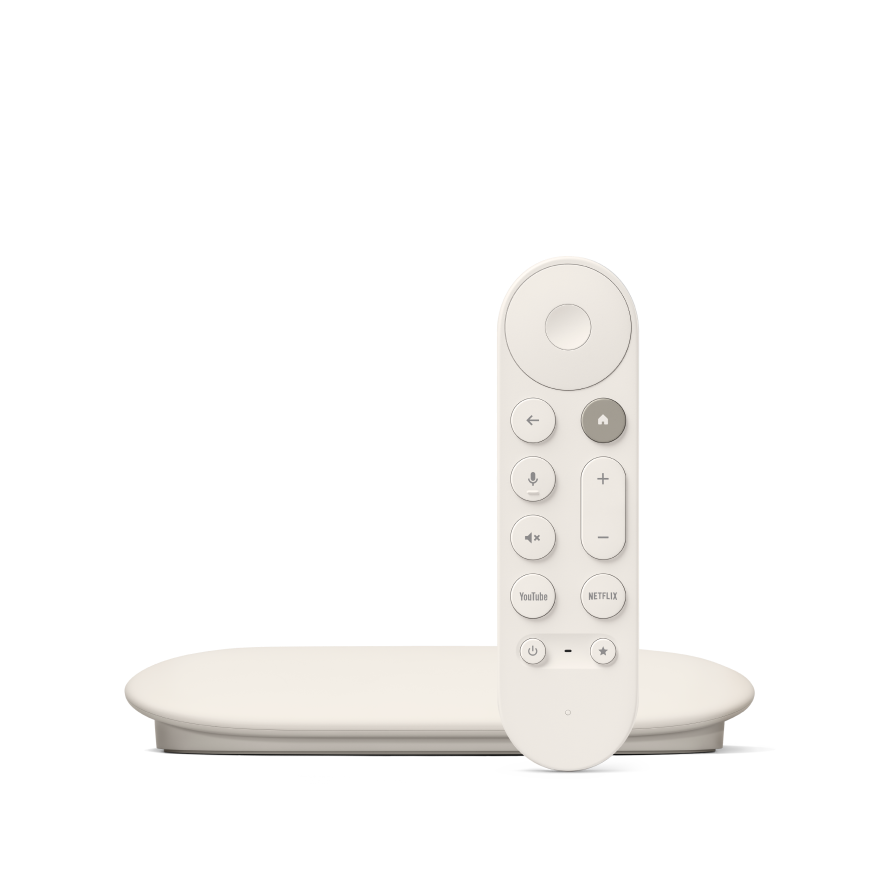
Google has officially released Thread 1.4 support for the Google TV Streamer 4K, following the growing trend established by SmartThings, IKEA, Amazon, and Apple. First spotted by the Reddit community and 9to5Google, this firmware update enables the built-in Thread Border Router with Thread 1.4 and its highly requested credential sharing capabilities. Ultimately, this means it is now easier for other smart home brands to join the Google ecosystem.
A Thread leader being late
I first saw the joint demonstration from Google and the Thread Group back in mid-2025. During that presentation, a developer demonstrated exactly how the Google Home app handles sharing codes generated from the Google TV Streamer 4K when setting up a Nanoleaf Matter over Thread bulb.
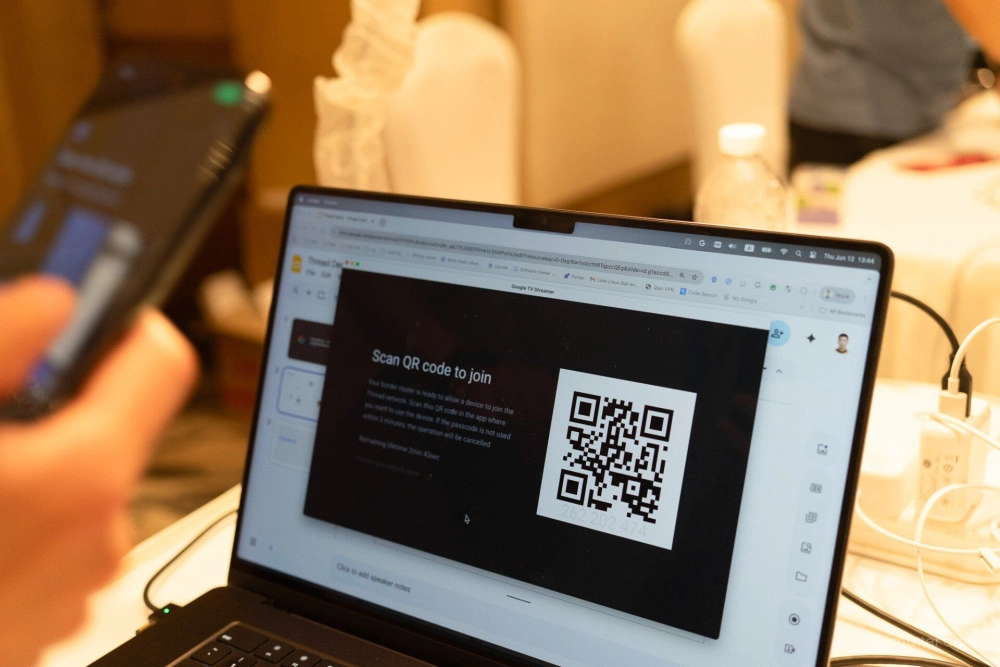
The official public release of this specific capability has been postponed multiple times since that day. This week, we are finally seeing a portion of those promised capabilities added to the active Google ecosystem.
Before diving further, here is a quick overview of the current state:
-
IKEA and SmartThings hubs can join Google’s network, but won’t work the other way.
-
Google Home app lacks support for this feature.
-
Existing Nest Hubs (displays, speakers, Wi-Fi) remain unsupported.
Unlike the “full” Thread 1.4 implementation rolled out by IKEA and Samsung SmartThings, which offers seamless bi-directional sharing and joining, the Google TV Streamer 4K implementation is surprisingly one-sided. It can only allow other devices to join its network via a generated QR code or numeric code. Because the TV box lacks an entry to input codes generated by another Thread border router, the streamer itself cannot join an external network. Furthermore, because the Google Home app lacks mobile support at the moment, you must physically access your TV interface to handle all the credential sharing work.
A key clarification regarding this update is that Thread 1.4’s credential sharing is designed specifically to share the security information of a Thread mesh network. This allows other platforms to access the mesh and utilize it for commissioning Matter devices or configure a new border router. It does not share the actual border router hardware itself.
What has changed for everyday use?
For everyday use, it must be said that things have not changed much in terms of ecosystem unification, despite Thread 1.4 bringing plenty of performance enhancements under the hood. Google and Apple have already offered mature system APIs to access and manage Thread credentials stored silently in iCloud Keychain and Google services. The background work is now seamless enough that you barely notice anything happening before a new Thread border router automatically joins an existing network, like those from IKEA or Nanoleaf. Usually, the only thing you see is a basic system prompt asking for home data permission.
The firmware update would bring substantially more value to consumers if Google hardware could easily accept and join existing Thread networks formed by third-party Thread border routers. Expanding the firmware support to the full Nest hub line is also a necessary step for achieving a truly stable, whole-home Thread network mesh.
How to use this sharing feature
To utilize this feature, you must have a Google TV Streamer 4K running the latest firmware build (260317.003). You can navigate directly to your television settings, select System, About, and choose System update to manually check for and install the latest patch.

Once updated, there would be a new option under Network & Internet tab. It would share the credentials of the Thread network to which it is currently attached with Google authentication.

For instance, if you initially set up the Google device using the iOS version of the Google Home app, and it joined your Apple network, the streamer shares that specific network data. This allows IKEA and SmartThings hardware to join the mesh via the generated ephemeral codes.

What is next for Thread?
The timing of this enrollment is somewhat peculiar. Top smart home brands are only now rolling out support for Thread 1.4, a spec that was originally introduced back in the fall of 2024. Meanwhile, the industry is already looking toward Thread 2.0 right around the corner, which should promise even better stability, more advanced features, and extensive radio frequency like Sub-G.
There have been countless troubles and hassles for users trying to use Matter with Thread in the past, and IKEA’s massive release made those complaints significantly louder. A major upgrade to fix these baseline networking flaws is critical, as current hardware often struggles to meet user expectations in real-life setups. The lingering question is: how long would it take this time?
(Image: Matter Alpha/Ward Zhou)