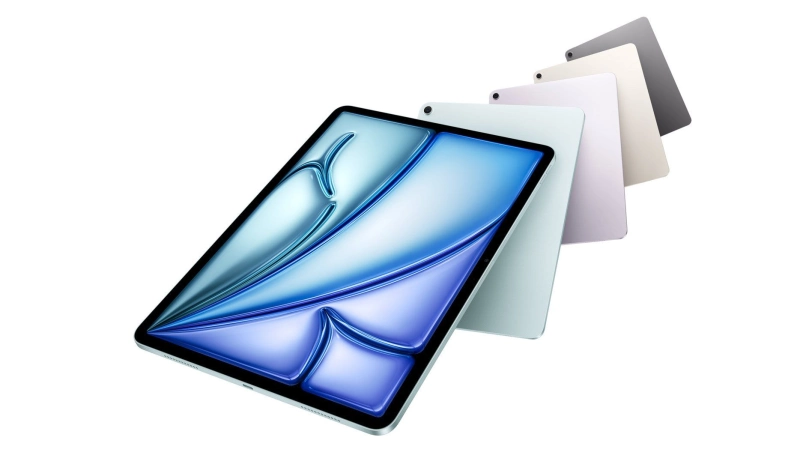
Apple, as one of the tech giants that promotes Matter and Thread, just released more devices with Thread radios for Matter smart home devices this week. The release includes the new MacBook Air, MacBook Pro, MacBook Neo, iPhone Neo, and iPad Air, with selected models supporting Thread powered by the in-house N1 radio chip.
Extensive adoption of N1
Apple is notable for its in-house chipsets, and we now see more custom chips in addition to the main processor, including power management chips, USB controllers, and cellular modems. While N1 is the IoT radio chip that packs advanced connectivity for Wi-Fi 7, Bluetooth 6, and Thread.
The first adoption was in the iPhone 17 lineup released last autumn, including the iPhone Air. It was later integrated into more Mac and iPad models last year. Now this week, we see over half of the models ship with the N1, ready for Matter and Thread setup without a hub. These supported models include:
-
MacBook Pro with M5 Pro and M5 Max
-
MacBook Air with M5
-
iPad Air with M5
However, the entry-level iPhone 17e and MacBook Neo did not come with the N1. Apple also skipped the base MacBook Pro with M5 models last year. It could be possible that Apple is utilizing its remaining stock, or the N1 cost is still relatively high. This would put a burden on entry-level devices, especially in a context where memory and flash storage have a mad price rise.
An efficient radio chipset
The N1 chip represents Apple’s ambitious shift away from third-party networking silicon, bringing its wireless stack entirely in-house. On a technical level, the single-die component integrates Wi-Fi 7, Bluetooth 6, and Thread radios.
While its Wi-Fi 7 implementation utilizes a 160 MHz channel bandwidth rather than the maximum 320 MHz, the hardware is heavily optimized for power efficiency.
Apple typically relies on advanced TSMC manufacturing nodes to achieve high power efficiency, utilizing single-digit nanometer processes for its recent chipsets. This creates a notable efficiency gap between Apple’s in-house silicon and the regular radio chips used by industry rivals.
In its product announcements, Apple noted that pairing the N1 chip with its custom A-series main processor and the C1X cellular modem helps make the iPhone Air the most power-efficient smartphone in its current lineup.
Ongoing effort on Thread
Before the introduction of the N1 chipset, Apple had been adding Thread to Mac, iPad, and iPhone devices since the iPhone 15 generation. From time to time, we would see Thread on new releases from Apple, which are mostly mid-tier to high-end products.
Apple has enabled Thread for hub-free device onboarding and local control with the latest firmware. Apple users can add smart home devices first and decide if they want to buy an Apple Home hub later for remote control and automation. Google has a similar approach with Pixel phones as well.
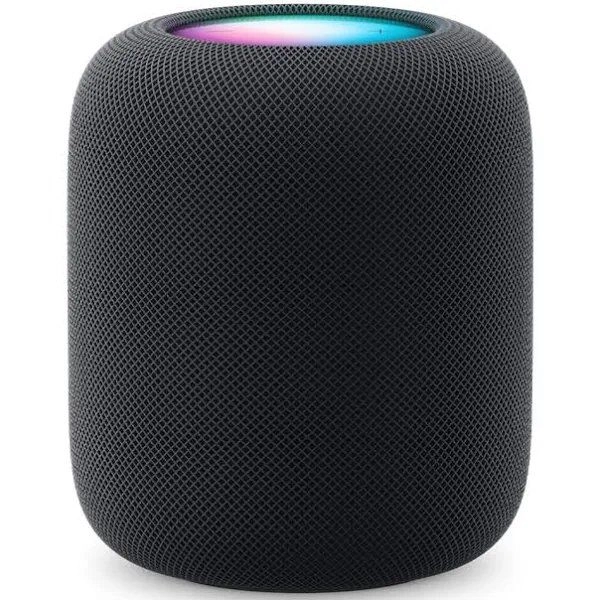
Apple HomePod (2nd Gen)
The HomePod (2nd Gen) is a powerful hub from Apple that delivers immersive, high-fidelity audio and intelligent assistance, while seamlessly integrating with your Apple devices and smart home accessories; it's also a key component for Matter compatibility, ensuring broad connectivity with a range of smart home devices.
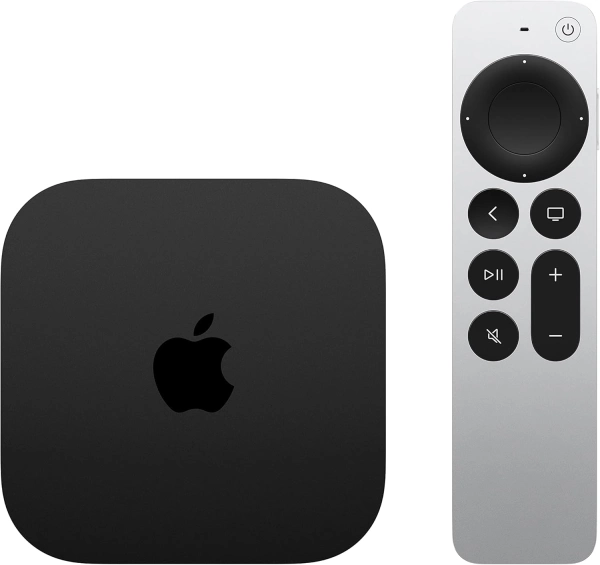
Apple TV 4K (3rd gen, 128 GB)
A powerful 4K media player with expanded storage, advanced video and audio support, and smart home hub functionality.
However, for Mac, especially always-on Mac, it is unsure what Apple’s intention is for the radio. Apple just retired the old HomeKit architecture, meaning an end to using the iPad as a smart home hub. The best hope now is for Apple to bring this back for the new Matter focused architecture.