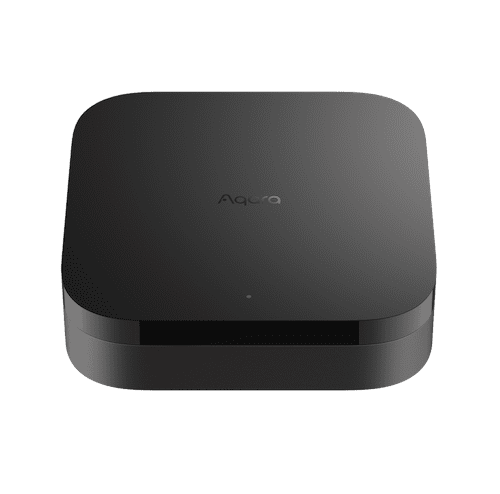
Aqara has been rolling out a software update that enables its high-end Hub M3 to bridge proprietary security cameras directly into the Matter ecosystem.
Bridging cameras to Matter lowers the barrier for users who want unified local video streams without buying entirely new hardware. It also offers a practical lifeline to smaller device makers who cannot afford the steep hardware costs required to run demanding native Matter camera stacks on budget devices.
How the camera bridging works
The setup functions much like other bridged Matter accessories. Cameras operate as standard endpoints under the Aqara Hub M3 Matter bridge. Aqara added a new entry in its device settings, allowing you to select and bind a camera to the hub through a straightforward menu.
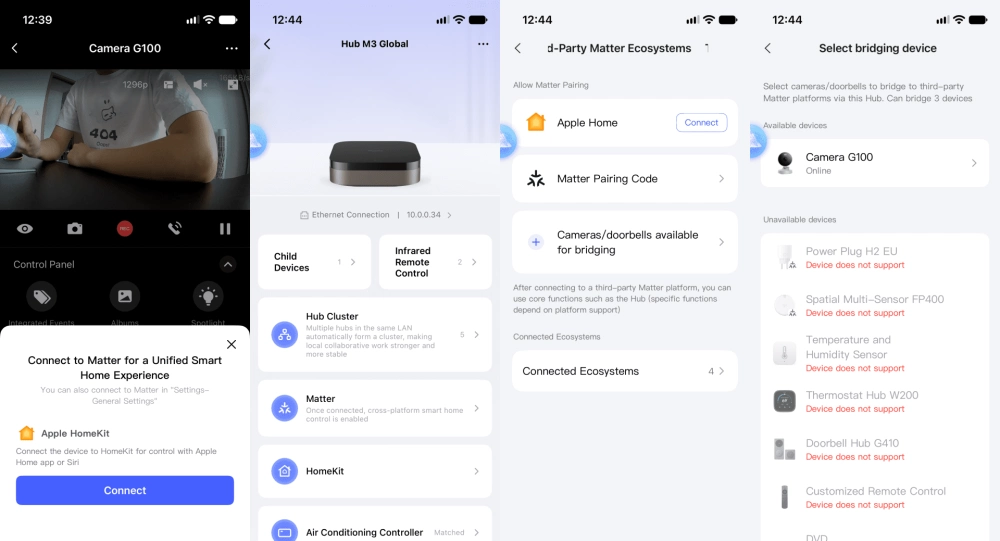
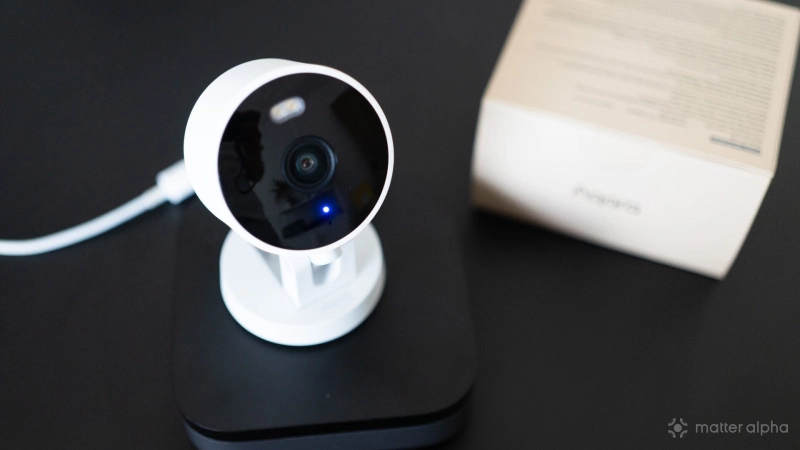
Currently, the G100 is the only camera officially listed as supported. Because Aqara explicitly mentions both cameras and doorbells in its feature description, it is likely that devices such as the G410 Doorbell Camera Hub will receive bridging support at a later date.
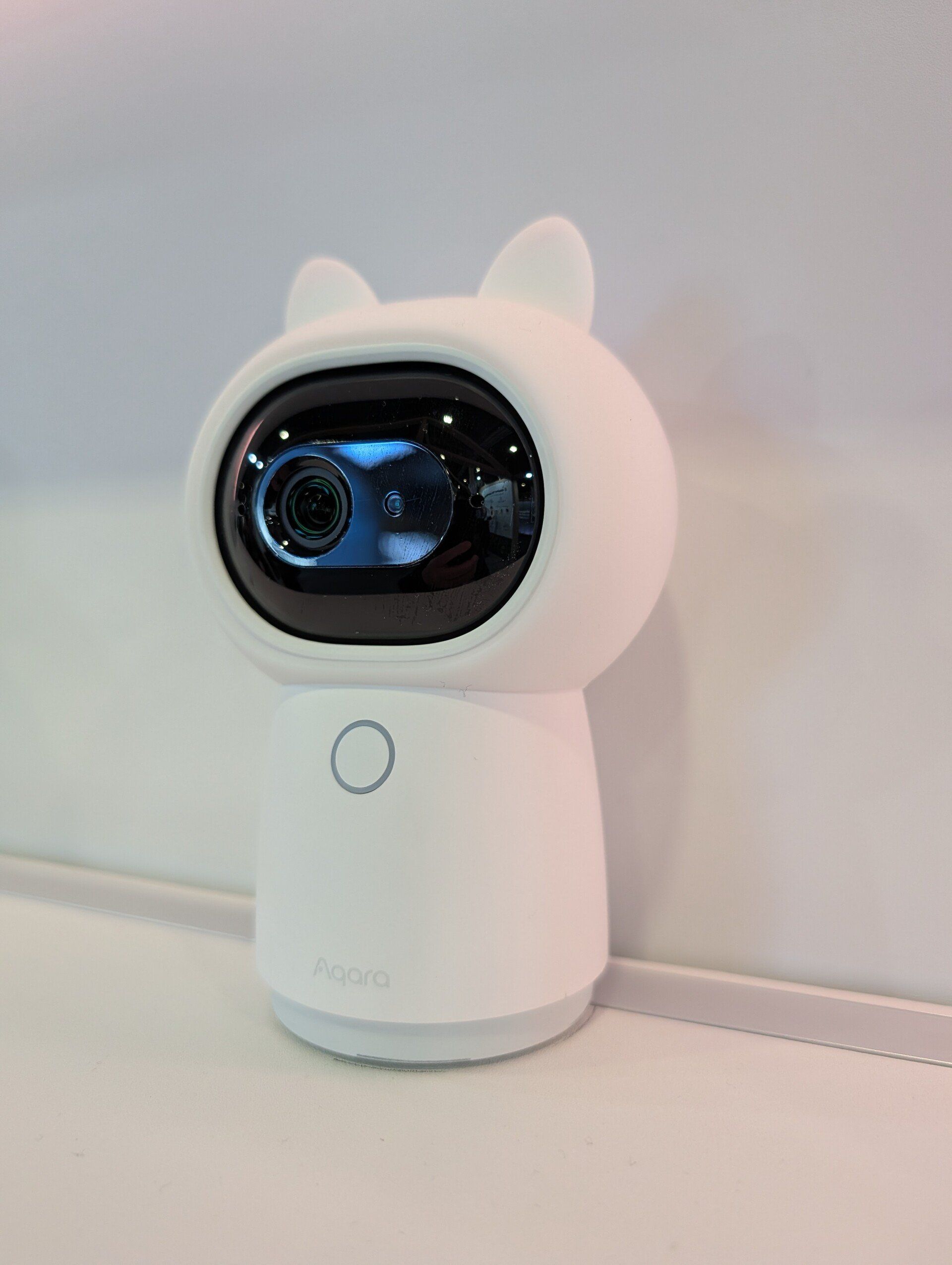
Once a camera is bound to the Hub M3, connected Matter ecosystems like Home Assistant and SmartThings discover the device automatically. The streaming experience mirrors native Matter cameras like the Aqara Camera Hub G350, providing smooth and fast local video.
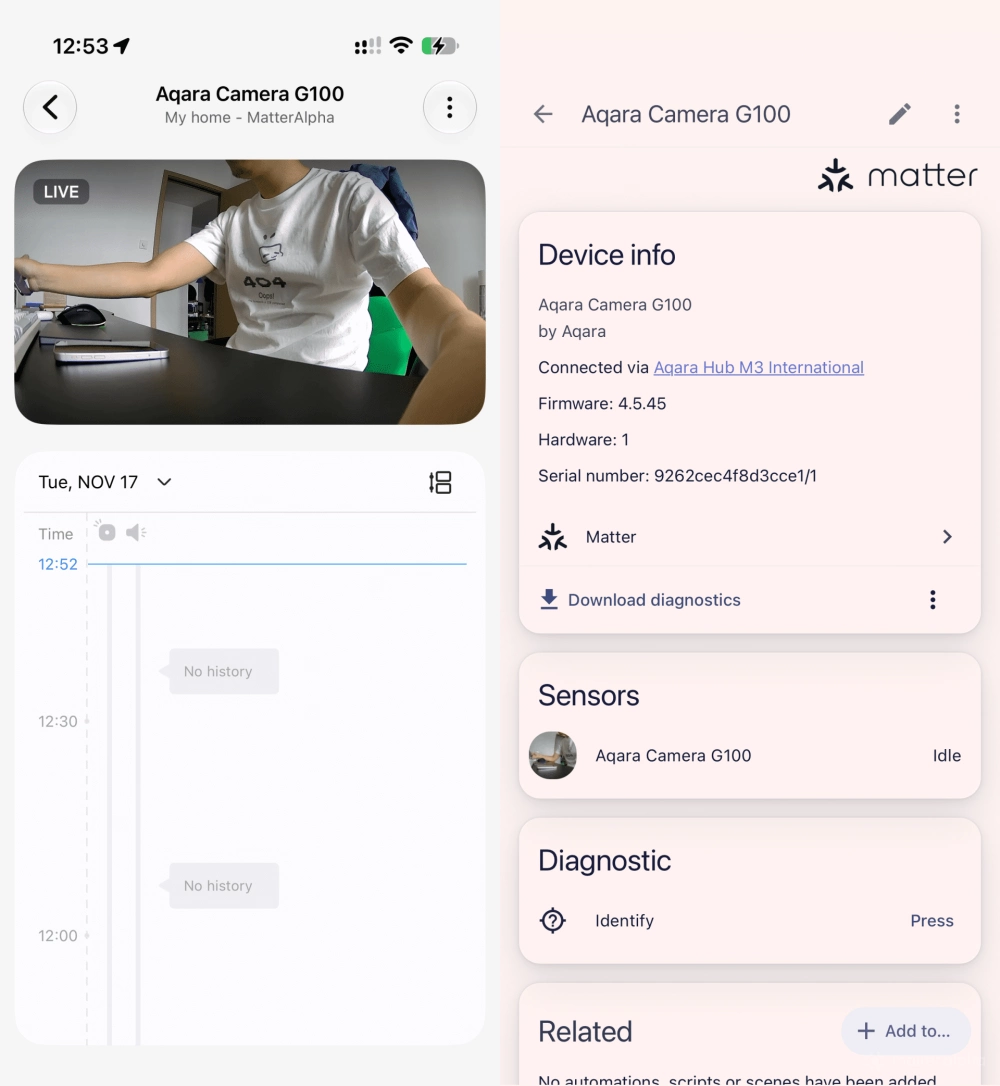
However, my early testing reveals a bug in Home Assistant Core where streams fail to load, though the exact same setup works properly through the Open Home Foundation Matter Server and SmartThings.
The case for a bridge
Handling Matter natively on a camera requires significant processing resources to manage video streams alongside the standard protocol stack. The ongoing chipset shortage driven by AI demand has pushed bill of materials costs up significantly, sometimes by up to 50 percent. This makes adding native Matter support to entry-level cameras like the G100 highly expensive, alongside the heavy burden of software development and certification.
For mega players like Walmart, which partnered with Google, subsidizing a native Matter camera to keep the price under $25 remains possible. However, smaller manufacturers face severe margin pressures. Bridging sidesteps this problem by offloading the heavy processing to a dedicated hub. This approach also allows manufacturers to connect legacy cameras to modern platforms without forcing hardware upgrades.
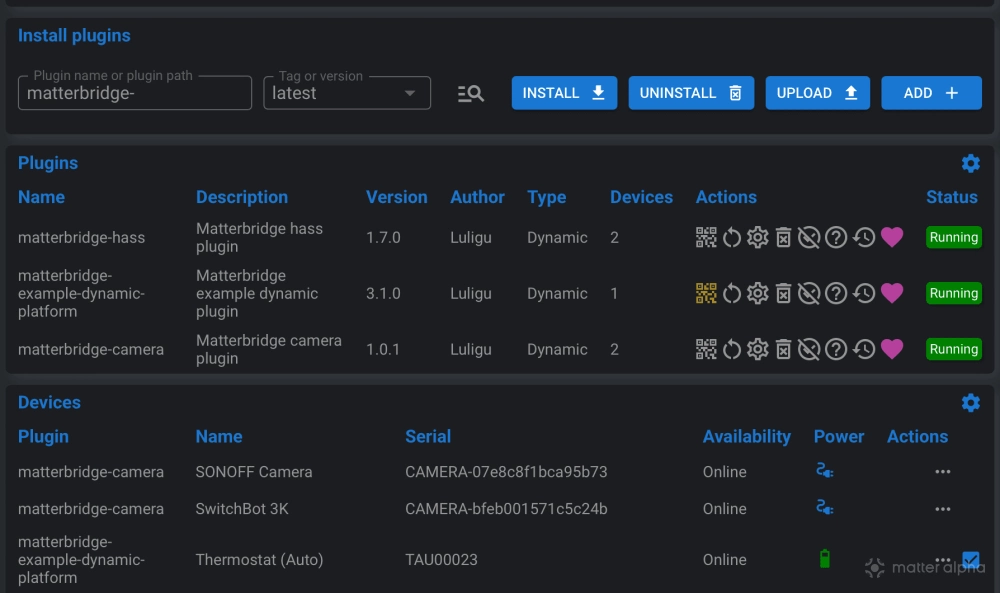
Open source projects are already proving this concept works, with community tools like “Matterbridge” by Luligu and Tamer successfully bringing standard RTSP cameras into Matter.
Availability and hardware limits
The bridging feature is available now for the general public. You can try it by upgrading both your Aqara Hub M3 and Camera G100 firmware and configuring the bridge in the Aqara app.
You can only bind a maximum of four supported cameras to a single Hub M3. Aqara has not yet announced a timeline for extending support to other camera models.
(Source: Aqara; Image: Matter Alpha/Ward Zhou)