Home Assistant 2026.12 has entered its beta week with support for the Matter Closure device type, a new way to organize multi-outlet devices, and several additional controls for existing Matter products.
The last monthly release of the year continues to bring Home Assistant up to speed with recent Matter specifications. It also introduces improvements to camera controls, physical button automations, energy monitoring and integration troubleshooting.
Here are all the new features packed in this version about Matter and Thread.
Matter garage doors, gates and more
Following the introduction of Matter camera support in the previous monthly release, Home Assistant is catching up with another major addition to Matter 1.5: Closures.
The new Closure device type takes a more flexible approach than the existing Window Covering device type. It allows manufacturers to represent different types of movement, including sliding, lifting and rotating, covering a wider range of motorized products.
Home Assistant now supports these devices through its existing Cover platform, for example, a skylight window or garage door.
The implementation also takes into account mechanical differences between products, such as whether a closure needs to be unlatched before moving and whether its movement can be stopped midway.
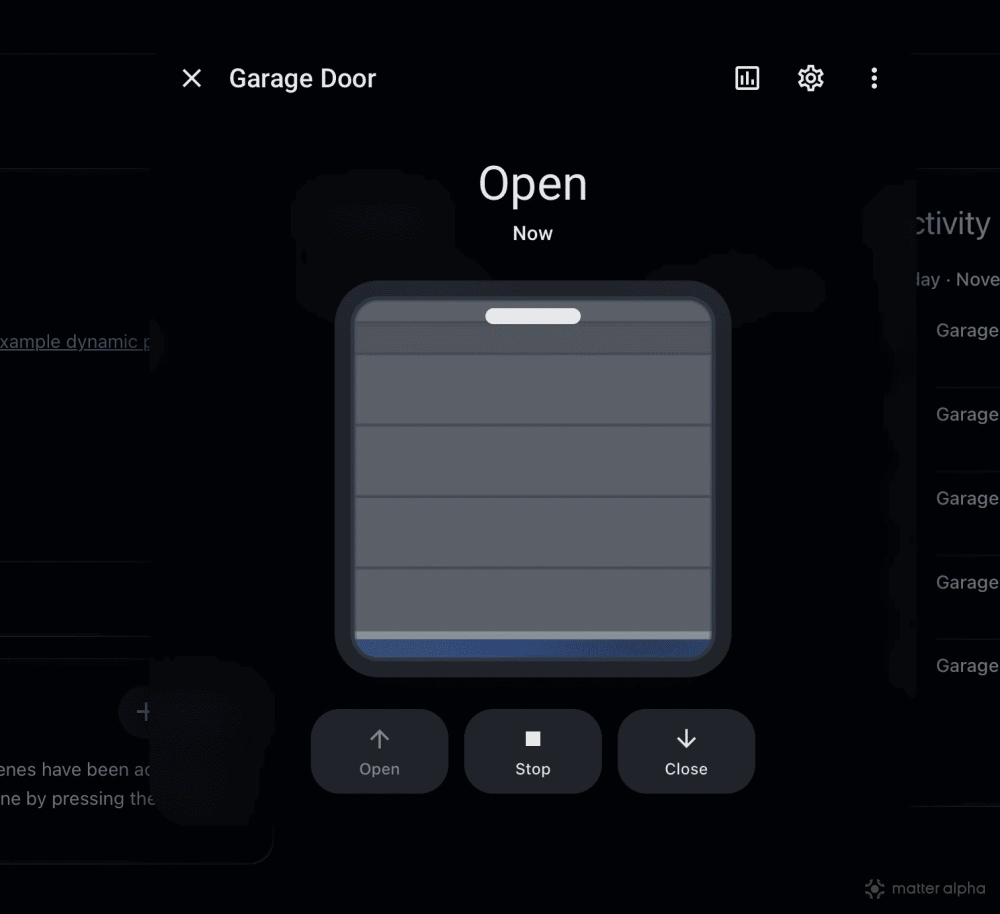
Alongside the expanded Matter support, Home Assistant has redesigned its cover control interface. The new interface presents an interactive illustration of the corresponding cover type, allowing users to adjust its position, switch between position and tilt controls where applicable, and save favorite positions.
Existing Matter window coverings also benefit from corrected device classifications, including fixes for shutters and previously unrecognized cover types.
Better organized Matter devices
Managing Matter power strips and multi-outlet smart plugs is about to become more flexible.
Previously, Home Assistant grouped the individual outlets of a native Matter power strip under a single device entry. While each outlet could be controlled independently, organizing them across different areas was less straightforward.
Home Assistant 2026.12 introduces child devices for compatible Matter products. Individual outlets can now appear as separate devices while remaining associated with the physical product.
For instance, if you use a dual-outlet smart plug to control two appliances in different areas, you can now give each outlet its own device name and area. Supported per-outlet energy measurements can also be grouped under their respective child devices.
The initial implementation focuses on outlets and relays with identifiable endpoints. Other products, such as multi-button remotes, retain their existing device structure for now.
Existing entity IDs are preserved, although users relying on device-based automations or grouping may need to review their configurations after updating.
Another improvement concerns Matter bridges. Home Assistant can now use room information shared through the Matter Actions cluster to suggest areas for newly added devices.
More controls for Matter cameras and thermostats
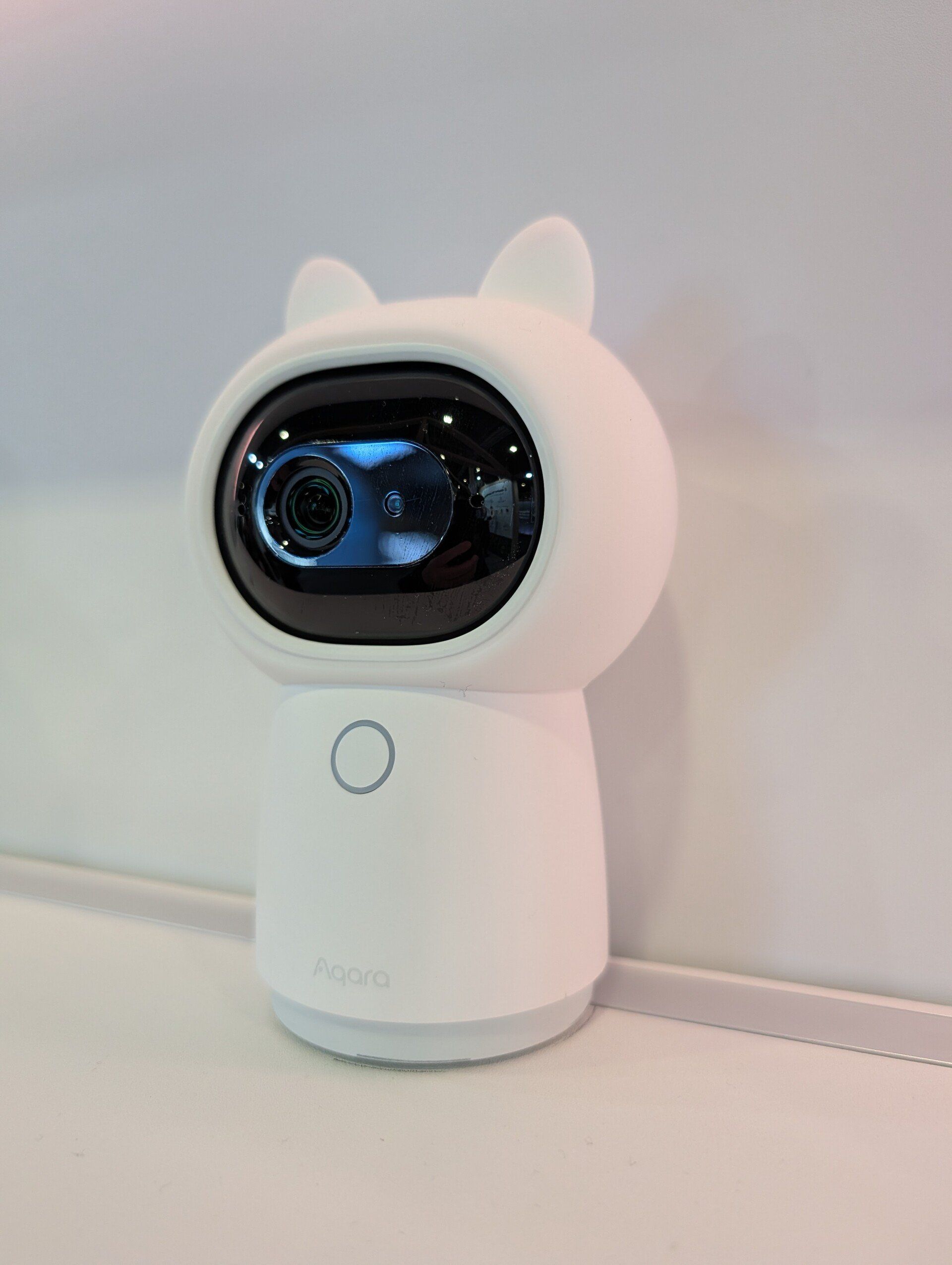
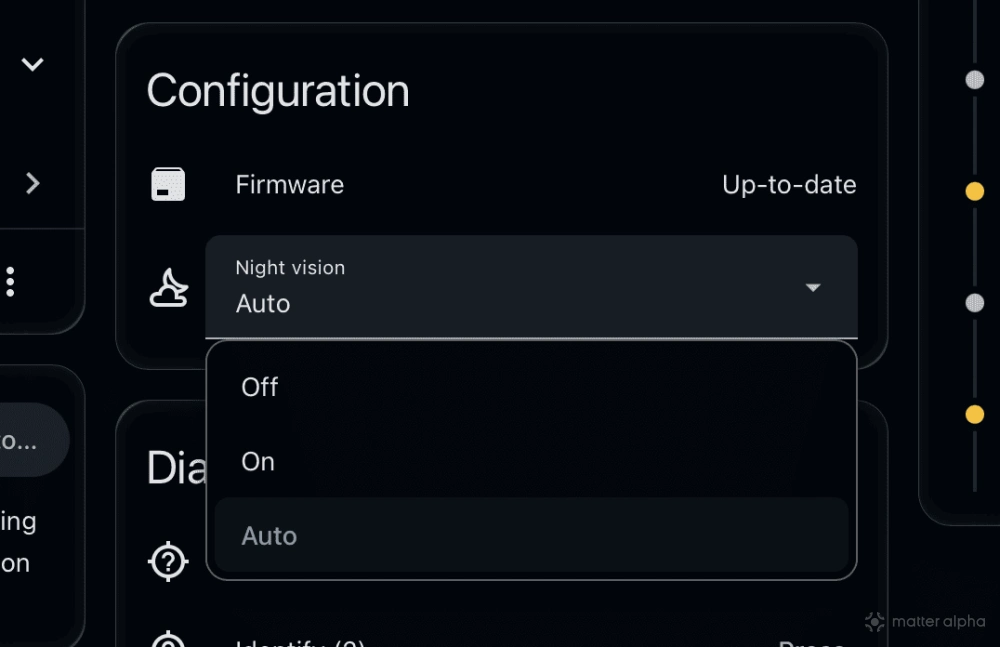
Home Assistant continues to expand the controls available for Matter cameras following their introduction in November. Compatible cameras now gain a night vision setting, allowing users to switch between on, off and automatic modes. One compatible product is the Aqara Camera Hub G350.
Temperature control is also getting more precise. Matter devices using the Temperature Control cluster can now expose their supported temperature adjustment increments, rather than relying on a default 1 degree Celsius step.
Another change removes the manufacturer restriction on the keypad lockout feature. Previously limited to Eve products in Home Assistant, the control is now available to other compatible Matter devices, allowing users to remotely disable physical controls on supported thermostats.
Home Assistant has also upgraded its Matter Python client to version 1.6.0, laying some of the groundwork for future thermostat preset management through Matter. The feature itself remains under development.
Additional features for Matter sensors and energy devices
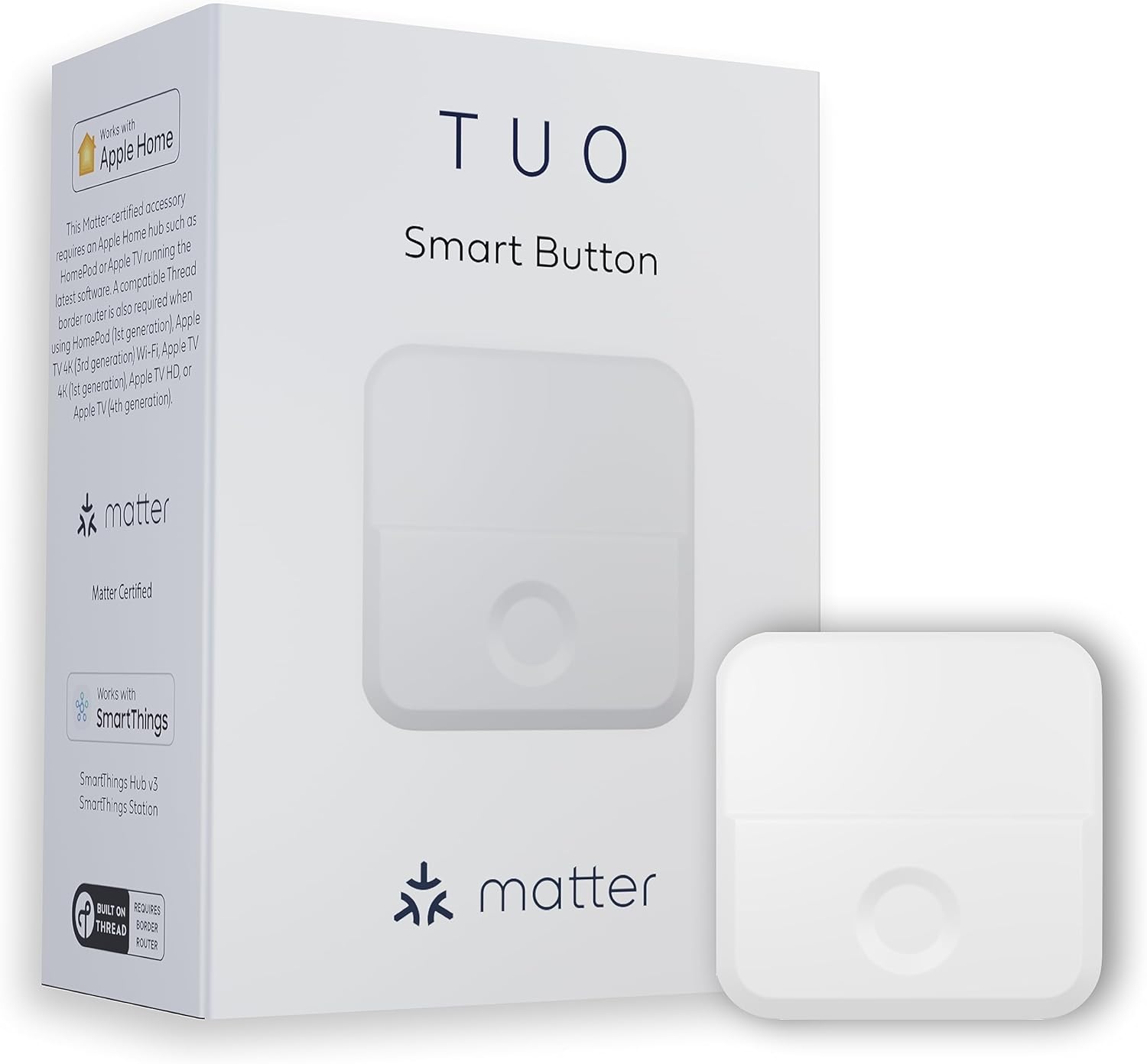
Battery-powered Matter devices can now expose the number of batteries they require, complementing existing information such as battery type and remaining battery level. This could be particularly useful when maintaining a large collection of wireless sensors and remotes.
Home Assistant has also added support for a manufacturer-specific setting on compatible Heiman Matter sensors, allowing users to turn their physical LED indicators on or off without relying on a separate manufacturer app.
On the energy management front, Home Assistant now supports the Commodity Price cluster introduced with Matter 1.5.
Compatible devices can report the current electricity price, providing another source of tariff information for price-based automations. Users could, for instance, automate compatible appliances or EV chargers to operate when electricity is cheaper.
Matter maintenance and troubleshooting
Several smaller changes address how Home Assistant handles Matter integration issues.
Matter Server compatibility and IPv6 repair warnings are now associated with their integration entries, improving how Home Assistant manages these warnings when an integration is disabled or removed.
Other fixes improve firmware update messages and address entity naming issues affecting products with multiple components exposed through a Matter bridge.
While there are no major changes specific to the Thread integration in this release, these improvements also apply to Matter-over-Thread devices.
A better camera experience and button automations
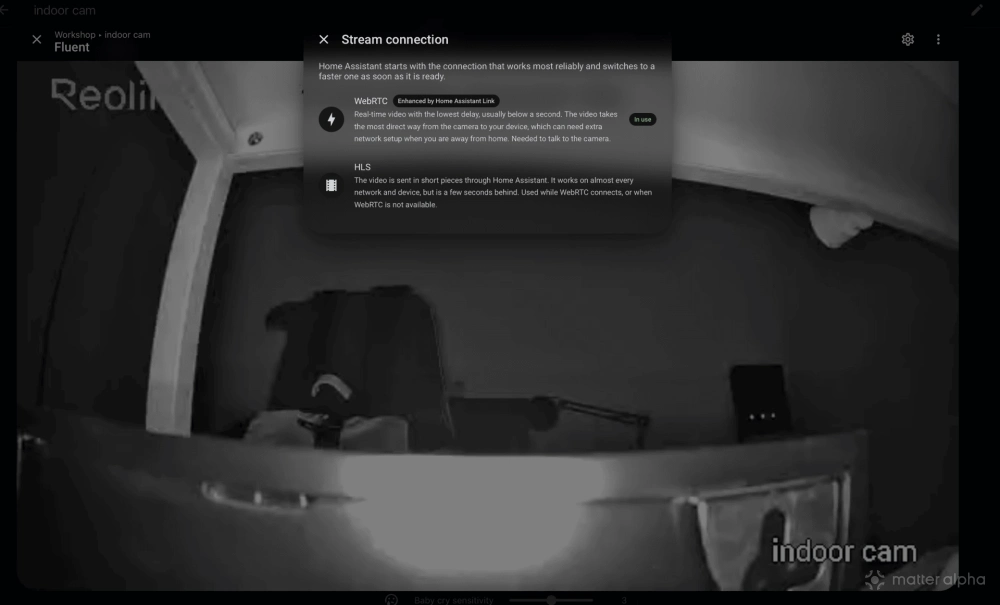
There are some features benefiting all intergartions in Home Assistant, including Matter. The version introduces a redesigned camera interface with a more consistent experience across different streaming tech. The new interface supports digital zoom and picture-in-picture playback. It also indicates which streaming tech is being used and keeps the screen awake while users are viewing a camera feed.
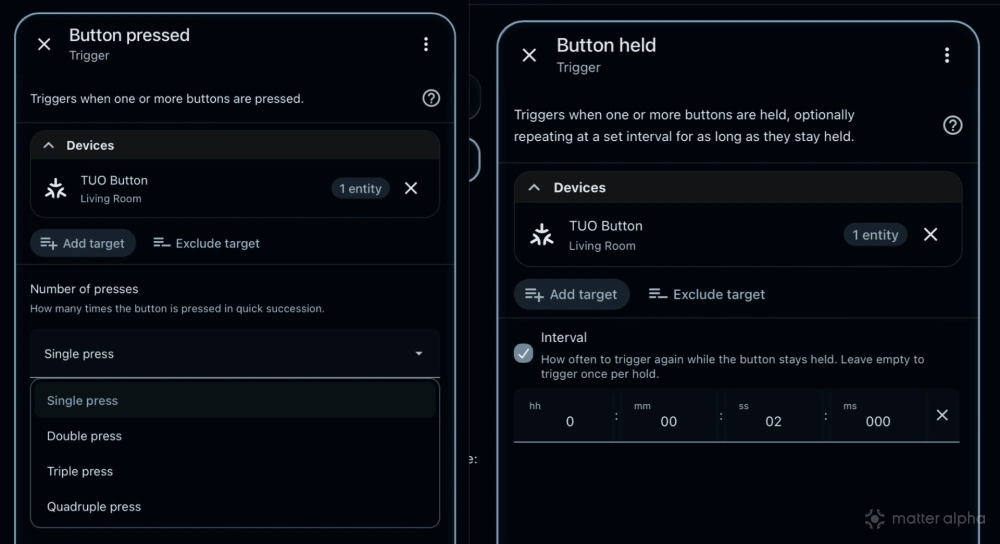
Home Assistant is also making it easier to create automations with physical buttons. The new standardized triggers cover different interactions, such as multiple presses, holding a button and releasing it. You can also configure actions to repeat while holding a button, making it easier to replicate the behavior of a traditional dimmer with a wireless remote.
Energy monitoring and integration health
The Energy dashboard continues to evolve with more detailed monitoring of energy flowing between home batteries, solar panels, the grid and household appliances.
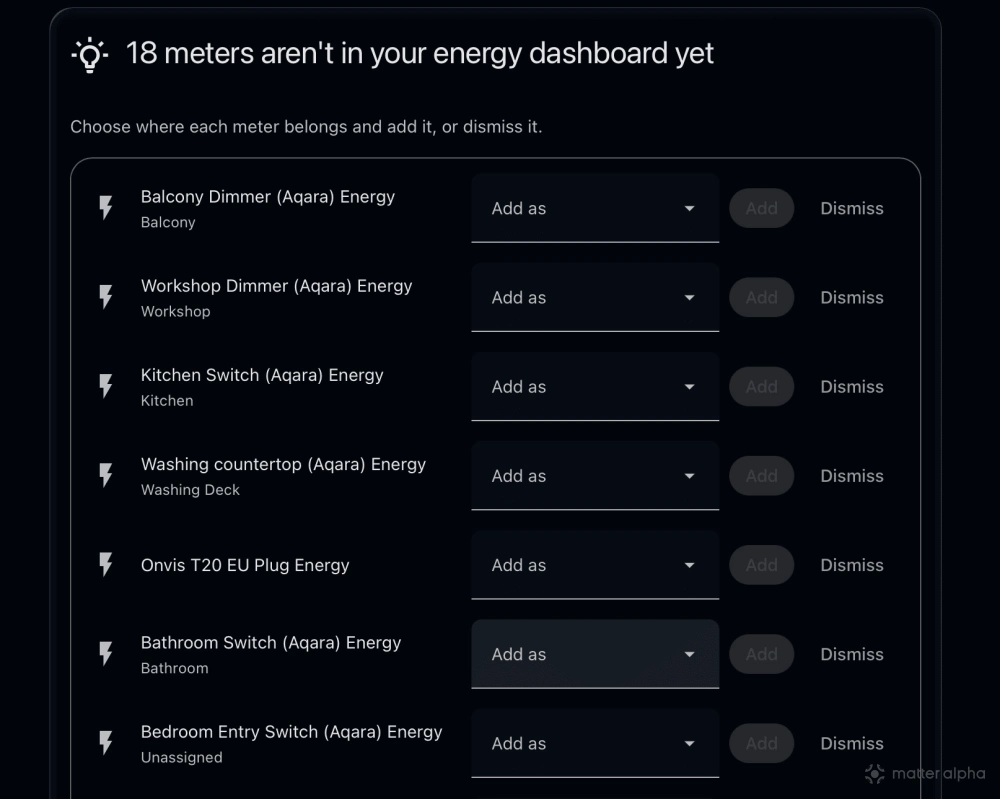
Home Assistant can also identify energy, gas and water meters that have not been configured in the dashboard and suggest adding them, making the initial setup more accessible.
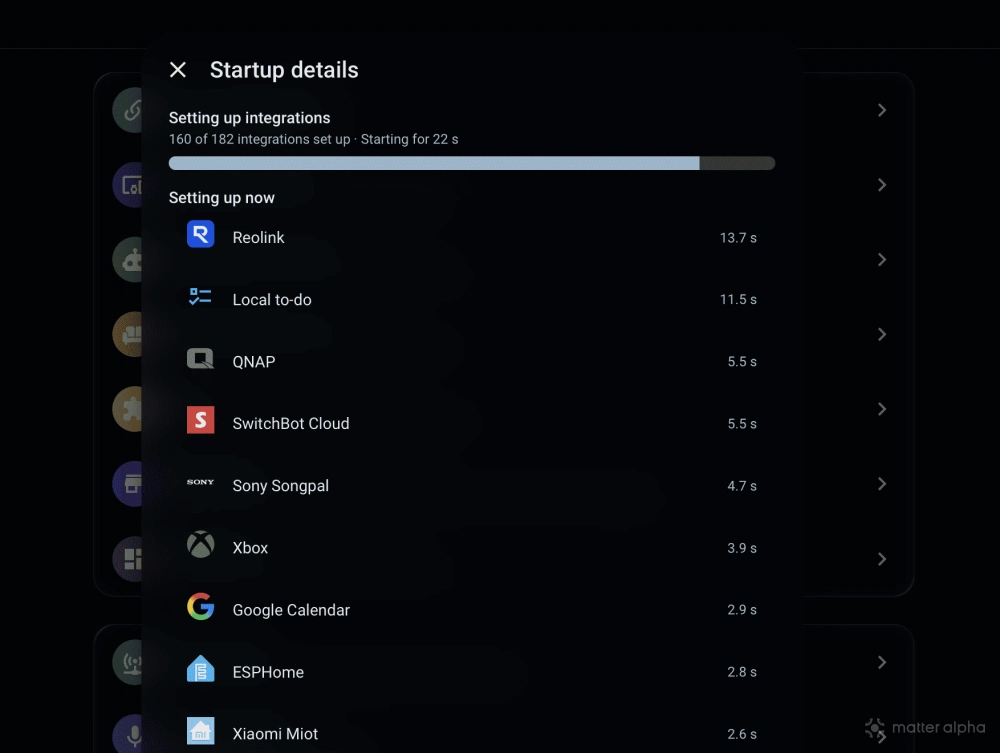
Another welcome improvement, particularly for users with larger smart home setups, is a more detailed startup monitor.
Instead of simply waiting for Home Assistant to restart, users can now see which integrations are still loading, how long they have taken and whether any have failed.
A new Health panel for individual integrations also brings together device availability, repair issues, recent log warnings and startup performance. This reduces the need to navigate between different settings pages when troubleshooting an integration.
Availability
Home Assistant 2026.12 is currently available through the beta channel, with the stable release expected Dec. 2. If you are interested in testing the new features, you can join the beta through the system update settings. As usual, some features may change before the stable release.
(Source: Home Assistant, GitHub; Image: Nabu Casa, Matter Alpha/Ward Zhou)