Dutch smart home platform Homey (its parent has been owned since 2024 by South Korean giant LG) has announced that a ChatGPT integration is now available, designed to add a layer of conversational dialogue to the smart home experience. This is widely considered to be preferable to tapping a mobile app.
With a Homey account connected to ChatGPT, devices can be controlled, flows (a term for automations) can be managed, and the overall smart home setup adjusted. This all sounds pretty excited, but there is a problem: it’s an artificial intelligence, an AI... and that’s a technology that has been getting a bad rap of late.
This is useful AI, not job-destroying tech
In the race to make AI attractive, compelling, an almost a celebrity in its own right, companies like Google, OpenAI, and Anthropic have spent a lot of time shouting about generative AI. That technology that makes movies out of prompts, creates artwork to specification, and potentially replaces actual writers, artists, actors, and musicians? That’s generative AI.
But AI has other purposes, far less… “sexy” than creating a virtual pop band.
It is incredibly efficient at reading and interpreting data, for example. There is also the development of useful, conversational chatbots, which have been programmed with language models to interact and respond to questions and commands.
This, it seems, is where AI is truly useful, and rather than replace a person, can make our lives that bit easier.
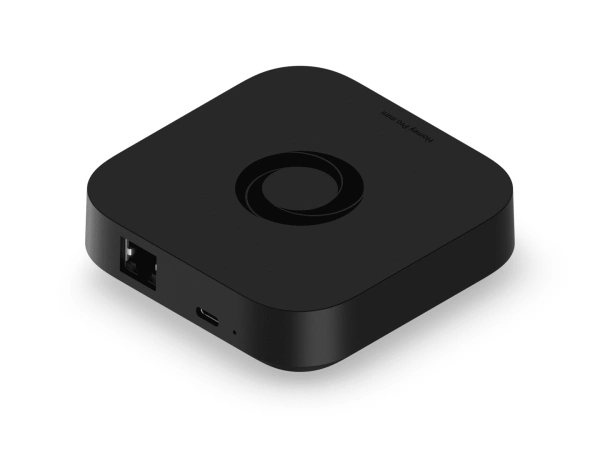
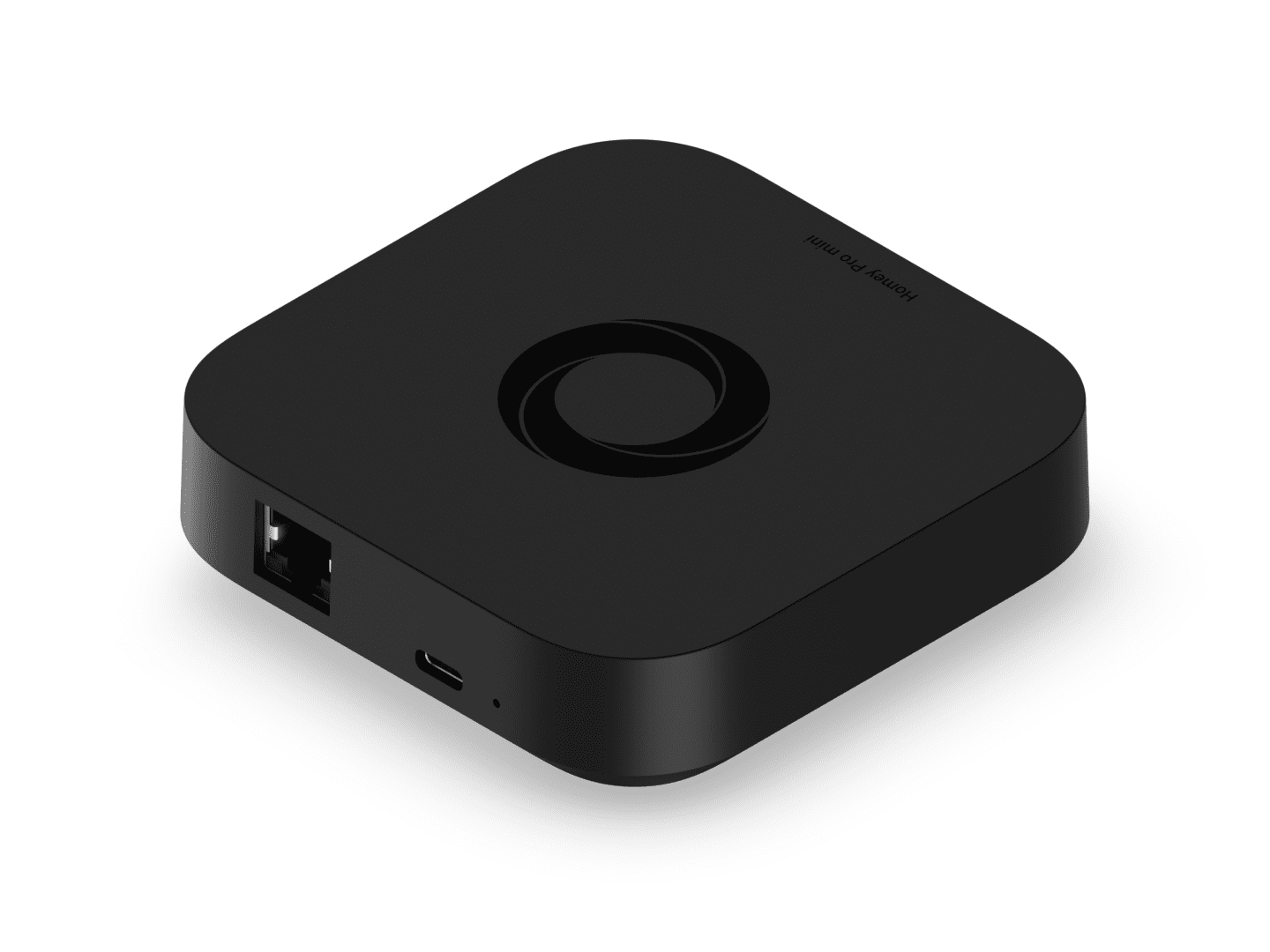
Homey Pro Mini
Smart home hub with Matter, Thread, Zigbee, and Ethernet built in, expandable via Homey Bridge, featuring Homey Flow automation, energy monitoring, alerts, voice integrations, and local or cloud backups with no subscription.
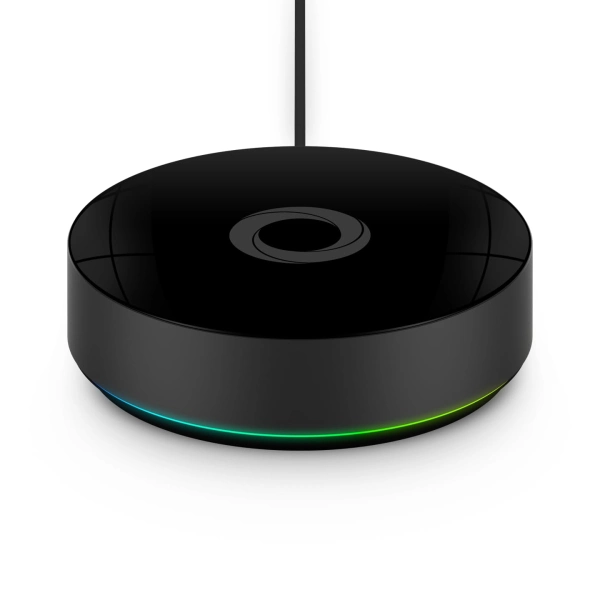
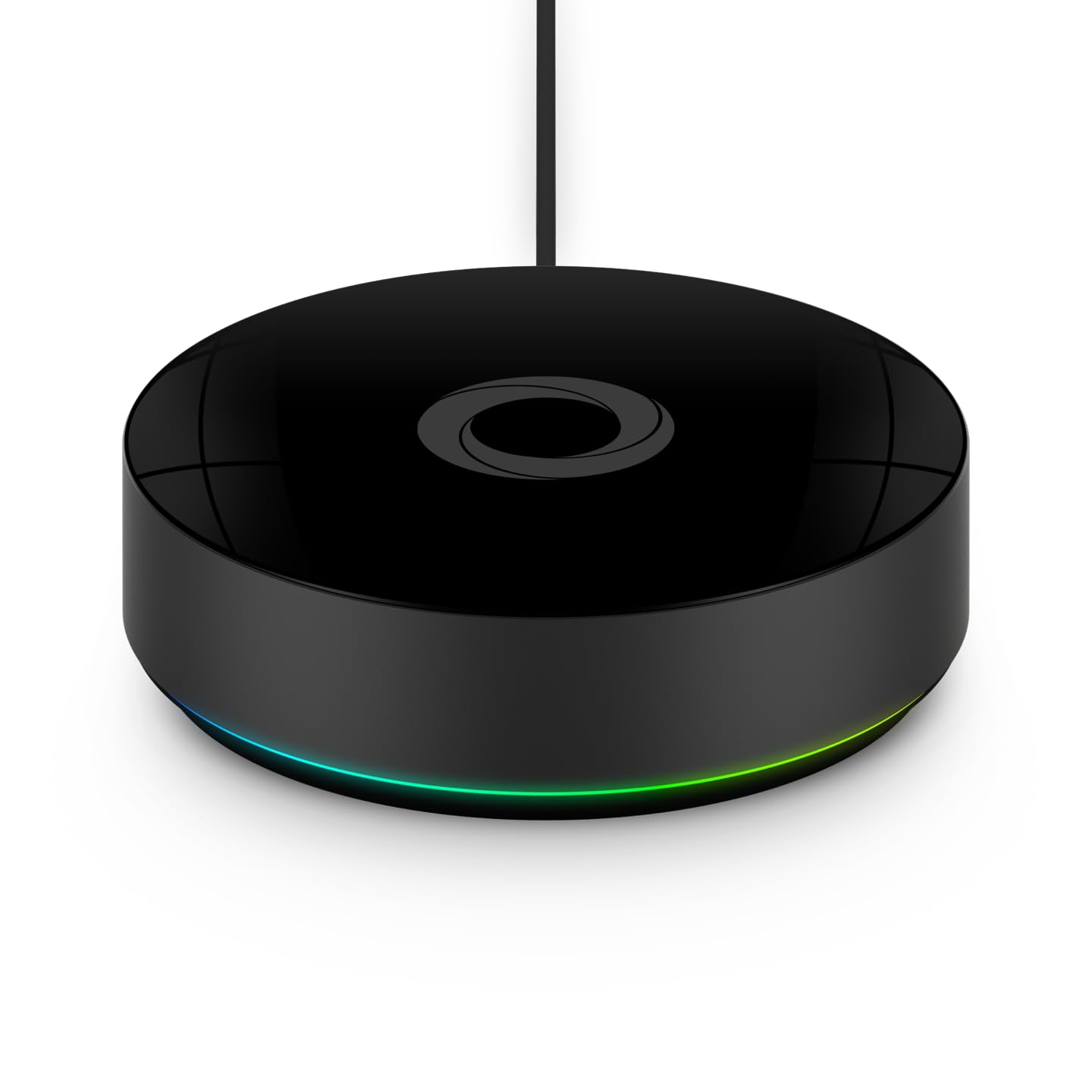
Homey Pro (2026)
Homey Pro (2026) is a local-first smart home hub that unifies seven wireless technologies into a single, powerful controller for advanced home automation.
Homey’s ChatGPT integration
Today’s news follows the earlier introduction of the MCP Server, which enables AI agents like ChatGPT (and Claude) to interact with Homey. The new ChatGPT app for Homey builds on that, without the manual MCP connector.
With Homey and ChatGPT integrated, you can instruct the AI to perform tasks like device renaming, device status checking, and even control hardware. Automations can be started, too, and Homey’s Moods set for an appropriate custom lighting setup.
In addition, the integration supports guiding users through creating new automations (or “Flows”) by enabling the user to describe an outcome, which ChatGPT should then assist in building.
“The easier it is to control your smart home, the more useful it becomes,” said Stefan Witkamp, CEO at Athom (the company behind Homey. “With Homey in ChatGPT, users can control devices, adjust their setup, or create new Flows simply by asking.”
Is this secure?
One thing that immediately comes to mind is whether this new support for ChatGPT is secure.
Fortunately, Matter has various security and privacy provisions built in (and adhering to these is an important aspect of gaining certification for a new device). From what I can work out, the AI-integration with Homey, in relation to Matter, looks something like this:
Matter device → Homey → Homey API/Flow/Webhook → ChatGPT/OpenAI
As you can see, there is some distance between the AI and the Matter device. So, in terms of someone (perhaps a visitor or an intruder) using AI to attempt to screw up your smart home, there should be enough restrictions at every stage to prevent anything dangerous from occurring.
Will you integrate AI into your smart home?
The general direction of travel with AI in the smart home space seems to be in making life easier.
To borrow from the previous section: Matter > Hub > AI.
I’m not a fan of AI’s generative “creativity” but it has immense possibilities for data processing. I have reservations about bringing it into a smart home environment, but if the outcome of this is that things are easier to use, and integrations more advanced, then Homey has a good chance to lead the pack in this regard.
You can get the ChatGPT Homey app now – it’s compatible with Homey Cloud, Homey Pro, Homey Pro mini, and Homey Self-Hosted Server. If you’ve previously connected Homey to the MCP Server you can continue with that setup.