The smart lock market is projected to hit an incredible $9.4bn by 2036.
A report from Future Market Insights has declared that the market size is currently $3.5bn, with the top five markets for smart locks in China (13.8%), India (12.9%), Brazil (11.6%), United States (11.2%), and Germany (10.5%).
In various ways, smart locks have existed for years. So why is this sector of smart home tech set to explode?
Well, it may well because the locks are secure… but it is almost certainly down to the emergence of two developing standards: Matter, and Aliro.
Why smart locks historically struggled
Almost everyone uses a smart lock in some way, every day. Typically, they gift access to the workplace, or perhaps a bank, or maybe even a secure storage unit. You use a card, or perhaps some form of chip embedded in a device, anything from a pendant to something that resembles a key from a POS system.
More recently, you might have used a card or a keycode to enter a home – your own, an Airbnb, a friend’s holiday home, or any number of alternative scenarios.
Smart locks are all very different, and rely on proprietary hubs, and inevitably, proprietary apps. Homeowners and businesses are locked in by the vendor, and there is limited cross-platform support. You probably won’t get a device that works with Apple Home as well as Google Home and Alexa. That challenge affects all three platforms, and others besides.
With a lock, there is an expectation of reliability, durable hardware, and compatibility for everyone using it. When it comes to household smart locks, no one can be locked out – or in. These devices are no smart bulbs; a lamp tied to a single ecosystem is tolerable, whereas a front door is a different matter entirely.
Matter changed the equation
The Matter standard is largely about interoperability, and is backed by Apple and Google and Amazon. There’s also Samsung SmartThings, and all of these organizations are members of the Connectivity Standards Alliance, the body that oversees development of Matter.
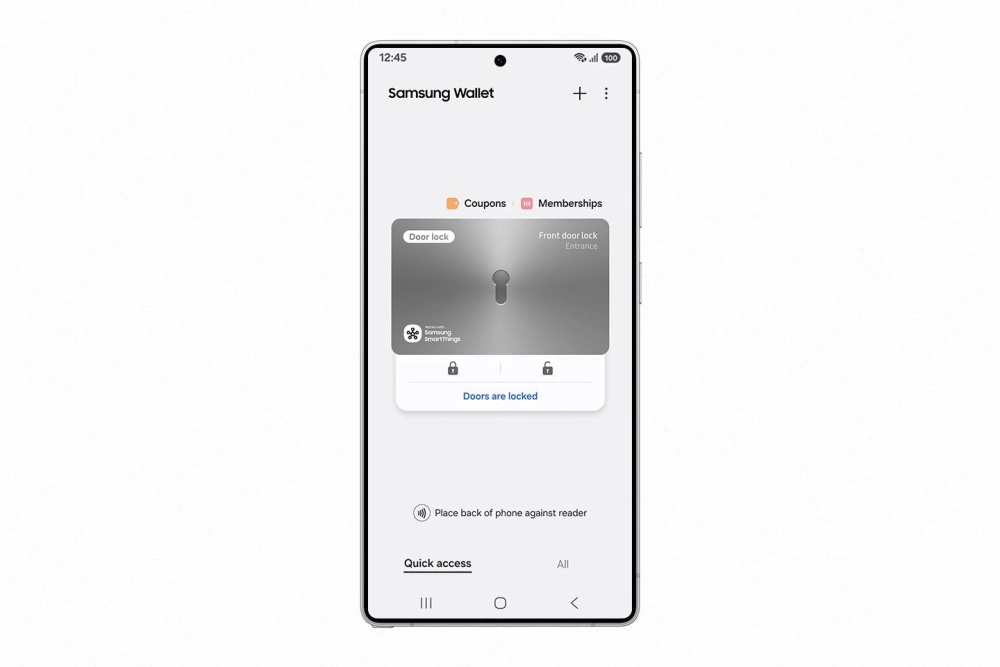
With Matter, devices can work across those multiple ecosystems. More significantly still, Matter has multi-admin support (so you can access the same device from different ecosystems), Thread networking, local control (rather than cloud reliance), and swift onboarding.
These factors make smart locks a key aspect to Matter, and its compatibility makes them an easier integration, reducing potential ecosystem anxiety, and help you to future-proof your tech. But smart locks need more than interoperability, and I think this is where the market is expected to follow.
Enter Aliro
Matter only handles the smart intelligence, supporting the interoperability, such as detecting if the door is locked, or setting commands like “lock the door at 10pm.”
Aliro – also developed by the CSA – standardizes access, from digital devices like smartphones, smartwatches and other wearables, as well as handling the actual security. It’s designed around NFC, BLE, and UWB, and like Matter was borne from a desire to avoid fragmentation, particularly among digital credential systems.
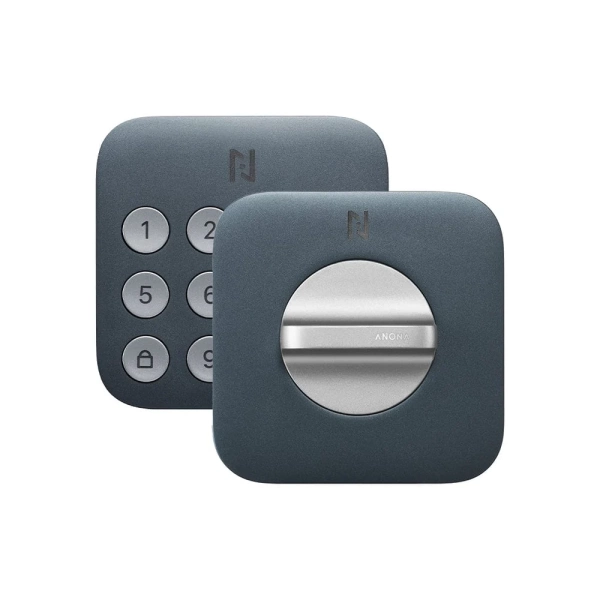
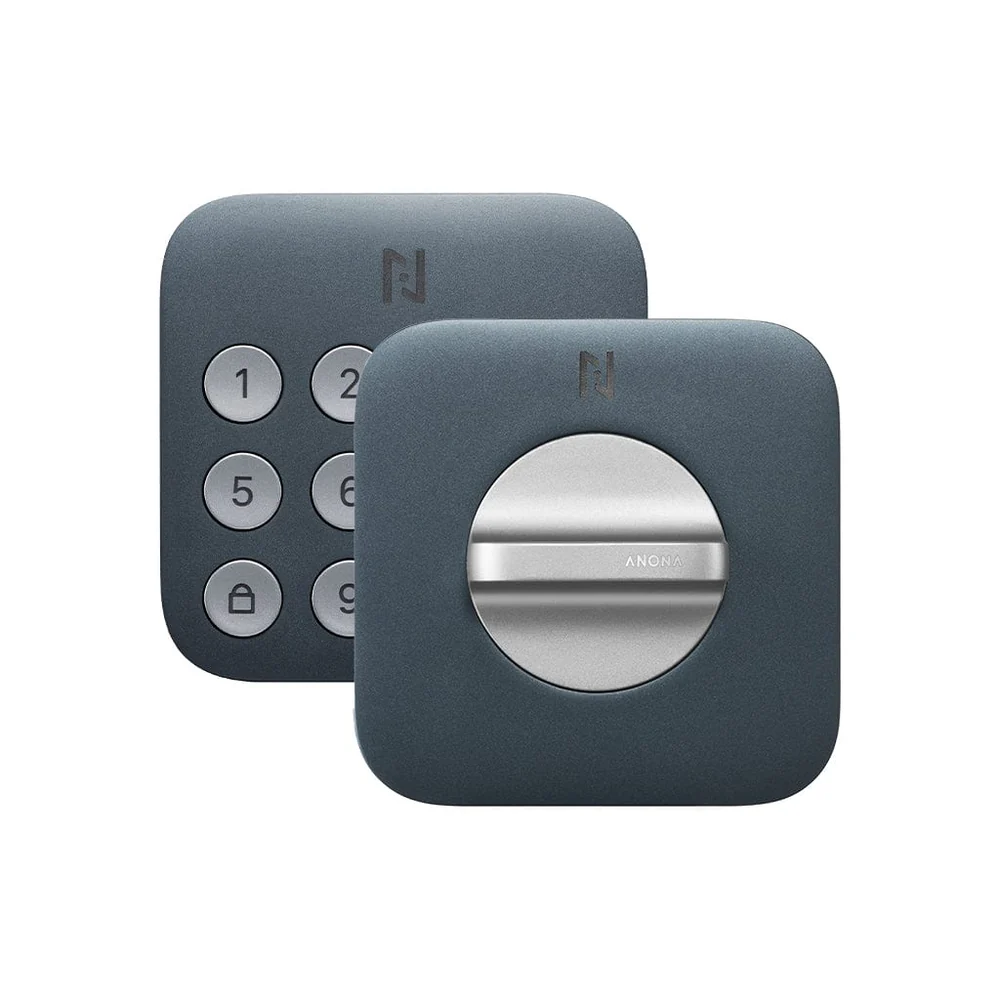
Anona Holo Wi-Fi Smart Lock and Keypad Set
Anona Holo Wi-Fi Smart Lock and Keypad Set
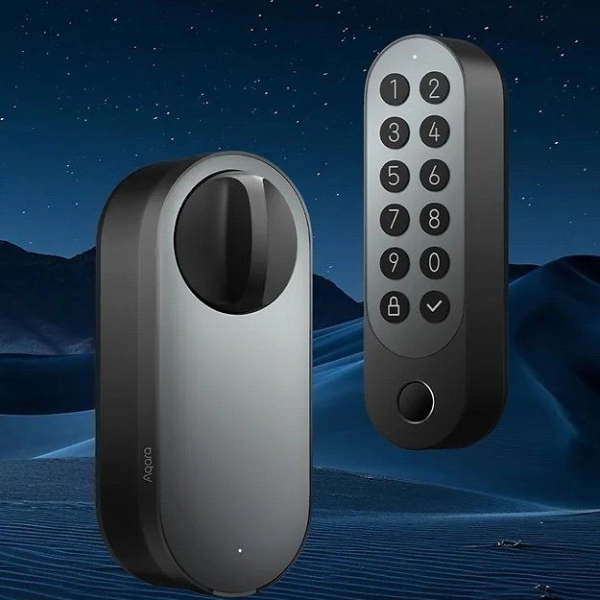
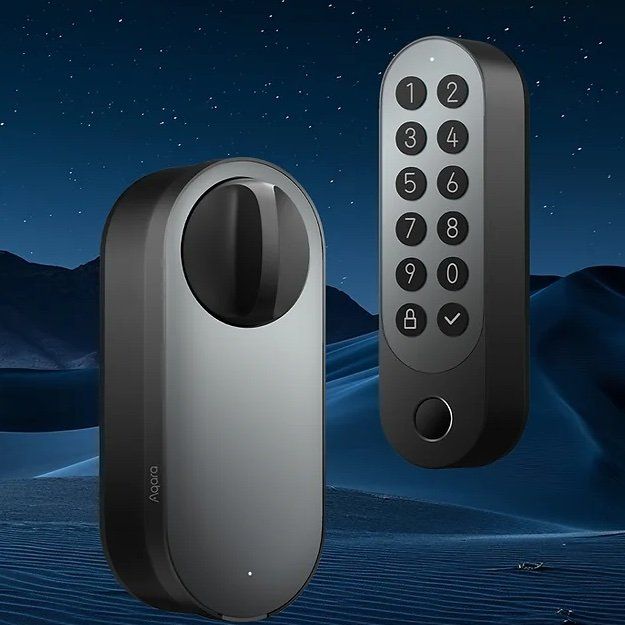
Aqara Smart Lock U200
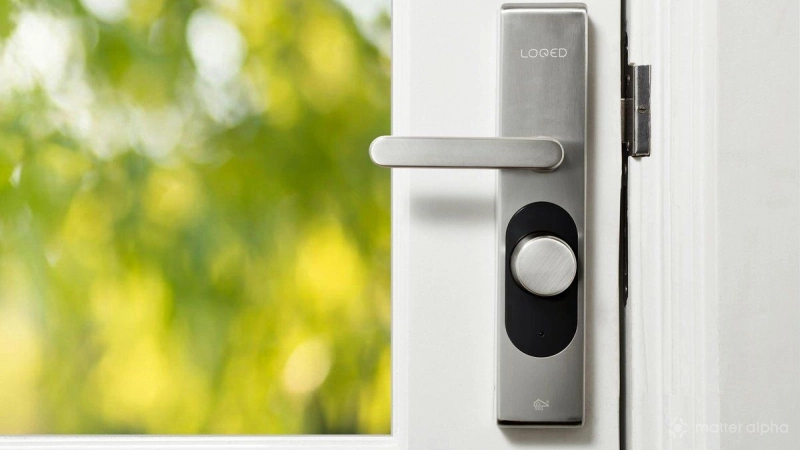
A native Matter over Thread retrofit smartlock with planned support for Apple Home Keys as well as auto-unlock, NFC, a keypad, and fingerprint recognition.
If Matter standardizes devices, you might say that Aliro standardizes the key.
A full explanation can be found in our guide to how Aliro and Matter fit together.
Why this matters beyond enthusiasts
Because Aliro is key to a secure smart home, it makes smart locks less “consumer gadget” and more “vital addition to home.” They don’t just work with smart homes, either, which is where I think the growth is coming from. You can fit a smart lock on
-
Apartment buildings
-
Rental properties
-
Hospitality
-
Development builds
In addition, the industry is wooing high-end house builders directly.ma-smart-lock
So whatever the smart lock, if it is Matter compatible and has Aliro controlling security, the owner, tenant, or visitor can use it, whatever their preferred smart home ecosystem.
From niche security setup to default home access?
Like the smart home, smart locks have become fragmented. Matter compatibility and Aliro digital security access control changes that, with Matter solving the interoperability problem for smart locks and Aliro potentially the solution to managing digital credentials. If it becomes the default way people access homes, hotels, and workplaces over the next decade, then that $9.4bn valuation for the entire market makes perfect sense.
(Source: Future Market Insights/OpenPR; Image: Joppe Buerskens, Pexels)