There are two general types of bulb fitting: screw-in, and bayonet. Both have their variations, and their main areas of use. For the bayonet, the main use is in the UK, Australia, New Zealand, and India. Everywhere else, screw-attachment bulbs are in use.
(GU10 is essentially a bayonet variant, and is for spotlights rather than lamps anyway.)
But that looks set to change, if a recent trip to IKEA is any indication – and I don’t think Brits or Australians are ready for what is coming.
The discovery
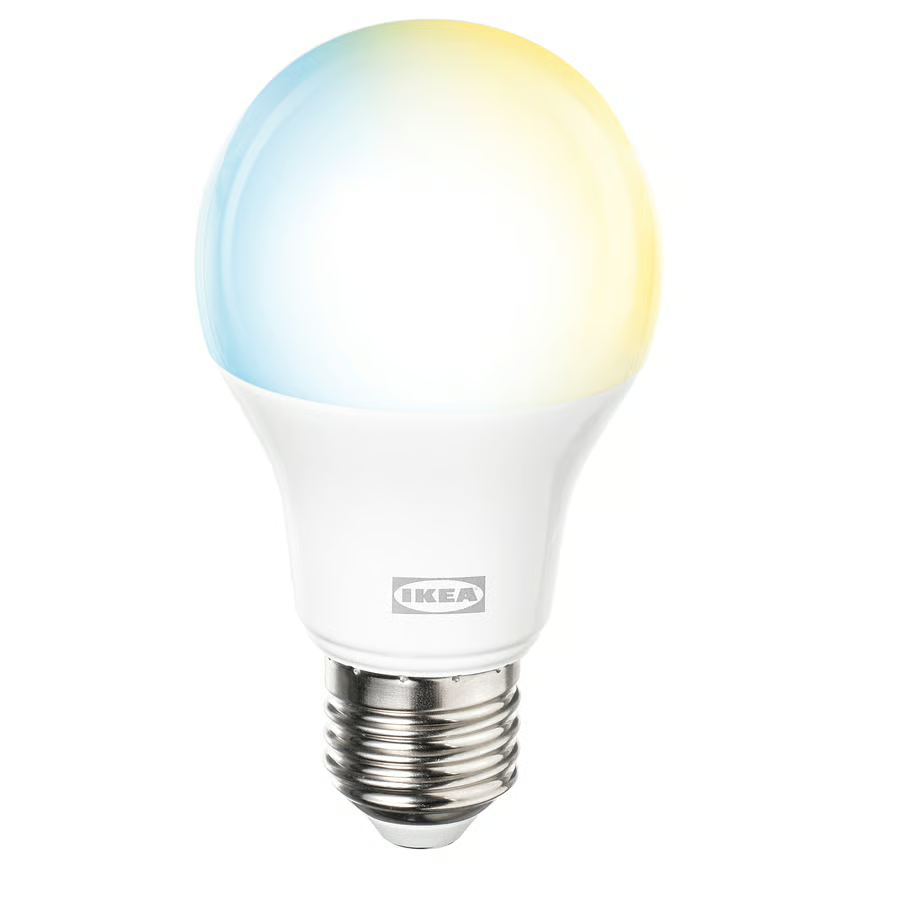
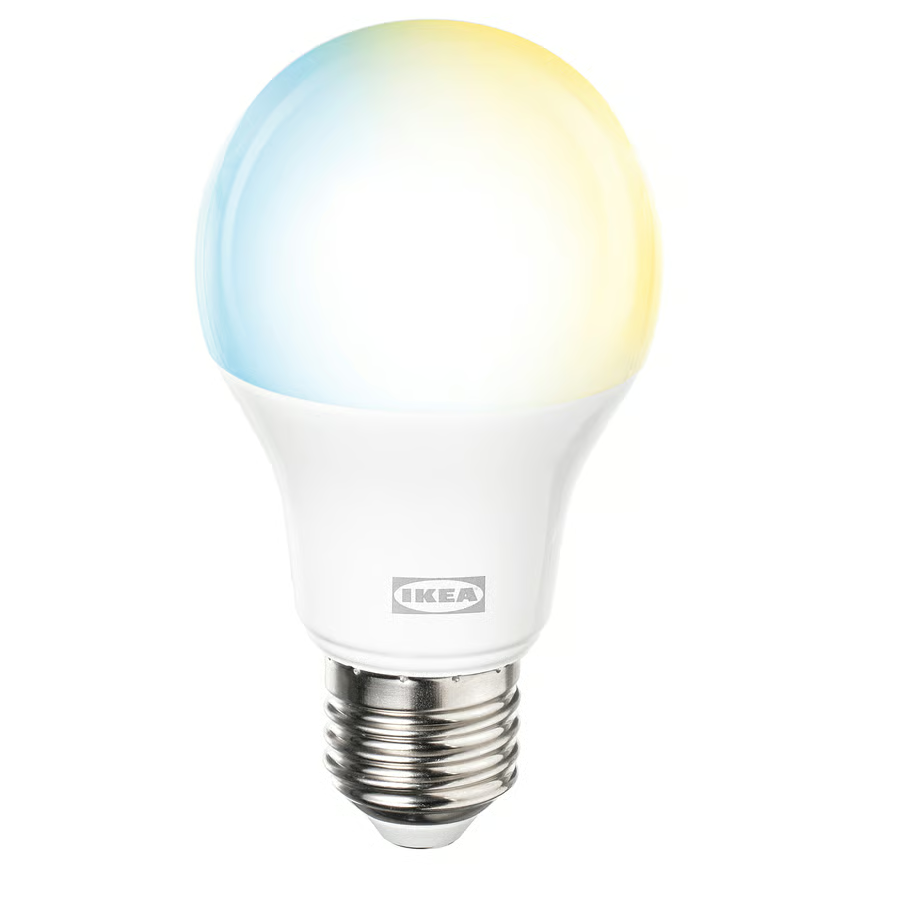
After finally gaining the agreement of my wife to install a KAJPLATS smart home bulb in our bedroom (a slow process of demonstration and highlighting convenience), I visited my local IKEA. I spent quite a while browsing the yellow-flashed boxes (all IKEA’s Matter-equipped smart home tech has both the Matter logo and a yellow stripe) before it dawned on me that each and every bulb was either GU10 or E27.
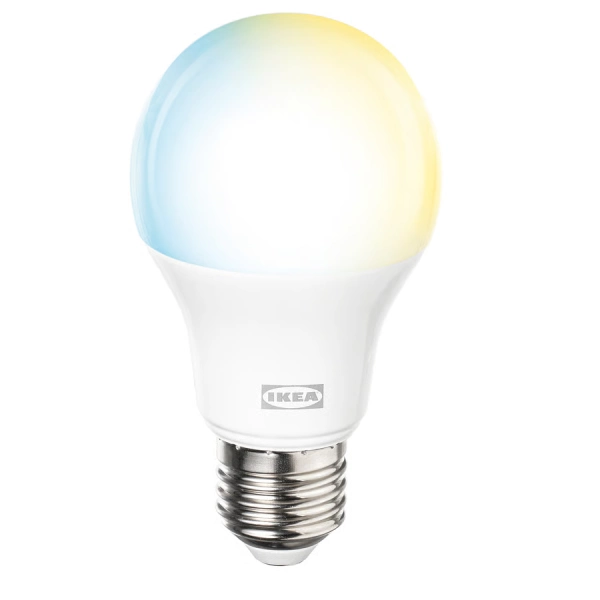
KAJPLATS E27 WS globe 470lm
A Matter-compatible smart LED bulb with adjustable white light, wireless dimming, and a frosted opal globe design, ideal for accent lighting, bedside lamps, and creating a comfortable atmosphere.
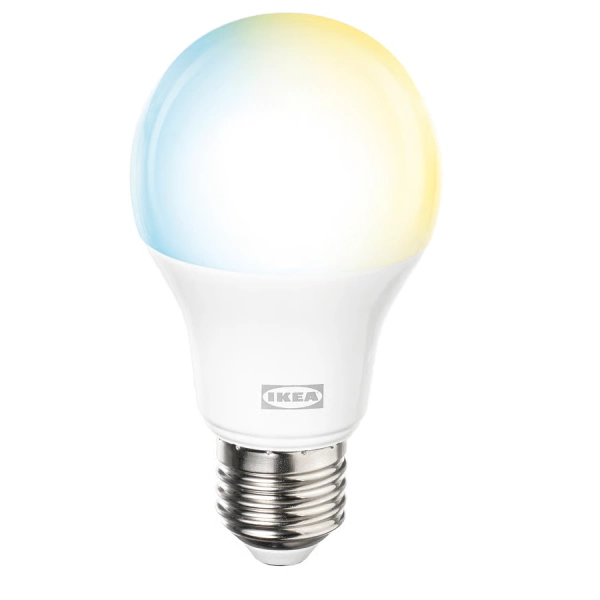
KAJPLATS E27 WS globe 1521lm
A high-output Matter-compatible smart LED bulb that delivers 1521 lumens of adjustable white light through a frosted opal globe, making it ideal for large rooms and bright everyday illumination.
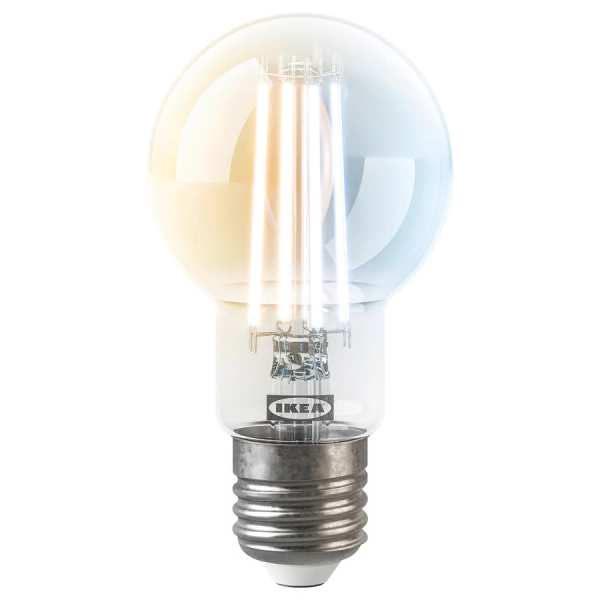
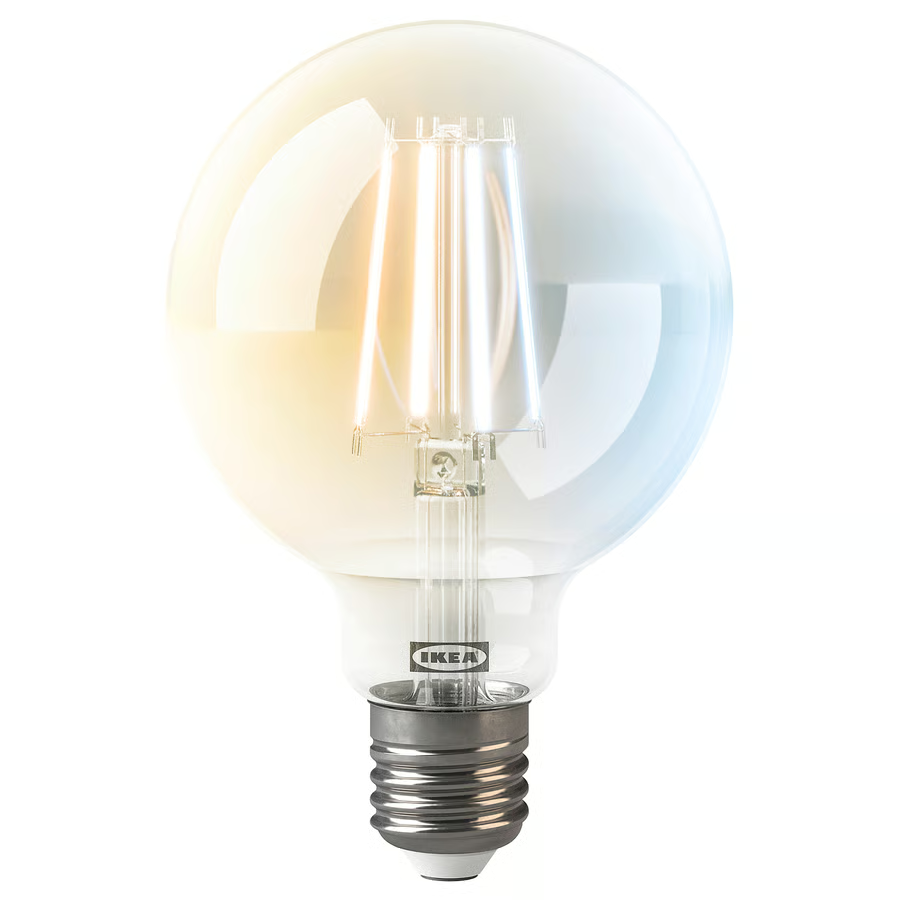
KAJPLATS E27 WS G60 clear 470lm
A decorative smart globe bulb with a clear finish, adjustable white light spectrum, and Matter compatibility, ideal for exposed fixtures, accent lighting, and creating the right atmosphere throughout the day.
A handful of B22 bulbs were displayed elsewhere, but these were dumb bulbs – not even TRADFRI (IKEA’s previous range of smart bulbs, which support Zigbee for smart home communication, but for compatibility, the KAJPLATS also have a Zigbee mode).
So, I struck up a brief discussion with a nearby sales assistant, who confirmed that there were no bayonet bulbs in the KAJPLATS range. I later further confirmed this on the IKEA UK website, where I found just TRADFRI bulbs and SOLHETTA dimmable bulbs. (I have also checked the IKEA Australia site, with similar results.)
Fortunately, IKEA has a device called KOPPLA, which it sells in pairs. These are B22 to E27 adapters, which make it possible to install a screw bulb into a bayonet attachment.
Bayonet vs. screw (B22 vs E27)
The bayonet attachment, latterly designated B22 (“Bayonet, 22mm”), dates from around 1878 and was invented by a British inventor, St. George Lane Fox-Pitt. (It is also known as the “Swan socket” because English inventor Joseph Wilson Swan held patents for the incandescent bulb.)
It mirrors the pair of L-shaped slots on a rifle’s bayonet mount, hence the name. Consequently, the attachment was used across Britain and its territories at the time: Australia, New Zealand, and India, although curiously, Canada chose to align with the USA and use the E27 attachment.

Invented by Thomas Edison, the screw-attachment is used with multiple bulb sizes. Whereas smaller bayonet attachments have been attempted, they haven’t really caught on (there is a certain amount of pressure required to attach one, and smaller bulbs have been easy to break).
With the Edison screw, bulbs are available in a range of sizes, designated in millimeters. E26 is the most common in the USA, whereas E27 is more common in Europe, where IKEA is based. (E12, E14, E17, and E39/40 options are also available.)
The E27 and other Edison bulb designations date from Germany (the Weimar Republic) in around 1925. Meanwhile, B22 was designated post-War. Both have been standardized and adopted by the International Electrotechnical Commission (IEC).
You’re going to need a new lamp
Estimations put IKEA’s contribution in the UK lightbulb market at 10%. That makes it one of the single most significant suppliers, behind DIY specialists B&Q, Amazon, and the supermarkets. But if you’re fitting out a new home or redecorating, the choice is typically between B&Q and IKEA, and that’s going to now come with an extra layer of decision-making, especially if you want to connect smart bulbs to your IKEA DIRIGERA smart home controller.
By phasing out sales of B22 bayonet attachment bulbs, IKEA can ensure its supply chain is streamlined, so from that point of view, it makes good sense. But it does now mean that buying bulbs and smart bulbs from IKEA can mean buying new light fittings with the E27 screw-attachment – or at the very least, some KOPPLA adapters.
The irony of all this, of course, is that it will inevitably result in old bayonet lamps going to landfill – an outcome that Matter was specifically conceived to mitigate and even reduce.
(Matter Alpha has reached out to IKEA for comment.)