Matter has long supported NFC as a convenient alternative to scanning QR codes, but the actual setup process still depended on Bluetooth to establish a connection and transfer data. That is about to change with Matter 1.5 and supporting chip vendors.
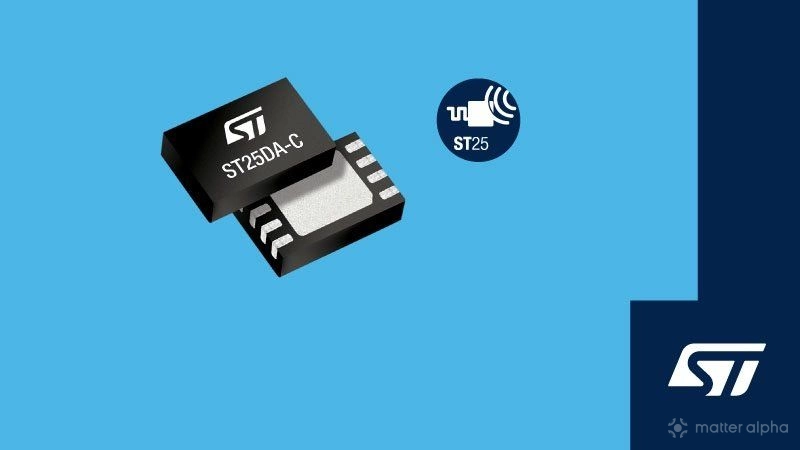
STMicroelectronics recently released the ST25DA-C, so-claimed the first secure NFC device compatible with the “NFC Transport Layer” in the new Matter 1.5 standard. This hardware upgrade paves the way for a setup process that happens entirely over the near-field connection, potentially removing the need for Bluetooth hardware in the commissioning phase.
Here are some key facts about the chip and how NFC works with Matter till the latest 1.5 spec.
ST25DA-C capabilities
The new chipset is a secure NFC tag designed specifically to handle the sensitive process of adding a device to a Matter network. It acts as a dedicated security companion that works alongside a device’s main processor, such as the Silicon Labs MG26. This integration allows the ST25DA-C to handle the initial setup and security handshake, freeing up the main processor for day-to-day operations.
One of its key features is flexibility in how it receives power. The chip can operate using the device’s internal battery, but it can also source energy directly from the radio field of the smartphone tapping it. This allows the chip to exchange data even if the smart device is unplugged or sitting on a shelf without active power. It can be helpful for devices such as wall switches and lighting fixtures, and it makes setting up multiple Matter devices easier.
For security, the chipset includes dedicated storage for the digital certificates and keys required for Matter setup. Instead of relying on general memory, it uses secure storage allocated specifically for these credentials. It also features built-in tools to verify digital signatures, ensuring that the device authentication process is fast, secure, and resistant to tampering.
State of NFC in Matter
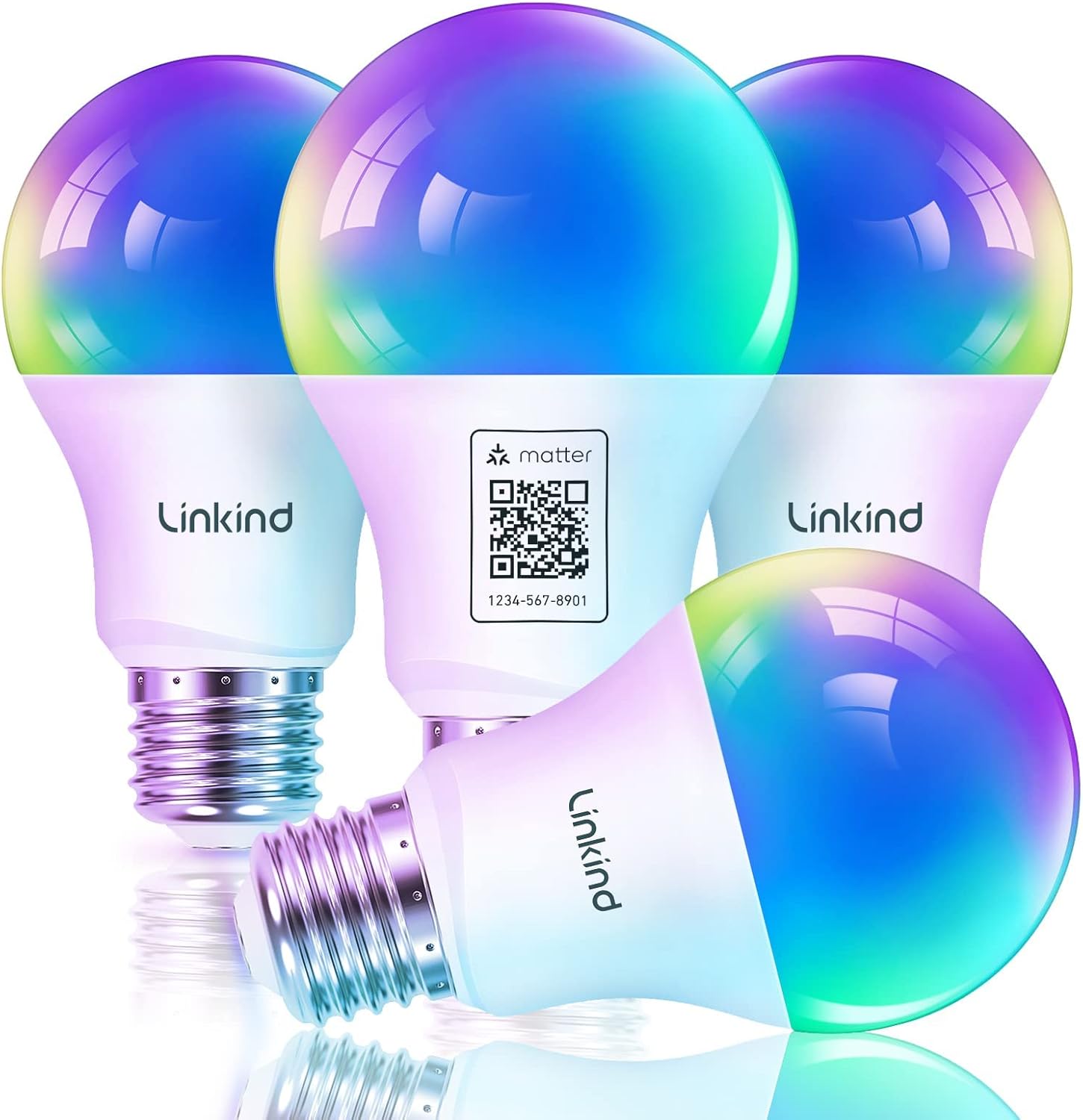
Matter introduced basic NFC support in version 1.4.1, but it was limited. It allowed NFC tags to contain the same setup information as standard QR codes, serving only as a quicker alternative to scanning a visual code or typing a number. The actual setup process still relied on Bluetooth or Wi-Fi to find the device and exchange data.
The new addition of the NTL extends this capability to potentially replace Bluetooth entirely. It combines finding the device and setting it up into a single touch interaction. This creates a true “tap-to-add” experience that is much smoother for users. However, this feature is currently labelled as “Provisional” in the Matter specification. This means it is not yet available for companies to officially certify in commercial devices, though it is expected to be fully supported in the upcoming Matter 1.5.1 update.
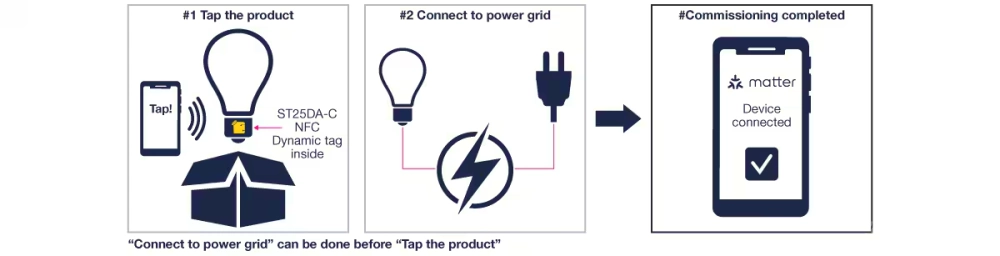
Future NFC setup in Matter allows you to bring a new device onto a network simply by tapping a phone against the product. This method uses NTL to transfer setup messages securely over a short-range wireless connection. This is different from just reading a static tag because it involves an active two-way conversation between the phone and the new device.
A major advantage of this method is that it works even if the new device is not plugged in. The device can power itself using energy from the phone’s NFC signal to run its initial setup. However, the device must eventually be powered on to switch to the main network, such as Wi-Fi or Thread, to complete the process.
From the user perspective, the interaction is simple: Tap, Power up, and Use. To find a new device, the user brings their phone close to the target hardware. This physical tap detects the device and triggers the setup sequence without requiring the user to scan a QR code or manually enter a pairing code.
Security and backups
To ensure safety, the Matter specification requires that the NFC setup point is not reachable while the device is still inside its retail packaging. This prevents accidental or malicious setup attempts while products are sitting on store shelves or during shipping. Furthermore, the technology is designed as a convenience rather than a roadblock. If a user’s smartphone does not support NFC or the feature is disabled, device vendors are still required to provide the standard QR code and numeric pairing code as fail-safe alternative setup methods, according to the Matter spec.
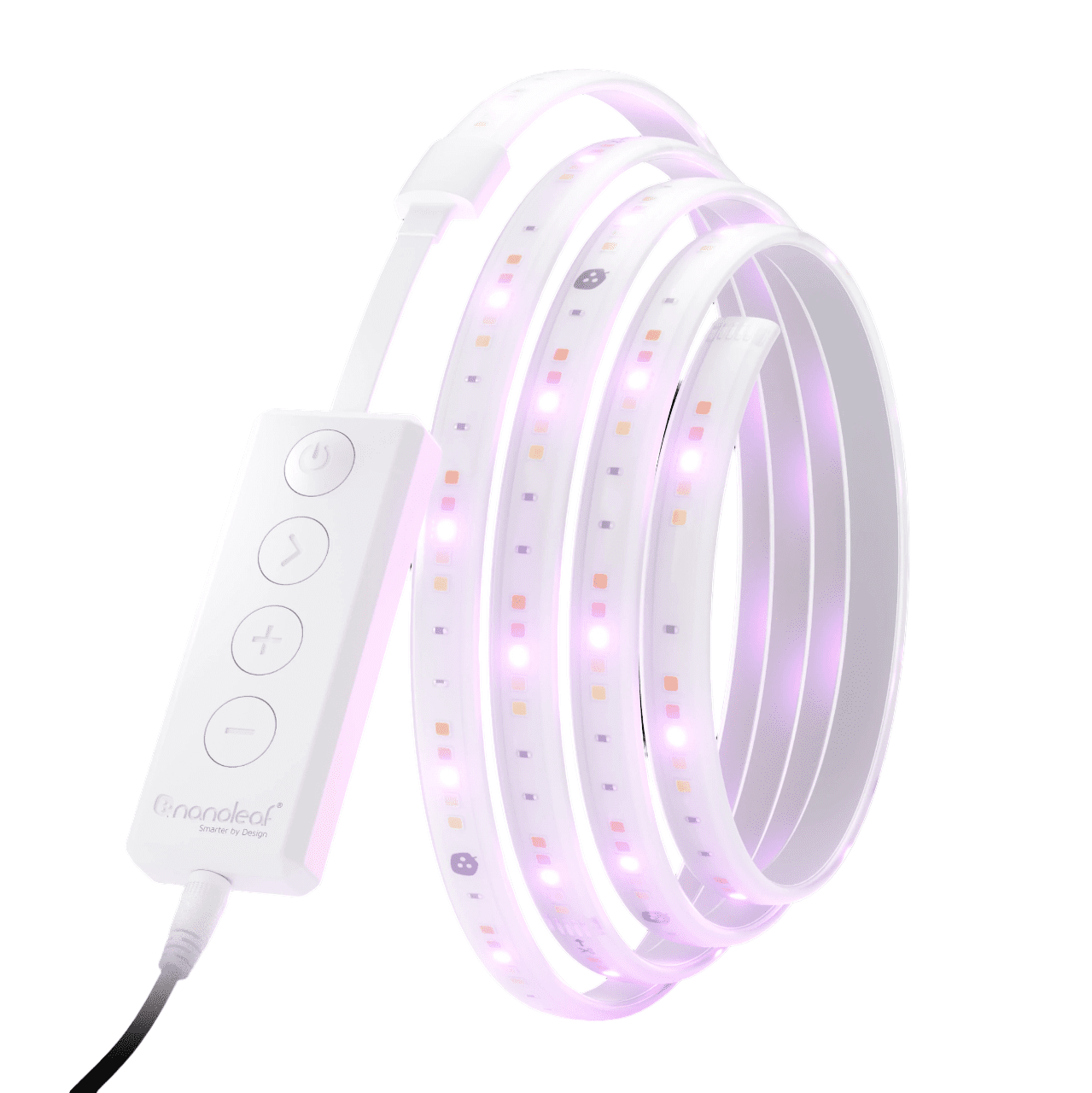
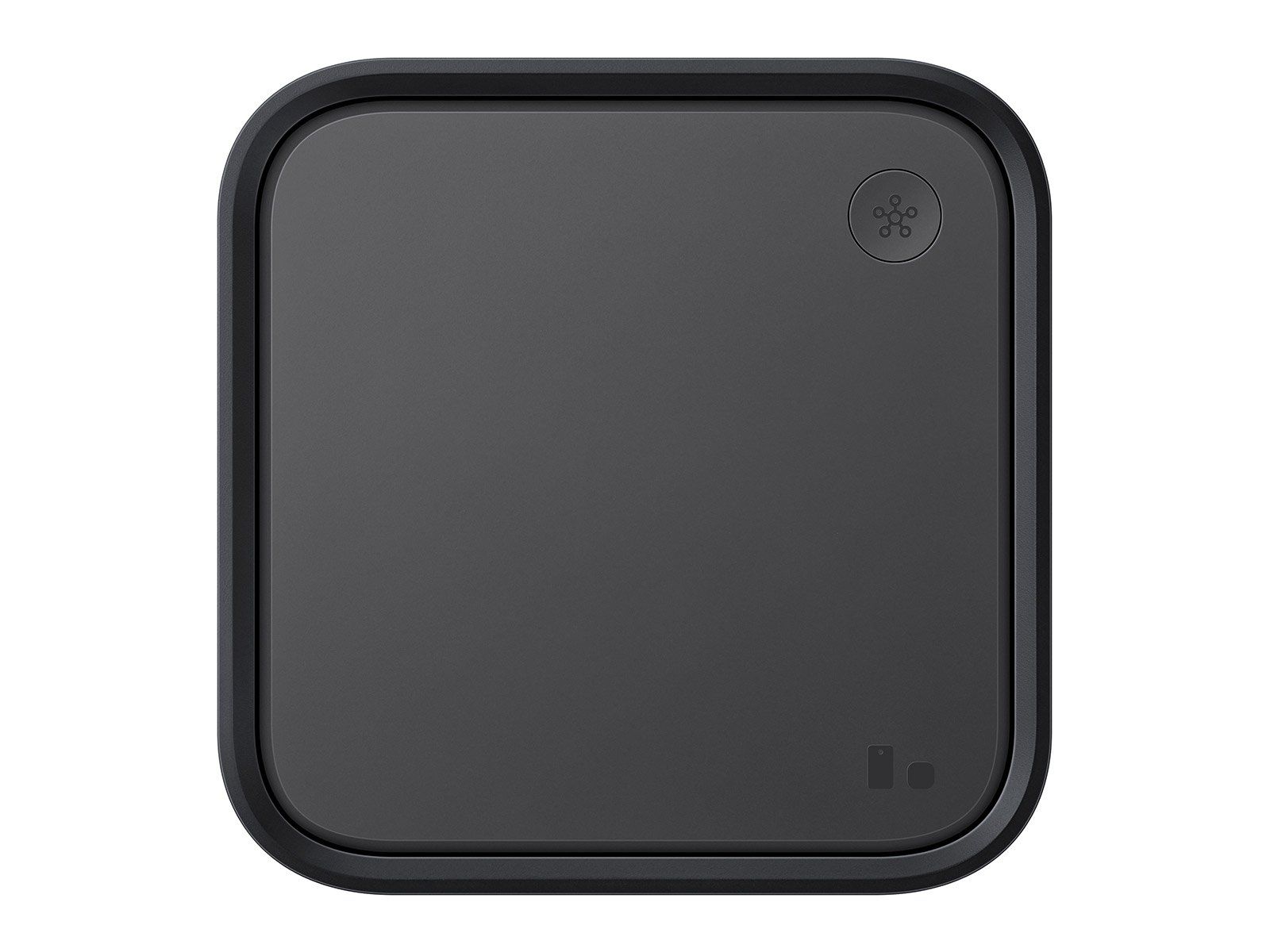
Considering Aqara recently posted about NFC and Matter news on the social media X, they are likely to use this feature in future devices. Another possible vendor is Nanoleaf, which has a long history to use NFC for HomeKit setups. As of ecosystems, SmartThings and Apple have added basic support for NFC setups, so we may expect them to be the first to support the addition of NTL in Matter 1.5.x.
As of press time, the CSA has yet to respond to requests for comments regarding these new NFC capabilities and availability for certification.
(Source: CSA, STMicroelectronics; Image Source: STMicroelectronics)