ESPHome released its 2026.11 monthly update, introducing two key features that push open smart home protocols further: experimental OpenThread Border Router (OTBR) support on ESP32 and USB Audio Class hosting paired with new Sendspin source streaming.
These major additions lower the hardware barrier for building local, open-standard smart home infrastructure. Instead of waiting on commercial vendors to update proprietary hubs or lock multi-room audio into closed ecosystems, users can now deploy current Thread networking and synchronized audio on inexpensive, open options.
Open audio with USB and Sendspin
ESPHome 2026.11 adds a USB Audio Class host component for ESP32 chips with USB OTG, including the ESP32-S2, ESP32-S3, ESP32-S31, ESP32-P4, and ESP32-H4. It supports hot-plugging standard USB sound cards, DACs, microphones, and capture devices for both playback and audio input.
Alongside USB audio, the Sendspin protocol gains a source role in this release, allowing an ESPHome node to stream captured audio directly to a Music Assistant server. Combining the two makes it much easier to bring physical media players, such as a CD player or a turntable, into a synchronized whole-home audio setup using only open standards.
Turning ESP32 boards into Thread border routers
ESPHome has supported OpenThread for device connectivity and OTA updates for some time, and the 2026.11 release takes the next step by adding experimental OTBR support on ESP32 using ESP-IDF 5.5.5 or newer with IPv6 enabled.
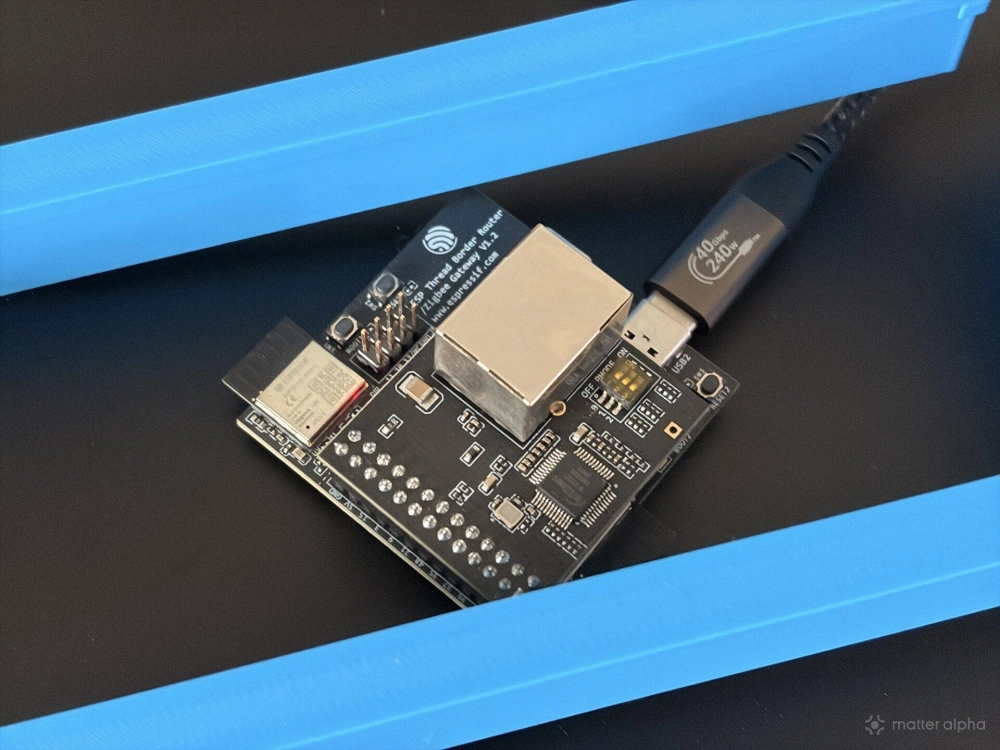
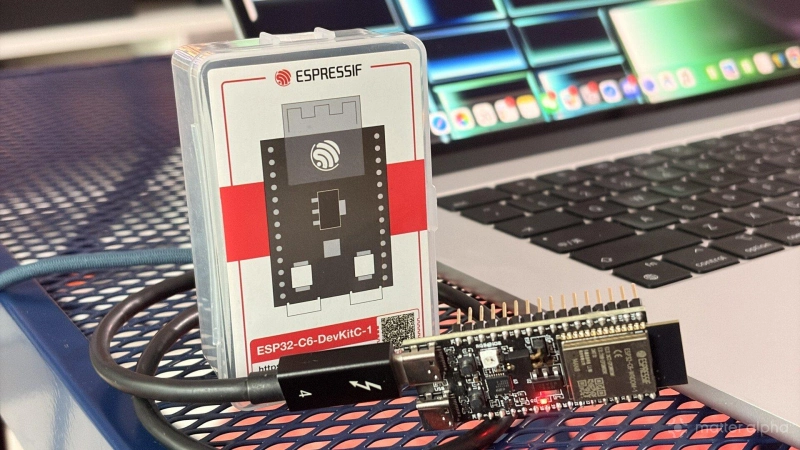
The update supports flexible hardware combinations. You can run a single-SoC border router on an ESP32-C5 or ESP32-C6 board, such as the Seeed Studio XIAO ESP32-C5. Alternatively, a host chip like the ESP32-S3 can pair over UART with an external OpenThread Radio Co-Processor (RCP), including an ESP32-H2, Nordic (nRF), or Silicon Labs chip. The official Espressif OTBR kit is also a great option. Ethernet is supported alongside Wi-Fi and can be prioritized for a wired backhaul.
Community-maintained OTBR firmware offers a faster path to adopting newer Thread specs. Commercial smart home brands often take years to roll out updates, leaving many users waiting for Thread 1.4 even as Thread 2.0 approaches. Running OTBR on ESPHome lets the open-source community keep pace with the latest spec directly.
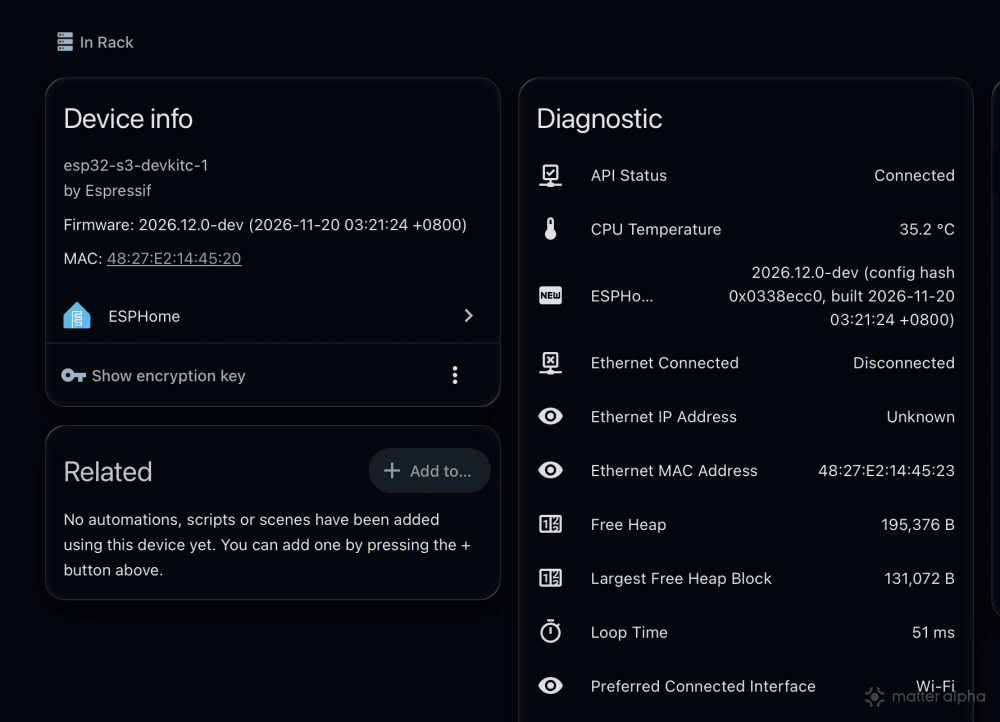
In hands-on testing, both a standard ESP32-C6 dev board and an ESP32-S3 paired with an ESP32-H2 ran the new OTBR component reliably and passed extra diagnostic information into Home Assistant through the ESPHome integration.
The demo configurations used in testing are available on GitHub. And Home Assistant is not required to deploy the feature, as ESPHome operates as a standalone platform and these DIY border routers can be used by ecosystems such as Google Home to onboard new Thread devices with credentials ported.
Early limitations and credential sharing
The implementation is still experimental, it currently lacks some standard OTBR features, including a REST API and a web console. The component appears to be built on a minimized core of Espressif’s OTBR SDK.
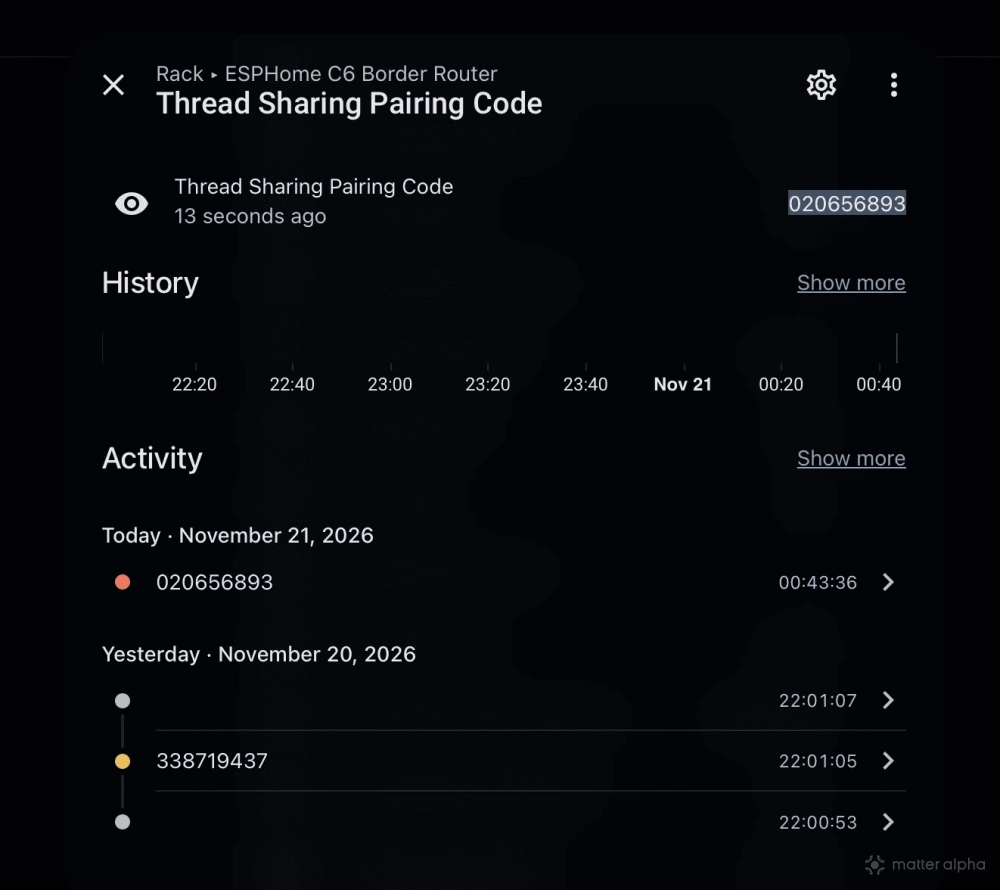
Single board options with Wi-Fi 2.4GHz connection would compromise in performance as both Wi-Fi and Thread use the same antenna. But C5 with 5GHz Wi-Fi or Ethernet options would bypass this limitation.
Thread credential sharing is also missing from ESPHome at the moment. However, my early testing to build a simple fork showed that the feature can be added to an ESPHome-based OTBR. So hopefully a future version would add the key feature.
Foundation’s push against proprietary walls
The 2026.11 update reflects the strategy of the Open Home Foundation (OHF), the nonprofit organization behind Home Assistant, ESPHome, and Sendspin. Rather than building closed ecosystems that lock users into specific brands or cloud subscriptions, OHF focuses on funding and maintaining open-source software centered on local control, privacy,and interoperability.
By bringing open protocols like OpenThread, USB Audio Class, and Sendspin to affordable off-the-shelf microcontrollers, OHF is steadily breaking down proprietary walls in both smart home networking and whole-home audio.
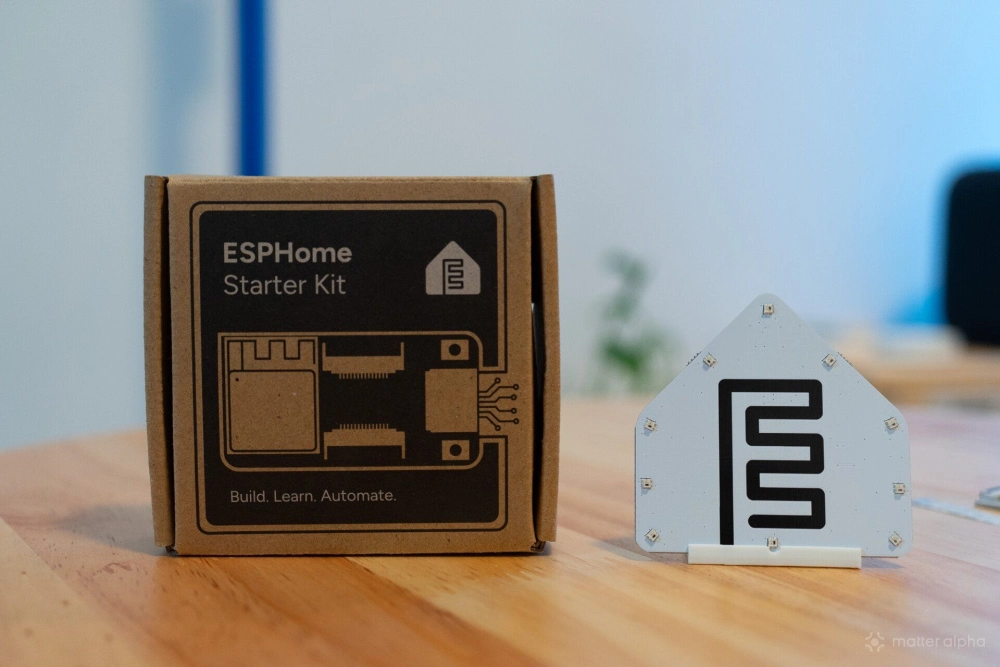
The version is now available for general users. Update your ESPHome Firmware Builder to explore all the new features. If you are very new to ESPHome and not sure where to start, try the official Starter Kit made by Apollo Automation. The kit comes with a ESP32-C6 in core that works with the OpenThread features.
(Source: ESPHome; Image: Matter Alpha/Ward Zhou)