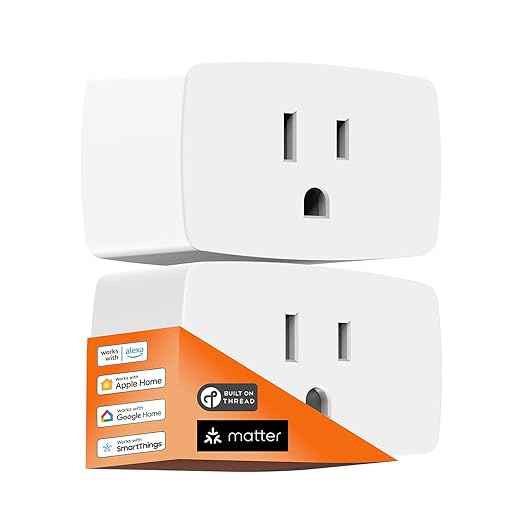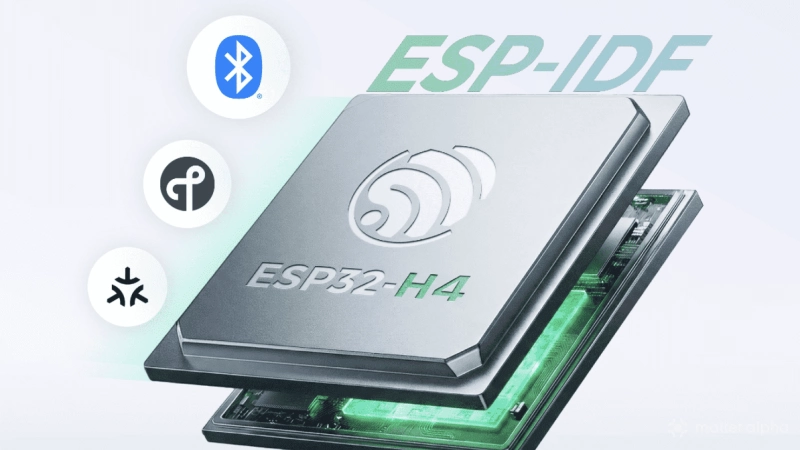
Community trending chipset maker Espressif released two more chipsets for Matter and Thread with upgraded connectivity, on-chip resources, and optimal power consumption.
The fast pace of releases brings the firm further into the smart home industry; Espressif has been highly popular within the Matter ecosystem. Many hardware firms previously adopting ESP32 chipsets kept the option for Matter over Wi-Fi. Now, we see more device makers are tempted by Thread and the multi-protocol options provided by Espressif.
Let us take a look at the new hardware options and the next major SDK version from the firm.
ESP32-S31 brings Wi-Fi 6 and rich media
The ESP32-S31 is a chipset that delivers better multi-protocol connectivity. It combines Wi-Fi 6 in the 2.4 GHz band, Bluetooth 5.4, and a radio that enables Thread and Zigbee protocols. Wi-Fi 6 is a significant feature for Matter because it reduces network jamming and improves transmission efficiency compared with older Wi-Fi 4 standards.
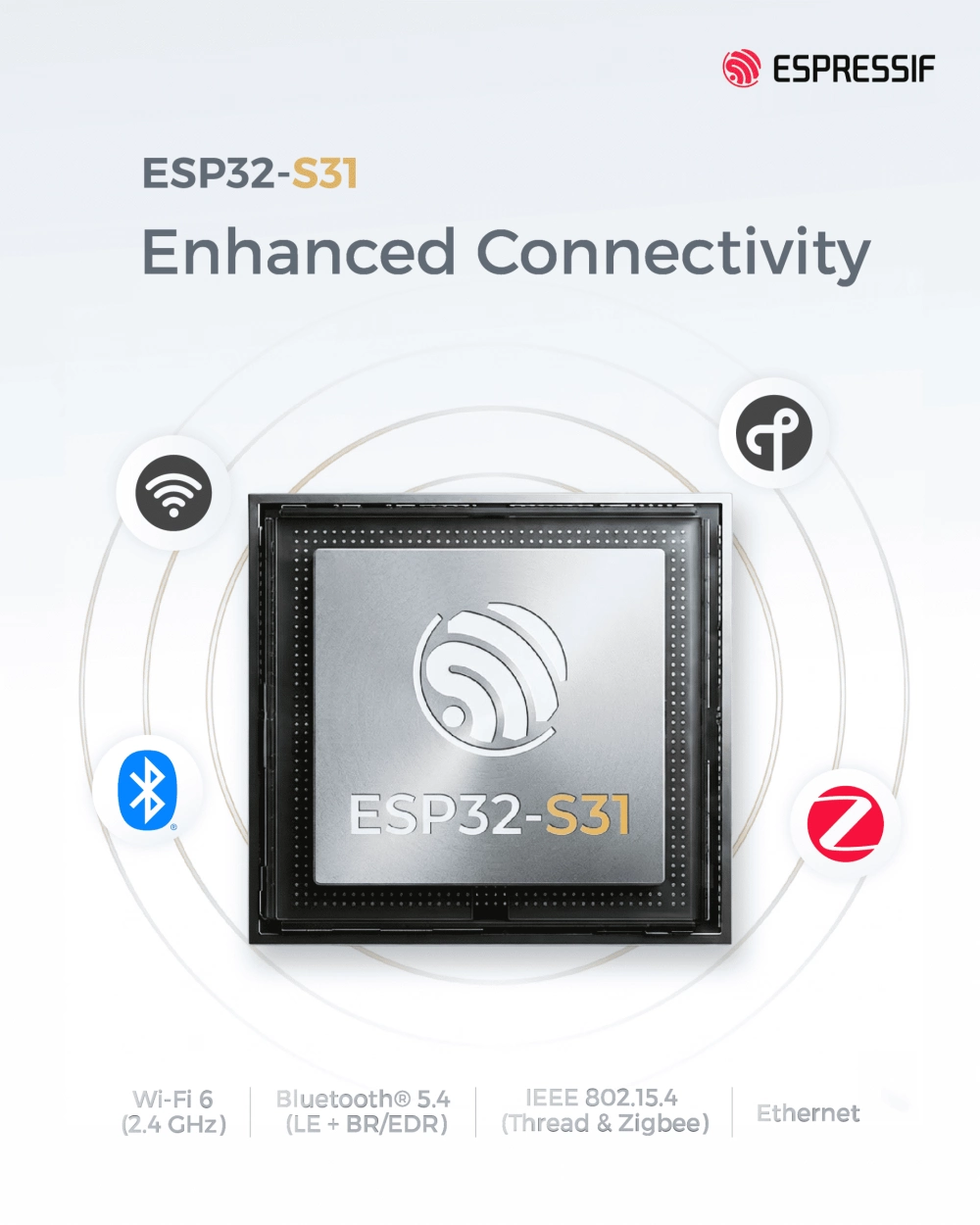
Under the hood, the chip features a dual-core 32-bit RISC-V microcontroller running at 320 MHz, which is a noticeable upgrade as they use 240 MHz dual-core for the original ESP32-S3. This processing power makes it highly capable of handling heavier computing workloads.
It also introduces new Bluetooth Low Energy audio support for high-quality wireless streaming. The ESP32-S31 can easily power complex audio devices, process camera feeds, and drive versatile display screens for smart home hubs and consumer appliances.
ESP32-H4 focuses on low power
Catering to the increasing demands for low-power wireless devices, Espressif also introduced the ESP32-H4. Following the announcement of H21 earlier this year, this chip is also optimized for long battery life. It features an integrated power converter that reduces supply voltage and minimizes power loss.
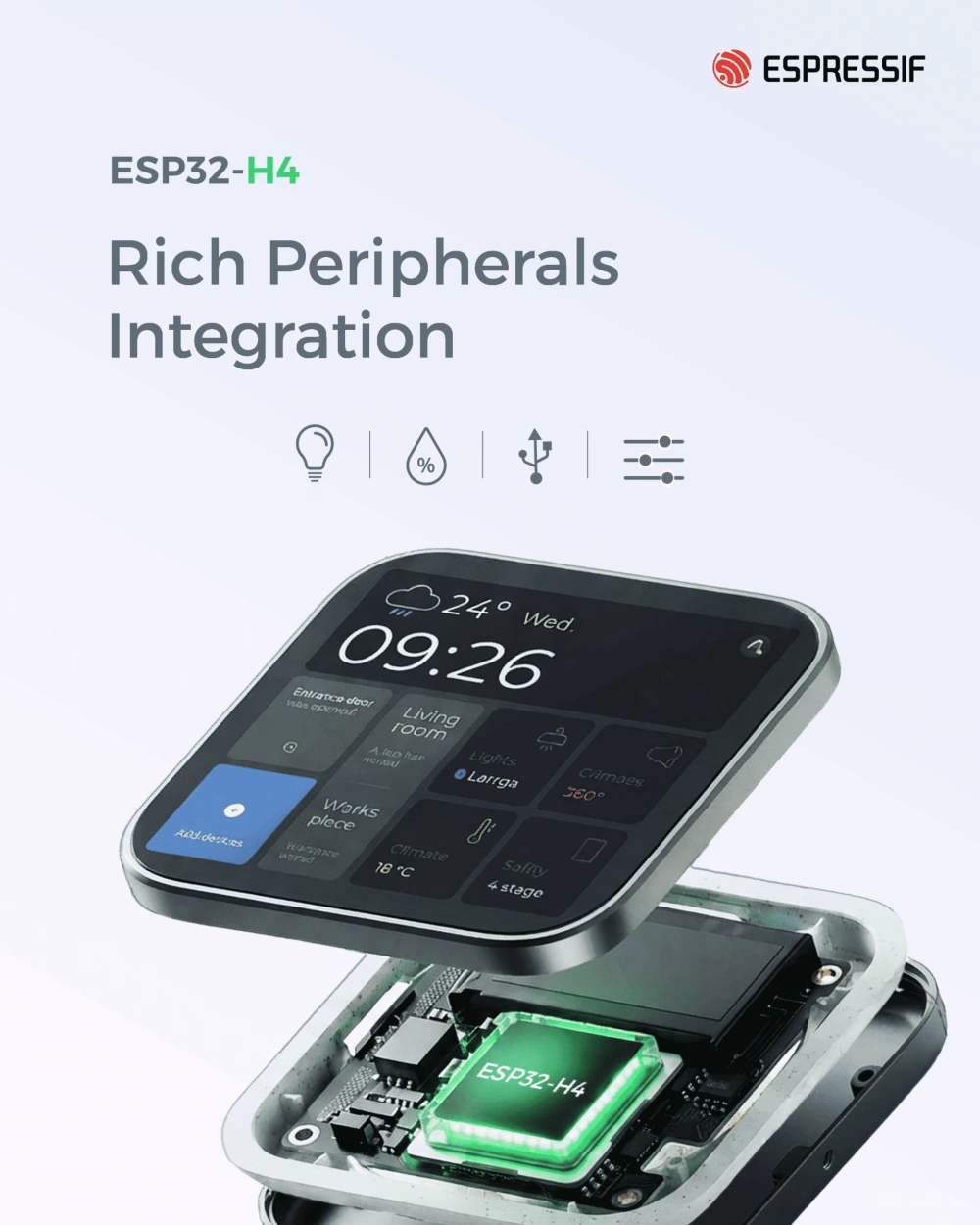
The ESP32-H4 features a dual-core 32-bit RISC-V processor clocked up to 96 MHz. It transitions to Bluetooth 5.4 and includes the essential radio for Thread, making it an ideal solution for battery-powered Matter over Thread devices like remote sensors and wearable electronics. The Bluetooth implementation includes optimizations like supporting network advertising without involving the main processor, which provides significant power savings for devices that must operate for extended periods on compact batteries.
Major software updates in ESP-IDF 6.0
Alongside the new hardware, Espressif released the next major version of its official development framework, the ESP-IDF 6.0. The update introduces improvements across the full development workflow.
One of the most notable changes is that the “Picolibc” library replaces “Newlib” as the standard C library, resulting in smaller and faster code for most applications. Security is also a major focus, with the framework upgrading to a new cryptography application programming interface and phasing out legacy security libraries.
ESP-IDF 6.0 introduces a Model Context Protocol (MCP) server for seamless integration with AI development tools. The new IDF also expands its Wi-Fi capabilities, adding proximity-based service discovery and a WPA3 compatibility mode for better network performance and security.
Hardware support has been extended in this release as well. The ESP32-C5 and ESP32-C61 have graduated from preview to full support, while the ESP32-H21 and ESP32-H4 are now available with preview support. ESP-IDF is the core dependency for many popular community projects like Tasmota and ESPHome. With these new SDK improvements, more ESP boards, such as the compact SEEED XIAO C5, can be reliably used to build DIY Matter gadgets or run custom lighting projects in the near future.
(Source: Espressif; Image: Espressif)