Your smart home is already becoming more expensive, and the growing rivalry between the US and China looks set to increase prices further.
You see, it could become more difficult to buy Chinese built technology in the US, following a decision by the Federal Communications Commission. The agency – which oversees digital communication and devices – has voted in favor of advancing a proposal that bans the testing of smart tech for use in the United States.
The US vs. Chinese-built tech
In addition, the FCC has conducted a similar vote to block China Mobile, China Telecom, and China Unicom from operating US-based data centers. Further restrictions “to secure our networks from these bad actors, including limiting their interconnection ability” are also being considered, said FCC Chair Brendan Carr.
This follows the barring of new models of Chinese-built drones, Chinese routers, and blocking Hong Kong-based carrier HKT from operating in the United States.
With various global challenges already impacting the price of technology, these steps seem likely to result in further price rises for smart home owners looking for the latest Matter-compatible hubs, sensors, and automation units.
How smart home tech is affected
As of March 2026, the FCC maintains a “Covered List” of “communications equipment and services [...] that are deemed to pose an unacceptable risk to the national security of the United States.”
On the list are companies such as Huawei and ZTE, both well-known names in the smart technology market. In particular, Huawei has been a significant contributor to Matter, and it looks likely that Huawei bridges and routers with Matter certification will be blocked from sale in the US.
This is clearly a challenge, one that could impact the development of the standard. It is a problem that isn’t only limited to Huawei; ZTE produces Matter enabled routers, and Hikvision and Dahua have developed security cameras with a view to Matter support.
How does the FCC ban affect Matter pricing?
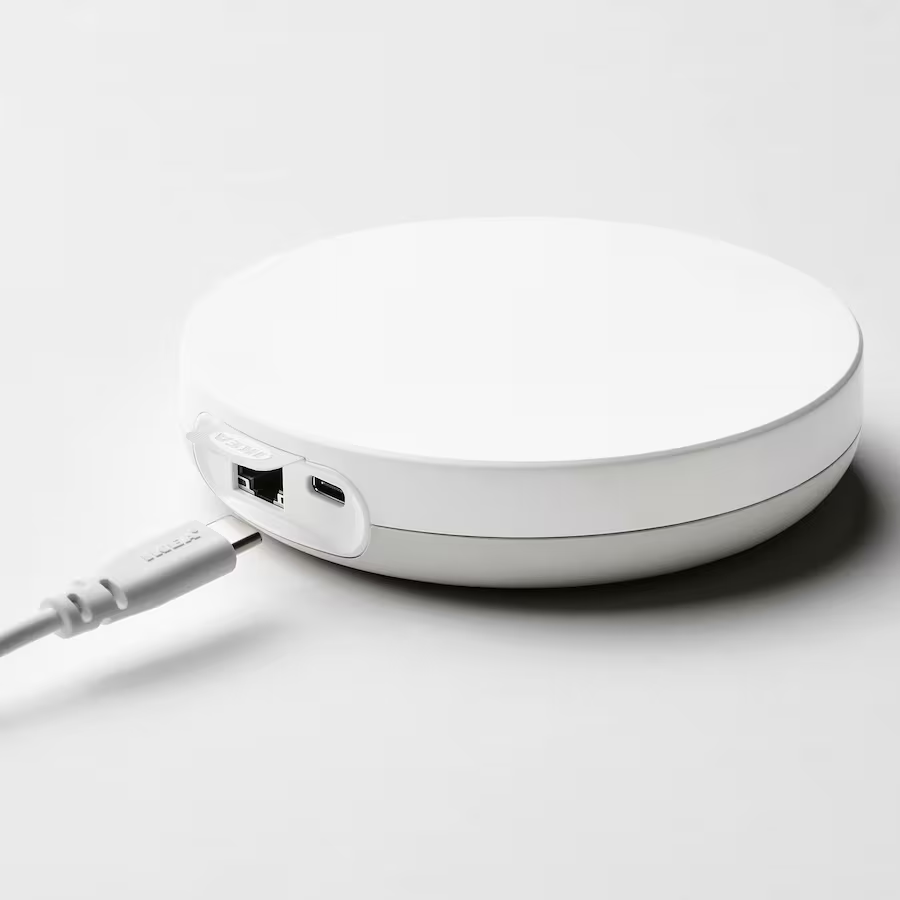
DIRIGERA
A Matter-compatible smart hub that connects and automates IKEA smart devices, enabling flexible control through the IKEA Home smart app, voice assistants, and remote triggers.
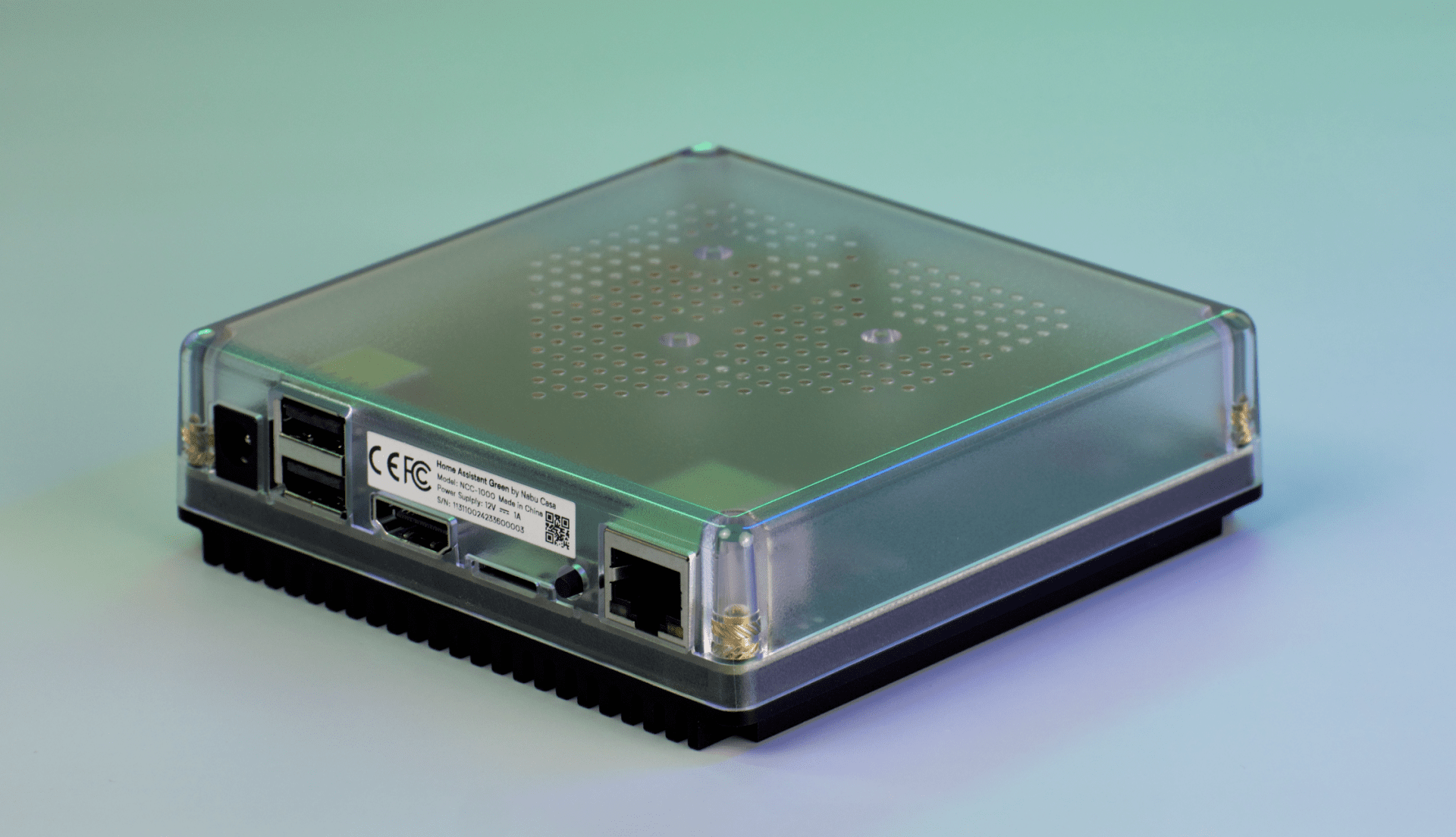
Home Assistant Green
A compact, fanless Home Assistant hub with quad-core processing, 4 GB RAM, 32 GB storage, local data control and Thread USB expandability.
By limiting US market access for Chinese companies, the FCC aims to ensure that manufacturing is moved to the US itself. But the costs involved are being passed onto the consumer, making smart homes (and other tech) more expensive.
For example, analysts have estimated that capital costs of shifting manufacturing from Shenzen to the US could be increased by as much as 20%. Devices that integrate complex radios (e.g. Zigbee, Thread) already meet stricter sourcing requirements to access the US market, which has in part contributed to price rises already seen in recent years.
The price rises for hardware in the US and EU markets have already given smart home builders something to think about. A price rise for the IKEA Dirigera hub and a similar increase for the Home Assistant Green have both made headlines, and if you’re looking at incorporating Matter into your smart home, these devices each represent a key component.
While “Matter tax” – price rises based on more stringent testing and certification – is certainly a consideration, FCC approval of newer devices is slowing down their release. The result: hardware that is noticeably more expensive than the device(s) it is designed to replace, and an increase in demand for the older devices, which sends their prices up.
The reshaping of the supply chain (whether tariffs or transport), increases in RAM prices, and the US government’s new taste for over-regulation are all contributing to a more expensive smart home, and if you’re building for Matter, that’s going to hit you in the wallet.