The Connectivity Standards Alliance (CSA) and the OpenADR Alliance have today signed a formal liaison agreement to connect Matter-based home energy devices with utility and grid systems. The agreement is meant to help their mutual members build grid-connected residential energy management, using Matter for the in-home smart device layer and OpenADR for communication with utilities and grid operators.
This is not the first effort to connect OpenADR with Matter. In 2025, geo has proposed an open specification for translating OpenADR grid signals into Matter device actions. The new agreement is broader in scope, moving the work from a company-led bridge proposal to a formal liaison between CSA and the OpenADR Alliance.
That gives Matter setups a better way to make local decisions, such as estimating operating costs, considering carbon impact, or adjusting device behavior around user preferences and tariff schedules. But to fully use these Matter 1.5 features, the smart home also needs a standard way to receive signals from outside the home. That is the gap OpenADR is meant to fill.
Connect Matter with the grid
As homes add more high-draw devices, utilities need better ways to manage demand. EV chargers, heat pumps, solar installations, and home batteries can all affect the grid at scale. Renewable energy adds another challenge, because power availability and carbon intensity can shift throughout the day.
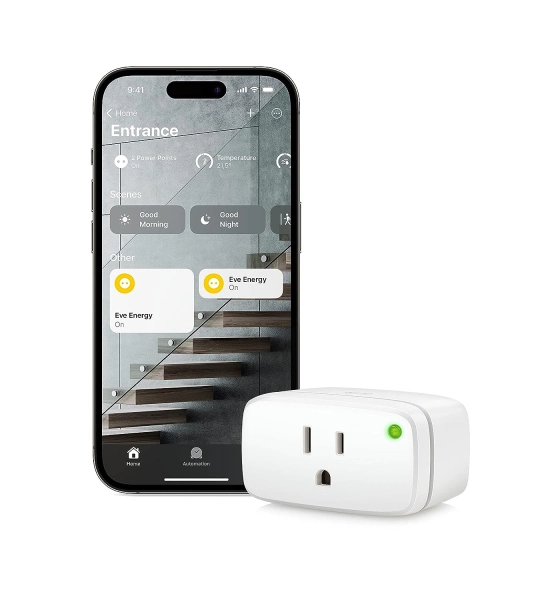
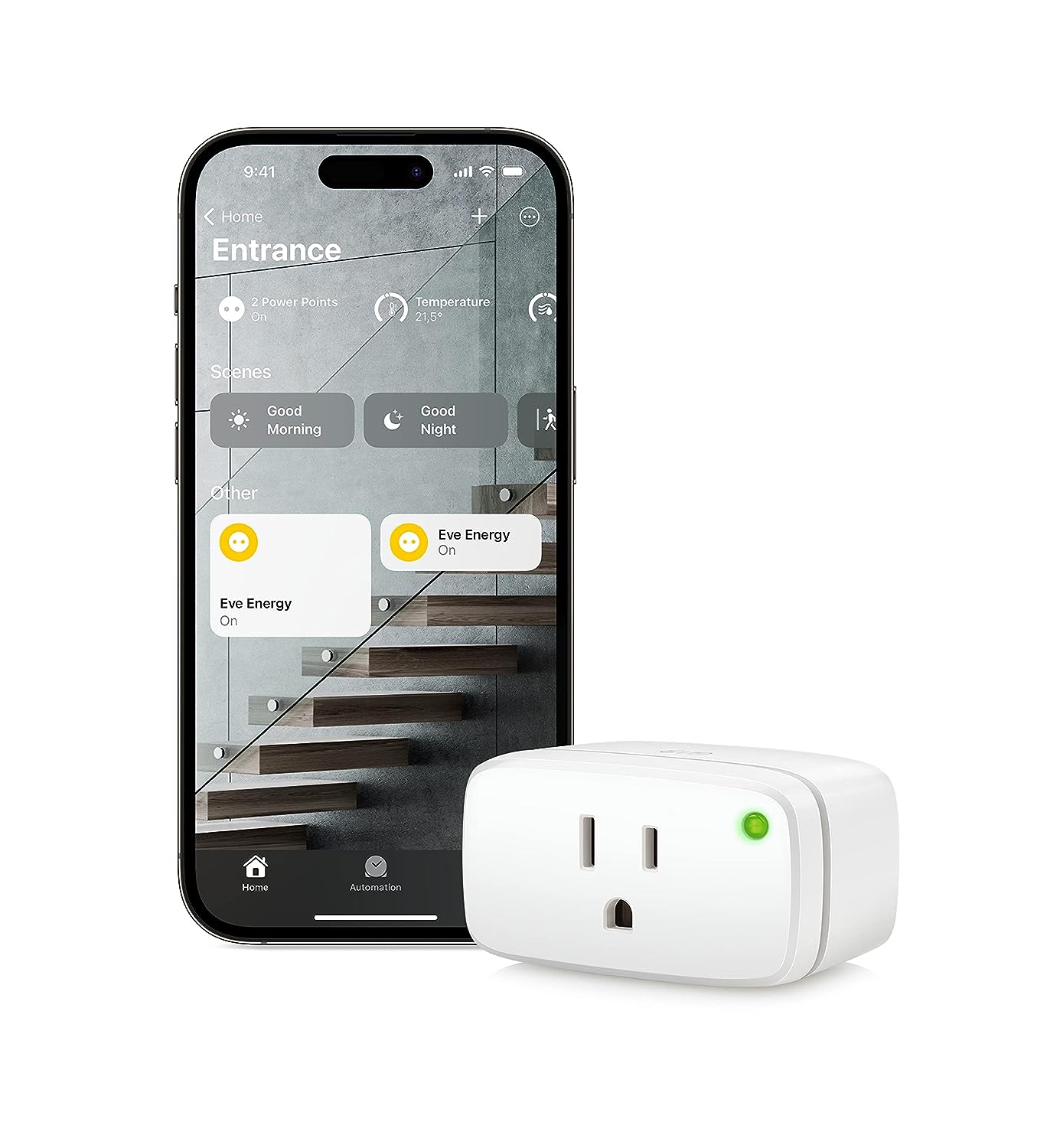
Eve Energy
Eve Energy is a smart plug that allows you to control your home appliances with your voice or an app, supports Matter for cross-platform control, ensures privacy with local connectivity, and enhances your smart home network's stability and reach with cutting-edge Thread technology.
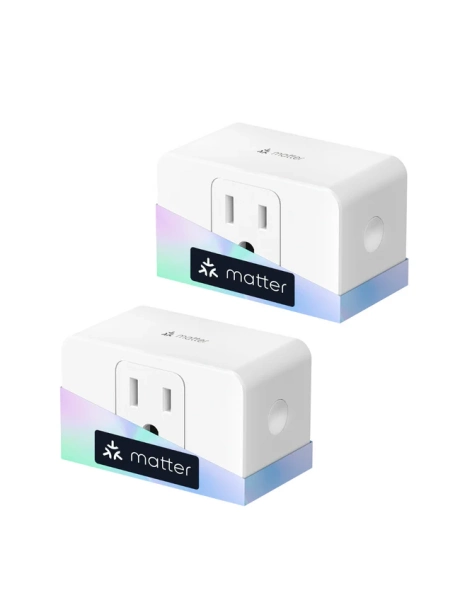
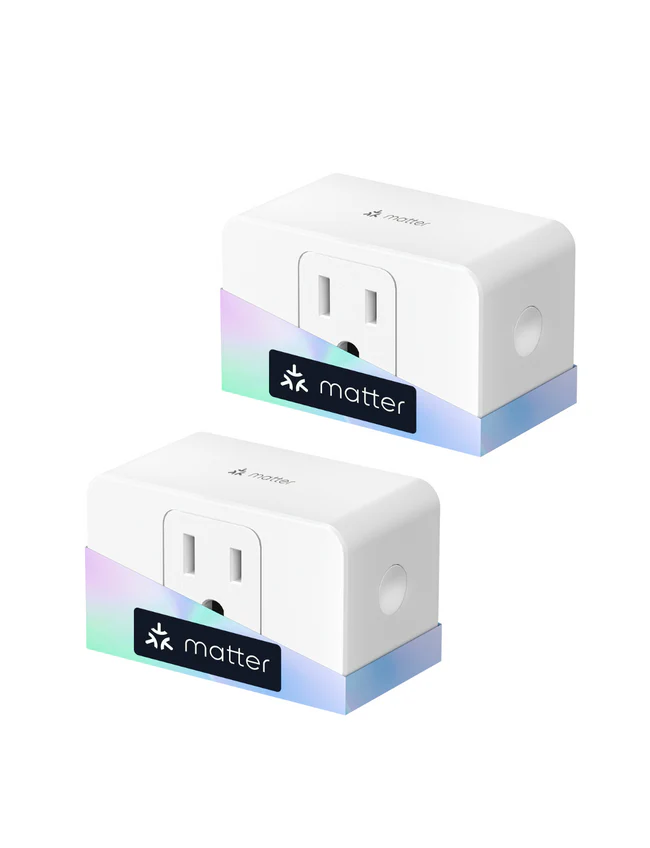
Meross MSS315 Matter Smart Wi-Fi Plug Mini
The MSS315 Smart Plug Mini by Meross is a compact on/off plug-in unit designed to work with the Matter protocol, ensuring compatibility with a variety of smart home systems when connected to a 2.4GHz Wi-Fi network.
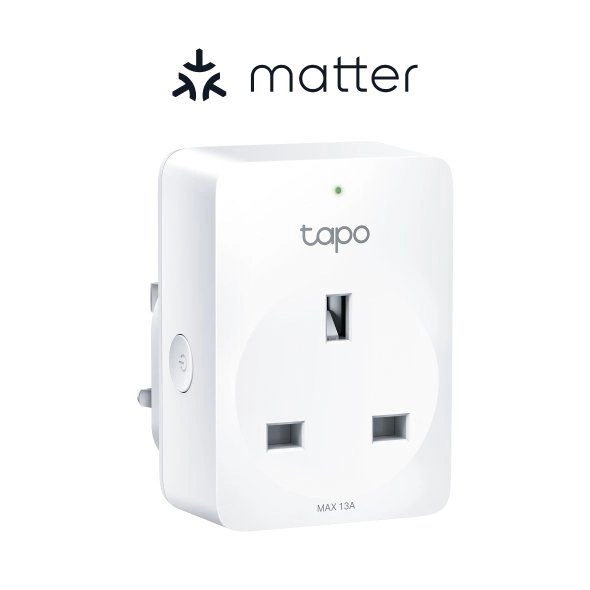
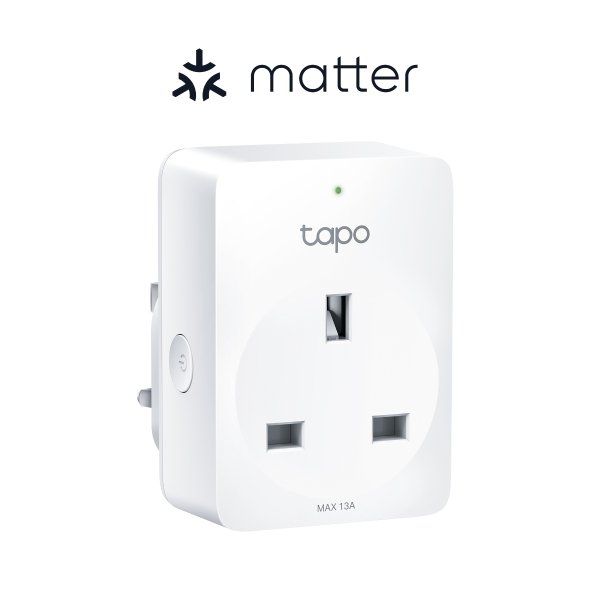
Tapo Smart Plug, Energy Monitoring P110M
The Tapo Smart Plug P110M is a Matter-compatible on/off plug-in unit that offers precise energy consumption tracking to 0.001 kWh, with an updated energy monitoring dashboard and customizable power protection settings.
Before this alignment, the path from smart home device to utility system was fragmented. Matter could define how a device behaves inside the home, while OpenADR could support demand response and distributed energy coordination. Manufacturers still needed a clearer bridge between the two.
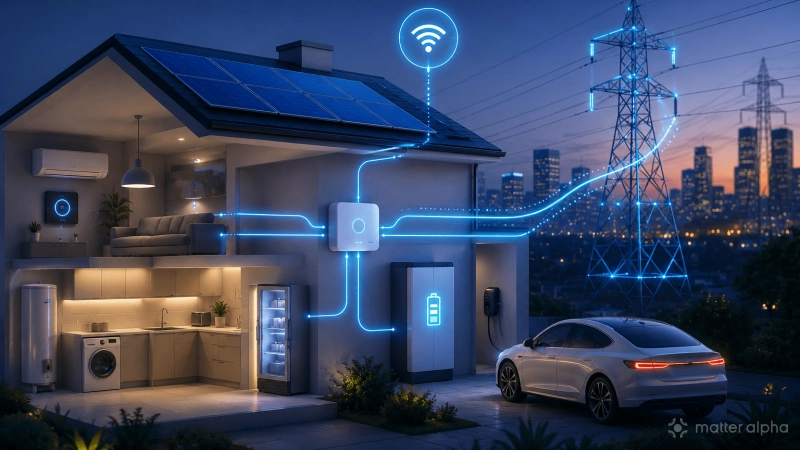
Matter handles in-home communication between appliances and an energy gateway. OpenADR 3 handles communication between that gateway, utilities, and grid operators. Together, they can create an end-to-end path from the grid to the device.
In practice, Matter does not need to become a utility protocol. OpenADR does not need to define every smart home device. A gateway can sit between them, using OpenADR for the grid-facing side and Matter for the local device layer.
Why this matters for Matter 1.5
The timing matters because Matter has been moving deeper into energy management. Matter 1.3 gave the smart home a stronger foundation for native energy reporting, allowing supported devices to expose power and energy data in a standardized way. It also brought categories such as EV chargers, air conditioners, and appliances into a clearer smart home model, while CSA framed the release as a step toward future support for heat pumps, solar, batteries, and water heaters.
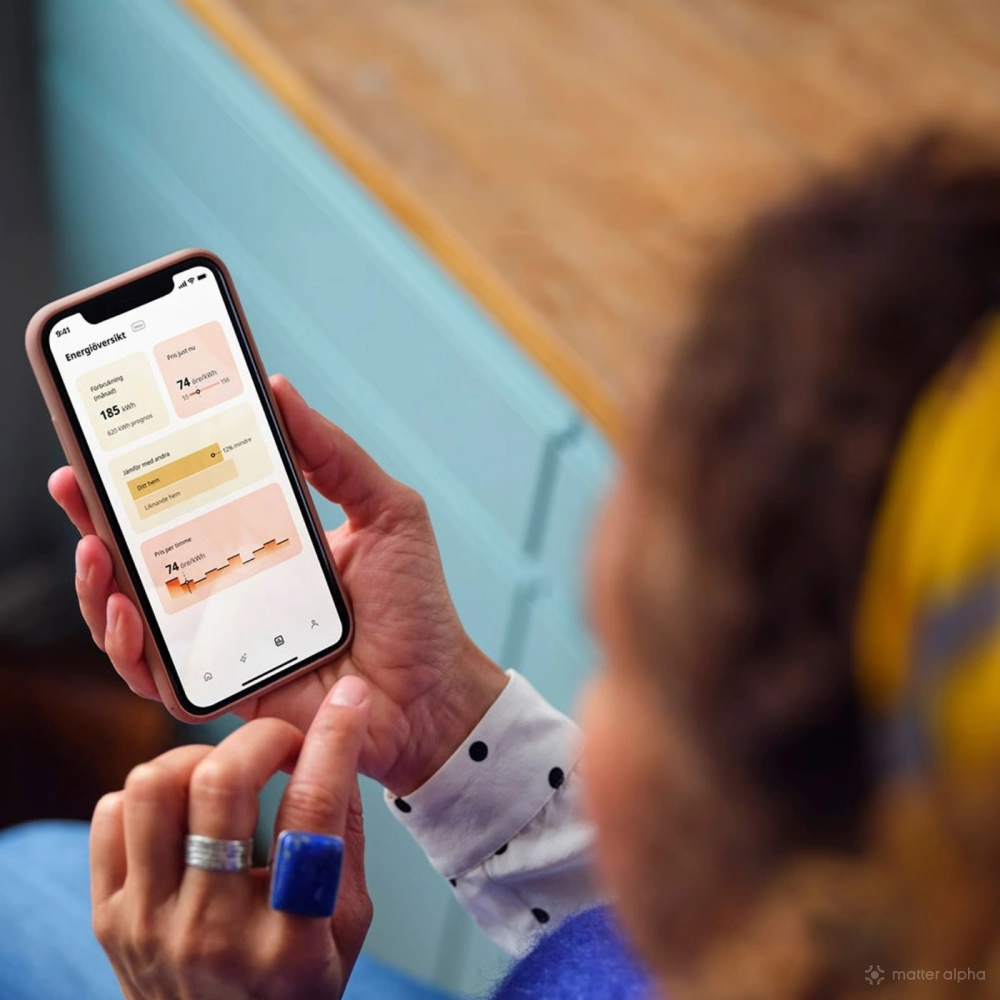
Matter 1.5 pushed that work further with more advanced energy-management features. The update added standardized information for pricing, tariffs, grid carbon intensity, metering, power limits, and improved EV charging support. Its new Electrical Energy Tariff device type allows real-time and forecasted pricing, tariff, and carbon data from utilities, grid operators, and energy services to be shared with devices in a Matter-defined way.
Enhanced metering support can handle complex tariffs and historical usage data. Matter 1.5 also adds ways for utilities to communicate grid connection details and power limits, while EV charging enhancements bring state-of-charge reporting and bidirectional charging into the certifiable Matter scope.
This gives Matter’s advanced energy-management features a more realistic path into utility programs, instead of leaving them as local reporting and automation features only.
What this means for users and manufacturers
For users, the immediate impact will likely be limited. Most Matter devices today still focus on local control, platform compatibility, and basic energy reporting.
Over time, this could make energy automations more useful. A home could delay EV charging when demand is high, run a heat pump when electricity is cheaper or cleaner, or adjust a battery based on grid conditions. Some users could also receive bill credits or incentives for allowing devices to respond within agreed limits.
For manufacturers (especially for Matter controller makers), a defined Matter-to-OpenADR path reduces the need to build separate integrations for every utility or regional program. Device makers can use Matter for the local smart home layer and OpenADR for grid communication, reducing development work and maintenance.
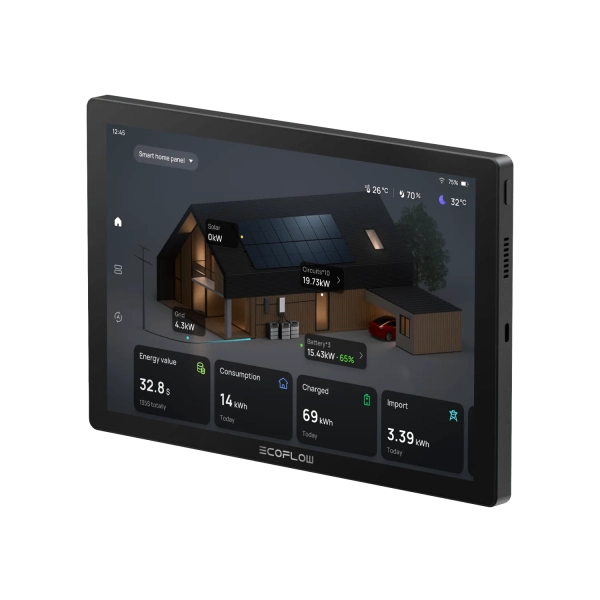
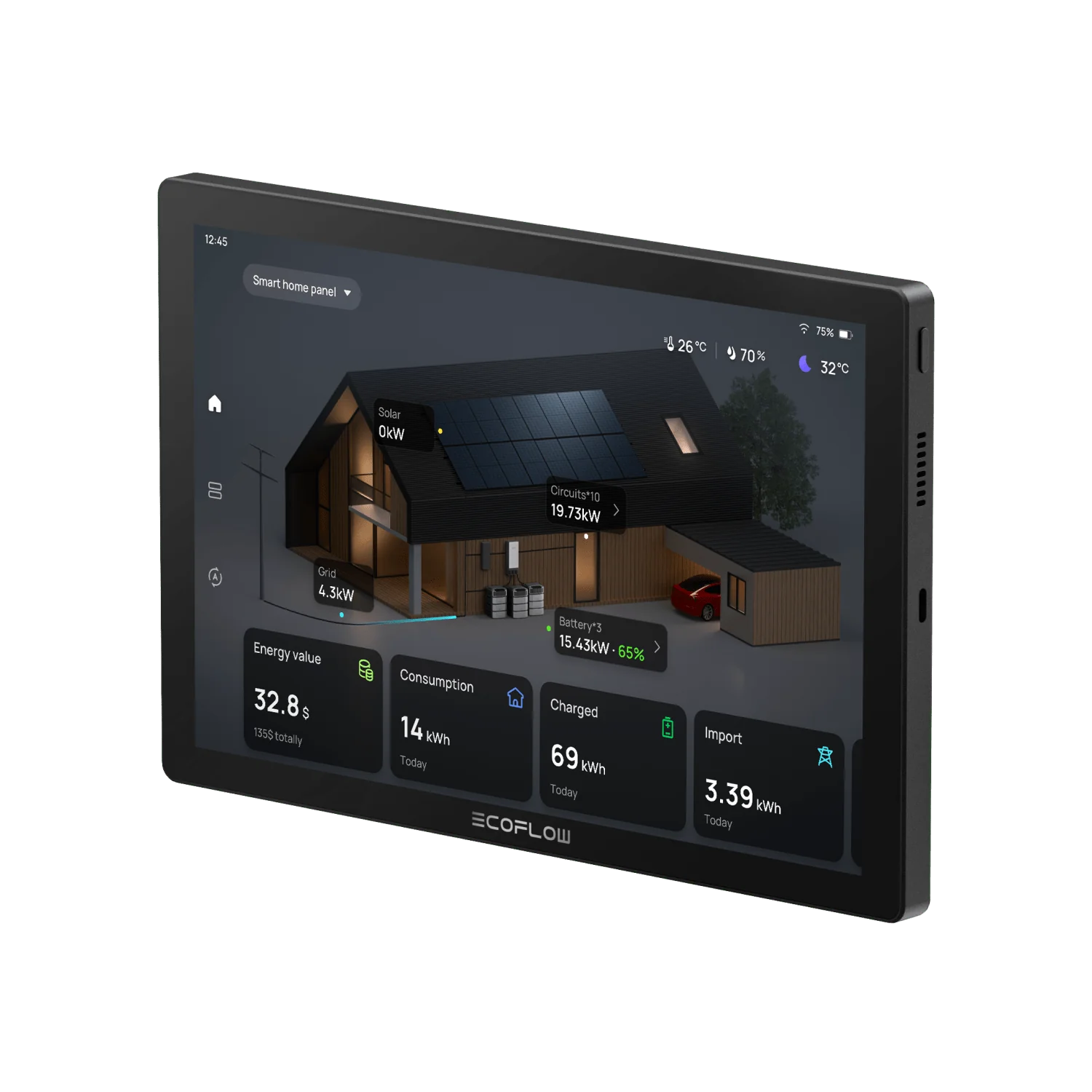
EcoFlow PowerInsight
EcoFlow PowerInsight, a 10-inch touchscreen energy manager with smart home integration
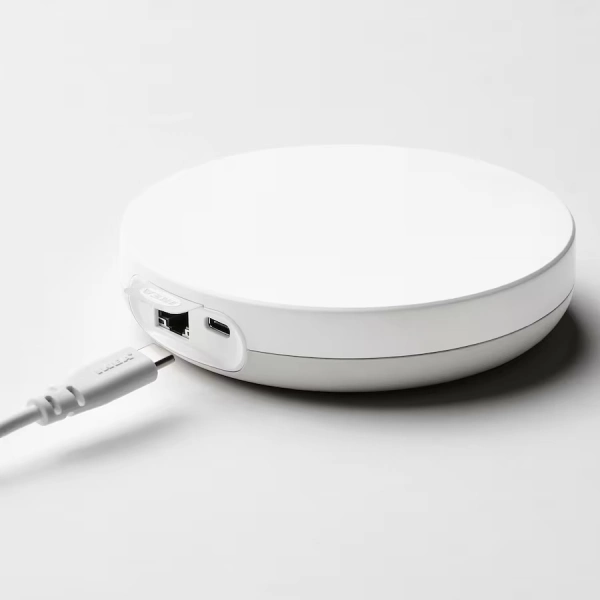
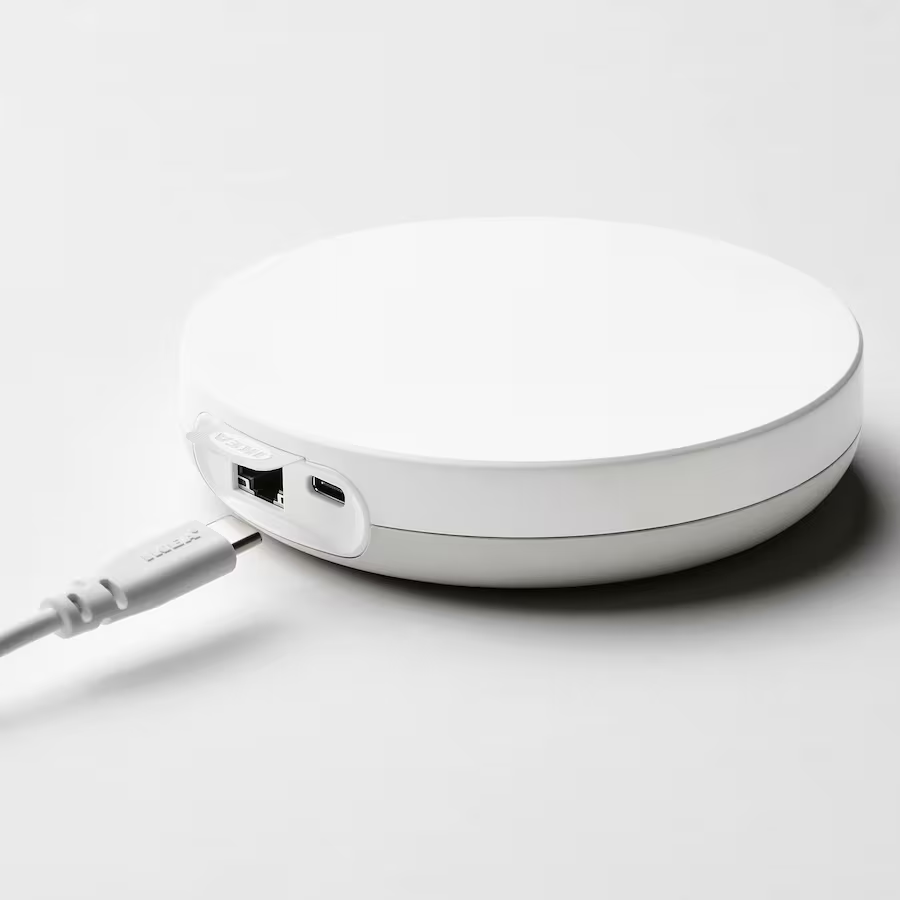
DIRIGERA
A Matter-compatible smart hub that connects and automates IKEA smart devices, enabling flexible control through the IKEA Home smart app, voice assistants, and remote triggers.
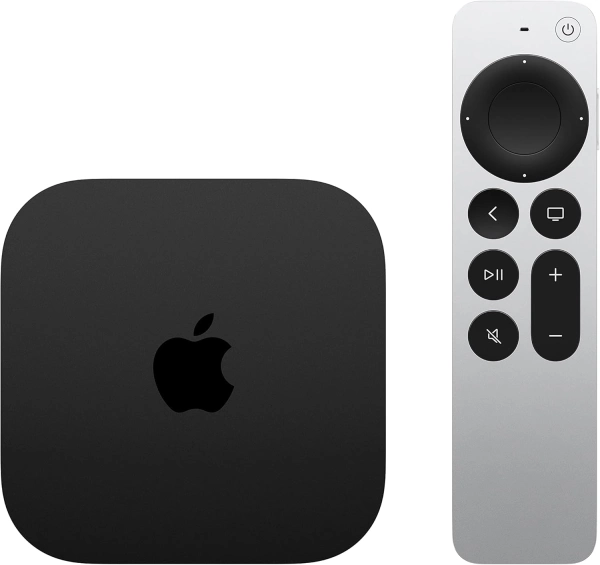
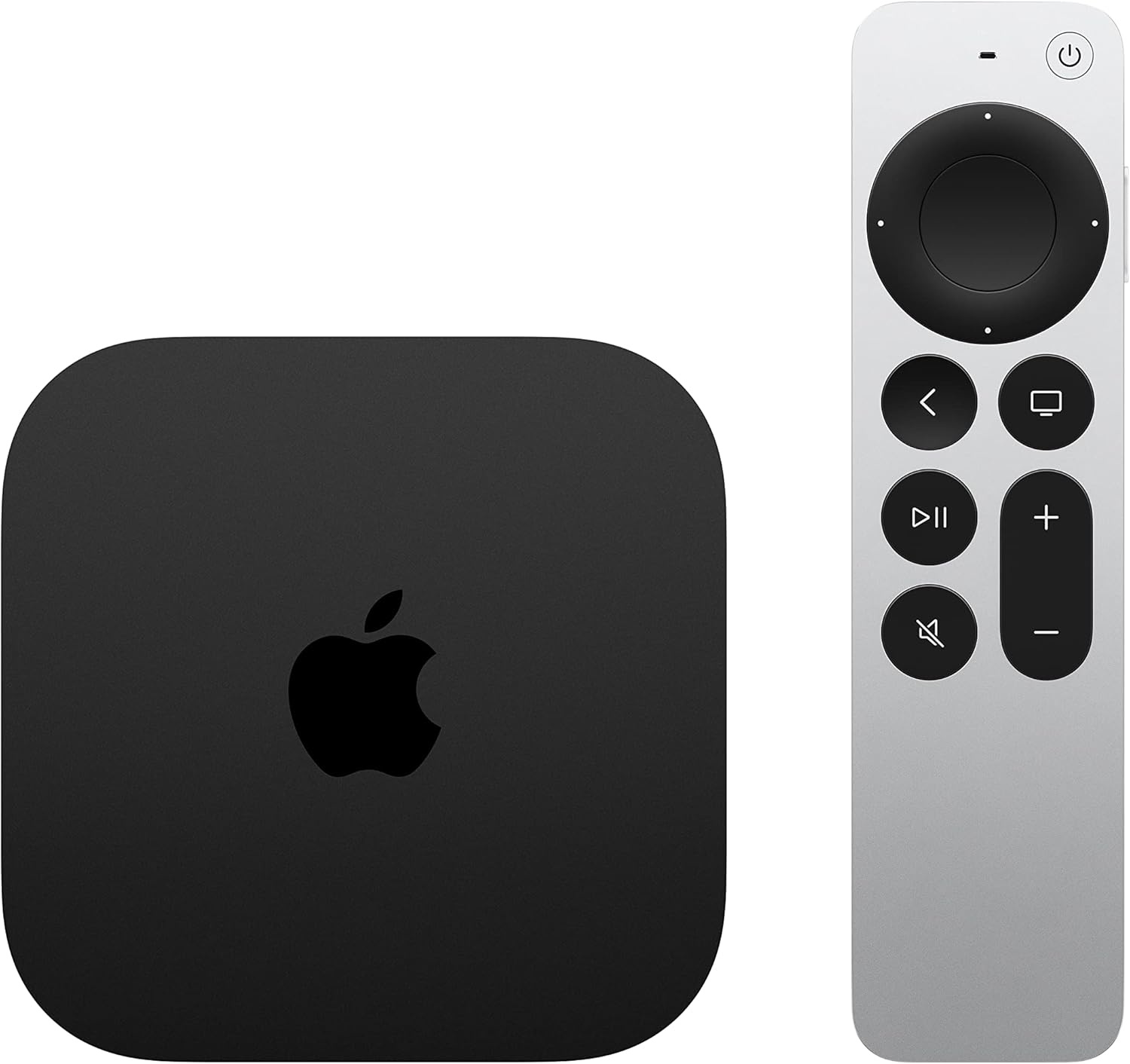
Apple TV 4K (3rd gen, 128 GB)
A powerful 4K media player with expanded storage, advanced video and audio support, and smart home hub functionality.
The agreement does not mean every Matter energy device will suddenly become grid-aware. Platforms still need to support the relevant Matter features. Utilities still need to build programs around OpenADR.
But the structure is now clearer. Matter can define how energy devices work inside the home. OpenADR can define how the home talks to utilities and grid operators. Together, they give Matter’s advanced energy features a stronger path beyond the local network.
(Source: CSA; Image: CSA, OpenADR Alliance, IKEA; Cover image was generated by AI)