Samsung Electronics has recently announced its exit from the Chinese home appliance market, a sudden move that abruptly strands the local SmartThings ecosystem and drastically reshapes the smart home market for local consumers.
The withdrawal creates a massive vacuum in a region that currently relies on only two major platforms, Apple Home and Samsung SmartThings, to drive the universal Matter smart home standard forward. Without Samsung acting as a primary pillar, the market loses a significant amount of momentum. This retreat effectively kills the brand’s ambitious hub-everywhere strategy in the country, leaving premium consumers and professional installers with fewer options for cross-platform smart home setups.
Why and what happens next?
While Samsung has not detailed the reasons behind the decision, broader market dynamics in China provide some context. Competition in the appliance and smart home space has been intensifying, with local brands like Xiaomi continuing to undercut international players on price through aggressive and sometimes controversial cost strategies while expanding their own ecosystems, supported by service and advertising revenue. This makes it harder for higher-cost platforms to gain traction.
At the same time, other international brands are also adjusting their strategies. Sony has explored new structures for its TV business, including a planned home entertainment joint venture with TCL, reflecting a broader shift toward cost control and supply chain optimization rather than direct competition in China.
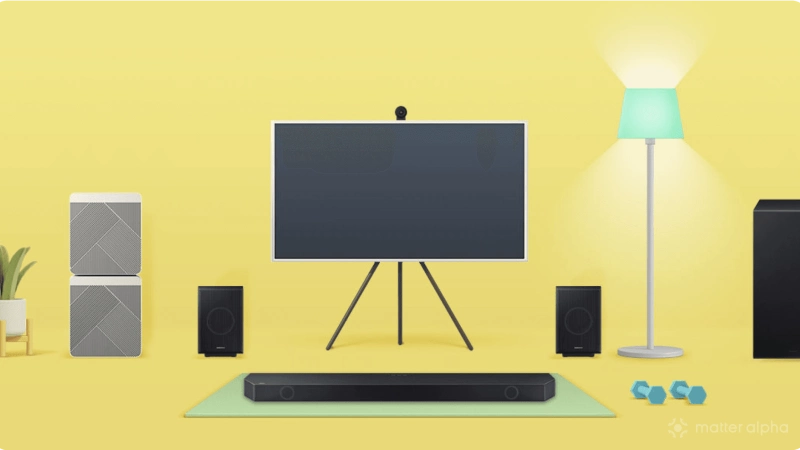
According to official notes released by Samsung, the company is halting all sales of its home appliances across the country. The discontinued product list is extensive, covering TVs, monitors, large commercial displays, air conditioners, refrigerators, washing machines, dryers, and audio equipment.
The company clarified that its mobile phone business will continue operating in the region. For existing appliance owners, Samsung says after-sales services, installations, and out-of-warranty repairs will remain fully supported under national consumer protection laws, with no reduction in service quality or arbitrary price increases.
A “Hub Nowhere” reality
Samsung’s exit marks a major shift in the traditional appliance sector, but it also stands in sharp contrast to the company’s earlier ambitions in China.
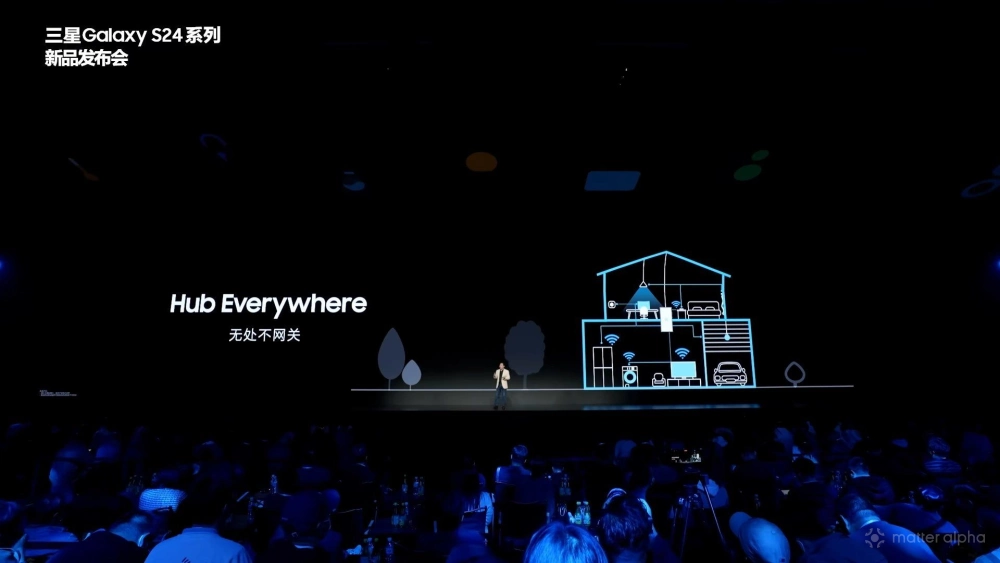
Just two years ago, Samsung was actively pushing SmartThings through a hub-everywhere strategy, embedding hubs into high-end TVs and refrigerators, while building partnerships with brands like Yeelight and Aqara. The company even showcased full smart home setups in retail stores – a far more hands-on approach than Apple, which typically limits itself to shelf placement, with some newer stores no longer displaying smart home accessories at all in China.
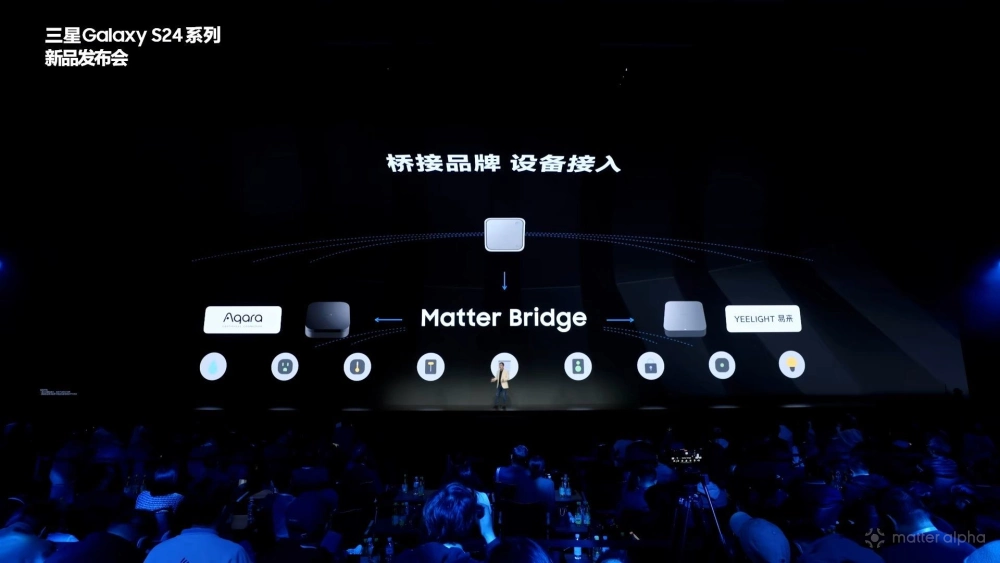
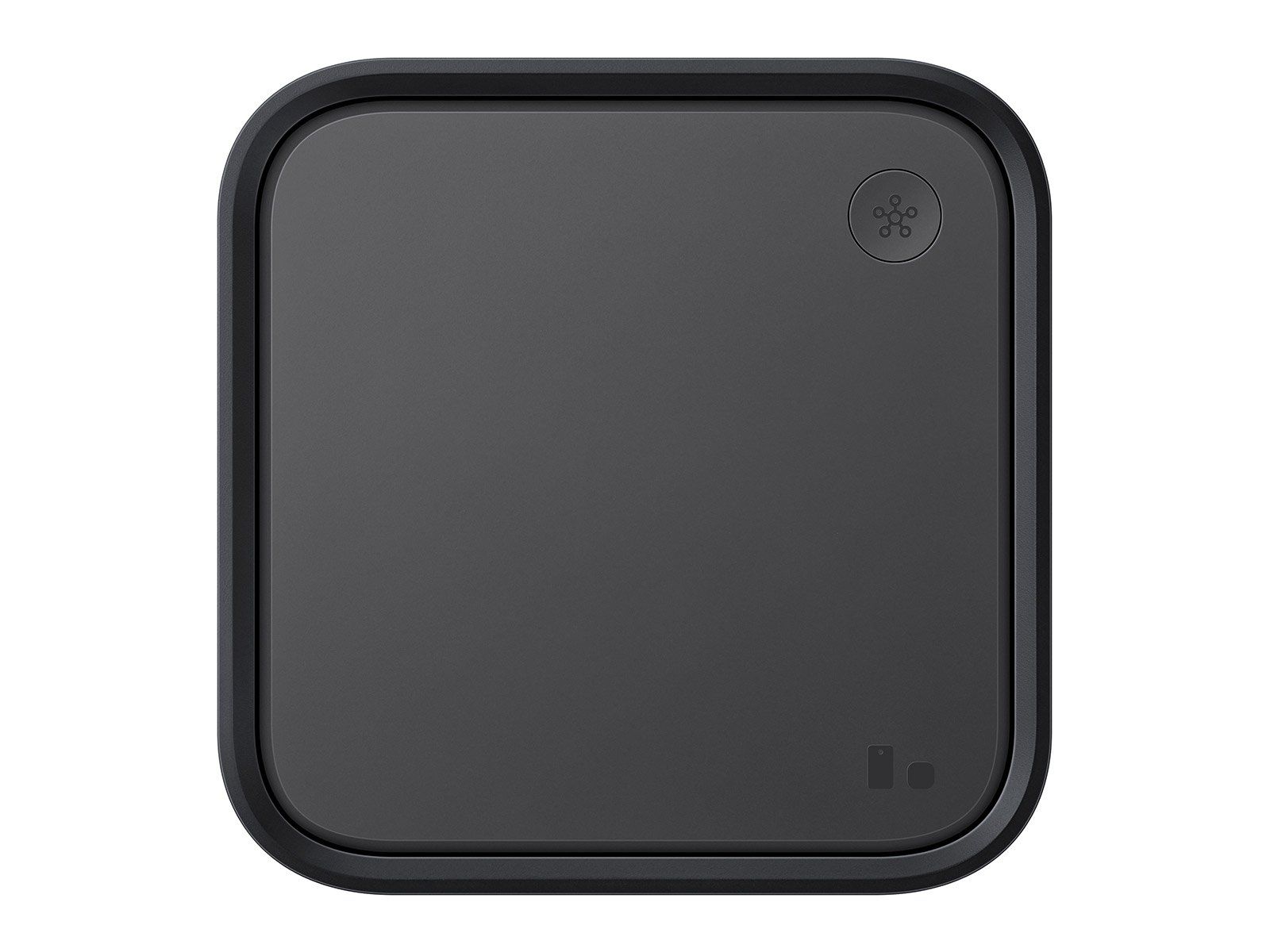
With those premium appliances now off the shelves, that strategy collapses. The ecosystem shifts from Hub Everywhere to something closer to Hub Nowhere. While Aeotec hubs are not available in China, the only remaining standalone option, the SmartThings Station, is already out of stock across most local retail channels and has disappeared from store demonstrations for some time. This makes a full Matter setup with SmartThings increasingly difficult for new users. And as Samsung requires Matter and SmartThings hubs for Aliro, the parallel unlocking standard from CSA now faces a similar situation.
The bigger question is what this means for other international players. LG has recently shown its own Matter hub hardware at local trade events, signaling potential entry into the market. But Samsung’s withdrawal – both in appliances and the broader smart home stack – could be enough to raise concerns.
A worsening ecosystem
For now, the Chinese Matter ecosystem has lost a major backer, leaving fewer options and a steeper path toward a unified smart home. And this hardware vacuum arrives at a critical time. The domestic Chinese smart home market remains heavily dominated by walled gardens from brands like Huawei and Xiaomi. While Xiaomi actively releases Matter-compatible products for its overseas markets, its domestic ecosystem remains tightly closed. Neither local giant currently supports the universal Matter standard on the mainland.
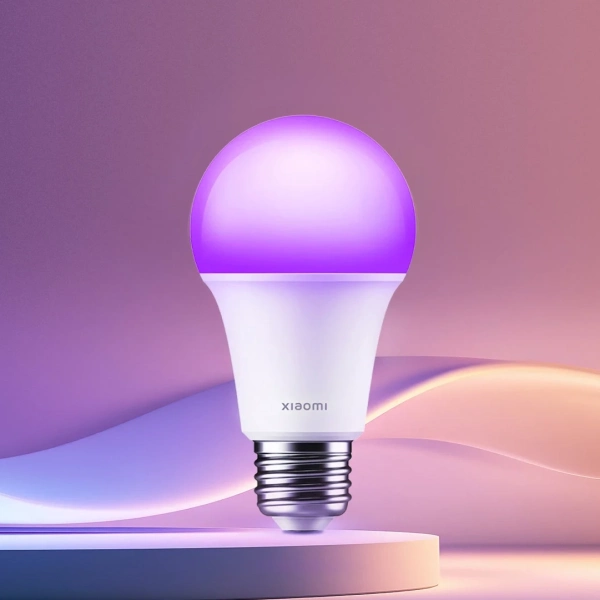
Xiaomi Smart LED Bulb (White and Color)
Xiaomi Smart LED Bulb with 16 million colors, Matter support
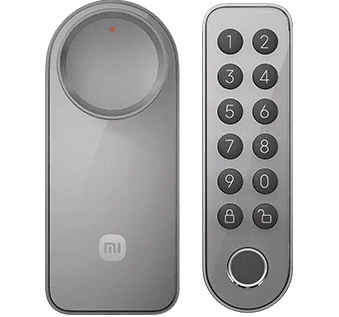
XiaomiSelf-InstallSmartLock
A retrofit smart door lock that brings keyless, connected access to your existing door hardware with Wi-Fi, Bluetooth, and Thread support.
Even as local phone makers like OPPO, Vivo, and Honor move toward a limited and hubless Matter solution, these setups still lack automation and remote access without a dedicated hub. If SmartThings gets less accessible, local installers may pull back and shift entirely toward Apple-exclusive solutions. It is simply easier to recommend a working Apple ecosystem than to spend time explaining the broader Matter standard when no other major ecosystem has traction in China.
The standard now faces more obstacles than ever before – not to mention that local regulators is forcing a China-based alternative.
(Source: Samsung China; Image: Samsung)