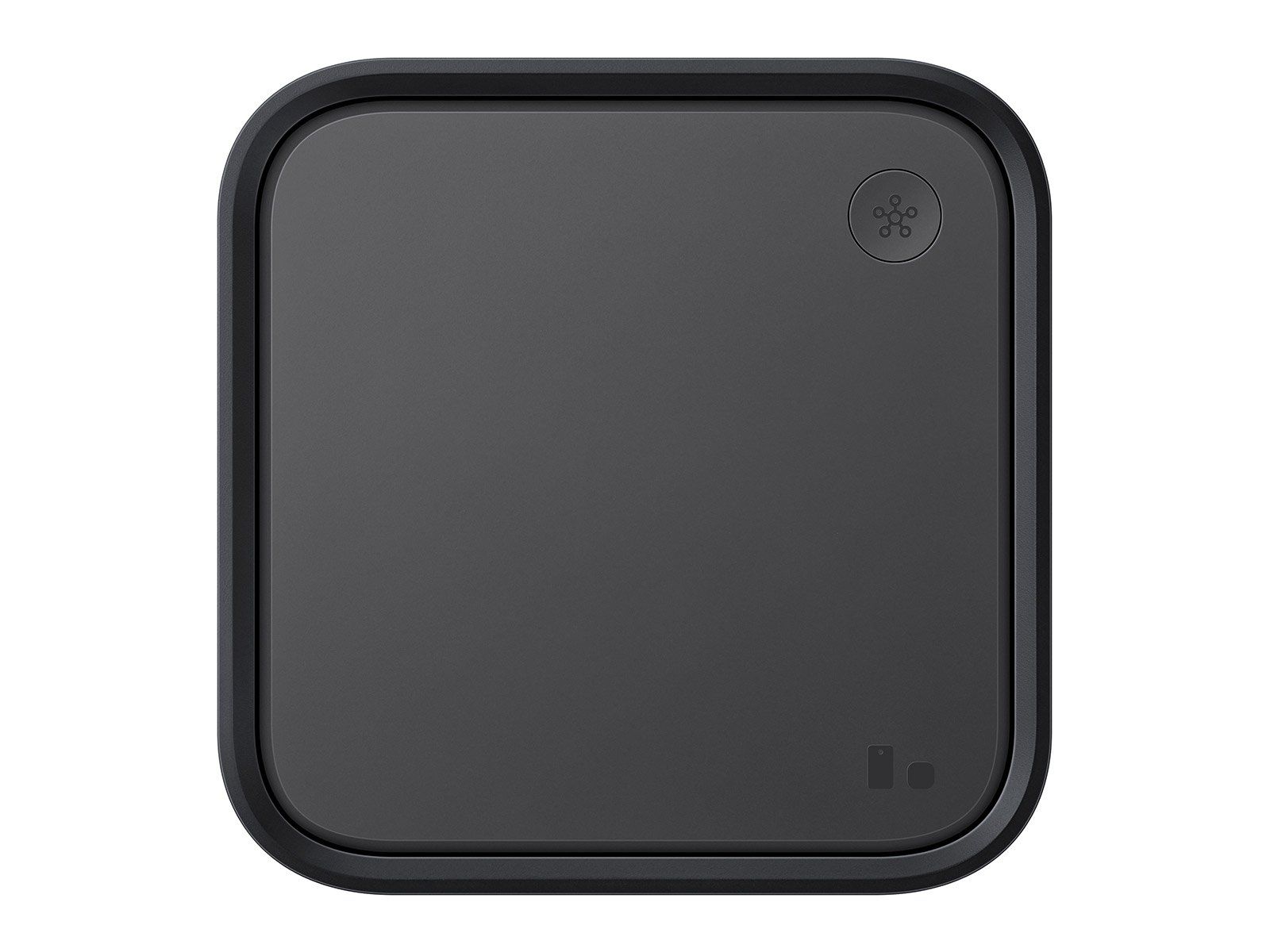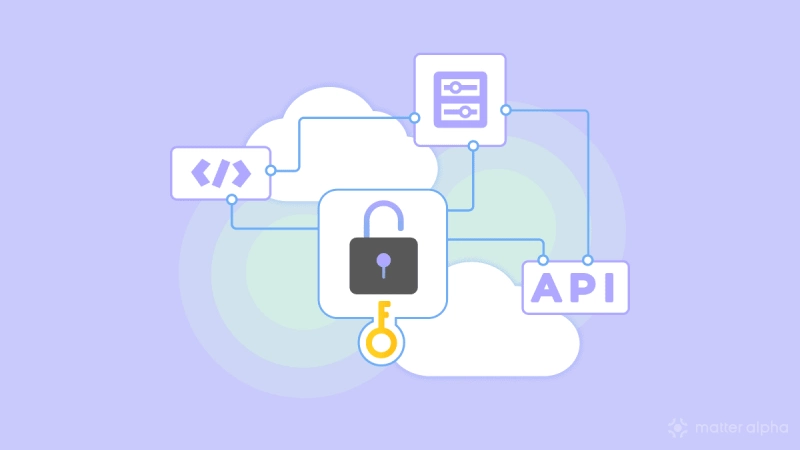
Samsung has announced changes to its SmartThings API program that will introduce a paid tier for non-commercial API usage, including the official Home Assistant integration.
Starting in October, Home Assistant users relying on the Samsung SmartThings integration may need to pay $4.99 per month to continue using it. While the change targets SmartThings APIs rather than Home Assistant itself, it could affect one of Home Assistant’s most widely used cloud integrations.
The announcement has already sparked backlash within the open home community. It also highlights a problem that has followed the smart home industry for years: cloud services can change long after you buy the hardware.
Home Assistant users are affected
The Home Assistant SmartThings integration depends entirely on Samsung’s cloud APIs.
According to Home Assistant analytics, about 9.8% of active Home Assistant installations use the SmartThings integration. Since Home Assistant analytics are opt-in and only a portion of users choose to share telemetry, Matter Alpha estimates that the integration is installed on roughly 200,000 Home Assistant setups. For many users, it connects Samsung appliances, TVs, robot vacuums, and SmartThings-compatible devices into Home Assistant automations.
If the integration falls under Samsung’s new paid API policy, what has always been a free cloud connection could soon become another monthly subscription.
Matter doesn’t solve the problem
Samsung has been one of Matter’s biggest supporters. SmartThings was among the first platforms to adopt the standard, and Samsung has added Matter support to a growing number of appliances, including refrigerators, washing machines, dryers, and air conditioners.
For Home Assistant users, however, that does not solve the problem.
Although these appliances support Matter, they currently cannot be commissioned directly into Home Assistant. Instead, SmartThings remains the Matter controller, making Samsung’s cloud services the only integration path.
In a conversation with Matter Alpha, Joost Lekkerkerker, the primary maintainer of Home Assistant’s SmartThings integration, pointed out the unfortunate situation that Matter has yet to become common across the appliance market. He said he “loves Matter because you can’t be rug pulled,” more than for its interoperability.
Cloud APIs can change
The SmartThings announcement is not the first time a smart home cloud integration has changed.
Over the years, several smart home companies have restricted, modified, or discontinued API access, forcing open source developers to update integrations or remove them altogether.
One recent example involved Haier, which initially asked the Home Assistant integration developer to remove the integration before reversing its decision after community feedback.
These incidents all point to the same tradeoff. When an integration depends on a vendor’s cloud, its long-term availability depends on the vendor rather than the hardware sitting in your home.
Local alternatives still exist
If your devices depend entirely on SmartThings cloud services, there is currently no direct replacement for the official integration.
Some automations, however, can be recreated locally.
For example, many people only use SmartThings to receive a notification when their washing machine finishes. The same automation can be built with a smart plug that reports power consumption. Once energy usage drops below a threshold, Home Assistant can send a notification or announce the event through Matter, Zigbee, or Z-Wave devices without relying on Samsung’s cloud.
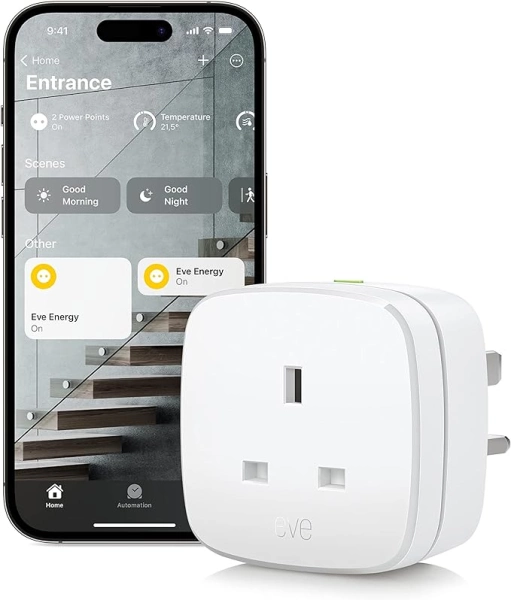
Eve Energy (U.K.)
The Eve Energy (U.K.) is a smart plug that supports Matter for enhanced device compatibility and utilizes Thread technology for improved energy efficiency and connectivity.
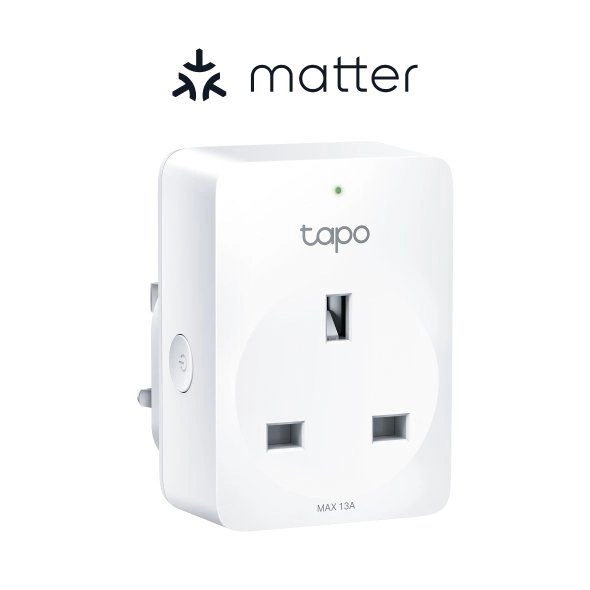
Tapo Smart Plug, Energy Monitoring P110M
The Tapo Smart Plug P110M is a Matter-compatible on/off plug-in unit that offers precise energy consumption tracking to 0.001 kWh, with an updated energy monitoring dashboard and customizable power protection settings.
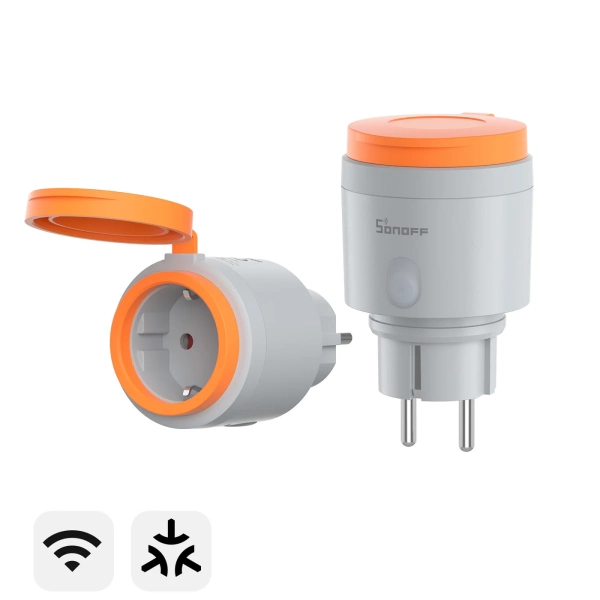
SONOFF S61s Plug
A Matter-over-Wi-Fi smart plug range from SONOFF, available in indoor and outdoor versions, with energy monitoring, 16A load support, and overload protection.
Products such as SwitchBot Bot can also automate physical button presses locally over Bluetooth.
Home Assistant is also developing its Proxy concept, allowing supported IR-controlled devices to integrate locally. Advanced users can also communicate with compatible devices through serial connections.
These approaches cannot replace every SmartThings feature, but they can reduce reliance on cloud services for many everyday automations.
Buy connectivity, not just hardware
The SmartThings API changes are another reminder that connectivity matters just as much as features.
Replacing a smart plug because an integration changes is inconvenient. Replacing a connected refrigerator or washing machine is much harder.
Before buying connected devices, check Home Assistant’s IoT Class. “Local Push” offers the best experience because devices continue working without cloud services. “Local Polling” is another good option when local push is unavailable.
The SmartThings integration is currently classified as “Cloud Push,” meaning every command and status update depends on Samsung’s cloud platform.
For Home Assistant users, the $5 subscription is only part of the story. The bigger takeaway is that local connectivity is often the only guarantee that a smart device will continue working the way you expect years after you buy it.
SmartThings API team reponded on July 1, 2026:
“The SmartThings app and developing device integrations in the Developer Center remain free. For direct, programmatic API access, where someone can stream device data, control devices, and build a service on the platform, we introduced a $4.99 personal plan rather than a free tier, because a sustainable free tier would require limits restrictive enough to break the always-on automations individual developers value most.”
(Source: SmartThings, Home Assistant)