Homey just released Portal, a dedicated touchscreen controller designed to make its smart home platform accessible without reaching for a phone.
Homey has built a powerful and advanced smart home backbone with a decent user experience, and now a handy touchscreen console is here to bring control of the platform to the next level.
One controller for each room
The console is designed around Homey’s existing zone structure. Each unit can be assigned to a room or zone, such as a living room or kitchen, and automatically provides access to devices already organized there.
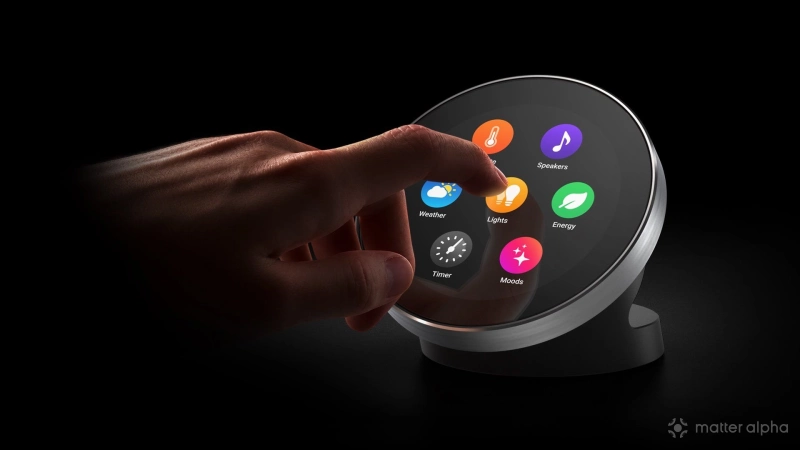
It combines a 2.8-inch round touchscreen with a stainless steel rotary ring, providing quick access to smart home controls.
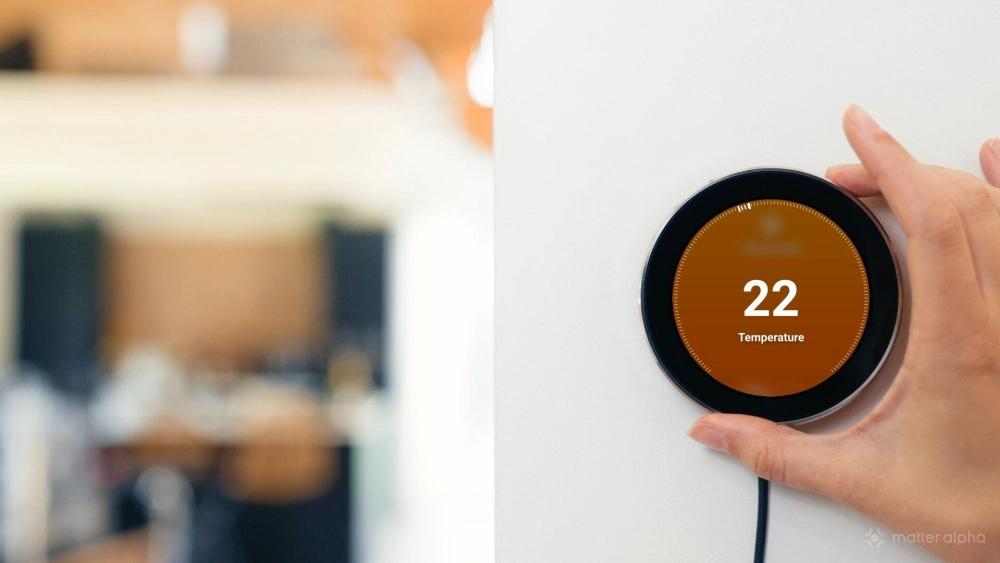
For lighting, users can tap to turn a zone on or off, select individual lights or activate Homey Moods. Turning the outer ring adjusts brightness, while dragging on the touchscreen can change color or color temperature for your IKEA and Hue bulbs.
The same physical interaction extends to climate control. Portal shows the current and target temperatures from connected thermostats, with the ring adjusting the setpoint and the touchscreen switching between available modes such as heating, cooling and off.
Music controls follow a similar approach. Portal can show album artwork and track information from supported systems including Sonos. Playback can be controlled from the screen, while the ring becomes a physical volume control.
A hub for home insights
Portal is also tightly connected to Homey’s existing platform rather than operating as a separate smart home interface that needs to be configured from scratch.
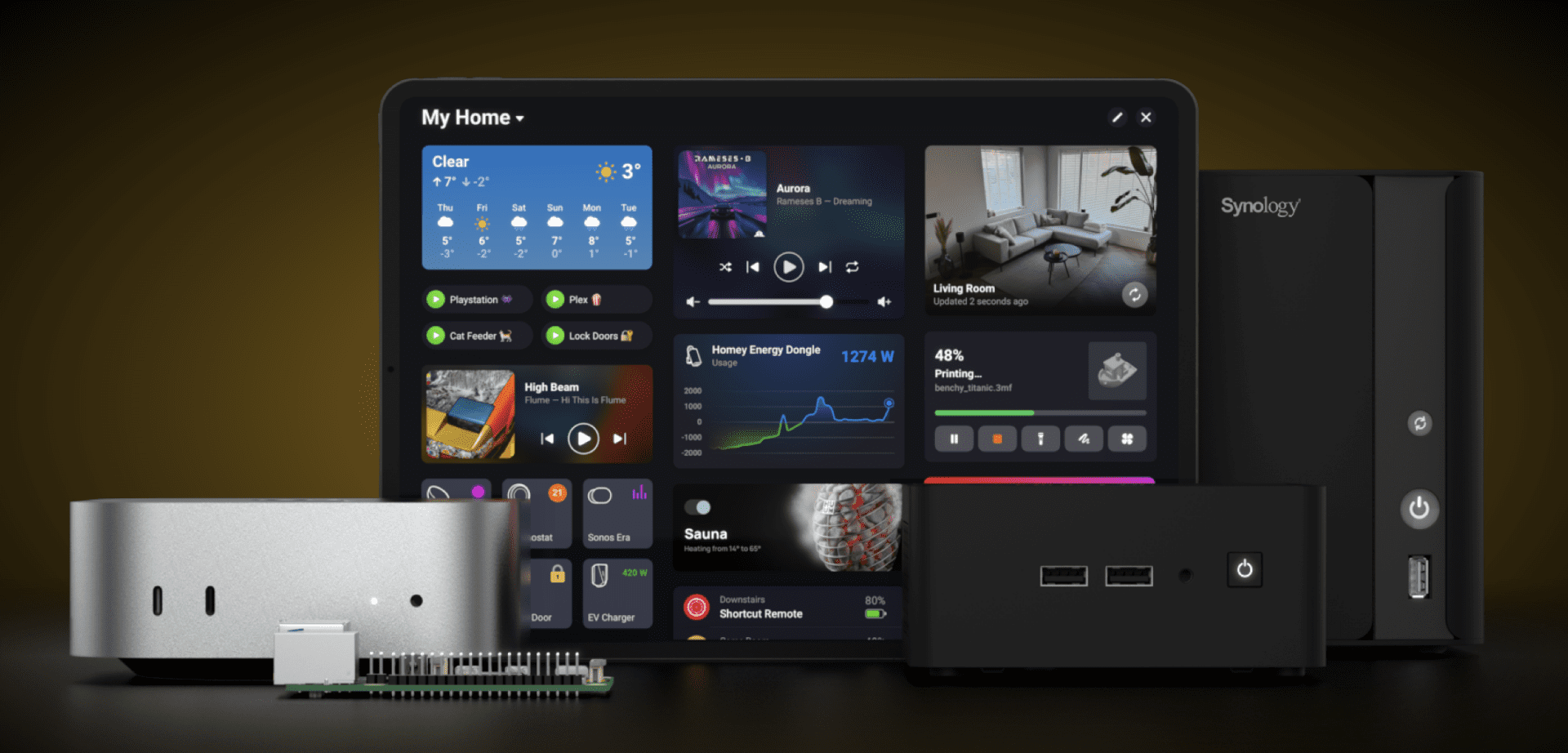
Existing Homey Flows can be triggered directly from the screen, while energy information already collected by Homey can be displayed without creating a separate monitoring setup. That includes real-time and historical consumption data from sources such as the Homey Energy Dongle and Shelly Matter plugs.
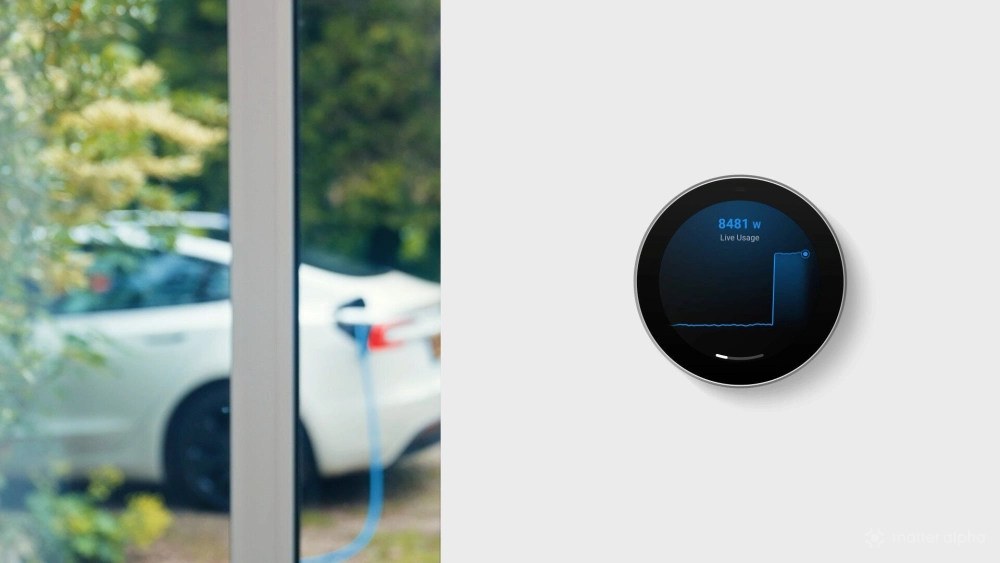
Homey Flow also opens Portal to more customized uses. Users can create prompts and notifications, display information such as weather forecasts, or bring up camera feeds. Homey gives a doorbell camera alongside smart lock controls as one example, allowing Portal to become a more task-specific interface when someone arrives at the door.
Built for shared spaces
Unlike a phone or tablet dashboard, Portal is intended to remain part of the room. Each unit includes both a desk stand and wall mount, allowing it to sit alongside other controls or serve as a fixed interface.
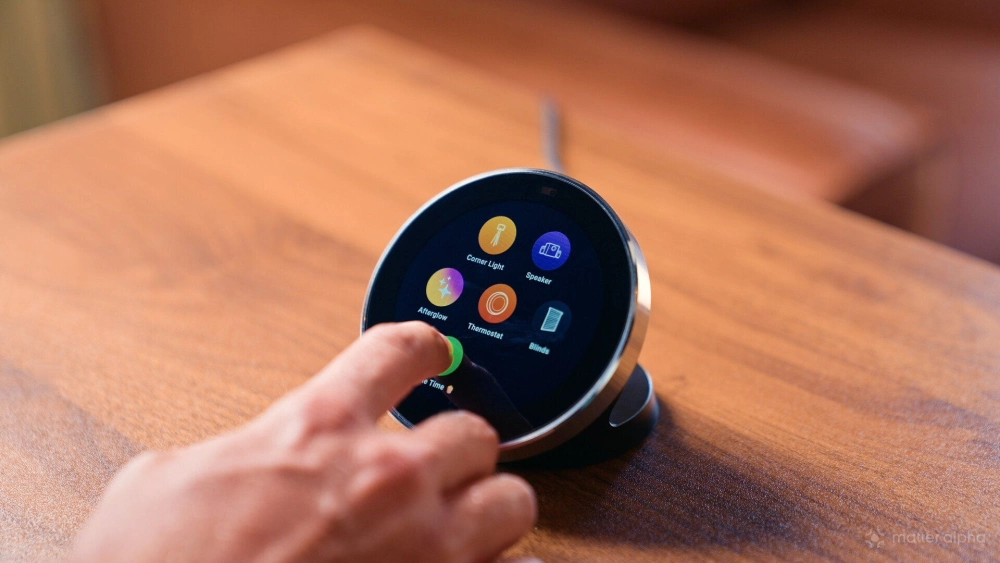
That also makes access control important. A Guest Mode allows owners to hide standard icons and limit the devices available from Portal through the Homey Mobile App.
It could be particularly useful in rental properties, offices and other shared spaces where users need access to selected lights, climate controls or other devices without receiving additional access to a Homey installation. Together with Homey Self-Hosted Server, it would be a fancy option for commercial installers.
Where can you find Homey Portal?
Homey Portal is available for preorder at 249 euro ($288.63) for the first batch, with a regular price of 299 euro ($346.59).
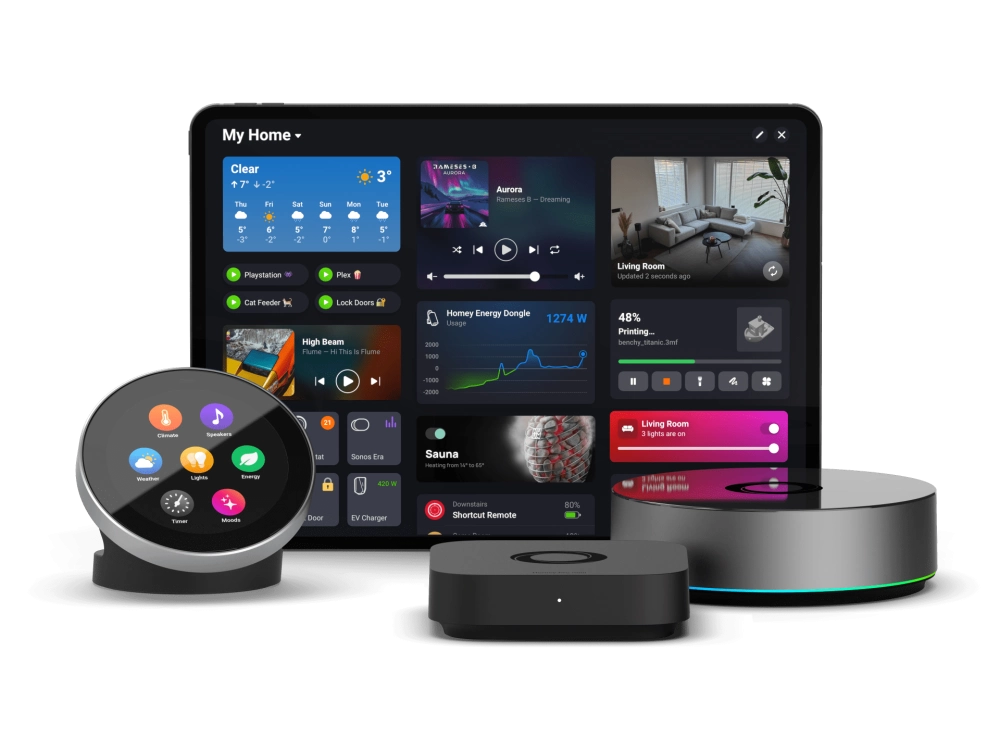
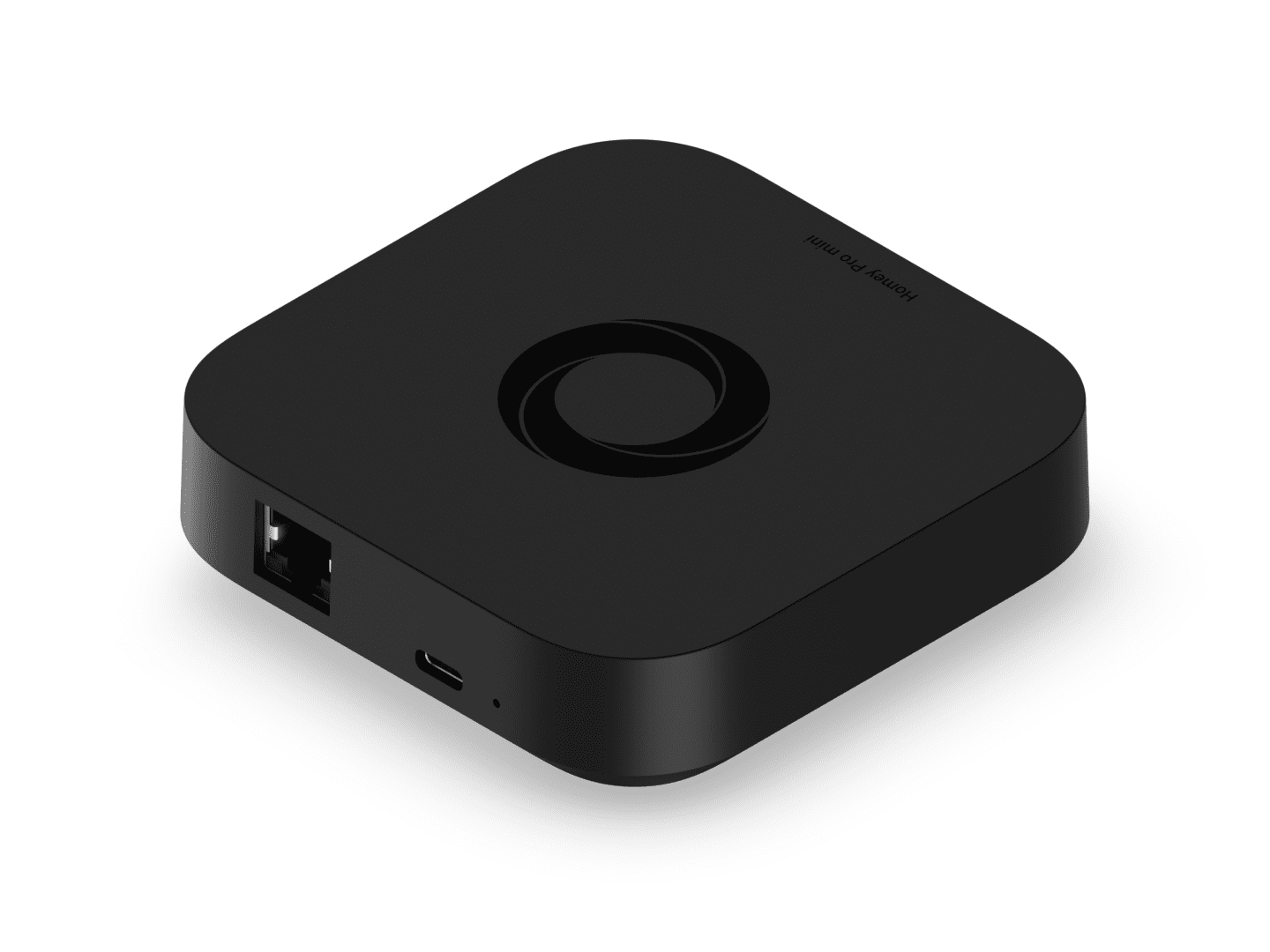
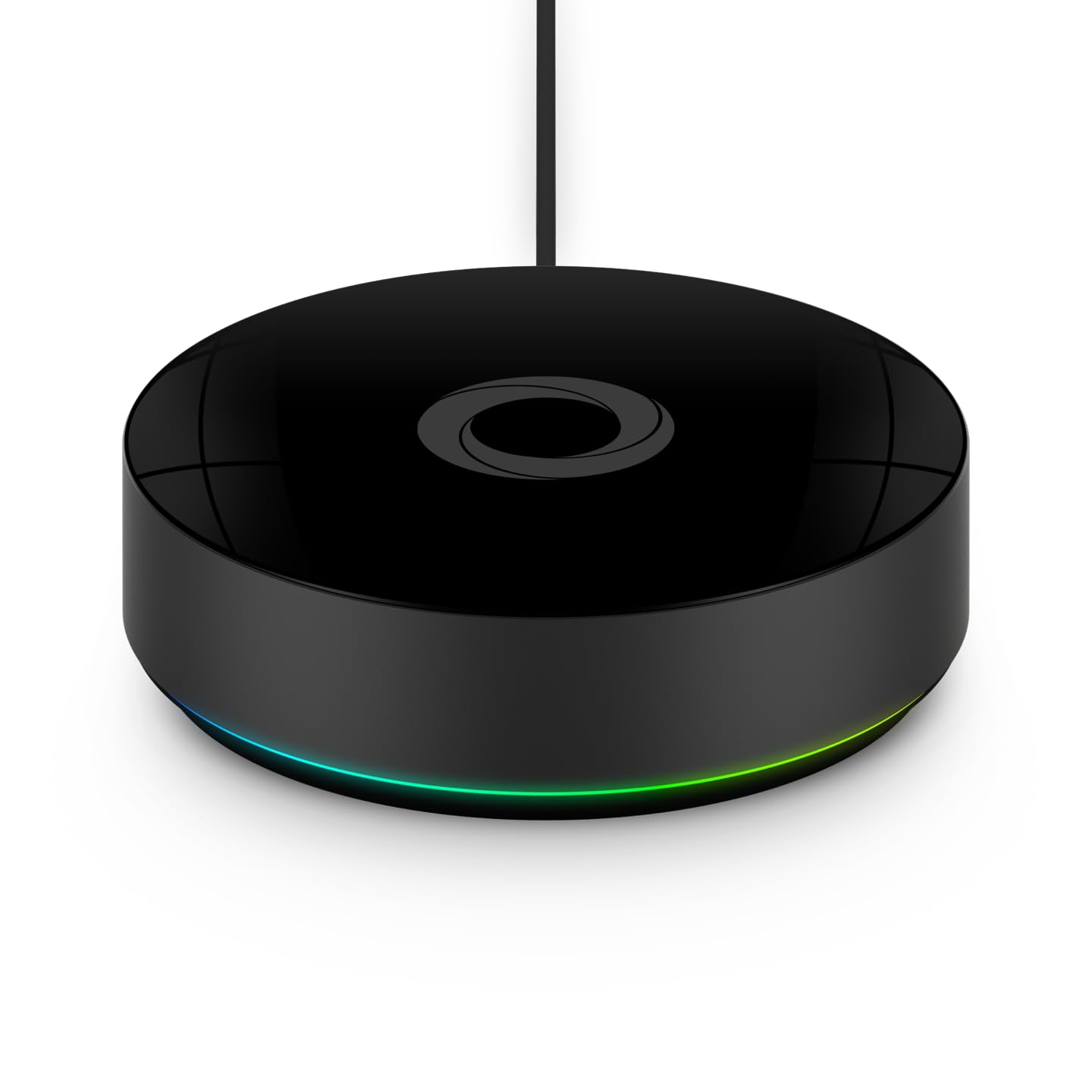
Portal works with Homey Cloud, Homey Pro (2023-2026), Homey Pro mini and Homey Self-Hosted Server. Homey expects the first orders to ship in December.
(Source: Homey; Image: Homey)