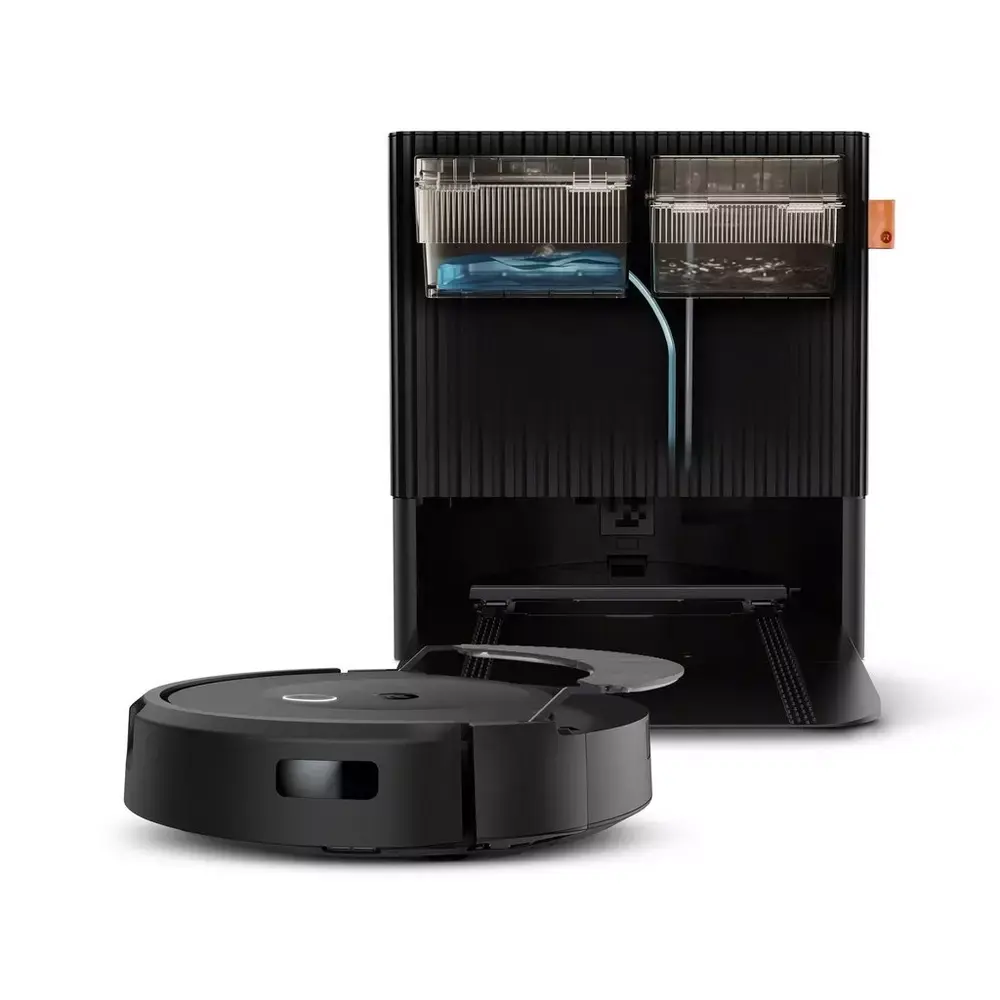
US robot vacuum pioneer iRobot, known for its iconic Roomba brand, has filed for Chapter 11 bankruptcy protection to allow for a sale to its primary manufacturer, Shenzhen PICEA Robotics (PICEA).
For smart home users, this news raises immediate questions about the future of their devices. This situation serves as one of the first major real-world tests where the Matter standard proves its value, though it also highlights where the technology still has limits.
Local control offers safety, but with limits
If you own a recently released Matter-enabled Roomba, like the Roomba Combo 10 Max, the ownership change is safe in short terms for your daily usage. This is because Matter is a local standard. Unlike older smart devices that become useless if a company shuts down its cloud servers, Matter devices are designed to work locally on your home network.
The core commands, such as start, stop, dock, and battery status, are handled directly between your vacuum and your Matter controller. This could be an Apple HomePod, Amazon Echo, or Home Assistant. Even if iRobot’s cloud services were to suffer an outage during the transition to PICEA, your smart home system would still be able to control the basic cleaning functions of the robot.
However, there is a catch. Robot vacuums are complex devices that require more data than a simple light bulb. While Matter handles the basics, advanced features like map editing, setting up no-go zones, and scheduling specific rooms still rely on the manufacturer’s app and cloud. These specific features are not fully covered even by the latest Matter 1.5 standard. While iRobot promises business as usual, the long-term data policies and app development strategy will now be decided by PICEA. This means while your robot will still clean, you might lose the ability to use its advanced features or even setup after a factory reset if the service or policy changes.
If service or policy changes occur, your robot may continue to clean, but you could lose access to advanced features or even the ability to complete setup after a factory reset.
Product outlook
The future of the Roomba hardware looks promising under the new ownership because PICEA is already deeply invested in the smart home standard. The Roomba brand will likely sit alongside 3i, a robot vacuum brand founded by PICEA that has already adopted the Matter standard.
3i recently showed off Matter-enabled models, such as the Q10 Ultra, at the IFA trade show. These devices feature advanced technology like water recycling and local navigation. This proves that the new parent company is committed to the latest standards. This two-brand strategy suggests a strong future for Matter integration. With PICEA now controlling both the historic Roomba technology and the modern 3i line-up, consumers can expect more Matter-enabled cleaning robots to enter the market. Leveraging PICEA’s large-scale manufacturing will likely drive down costs. This could make premium Matter robots more affordable for the market.
The underhood details
Under the terms of the agreement, PICEA will buy 100% of iRobot. The deal is designed to clean up the company’s finances by removing approximately $264 million in debt. iRobot states this will allow it to continue operating in the normal way, pursuing its product plans and keeping its global presence.
When the court process is finished, iRobot will leave the stock market. It will become a private company owned wholly by PICEA.
The bankruptcy filing is the result of a “perfect storm” of financial and operational pressures that the company could no longer handle alone. According to official filings, the collapse of Amazon’s proposed $1.4 billion acquisition in early 2024 left iRobot with a heavy debt load. The deal was blocked by European regulators, leaving the company with no clear path to making a profit.
While the Amazon deal was intended to save the company, its failure exposed iRobot to harsh market realities. The company faced a steep 46% tariff on imports from its manufacturing hub in Vietnam. This hurt its profits significantly. This tariff alone cost the company an estimated $23 million in 2025 fiscal year, according to the firm’ filings.
The path of iRobot serves as a strong alarm for the smart home industry. Its story shows how a recognized brand struggles in competitive markets and navigates a difficult political climate. This situation mirrors recent strategic shifts from companies like Wemo and Sengled. While we expect basic Matter devices to work locally, continued support for the cloud services and vendor apps they rely on is never a guarantee.