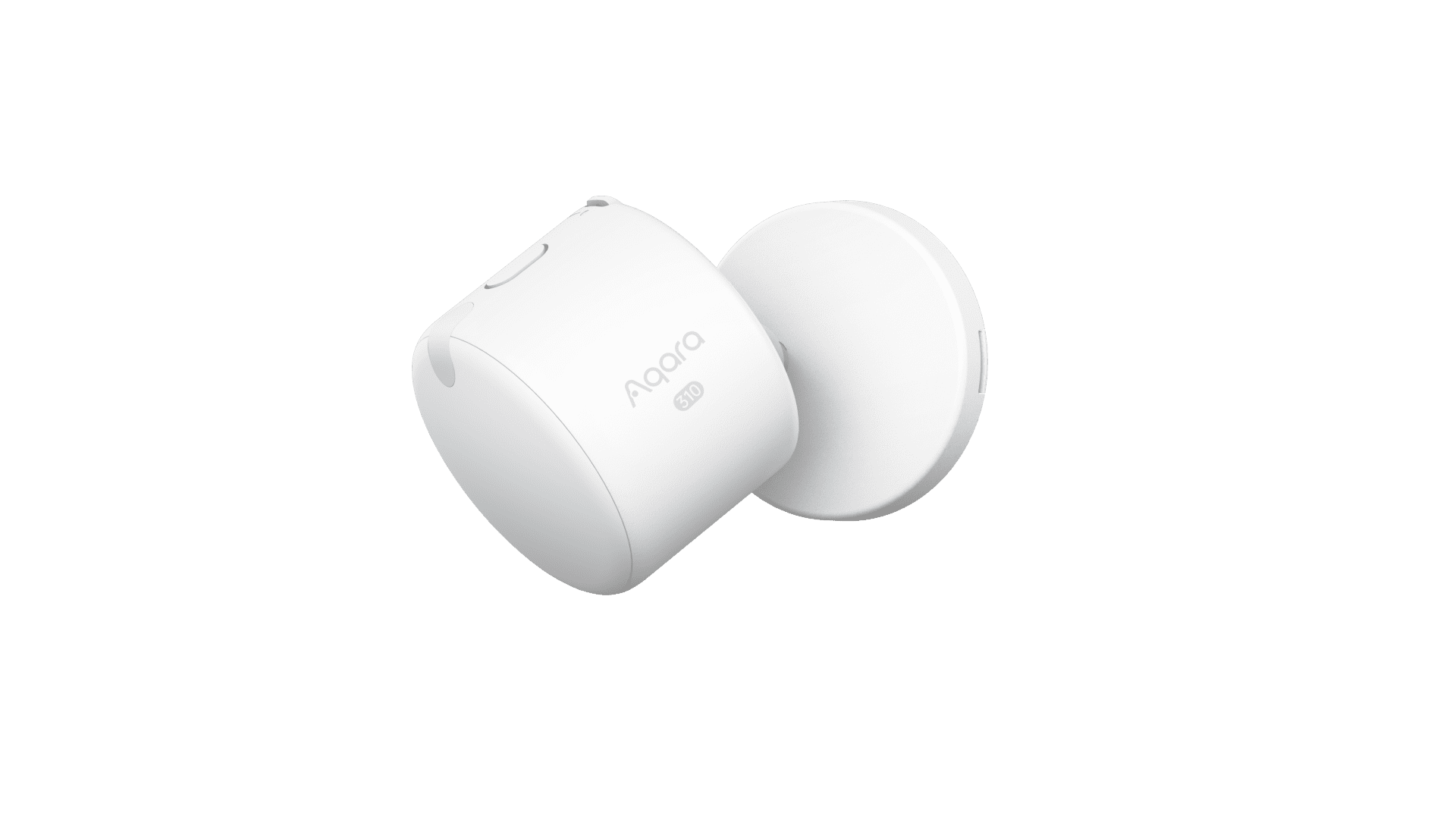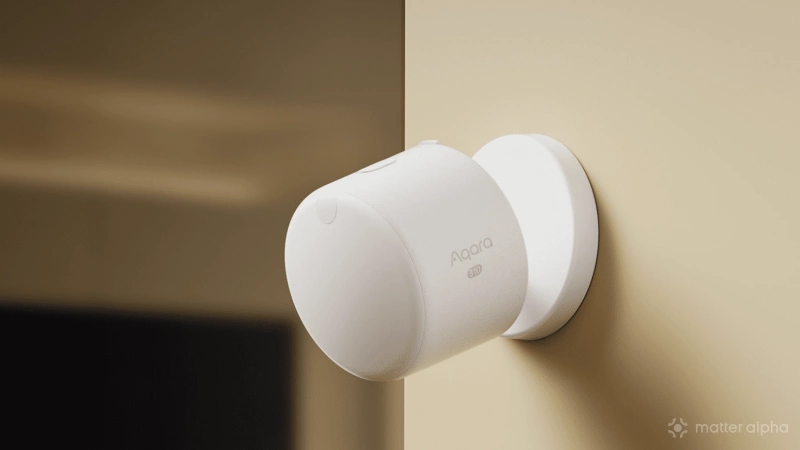
Major Matter device maker Aqara just released the Presence Multi-Sensor FP310 in China. The new device shares a very similar physical design with the previously released FP300 model but brings notable changes in its internal radar specifications tailored specifically for the local market to meet regulation requirements. Packaged in a battery-powered design, the sensor supports both Matter over Thread and Zigbee protocols.
Four-in-one sensing capabilities
The Presence Multi-Sensor FP310 acts as a compounded four-in-one device for the smart home. It combines a temperature sensor, a humidity sensor, a millimeter-wave radar for presence detection, and an ambient light sensor.
This setup allows users to trigger multiple home automations from a single compact unit, such as turning on the lights when a room gets dark or adjusting the air conditioning based on the local room temperature. It eliminates the need for additional sensors and simplifies the installation process for such automations.
Why radio spec makes a difference
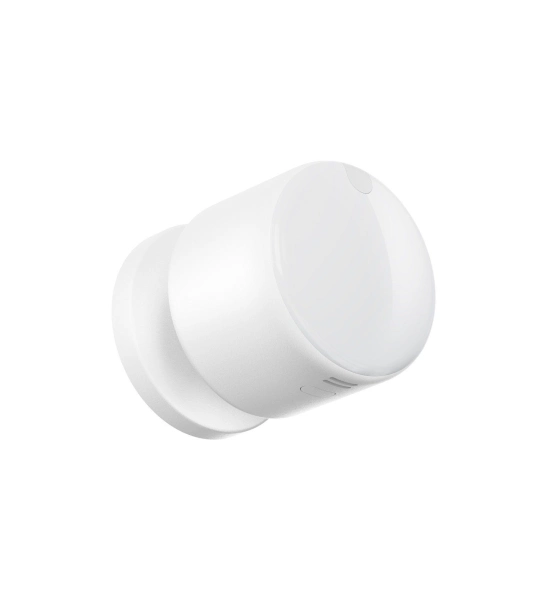
Aqara Presence Multi-Sensor FP300
A multi-functional presence sensor with PIR and mmWave detection, designed for seamless smart home integration with Thread and Zigbee support.
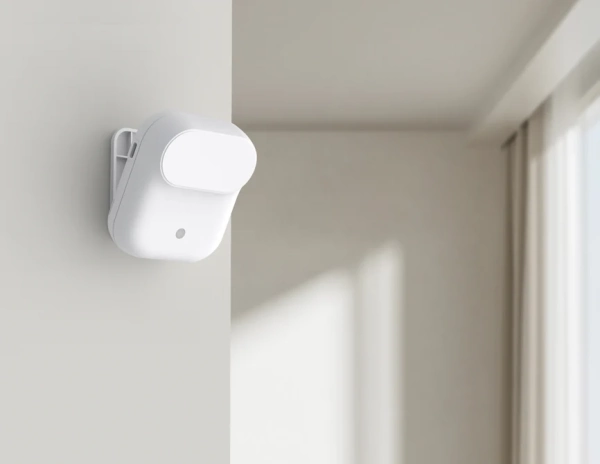
Lafaer Wireless Human Presence Sensor
Battery or USB-C powered mmWave presence and ambient light sensor with IPX3 rating that works over Matter over Thread with Apple Home, Alexa, Google Home, SmartThings, and Home Assistant.
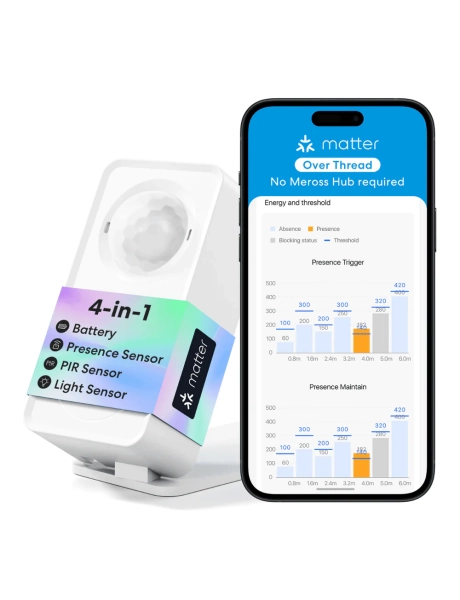
Meross Smart Presence Sensor MS605
A Thread-based, triple-sensor presence detector with flexible mounting, long battery life, and customizable multi-zone detection for precise whole-home automations.
Presence sensors usually rely on mmWave radar for continuous detection, often assisted by passive infrared sensors for the initial trigger. However, like Wi-Fi and other wireless tech, radar must meet strict regional regulations. Because the 60GHz frequency is “not clearly allowed” for indoor unlicensed use in certain markets like China, Aqara opted for a 24GHz radar alternative for the FP310.
This is the primary difference between the new FP310 and the older FP300, which utilizes a 60GHz solution. This alternative 24GHz frequency comes with a cost, as it is generally less accurate than 60GHz for advanced zone detection and measuring micro-movements, such as tracking human breathing.
This hardware difference explains why 60GHz models like Aqara FP2 and FP300 sensors usually perform better for complex spatial sensing compared to 24GHz rivals. Despite this shift, the FP310 still covers a solid detection distance of up to 6 meters with a 120-degree field of view, ensuring reliable basic presence tracking for standard rooms.
Customization and AI learning
Fine-tuning is important for such extremely sensitive sensors. To optimize performance, the sensor features an AI spatial learning algorithm. It automatically scans the room to identify and ignore background interference from reflective surfaces like glass, mirrors, and metal objects.
You can manually adjust the detection distance from zero to 6 meters (Zigbee mode only), choose from three distinct sensitivity levels, and set a custom absence duration ranging from 10 seconds to 5 minutes to avoid false triggers when leaving a room.
Connectivity and battery life
The sensor supports dual wireless protocols, meaning you can flexibly switch between Zigbee bridge and Thread for Matter integration. It features native Apple, Google, Samsung, Alexa support in Thread mode. Because it uses a low-power radar and Thread connectivity, it runs entirely on two CR2450 coin batteries like its sister model. Aqara estimates a battery life of up to three years, without requiring any wiring or wall drilling like those wired competitors.
The device also comes with a magnetic, adjustable bracket to help position the sensor at the best angle to cover blind spots.
The Aqara Presence Multi-Sensor FP310 is now available in the Chinese market with a retail price of 299 yuan ($43.71).
(Source: Aqara CN; Image: Aqara CN)