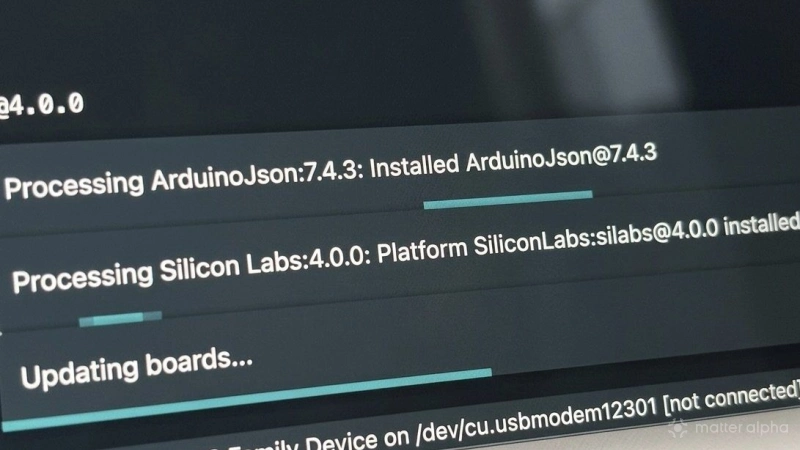
Major smart home chipset maker Silicon Labs released a new library version 4.0.0 for Arduino last week, introducing multiple new Matter device types alongside key codebase fixes.
The update arrives roughly three quarters since the last version, as welcome news for the maker community. It helps clear some lingering concerns regarding a potential conflict of interest after Arduino was acquired by Qualcomm, a rival chipmaker with a historically stricter approach to open-source development. With this update, you can continue building a wider variety of custom Matter devices using Arduino alongside popular Silicon Labs dev boards, such as the Seeed Studio XIAO MG24.
Expanded device types and sensor support
This library update focuses heavily on expanding environmental and utility sensor capabilities for the Matter ecosystem. You now have out-of-the-box support for Matter rain sensors, carbon dioxide concentration sensors, carbon monoxide concentration sensors, and TVOC concentration sensors.
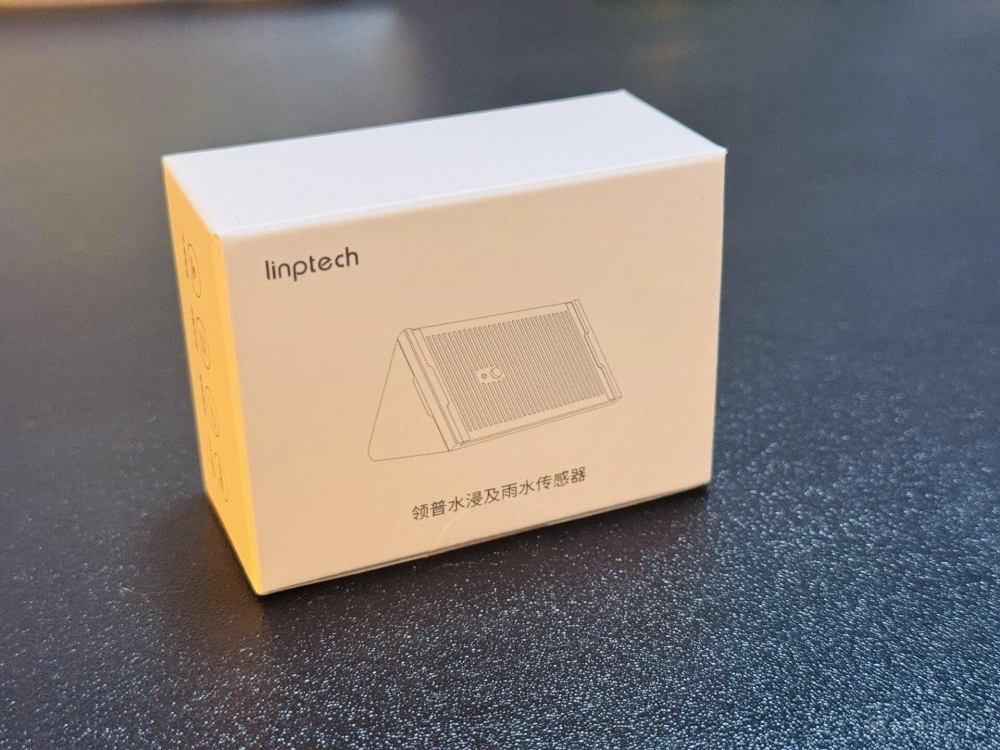
In addition to the environmental monitors, the update adds support for the Matter Power Source cluster, enabling your battery-powered devices to report their power status correctly to smart home platforms. The library also gains support for the StopMotion command within Matter Window Covering devices, and the development team updated the relevant example code to help you implement the feature immediately.
Stability fixes and Home Assistant compatibility
Beyond introducing new devices, the release includes a helpful OpenThread RCP firmware flasher script. This tool allows you to easily configure supported dev boards to function as a Thread Radio Co-Processor or USB stick. You can use it to expand Home Assistant’s Thread capabilities, alternatively to Home Assistant ZBT-2.
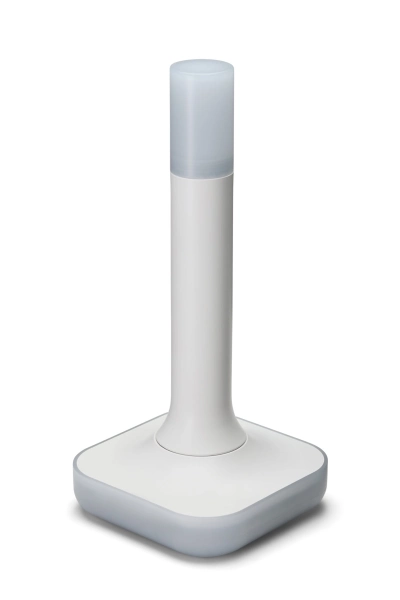
Home Assistant Connect ZBT-2
I spotted three models listed in the repo:
- Arduino Nano Matter
- SparkFun Thing Plus Matter
- SEEED XIAO MG24
On the stability front, Silicon Labs implemented several critical bug fixes. The update resolves an issue with DataVersion size passing within the Matter library. Most notably, the development team fixed the Matter attribute types for both the MatterContact and MatterDoorLock implementations. This specific fix prevents these devices from unexpectedly crashing the Home Assistant Matter server, ensuring a much smoother multi-platform experience when integrating your DIY sensors.
Increased Matter standard conformity
The Silicon Labs team also made numerous structural adjustments to ensure the library conforms more strictly to official Matter specifications, specifically bumping endpoint versions to align with Matter 1.4.
To improve lighting implementations, the update enables write permissions on the OnTime and OffWaitTime attributes in the MatterLightbulb code and implements the correct start-up sequence for the Groups cluster. The BridgedDeviceBasicInformation cluster is now optional for MatterLightbulb, allowing you to create native, standalone lightbulb devices. The team also increased the cluster revisions for the OnOff, Identify, and BridgedDeviceBasicInfo clusters.
To clean up the codebase, the OTA cluster was removed from the Root Node, and optional unused entries were stripped from the BasicInformation cluster. The update also corrects the documentation regarding simultaneous Matter and Bluetooth Low Energy usage in the readme file, and it now includes the exact code sketch used for the CSA Matter Certification of the Arduino Nano Matter board.
A shift toward community-driven dev
Perhaps the most significant long-term change is how Silicon Labs is restructuring its relationship with developers. Historically, the company’s Arduino repository did not accept community pull requests, a restrictive policy confirmed by Silicon Labs staff while addressing a Home Assistant crash fix in Issue #150.
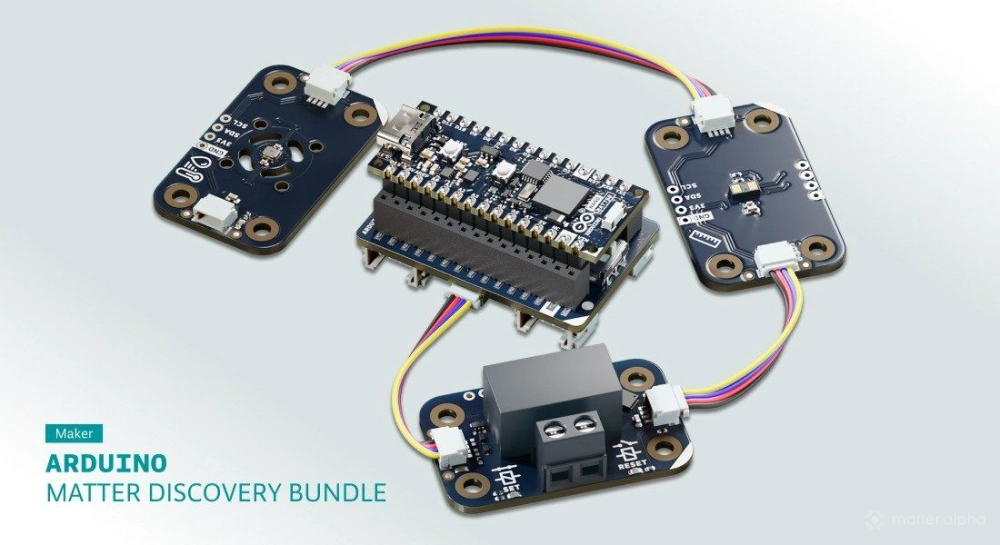
However, the company is now actively pivoting to embrace open-source collaboration. To better support and streamline community contributions moving forward, Silicon Labs announced that the entire Arduino repository will migrate to the SiliconLabsSoftware organization on GitHub in the coming months.
The company confirmed that all repository data, including existing issues, pull requests, and discussions, will be transferred in full during the transition. For developers building the next wave of DIY Matter devices, this newfound openness is an incredibly promising sign.
(Source: Silicon Labs, GitHub, Arduino; Image: Arduino, Matter Alpha/Ward Zhou)