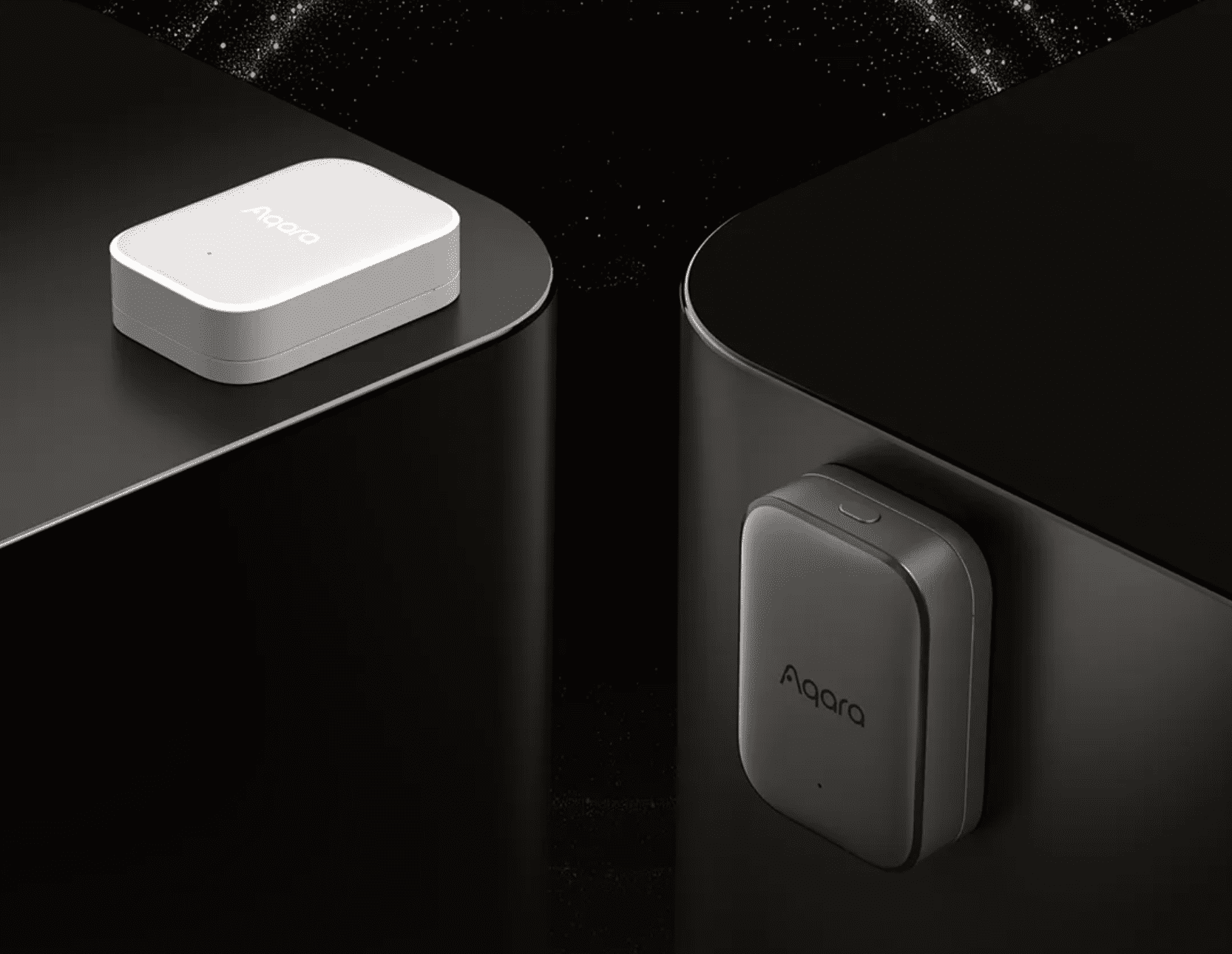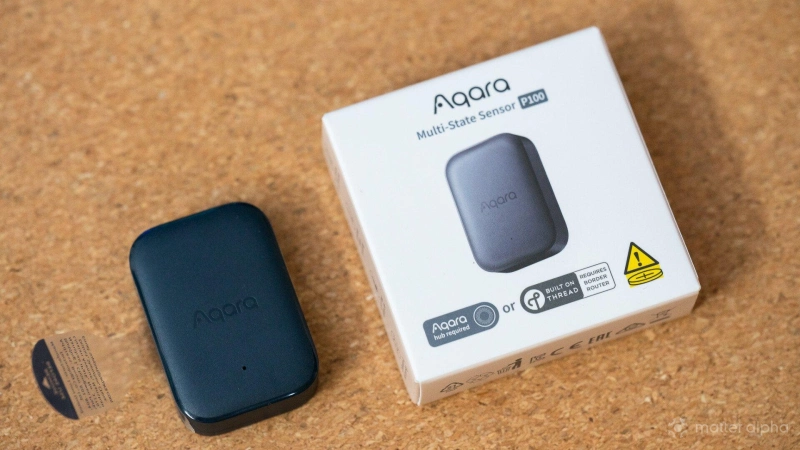
The Aqara Multi-State Sensor P100 is probably one of the most controversial Matter pieces I have reviewed recently. It is innovative, incredibly compact, and fundamentally decent as a standalone piece of hardware. But the best parts of this sensor are completely tarnished because of the strict limitations of its Matter integration, at least as of the current Matter 1.5.1 specification.
I would say, in general, that this is a specialized sensor meant to be used in addition to traditional magnetic contact sensors. More or less, you will only need it in very specific home settings rather than plastering it on every door in your house. Here is a brief review from me sharing exactly how it holds up when forced into its Matter mode.
Aqara Multi-State Sensor P100
TL; DR:
Fors
-
Compact and sleek design
-
Dual-protocol support
-
Stable connectivity
-
Accurate reporting in Matter mode
-
Long battery life
Against
-
Poor support for Matter features
Refreshing design
The Aqara Multi-State Sensor P100 features a brand-new design. Unlike most of Aqara’s classic white plastic offerings, the new P100 comes in a black version (also white) and features a rounded square shape. So you can choose the best version to fit your specific decor style, while keeping the device more secretive to hide in a darker space or a black door frame for better security considerations.
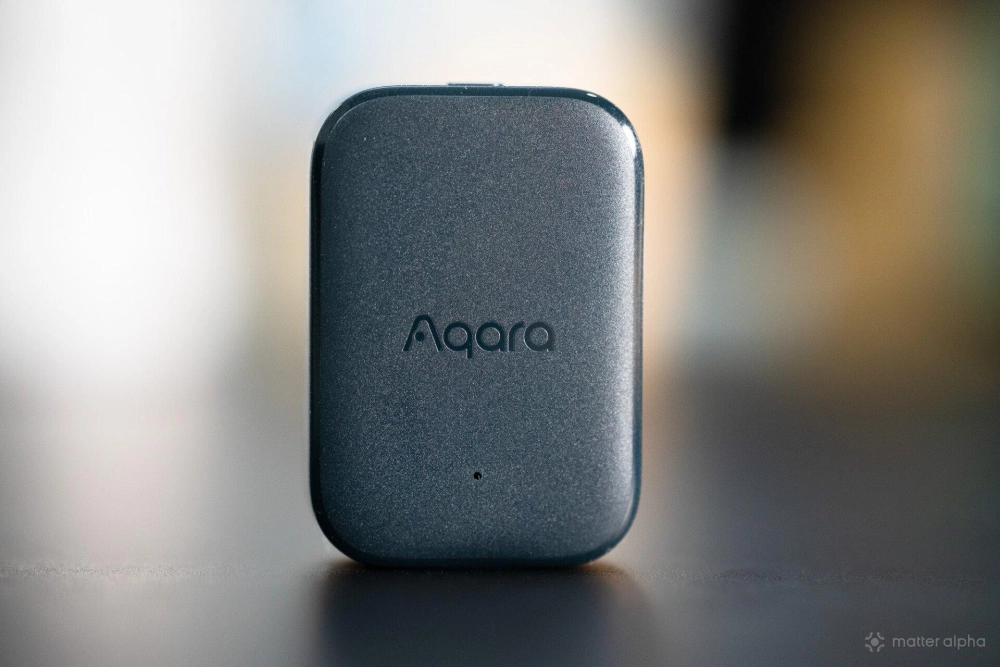
If you have ever tried to stick a bright white plastic sensor onto a dark mahogany door frame or a modern matte black window trim, you know exactly how jarring it looks. It immediately ruins the aesthetic of a carefully designed room. That is why having a native black colorway is such a huge win here.
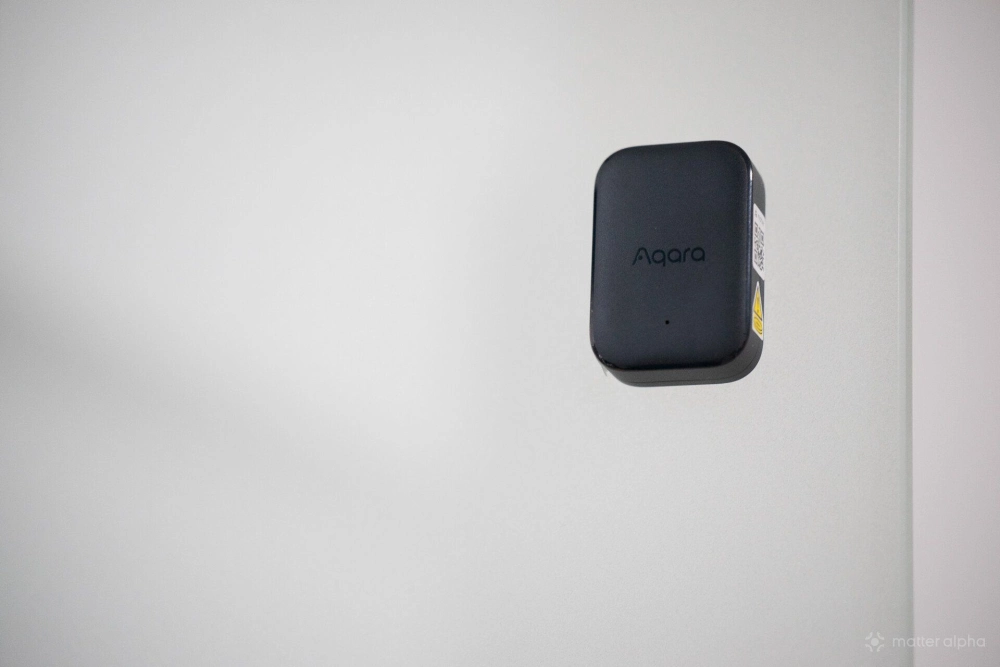
If I have to name something I feel familiar with from Aqara, it is the tiny size. The P100 is much flatter and overall significantly smaller compared to the current Aqara Door and Window Sensor P2. I am genuinely glad that Aqara makes a return to this new design aesthetic, as compact size sensors were an absolute icon of Aqara back in the golden Zigbee era. That footprint really means something when other companies struggle with power consumption and prefer to just use a larger battery for their sensors instead of optimizing the hardware.
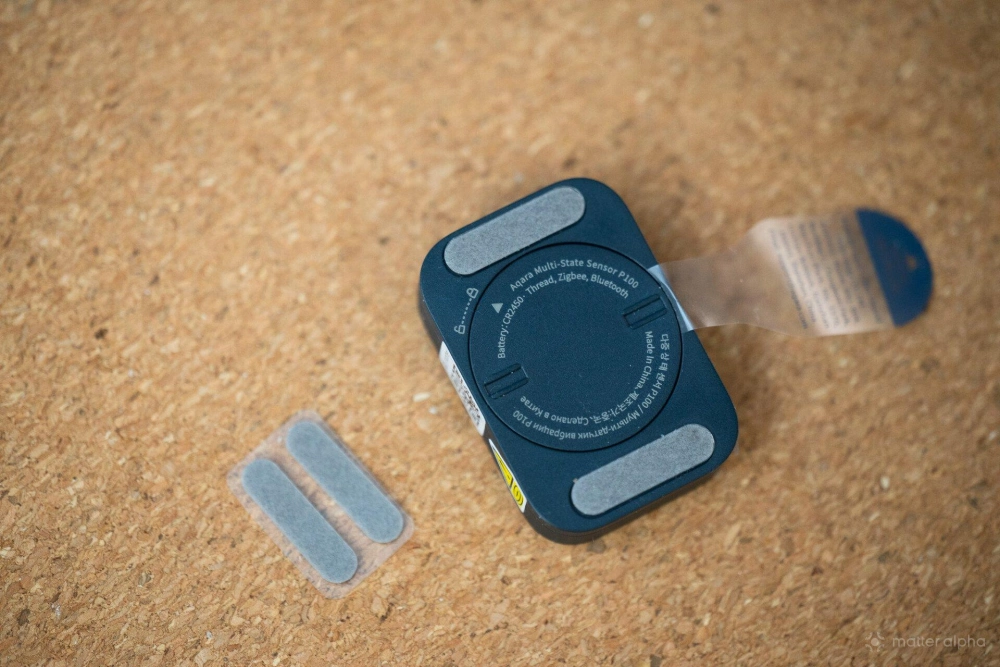
The one-piece design also makes it easier and way more flexible for tricky installations. For example, if you have a thin, two-way open glass door, and absolutely no place to stick the magnetic part that is strictly required by most standard door sensors, the P100 can be a perfect match. You do not have to worry about perfectly aligning two separate pieces of plastic to make sure the connection registers.
Efficient and responsive
The sensor needs a bit of learning after the physical installation, and that process is straightforward. You just close the door or cover, then triple-press on the physical button, and the P100 will learn its baseline automatically.
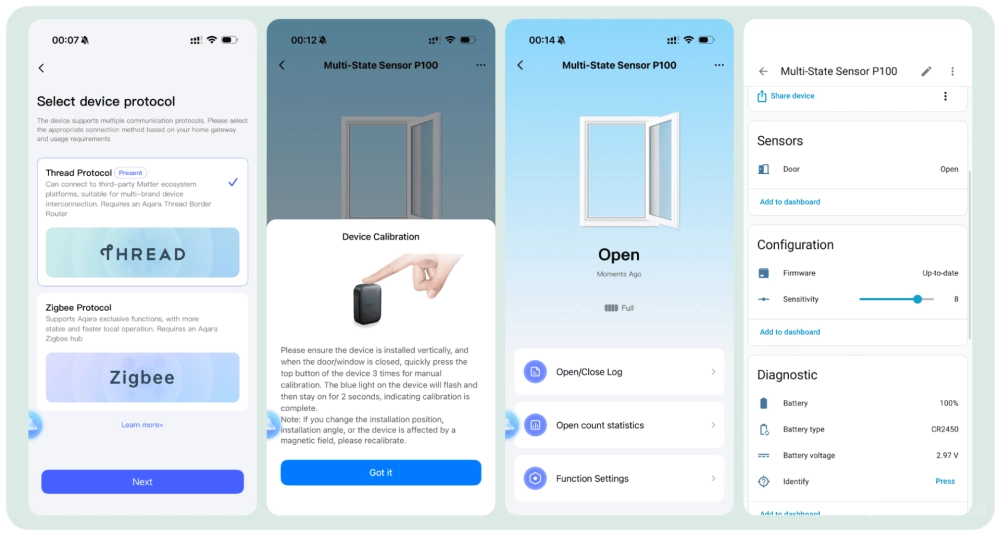
The actual reporting is pretty fast at the default sensitivity level. You can fine-tune the sensitivity from the Aqara app and certain other supported Matter platforms. So far, Home Assistant (since the Core 2026.5 update) should be the only major platform that natively supports these sensitivity level adjustments, offering up to ten distinct levels. For a long time, the Matter specification lacked a good way to expose these highly specific configuration parameters to the end user outside a proprietary vendor app. That is exactly why I worked on the pull request to add generic sliders to the Home Assistant. Seeing a brand like Aqara actually hook into that code so you can slide the sensitivity from one to ten directly from there.
I found the default setting just works perfectly for me during daily use. If you are using it specifically for security purposes, I would recommend adjusting it to the maximum level until you see misreporting, and then dialing it back slightly to find the right balance.
The battery life is also promising as always from Aqara. The P100 maintains the golden standard for Matter sensors. I did not see any battery level drops during the test (two fabrics), especially since it runs on much smaller batteries. So it really saves your time to watch out for all the battery states and prepare a batch of them for replacement.
A Matter disappointment
I usually write mild comments. But I won’t this time for the P100. The sensor leaves me with the impression that the team was not even trying to get it to fully support Matter. That is a great frustration when the hardware has so many fancy features, while only exposing a basic door sensor. And it is a shame to wear the certified Matter badge on the box to be frank, which may heavily mislead many average users into thinking that all the marketed features could be available via Matter.
And they simply are not.
There are many approaches that could actively apply to the sensor’s software. For example, a physical switch with indication illustrations between detection modes: that is exactly how Bosch handled its Matter devices’ connectivity modes alongside a vendor app. Feature-wise, in the end, it is a binary sensor no matter what modes it is on. So exposing a basic binary sensor, a door sensor, or even an occupancy sensor to Matter would bring the triggers to Matter platforms.
A particularly good example would be ThirdReality, whose early firmware for water leak sensors were intelligently mapped as contact sensors when Apple and other ecosystems did not support this specific device type. They even map complex plant watering kit features into multiple lights so you can automate them properly despite the wrong Matter device type.
So Aqara, if you hear me, please do consider these options, or adopt the Ambient Sensor cluster that may come to Matter 1.6 later this year. Otherwise, you are rapidly losing credit for the well-built reputation you earned for your Matter range.
Is it for you?
So the final question is if you should get the sensor. If you currently have an Aqara Hub, and are willing to use Zigbee and a Matter Bridge to expose the sensor, then I cannot see why you shouldn’t. Because it has lots of hardware features that create many creative triggers in your home.
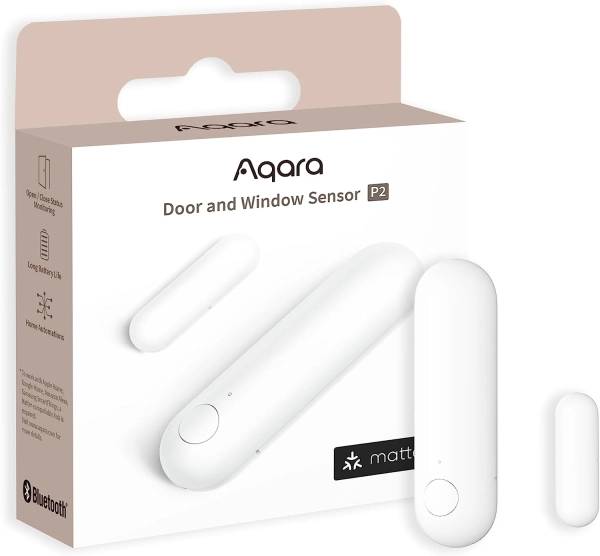
Aqara Door and Window Sensor P2
The Aqara Door and Window Sensor P2, a contact sensor, is a key component of the Aqara smart home ecosystem, offering compatibility with the Matter protocol, enabling seamless integration and control within your smart home network.
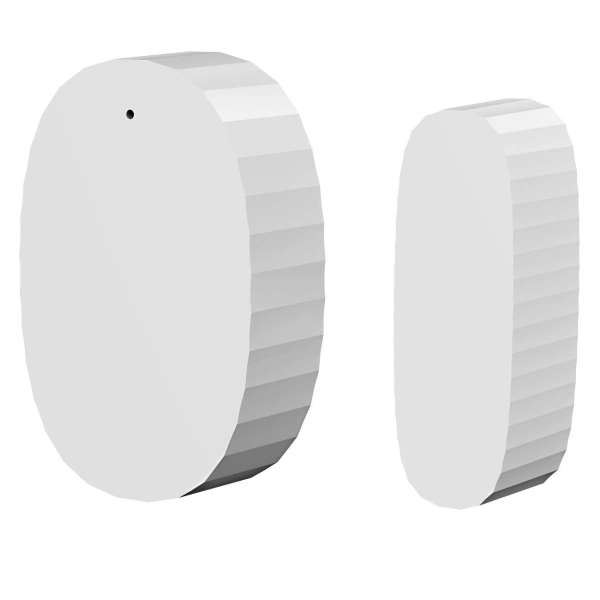
Heiman Smart Door Sensor D1-M
A smart door sensor with magnetic detection and ultra-low power wireless technology for enhanced security and long battery life.
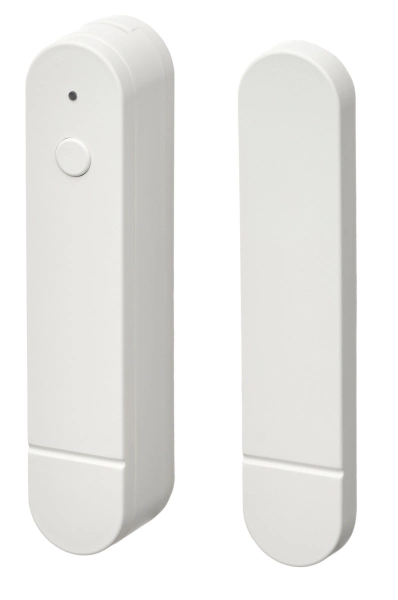
MYGGBETT Door/Window Sensor
A smart, discreet sensor that detects door or window movement and can trigger notifications or automate lighting.
But if you prefer native Matter options, I have to say, just go get an Aqara Door and Window P2 sensor at a discount, or grab three or four IKEA MYGGBETT sensors for the same price. While they do not have the fancy multi-state features of the P100, they get the basic open and close job done perfectly well. Frankly, until the Matter spec matures enough to force manufacturers to adopt these more complex device types properly, sticking to the basics is often the smartest move for your wallet.
Unless your installation is pretty strict and will not allow you to install a traditional two-piece magnet sensor, you should wait. But I will keep my fingers crossed for when Aqara finally decides to add more features to its native Matter mode so it would be better worth its US price (around $30 at launch).
(Image: Matter Alpha/Ward Zhou)