ThirdReality, a Matter device maker, has finally released an upgraded version of its iconic smart night light, this time with Thread connectivity.
The device keeps the same unique formula as before, combining a light sensor, a motion sensor, and a small directional LED. This makes it flexible enough for daily lighting, indicators, and automations. I have been using the new Smart Night Light-T for about a week, and here are my brief takes on the updated version.
TL;DR
Pros
- Compact and versatile design
- Stable Thread connectivity with smooth onboarding
- Fast response
- Apple Adaptive Lighting support
- Multi-purpose for automations
- Affordable price
Cons
- Light leakage from the upper case
- Relies on a vendor app for firmware updates
Unboxing and installation
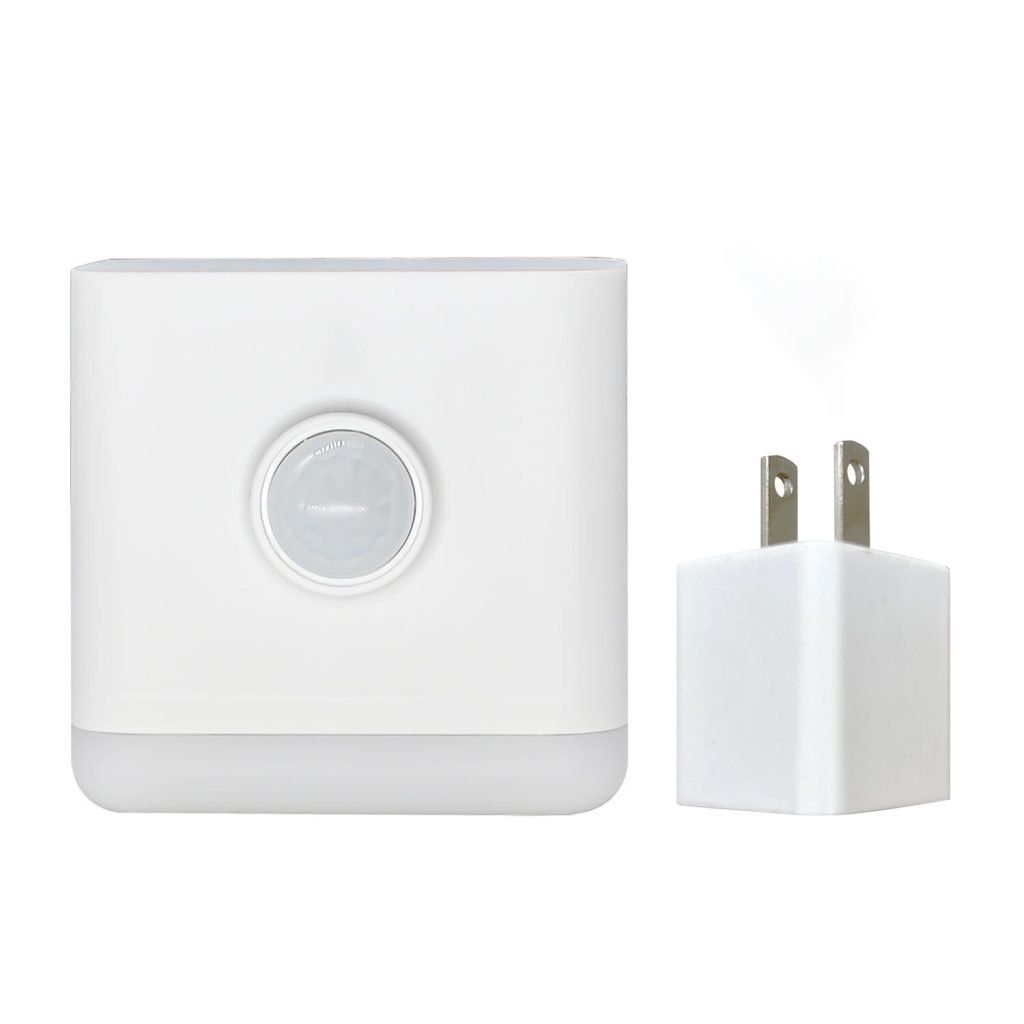
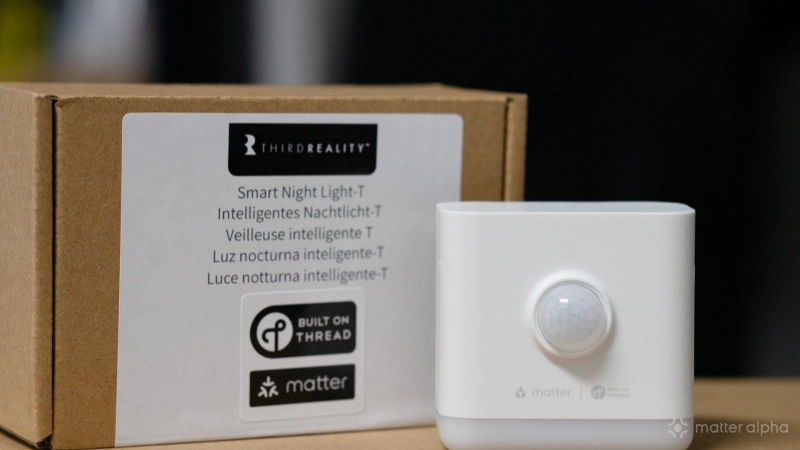
The smart night light comes in simple brown corrugated cardboard packaging. Like the Wi-Fi version, it uses a detachable design, making it easy to swap power plugs for different regions and socket standards. You can also power it via USB using a Type-A female-to-male cable, which is useful when a wall socket is not available.
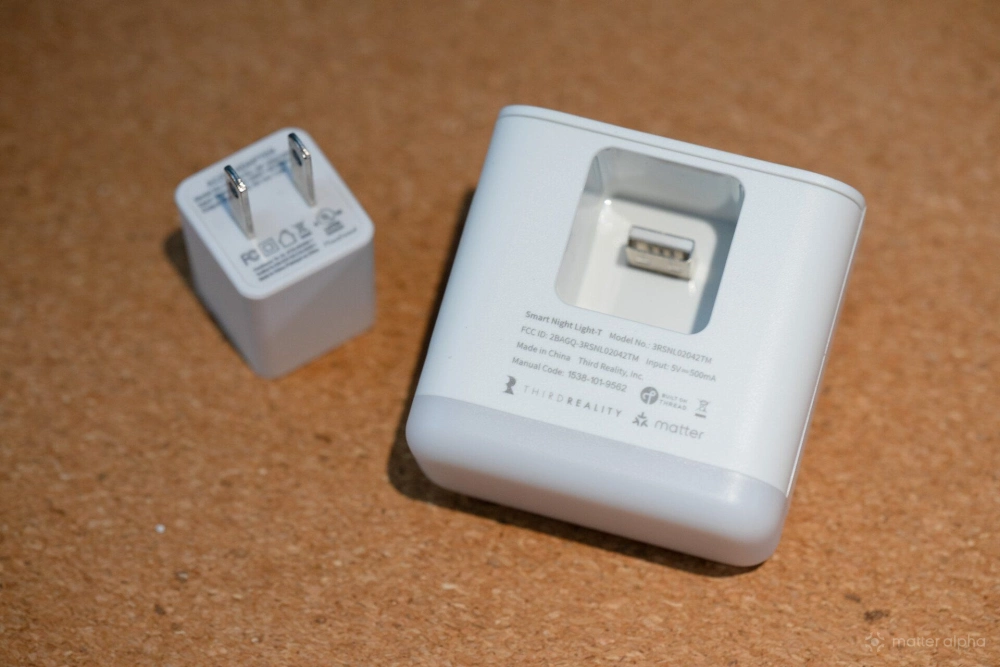
For my US version, the device supports two installation orientations, facing up or down. Depending on socket height and placement, you can choose the direction that best suits how you want the light to cast. The EU version should have a similar experience, depending on your socket design.
Once plugged in, the night light automatically enters pairing mode. Onboarding succeeded on my first two attempts on iOS. That was expected, as my iPhone was clearly unhappy with my Wi-Fi access point being connected upstream to the router rather than directly to the downstream switch. It succeeded immediately after I switched the AP.
Design and features
The original night light was a strong piece of design when it launched during the early days of Matter, and the upgraded version keeps all of its strengths.
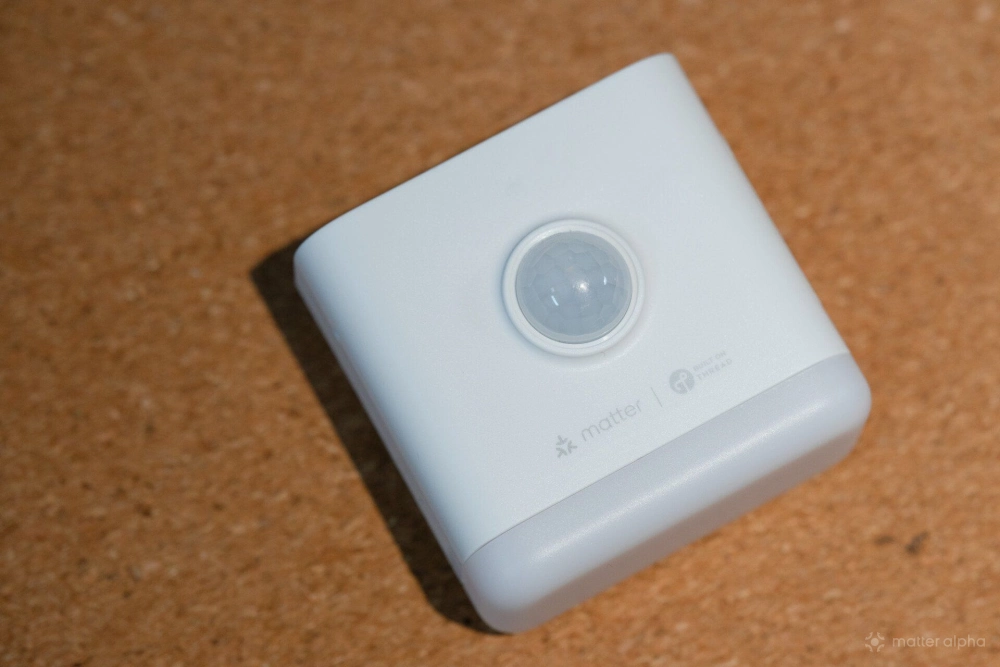
The device remains compact, roughly the size of an EU wall socket square. The plug prongs are placed close to the edge, which means it does not block neighboring outlets on common US sockets.
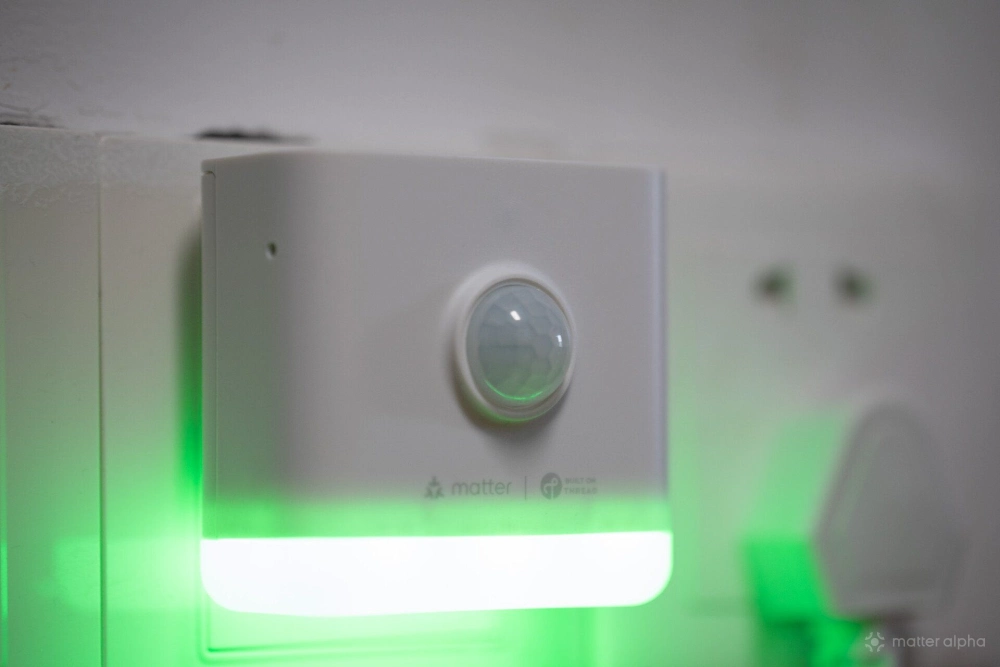
The front places a prominent Fresnel lens for motion detection. Combined with the built-in ambient light sensor, the device can easily function as a night light that only turns on when motion is detected in darker conditions.
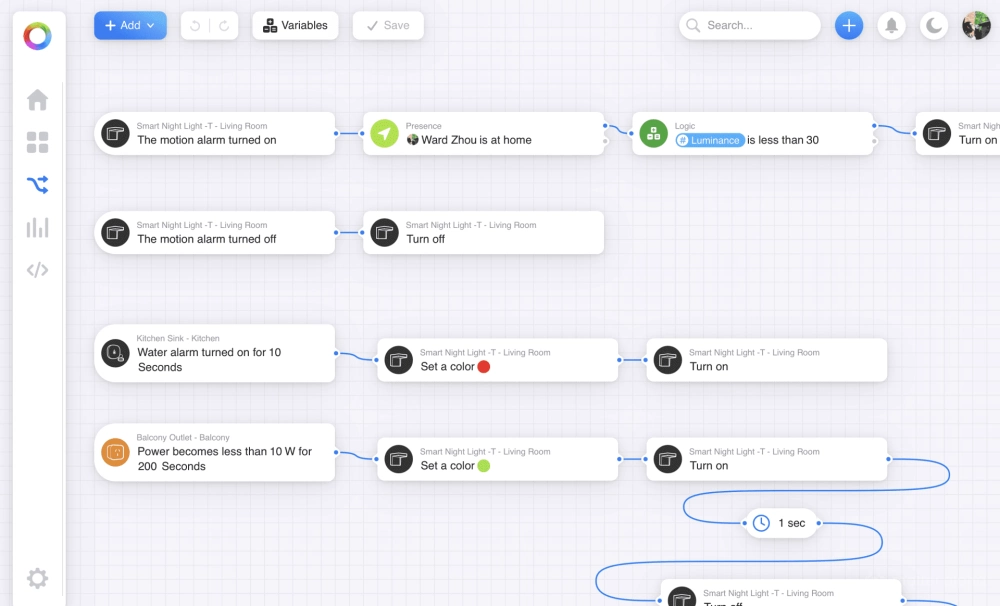
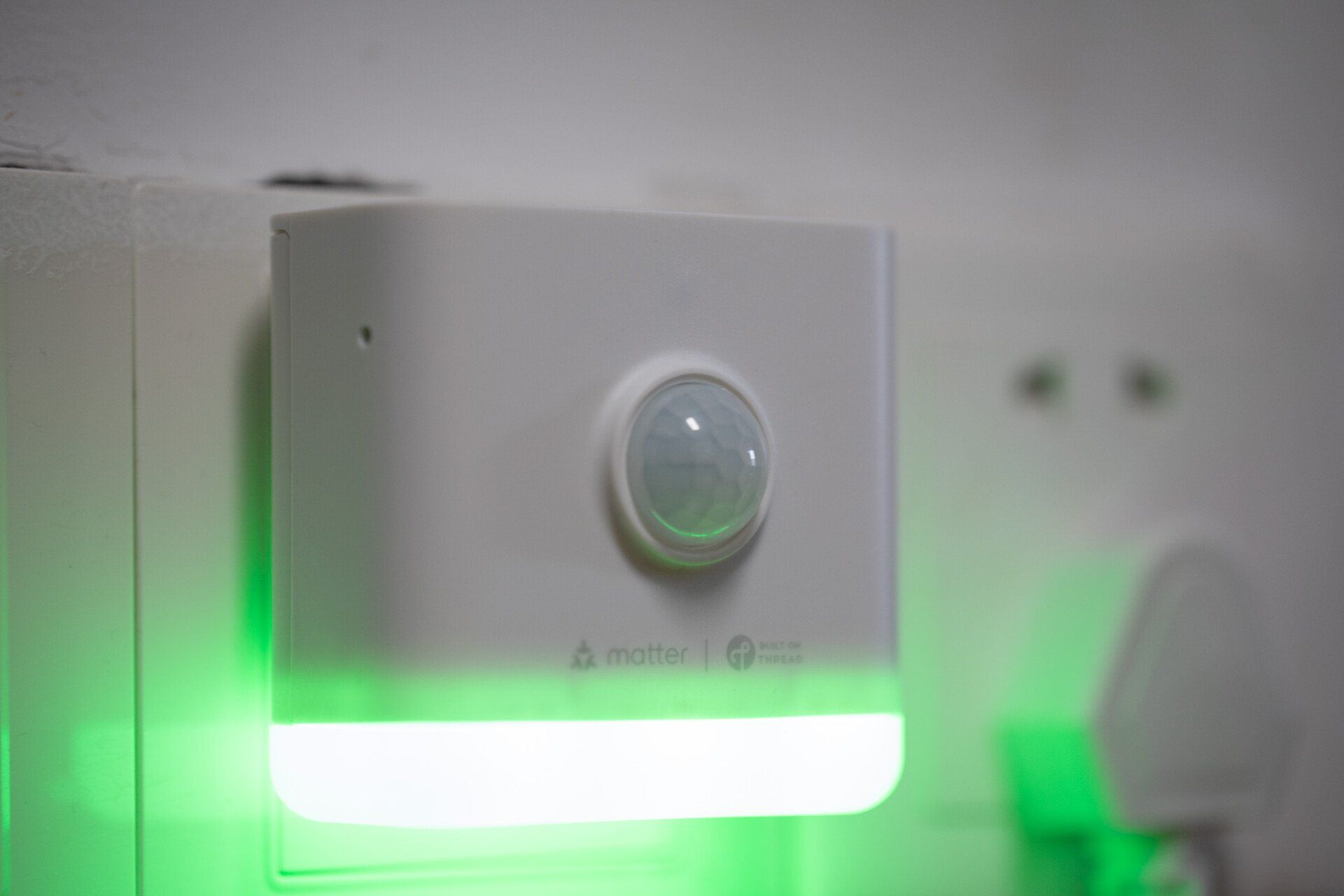
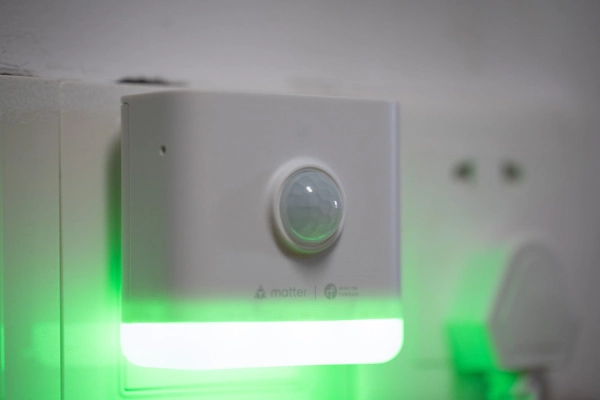
All three main features, the RGB LED and the two sensors, are exposed to Matter platforms. Thanks to Thread, response times are fast. I set it up as an indicator light that flashes green when my laundry is finished. It handled repeated commands well, toggling on and off six times in a row with one-second intervals. The color output is vivid enough for indicator use, and I appreciate that it can produce the cheering green I prefer.
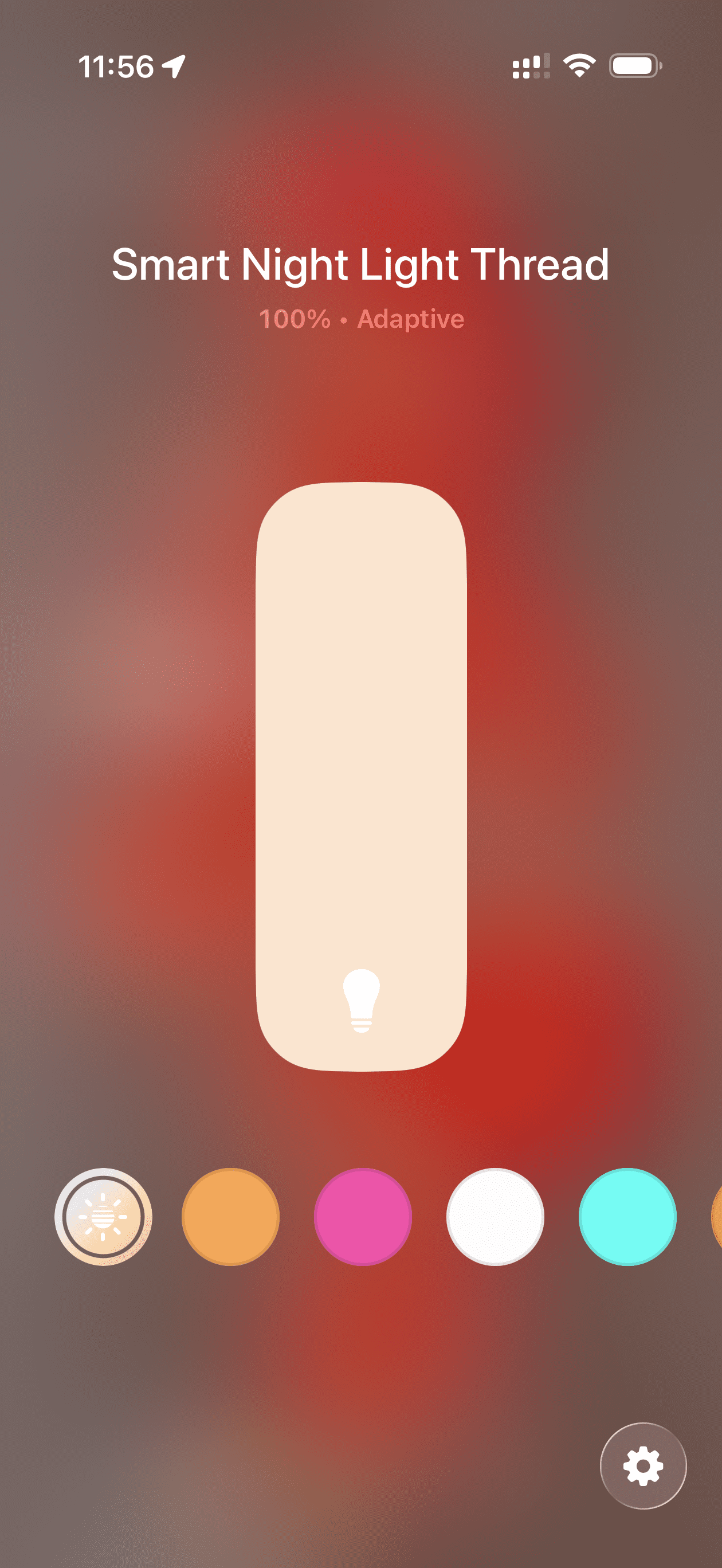
For traditional night light use, the device can switch to color temperature mode. Apple users also get the option to enable Adaptive Lighting, allowing the color temperature to change automatically throughout the day. And it reports state changes quickly with a wide detection range.
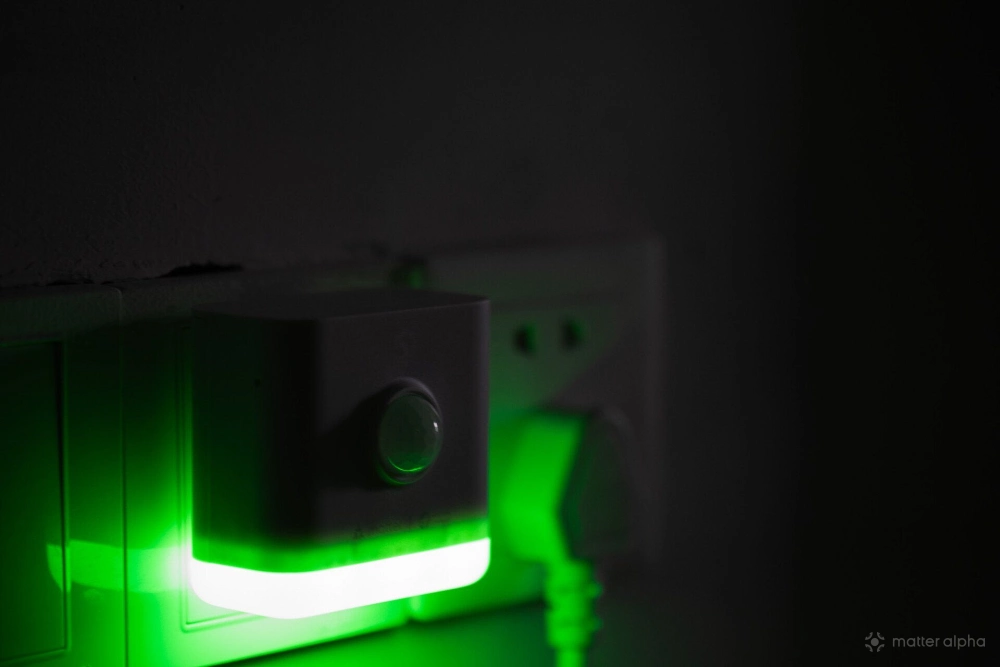
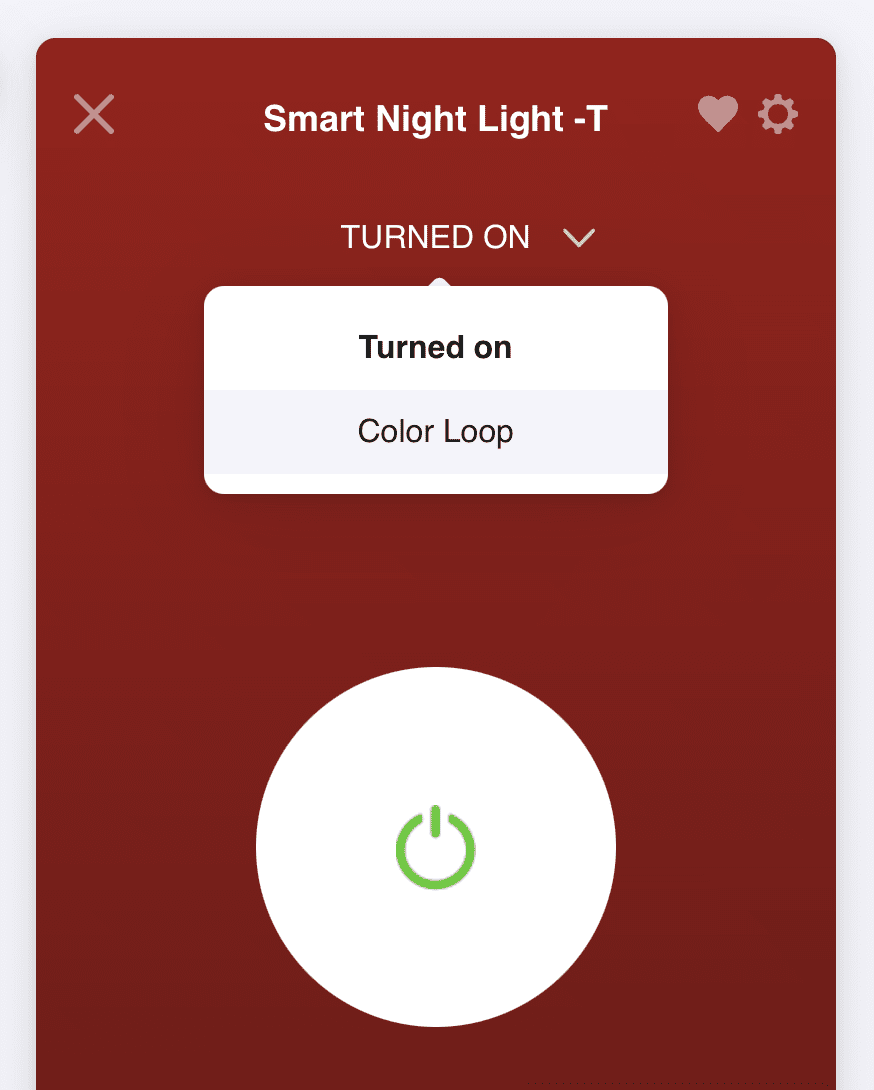
Power recovery options are available on both Home Assistant and Homey. In addition, Homey offers a color-loop feature that makes the light shine similarly to the Homey Pro hub.
One drawback is that there is noticeable light leakage at the housing joint between the two materials. You would see it as soon as the LED turns on, and it may not meet stricter aesthetic expectations.
Firmware updates currently require the 3R-Installer app, which also acts as a Matter controller. While I do not personally hate vendor apps, relying on one for OTA updates still feels like a missed part for a Matter device.
A new core that powers Thread
Unlike the ThirdReality smart switch MT1, which is based on Nordic chipsets, the Smart Night Light-T uses a less common Thread solution BL706, according to the vendor. In practice, this turned out to be a surprise. Over a full week of testing, I did not experience a single drop or failure.
I added the device to three platforms on my primary and somewhat messy home network: Apple Home, Home Assistant, and Homey running on a self-hosted server. All major features worked perfectly across platforms and remained responsive even under jammed network conditions. By comparison, the Wi-Fi version of this light has recently crashed multiple times under the same setup. For me, this is a clear reason not to go back to the Wi-Fi model. And since the device serves as a central visual alert in my home, reliability matters more than anything else.
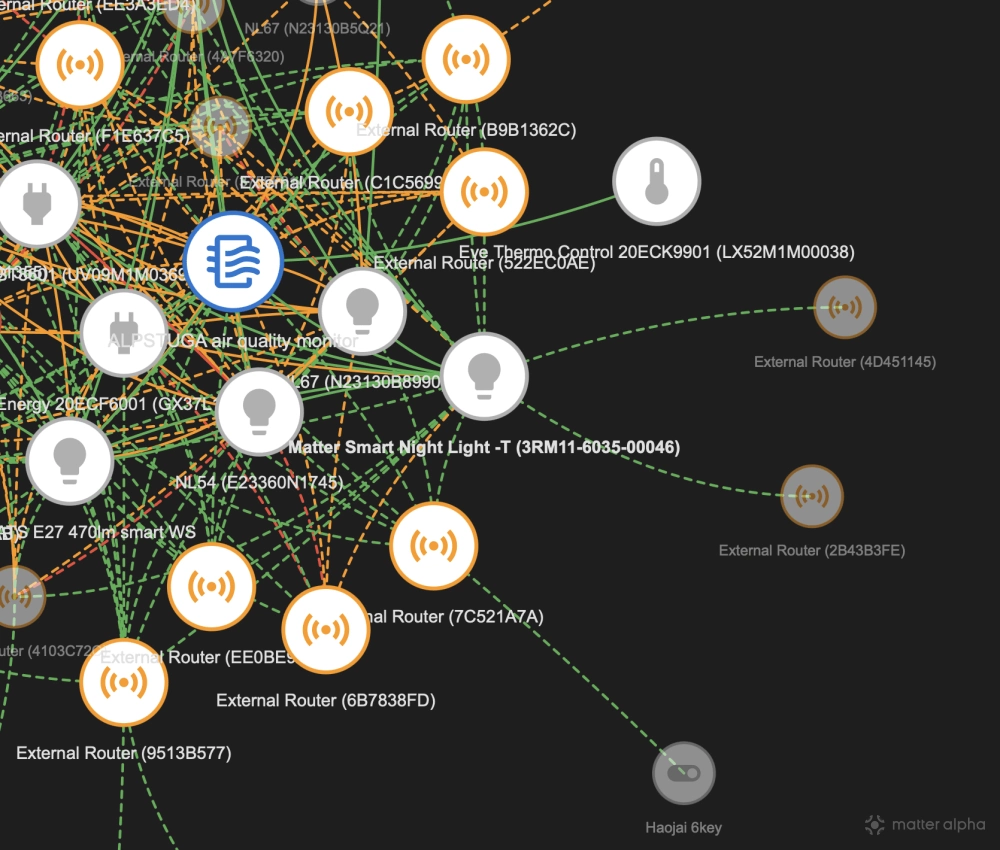
Because it is mains-powered and always on, the night light also functions as a Thread router. Based on my observations, it has taken on a significant portion of my Thread mesh, likely due to its central location and strong signal strength.
It is truly impressive that a less common radio platform can handle Matter and Thread this well. According to cluster information exposed through the Open Home Foundation Matter Server, the device is running Matter 1.4.1 and Thread 1.3. While the Matter version is relatively recent, the Thread version is older.
Final take
The ThirdReality Smart Night Light-T has become one of my favorite devices at home. The reasons are simple: a thoughtful design, multi-functionality for automations, solid stability, Thread connectivity, and a reasonable price tag.
In daily use, its fast response, stable sensing, and dependable Thread routing make it easy to forget it is there, yet it properly shows up when needed as a night light or visual alert. That quiet reliability is what turns a simple accessory into something you can actually depend on every day.
The ThirdReality Smart Night Light-T should work well both as an addition to your existing smart home setup or a first Matter device to newcomers. The classic three-in-one design becomes far more capable with Thread and Matter support. And as one of the first officially released products using a Bouffalo Lab Thread chipset, the release sets an encouraging example for future low-cost, high-reliability Matter devices.
The Smart Night Light-T is currently available on the vendor’s website for backorder at $29.99, the same price as the previous Wi-Fi version. Amazon listings should come later as usual.
(Image: Matter Alpha/Ward Zhou)