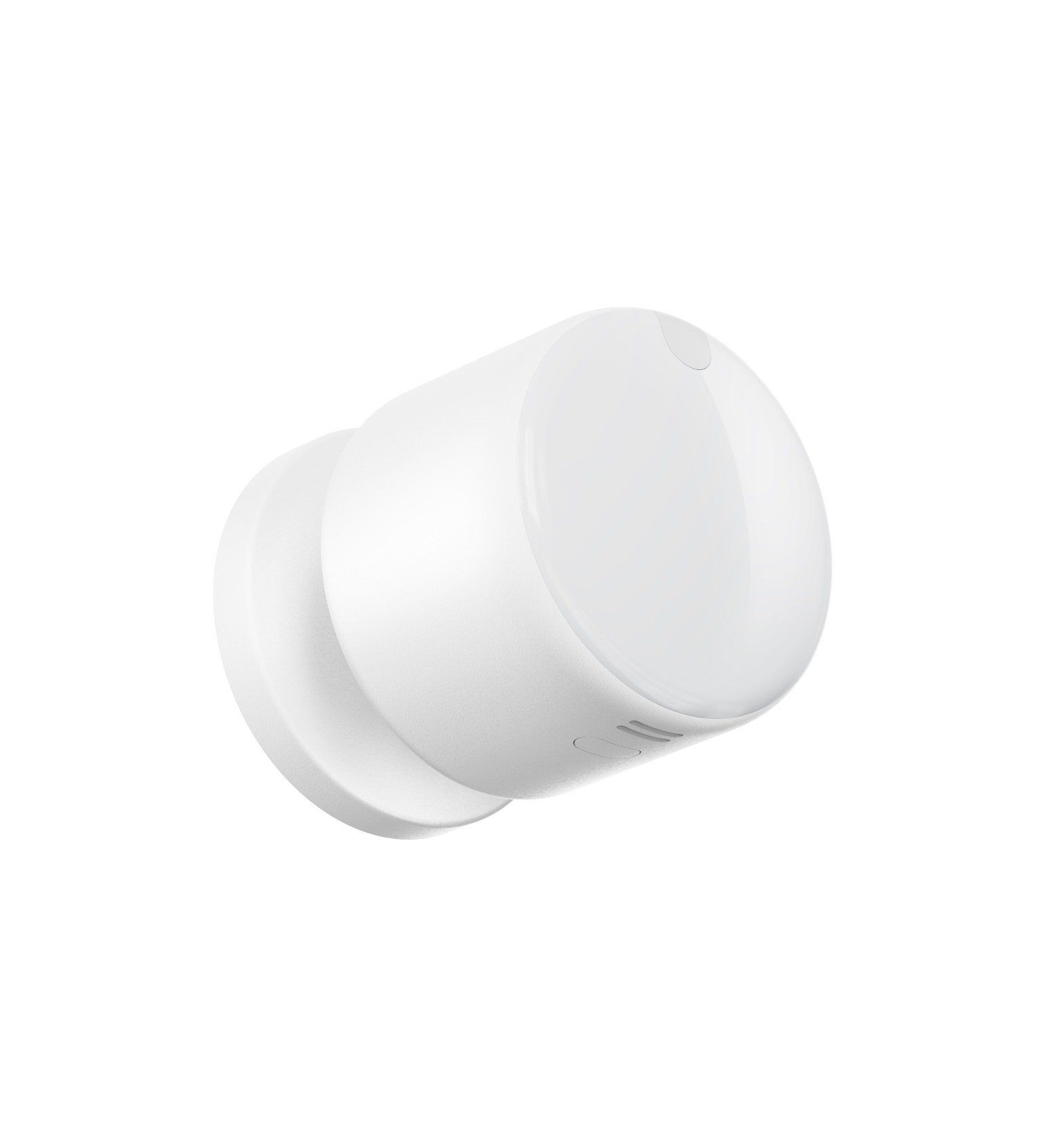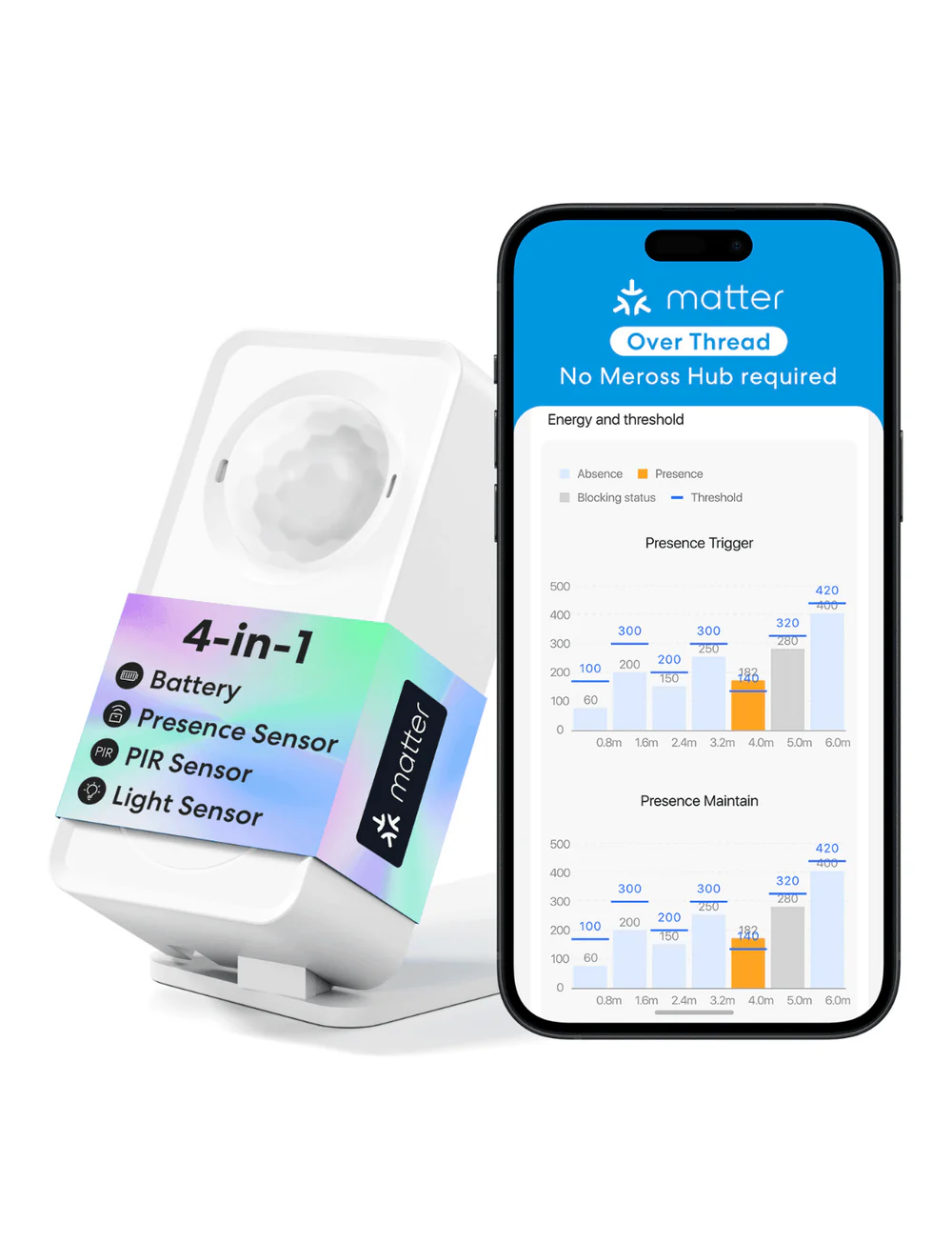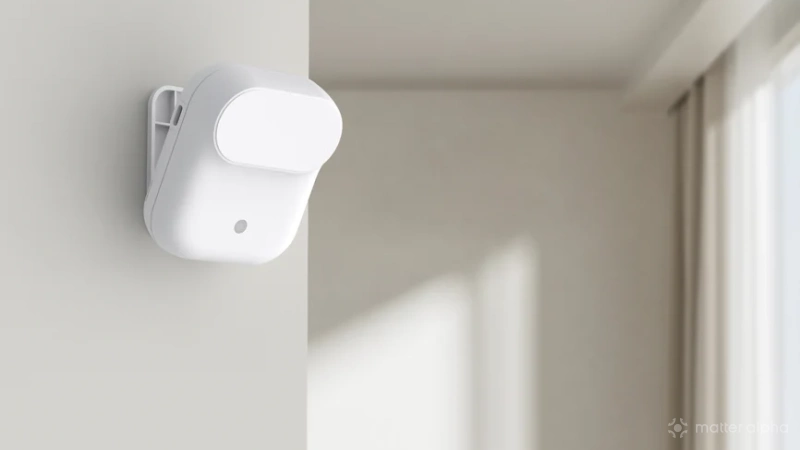
Motion sensing is a powerful tool in the smart home, but it tends to be a blunt instrument based on decades old passive infra-red technology. MmWave is a newer, radar-based technology that can more accurately detect the presence of moving objects in a room, and as such is suited to Matter smart home integrations. Rather than a single event to let you know "motion was detected", a mmWave sensor offers a continuous status of "someone is in the room right now, and continues to be".
The name comes from the wavelength of the electromagnetic signals sent out: between 1 and 10 millimeters (30 to 300GHz). That's somewhere between a microwave and infra-red light.
I'll note that some of the 5G spectrum can also be described as mmWave, but in this article we're only concerned with its use within the home for presence sensing.
The problem with traditional motion sensors
Until now, presence sensing has used passive infra-red sensors, which detect motion by measuring a change in heat radiation given off by all living beings. Think: a really low resolution camera that can only see heat signatures. Movement is key though. These kinds of sensors are easily defeated by simply standing still, walking really slowly, or even just approaching the sensor head-on. Rapid ambient temperature changes can also produce false alarms.
While that's fine in some circumstances, like temporarily activating a porch light as you fumble for your keys, it's useless for keeping a light on if you sit down to read a book. I think we've all done the swearing under your breath and random gesticulating of your hand when the motion activated light turns off, and you're left sitting on the loo in the pitch black.
For many situations, you don't actually want to detect movement, it's just that happens to have been the best solution we had until recently — you want to detect when a room is occupied. That's true "presence sensing".
How mmWave works, in simple terms
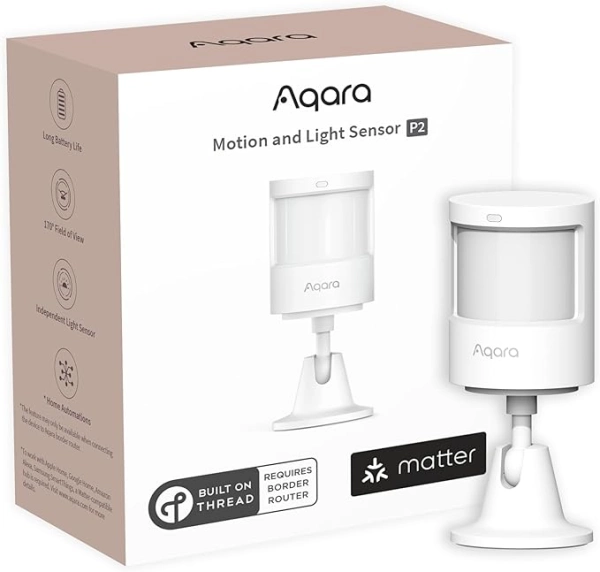
Aqara Motion and Light Sensor P2
The Aqara Motion and Light Sensor P2, part number AS057, is a unique component of the Aqara smart home ecosystem, offering compatibility with the Matter protocol, and providing seamless integration with popular virtual assistants for enhanced home automation.
This brand helps to support our site to remain ad-free.
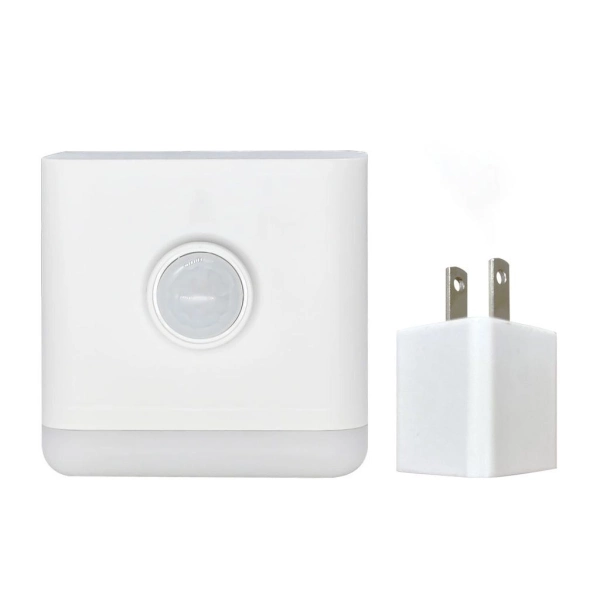
Read more about our ethics policyThirdReality Smart Color Night Light
The ThirdReality Smart Color Night Light (3RSNL02041WM) is a Matter protocol device offering color lighting and motion sensing capabilities.
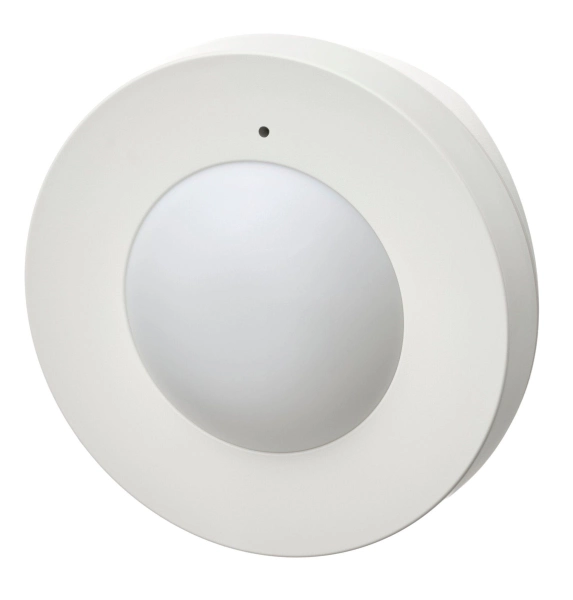
MYGGSPRAY Motion Sensor
A versatile motion sensor that automatically activates lighting indoors or outdoors when movement is detected.
A mmWave presence sensor emits electromagnetic radio waves and measures the reflections, like a radar on a fishing boat. Tiny changes in the reflections can indicate movement — even movement as subtle as a human breathing or a slight hand movement.
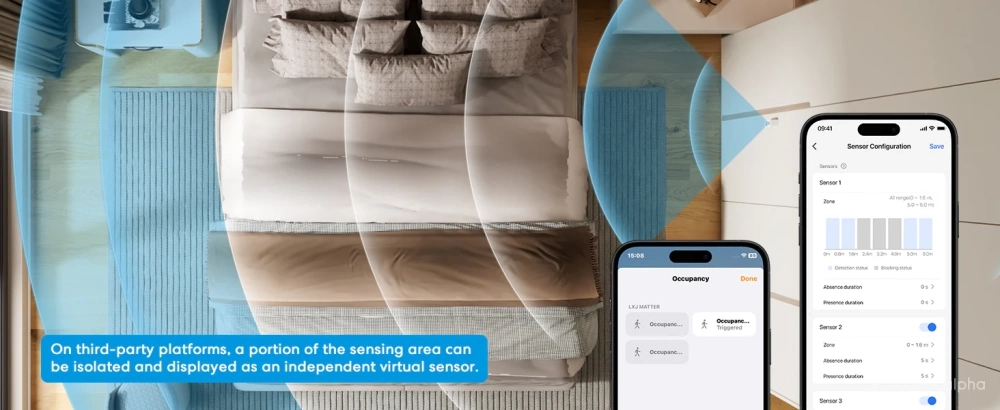
Some mmWave presence sensors, like the Meross MS605, can even divide a room into sections, in effect giving you multiple presence sensors in one package.
The downsides and limitations of mmWave presence sensing
mmWave sensors can be fiddly to position correctly, and sometimes they can even be too accurate, able to detect movement through thin walls or doors. While this might be handy in some cases, it can be annoying. They often need to be tuned for sensitivity, range, and detection delay for the best results. Usually, they're a little slower to activate than PIR, too.
Since mmWave sensors are so good at detecting small movements, false positives can be common from fans, pets, or just a gust of wind twitching the curtains. Good positioning is critical.
The main downside of mmWave sensors is the price: you're looking at upwards of $30 for each Matter-compatible mmWave sensor, with PIR sensors usually about half that. If a simple motion sensor could do the trick instead, these are our favorites.
Where mmWave works best in the home
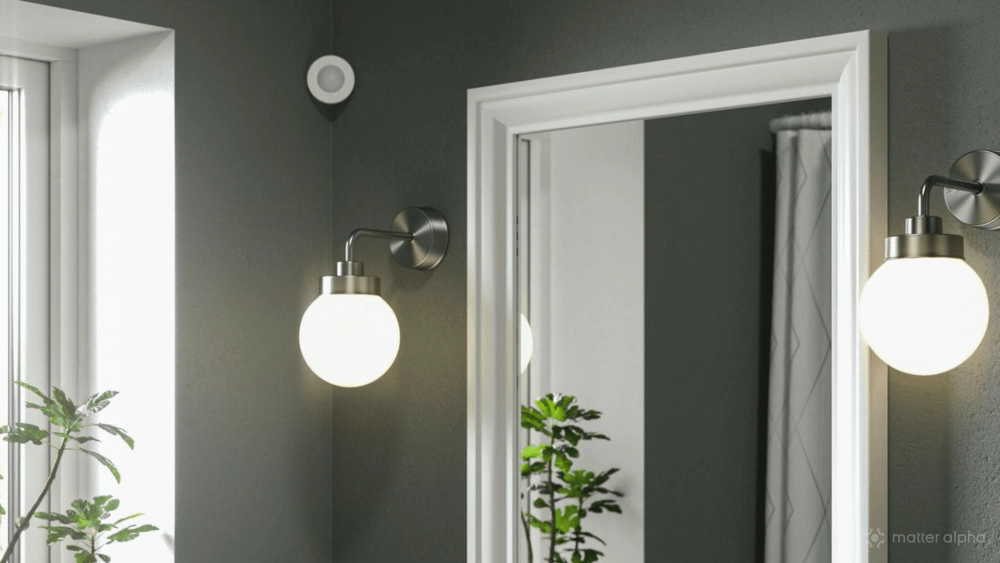
Not every room needs an expensive mmWave sensor. They're good for locations where people tend to hang out for extended periods (office, living room, bedroom), as opposed to transitory spaces like cupboards, hallways, or a front door. You can also combine them for the best effect: use the PIR sensor to turn on a light quickly, then use the mmWave presence sensor to see when it should be turned off. This is also ideal for bathroom fans, and if you have responsive heating systems or HVAC, it can be handy for those, too.
With a multizone sensor, you can ensure larger rooms are only lit where they need to be, activating different areas of a larger room as you move around it.
Get mmWave if you’re annoyed by lights turning off while you’re still there, or want the most reliable data for advanced automations with Home Assistant. A dashboard that dims unoccupied rooms and tracks people through the house is absolutely possible with a combination of passive Bluetooth beacon sensing and mmWave presence sensors. Stick with PIR if you only need a simple motion trigger or want lights to stay on for a set amount of time determined by your own automations.
You don't actually have to choose one or the other though! The Aqara FP300 is a combination 5-in-1 that features both PIR for quick activation and 60GHz mmWave for precise presence detection — the best of both worlds. And just because they could, they threw in light, temperature, and humidity sensors too; it's the ultimate all-in-one sensor for every room in your house, and the ability to split sensing into zones.
But it's certainly not the only one — read our round-up of the best Matter-compatible mmWave sensors to find the best for your situation.