There is a vast selection available of IKEA lighting products, including all kinds of lamps, smart bulbs, smart remotes, and fixture lighting. While you are walking through the massive maze of the store, the sheer number of options can be overwhelming. Beyond simply finding a design you like, making a wise choice regarding lamp types and bulb variations matters just as much for building a smart home.
As an enthusiast who visits the local stores once a week, here is my general advice to help you decide which lighting pieces to bring home.
Basic idea: Lamp plus bulb
Unlike most fixtures you might find elsewhere, the company usually sells its lamps without a bulb included. You need to pick out the physical lamp first and then seek out a bulb that fits inside it.
On the retail packaging, you will find details indicating whether it contains a bulb, a remote, or a power supply. There is always a clear exclusion label printed right next to the specific items (bulb, cable, and power adapter) you need to buy separately to make the lamp work.
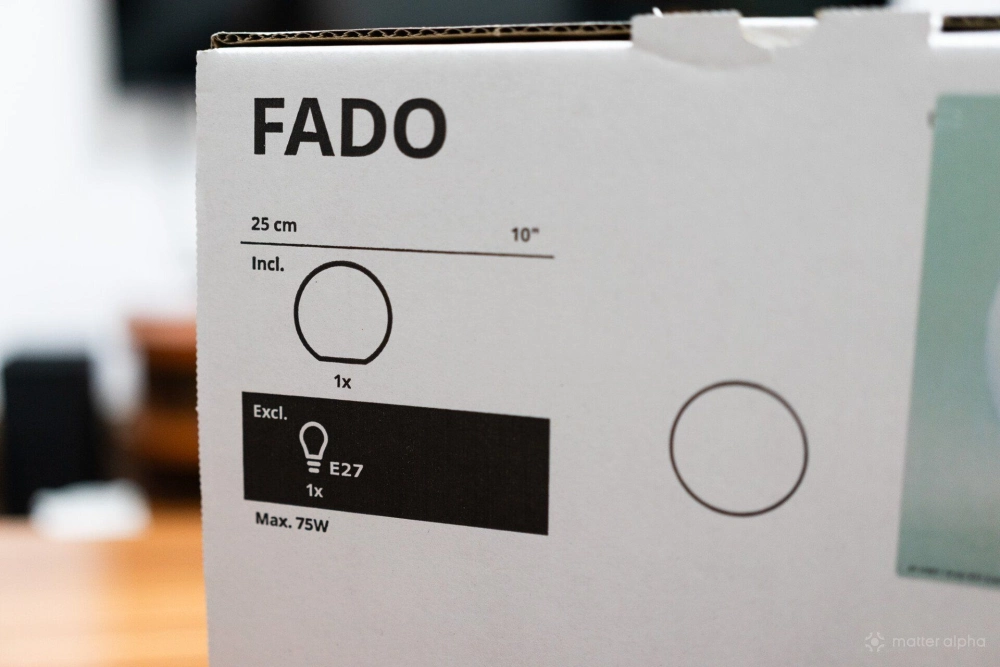
For example, the retail box for the classic glass FADO globe lamp shows it requires an E27/E26 light bulb with a maximum power cap of 75 watts. With that key information regarding the screw size and the maximum wattage, you can easily find the matching bulb in the lighting aisle.
Which lamp should you pick?
This is a general question that confuses many shoppers. There are two primary considerations that will help you decide. First, you should walk in with a specific goal. Telling yourself you want more ambiance in the bedroom, or you need a bright working lamp for your desk will immediately narrow down your options.
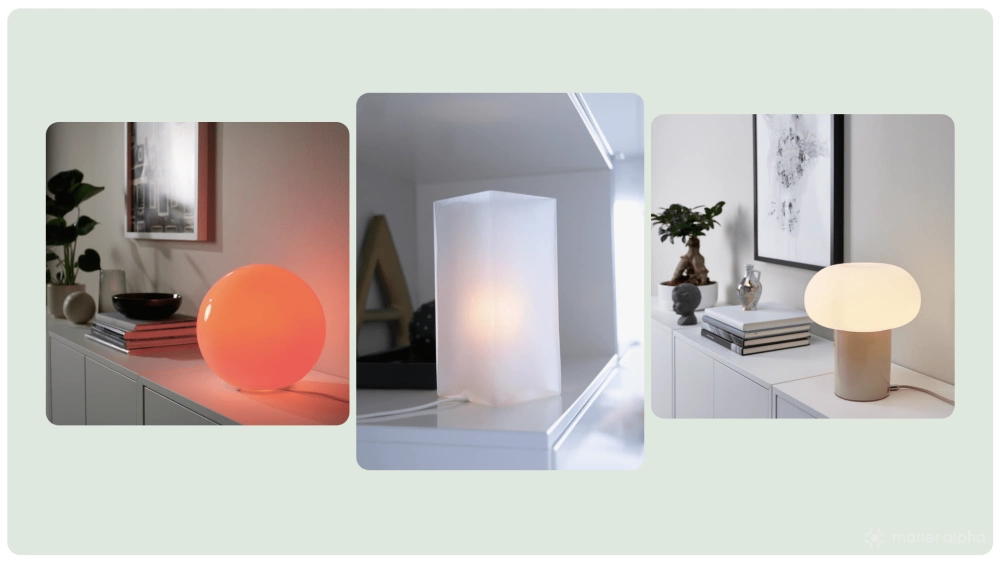
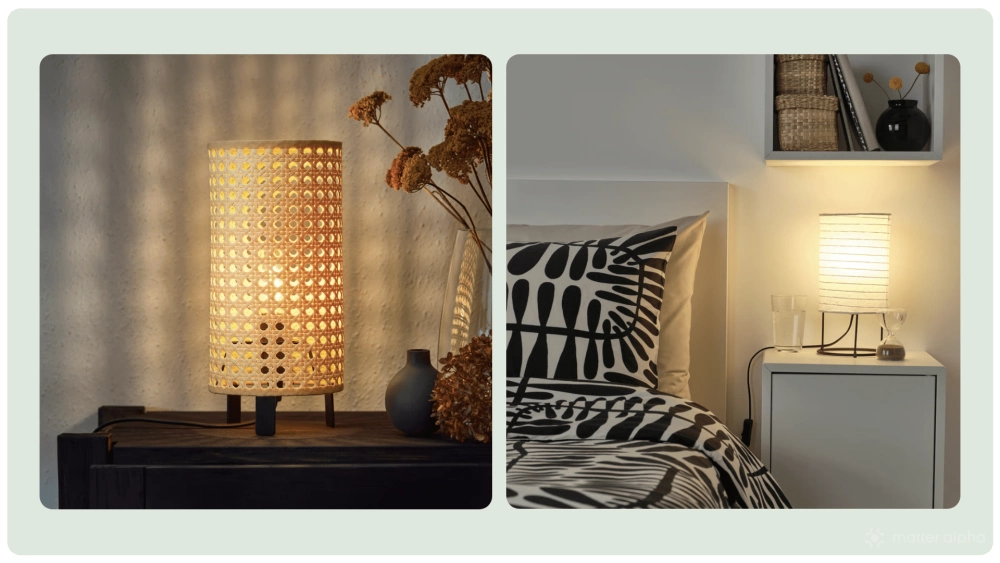
For adding ambiance, almost any lamp can do the job. Fixtures with proper shades provide a gentle and cozy glow. Frosted glass and matte plastic covers, like those found on the DEJSA table lamp or the popular GRONO lamp, usually fill a room corner with very even light. Table lamps featuring shades woven from rattan or crafted from coarse paper, such as the classic SAXHYTTAN lamp, cast visually appealing patterns of light and shadow.
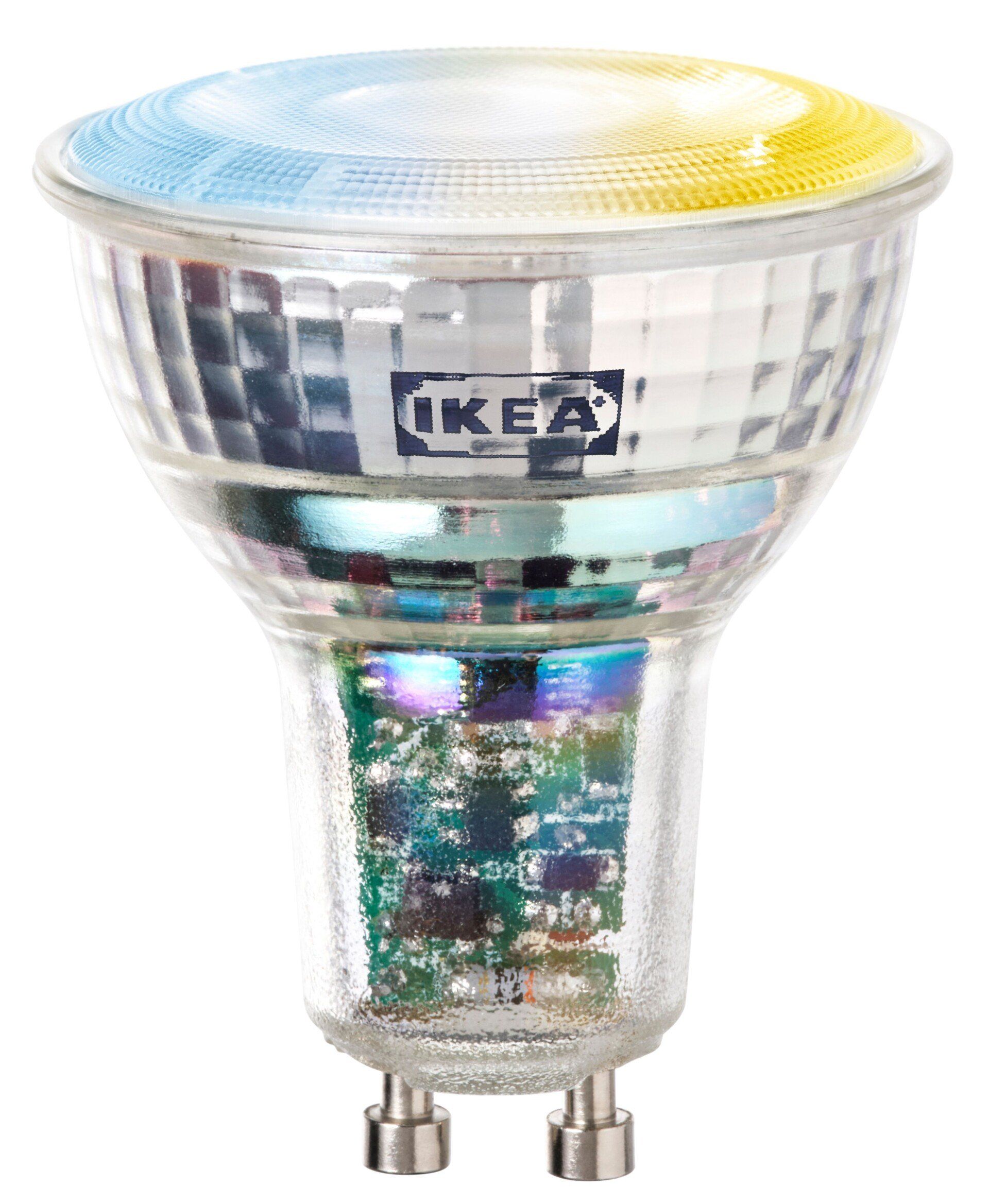
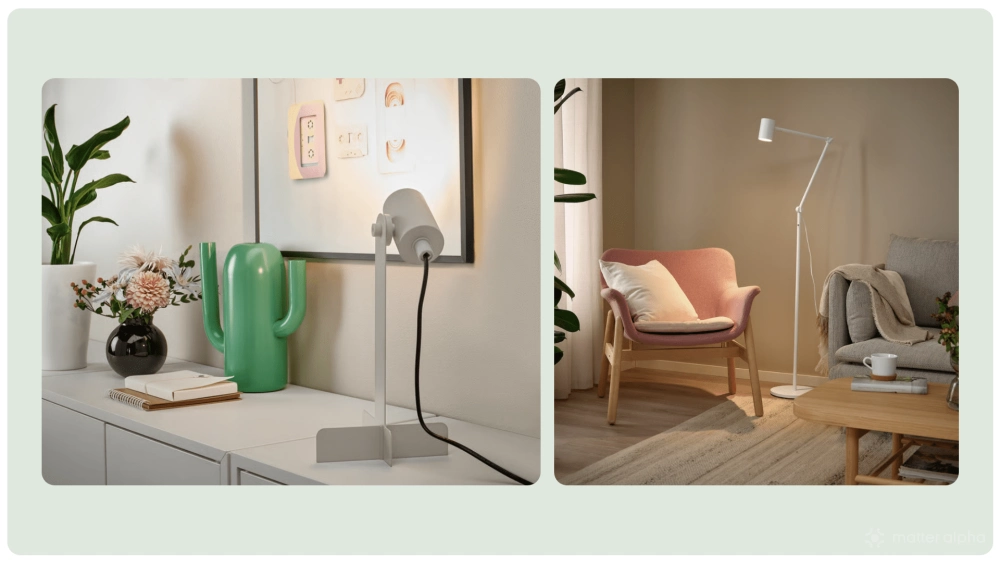
Smaller spotlight lamps, like the FLOTTILJ and NYMANE, usually rely on compact GU10 bulbs. These are perfect for highlighting specific parts of your home. You can use them to cast dramatic shadows against the wall through your houseplants, illuminate your hanging pictures, or simply light up your coffee station for the morning routine.
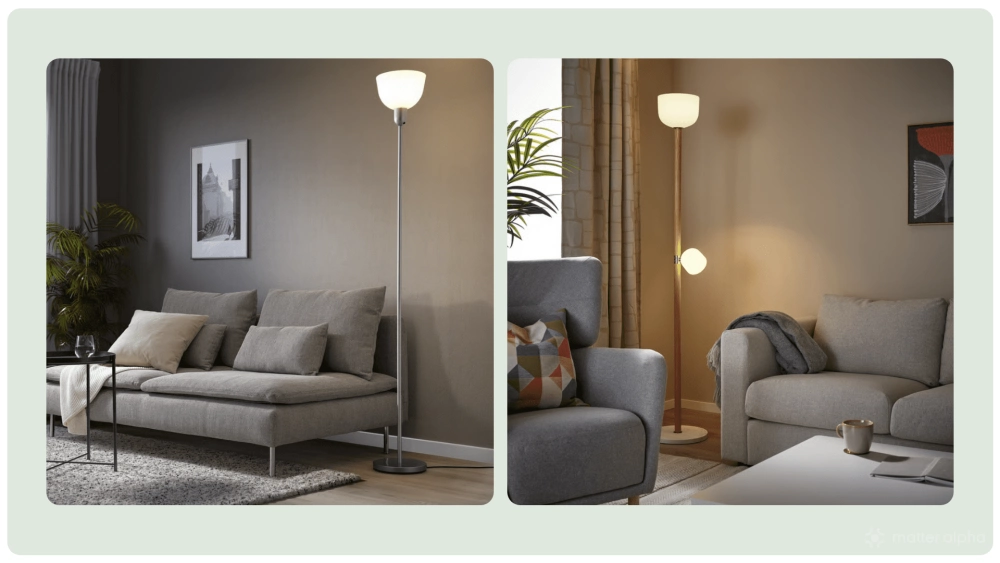
If you are looking for a secondary light source, a tall floor lamp like the MOSSPLYM or HEKTOGRAM is highly recommended. This style allows you to install a very bright bulb pointing upward, lighting up the entire ceiling and reflecting gentle, diffused light back down into the living space.
For specific utility, such as task lighting for your computer desk, you should look for adjustable options. There is a dedicated section in the store specifically for working lamps like the articulated FORSA work lamp. Depending on your workspace setup, you can place these directly on the table or permanently install them onto the wall.
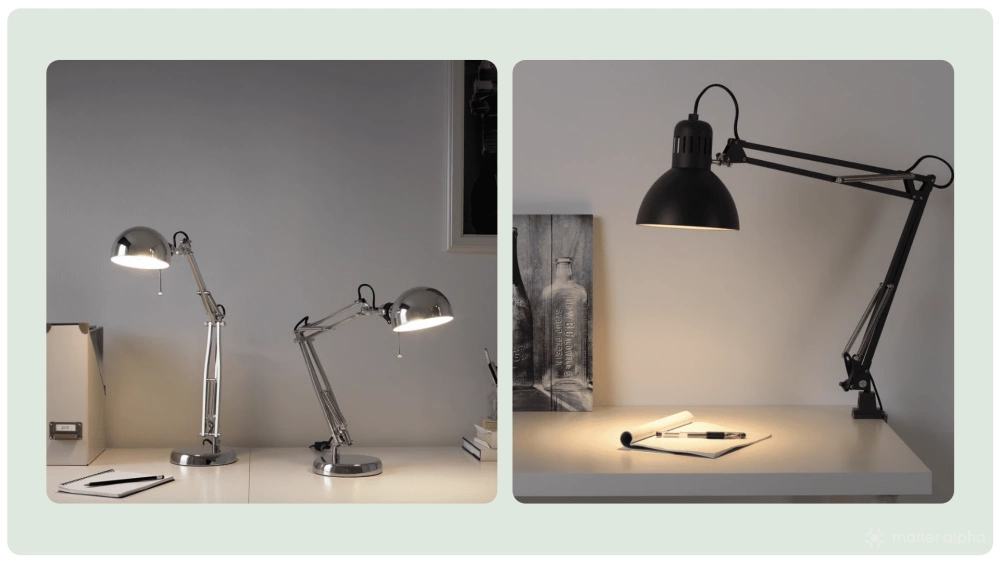
Another approach is to use reverse logic. You can look at the light effect in store first and then think about which part of your home it might fit. This often happens when you are amazed by a specific design but have zero initial thoughts on where to place it. The theory here remains similar. Lamps with heavy shades are great for both ambiance and secondary lighting, depending on the bulb you choose. Bare lamps are usually only suitable for ambiance. Smaller spotlights are great for highlighting decor but can also serve as focused task lighting.
Make the wise choice on bulbs
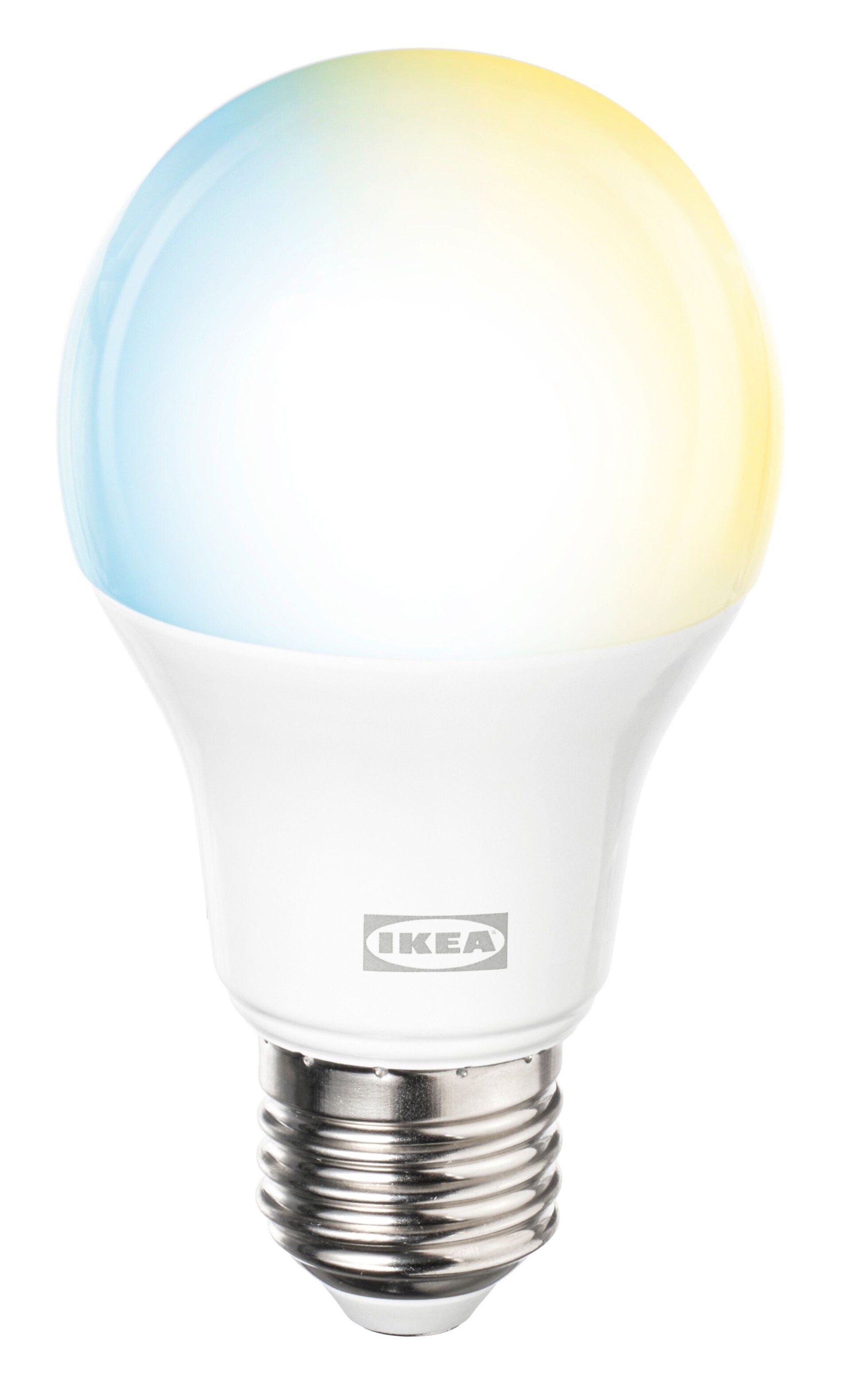
Smart bulbs are easier to pick out than you might think. There are only a few specific details you need to care about, including the form factor, the screw type, the maximum brightness, and the built-in smart capabilities.
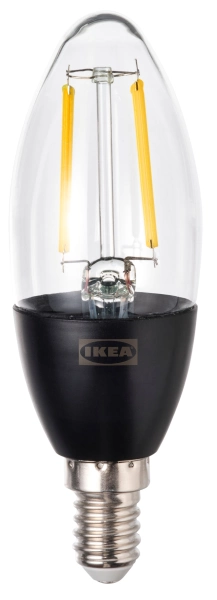
Regarding the form factor, the best practice is to pick a transparent filament bulb for bare fixtures or lampshades woven from open rattan like the BOJA lamp. These specific bulbs are designed to be visually admired rather than hidden away.
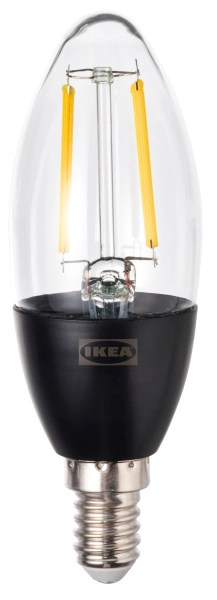
KAJPLATS E12 WS B38 CL 470lm
You must always pick the corresponding screw base type for your lamp.
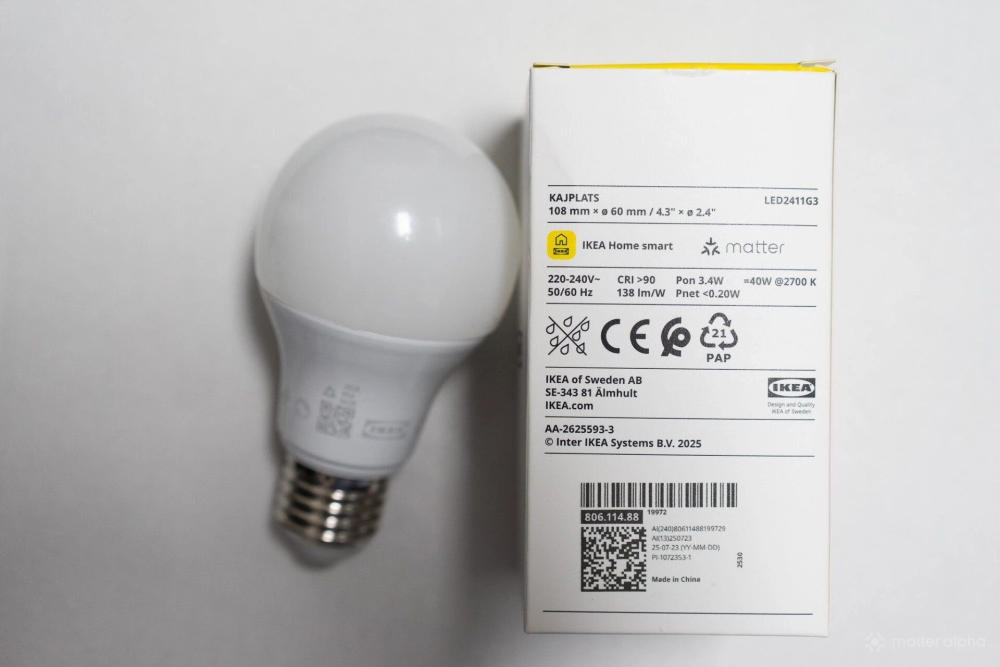
You can find this crucial information printed on the retail box. Depending on your region, there will be variations in standard socket sizes, so make sure you get the exact match.
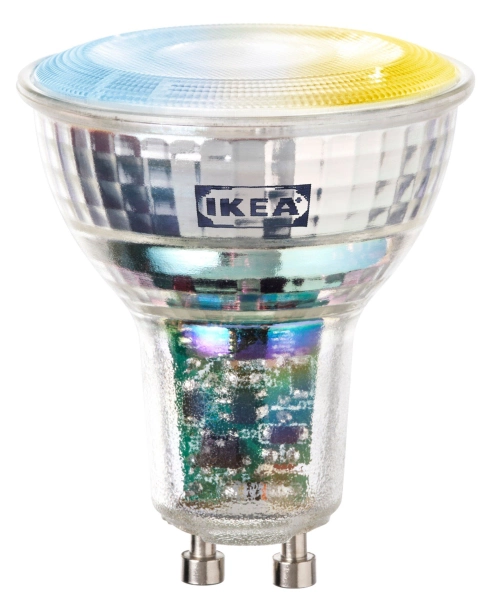
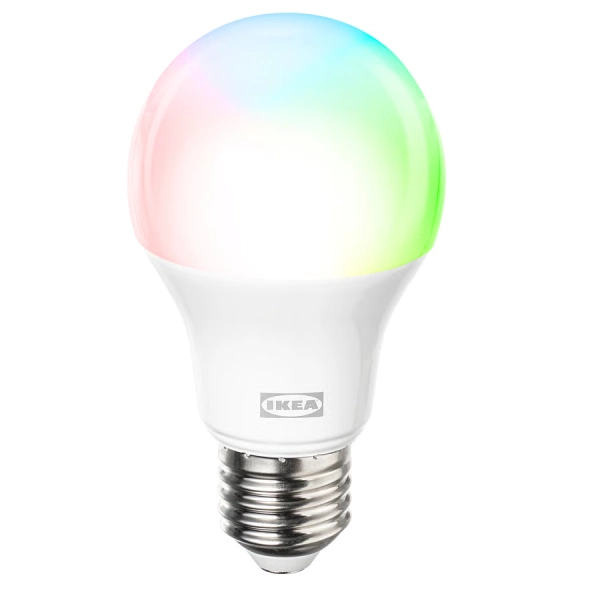
KAJPLATS E27 CWS globe 1055lm
A bright Matter-compatible smart LED bulb that combines colour-changing effects, adjustable white light, and wireless dimming in a frosted globe design suitable for everyday room lighting.
Brightness can be a tricky specification to get right because it entirely depends on what you want the lamp to do. For bare lamps and exposed filament bulbs, a 250 lumen option is more than enough. I typically run these at just one percent brightness at home purely for the visual ambiance. If you adjust an exposed bulb to a high brightness level, the harsh light will easily hurt your eyes.

KAJPLATS E26 WS globe 1100lm
A powerful smart LED bulb with adjustable white tones and dual Zigbee/Thread connectivity for flexible, connected lighting.
KAJPLATS E26 WS globe 1600lm
A powerful smart LED bulb with adjustable white tones and dual Zigbee/Thread connectivity for flexible, connected lighting.
For average room illumination, an 800 lumen bulb is the standard choice. If your chosen lamp has very thick shades, or if you prefer to use it as a strong secondary light source, a 1,100 lumen or 1,600 lumen bulb is bright enough to fill a mid-sized room. However, you may look closely at the power rating if you plan to buy the 1,600 lumen versions. Those brighter bulbs usually draw up to 10 watts at maximum capacity, which can easily exceed the safe 7.5 watt limit of some smaller decorative lamps.
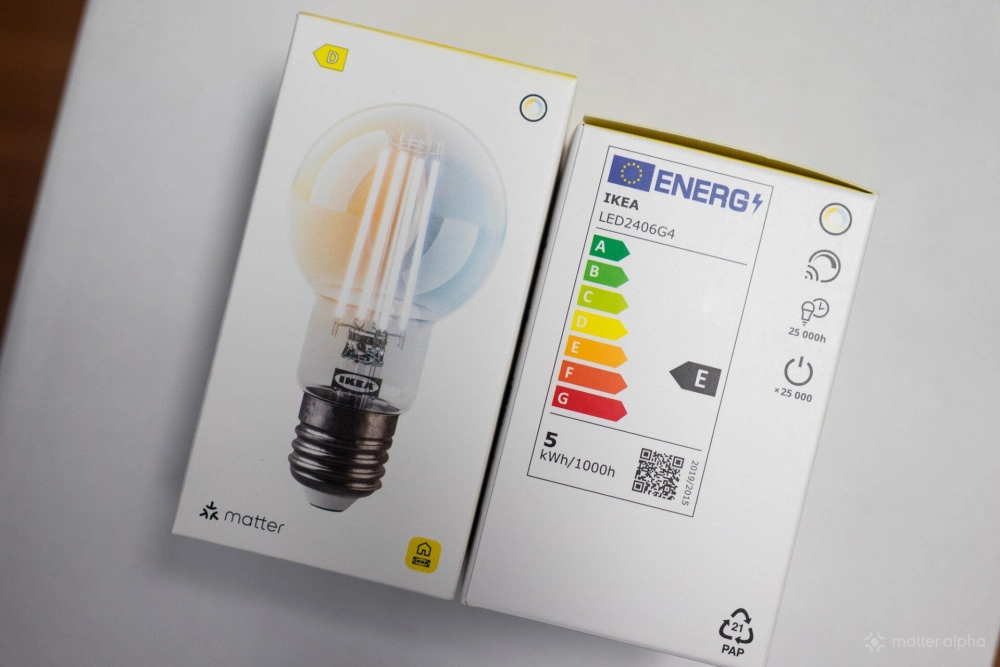
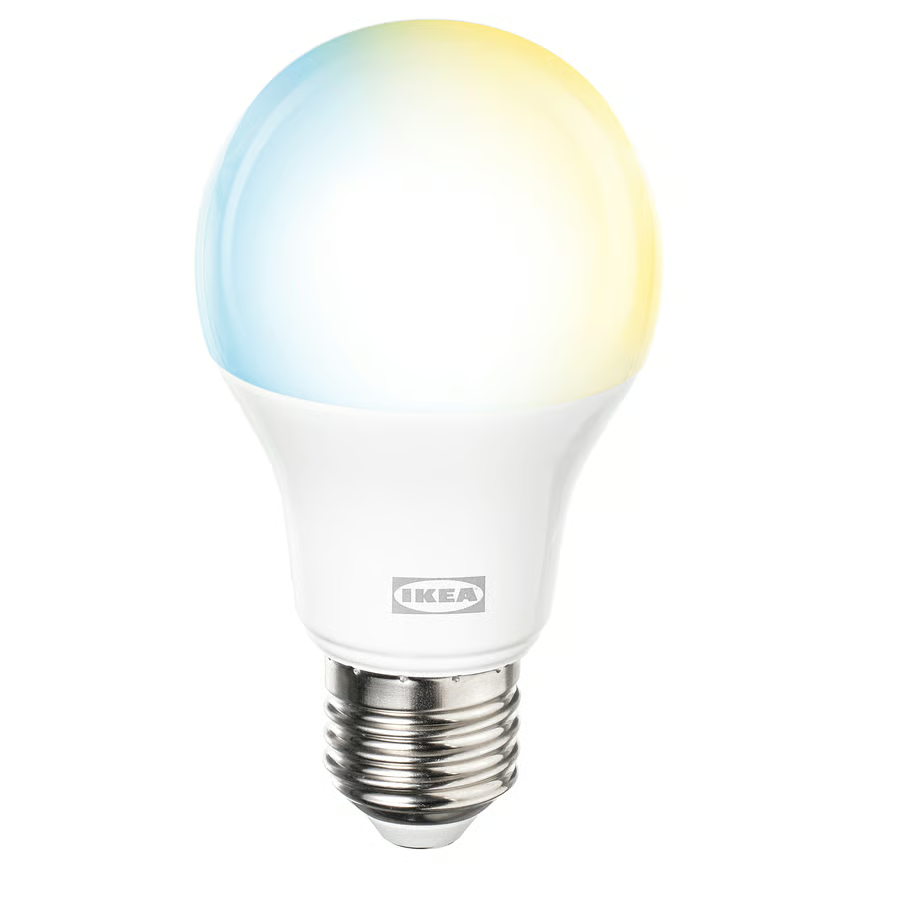
Regarding smart capabilities, the company prints clear compatibility signs on the packaging. You should look for the Matter logo if you want the KAJPLATS smart bulbs to connect directly to third-party platforms like Apple Home or Home Assistant. For filament bulbs (clear Edison bulbs), I highly recommend buying the tunable color temperature versions. You will see a cool-to-warm symbol on the box, indicating that the white light can be automatically adjusted according to the hour of the day with a simple setting in IKEA and some Matter platforms.
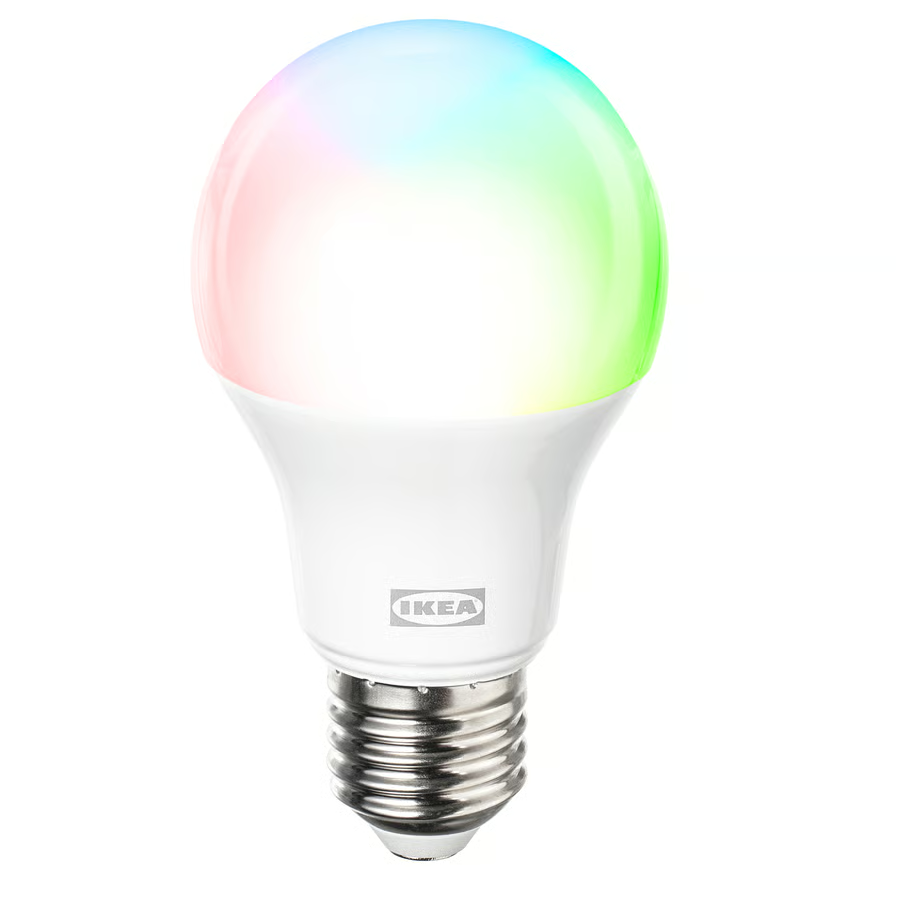
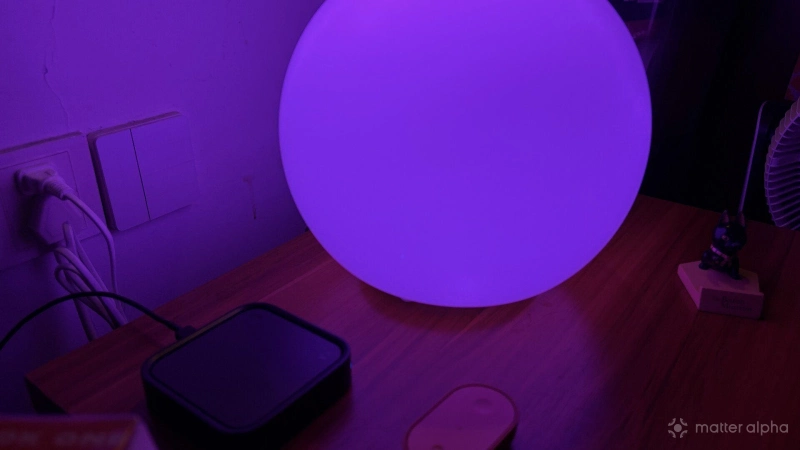
For general use and flexible ambiance, go with a full color bulb. Working together with the lamp shade you choose, these can create a brilliant and colorful atmosphere in your home. Just keep in mind that the maximum brightness listed on the box usually refers to its pure white color output. The color hue mode generally has a lower brightness level.
For secondary room lights, it is usually best to stick with tunable color temperature bulbs because overall brightness matters much more than having novelty colors.
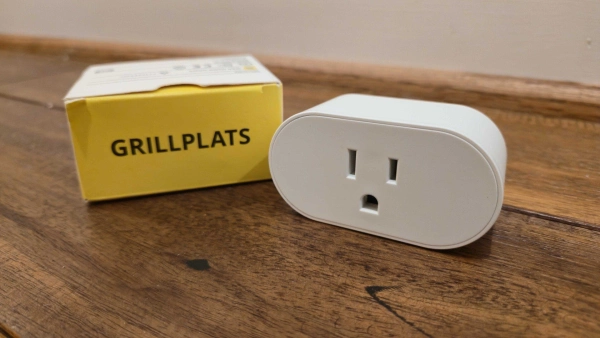
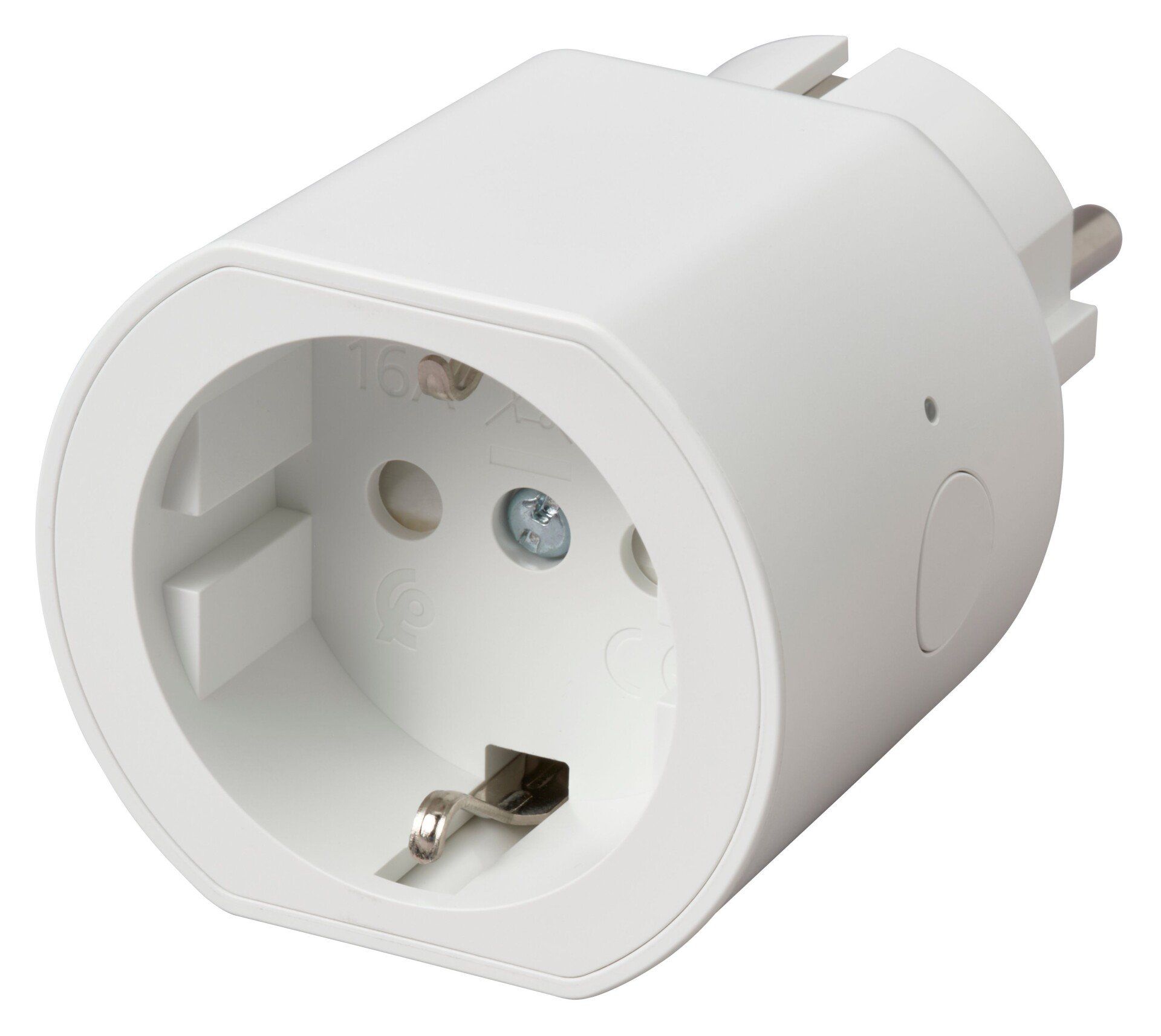
GRILLPLATS Smart Plug
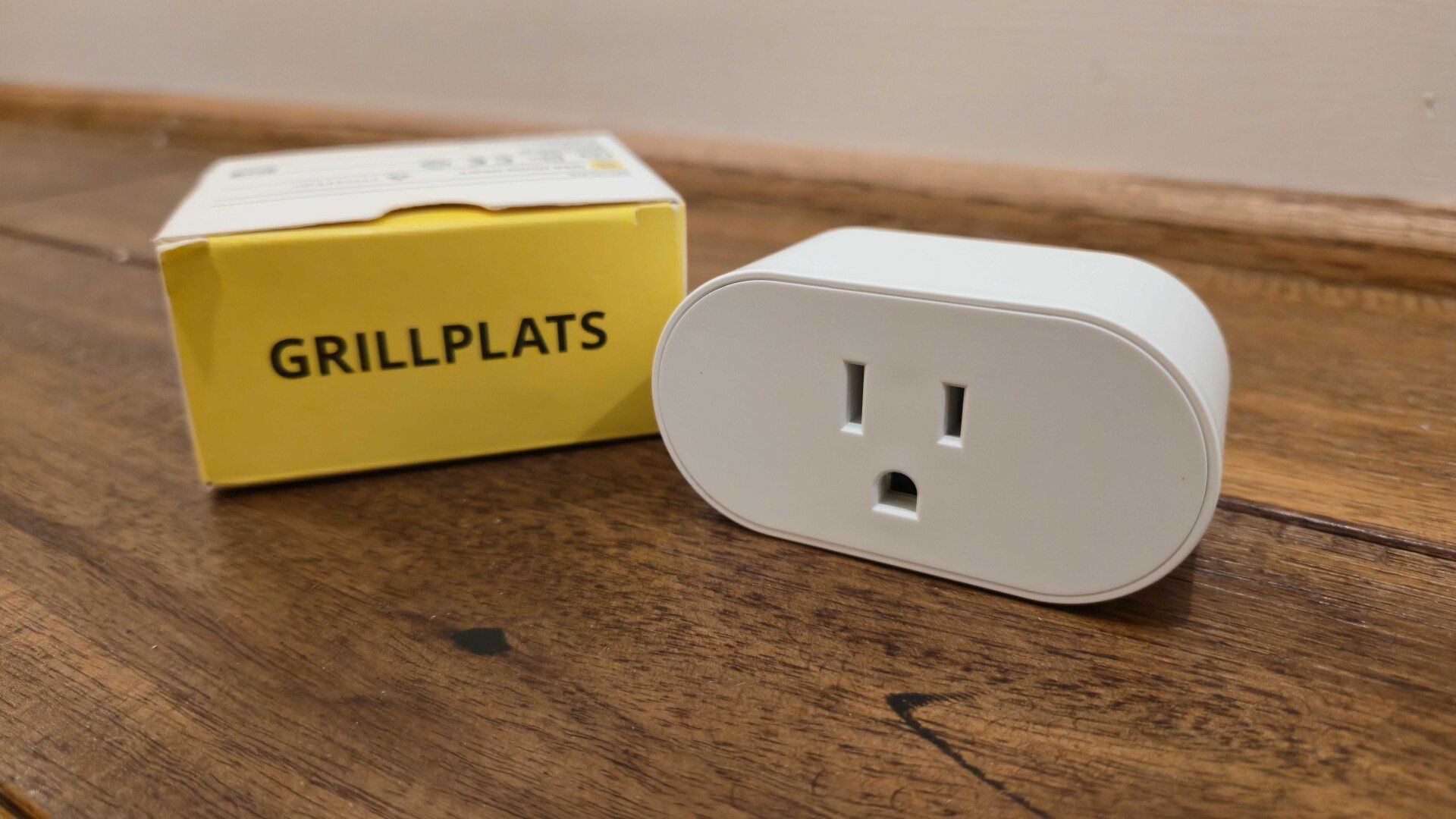
A smart Matter over Thread plug with power meter support.
GRILLPLATS Smart Plug
A smart Matter over Thread plug with power meter support.
If you prefer some fancy designer lamps that include light source or dumb bulbs, you can simply buy a cheap Matter smart plug (modeled GRILLPLATS) from IKEA. This workaround allows you to still toggle the lamp on and off through your preferred smart home platforms.
Do you need a paired remote or sensor?
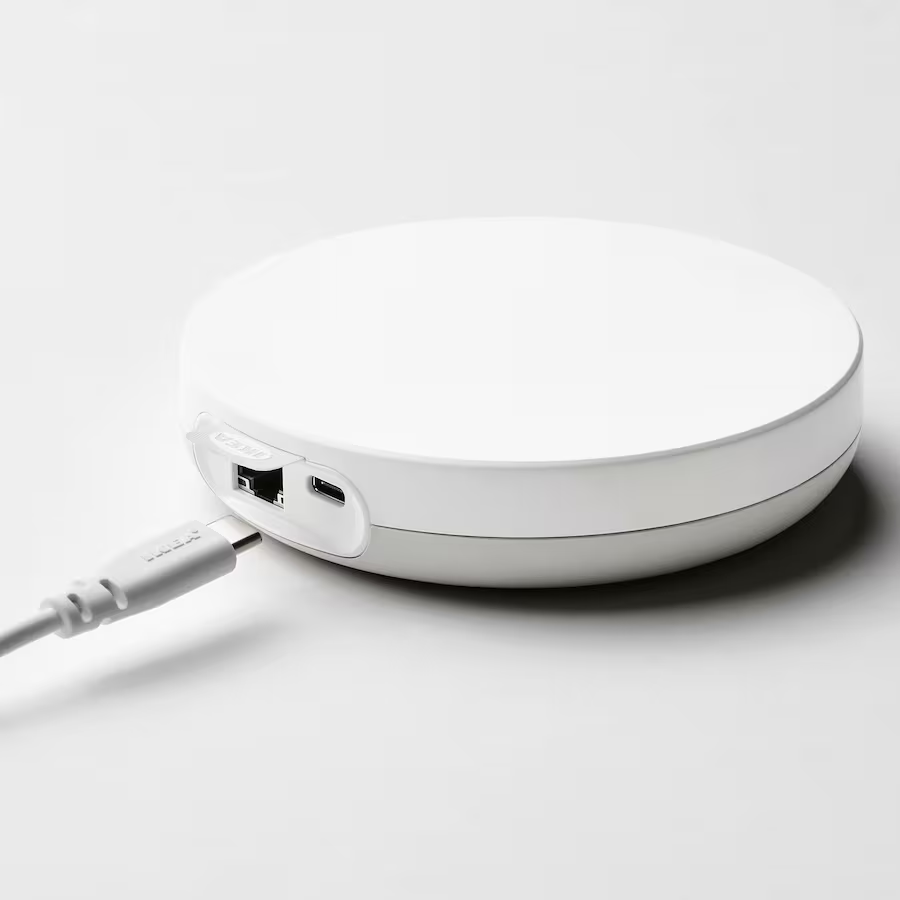
If you already have a DIRIGERA hub set up at home, I strongly recommend getting dedicated physical controls for better daily automation.
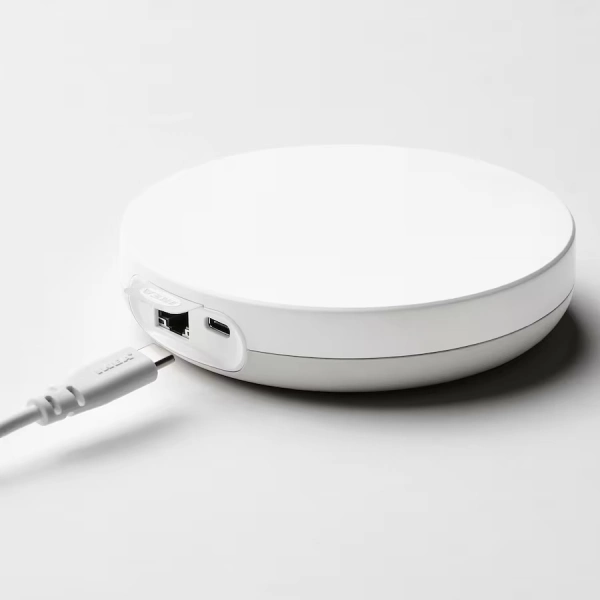
DIRIGERA
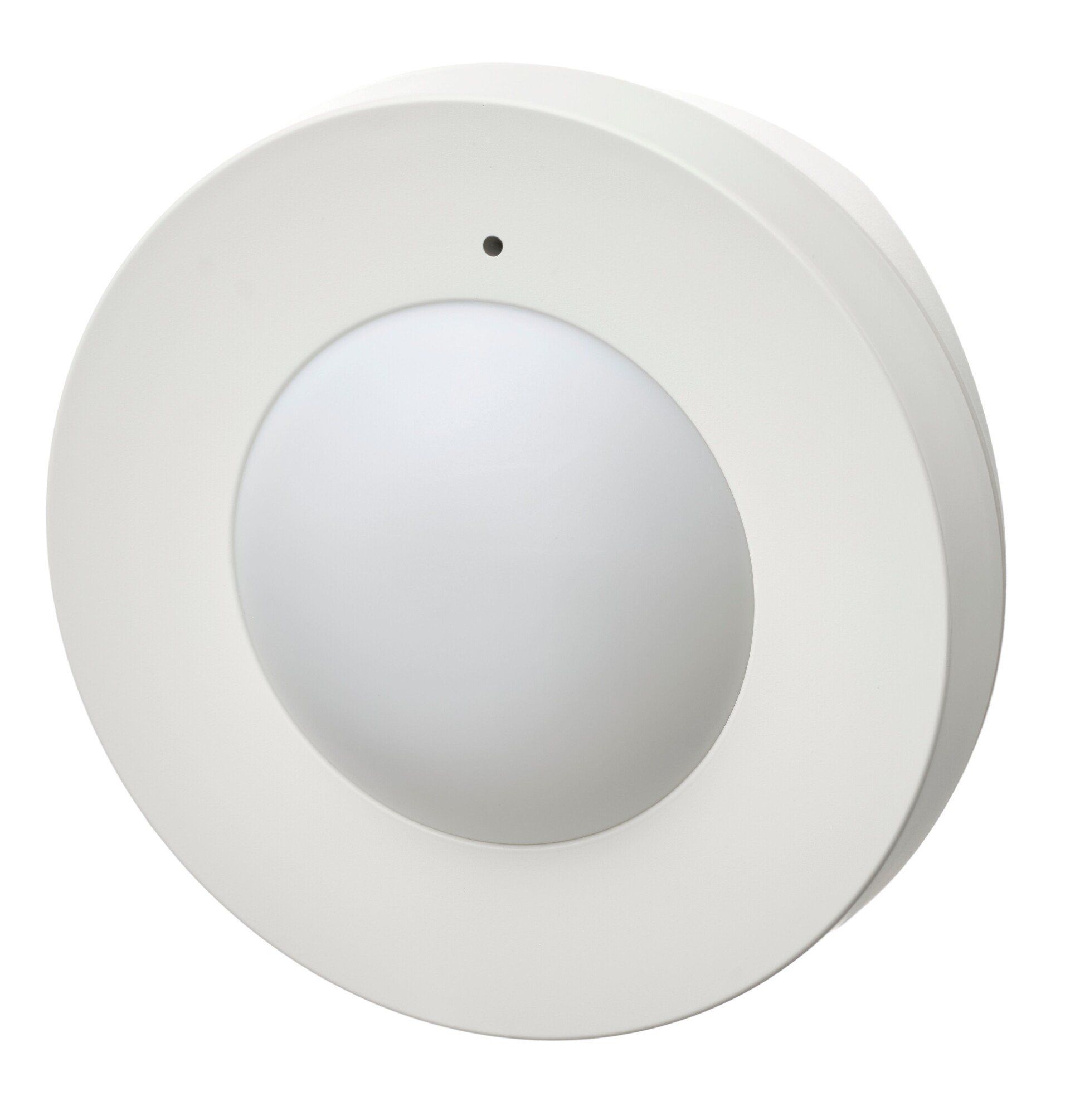
A MYGGSPRAY motion sensor is perfect for triggering ambient lights whenever you walk by a specific area, automatically turning them off in your absence to save energy.
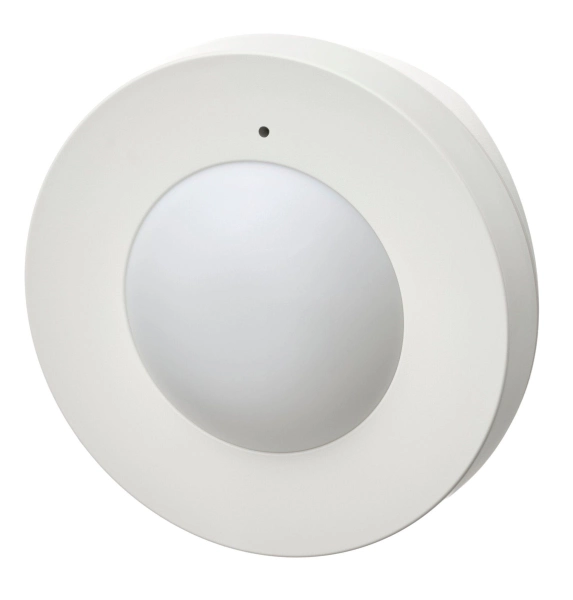
MYGGSPRAY Motion Sensor
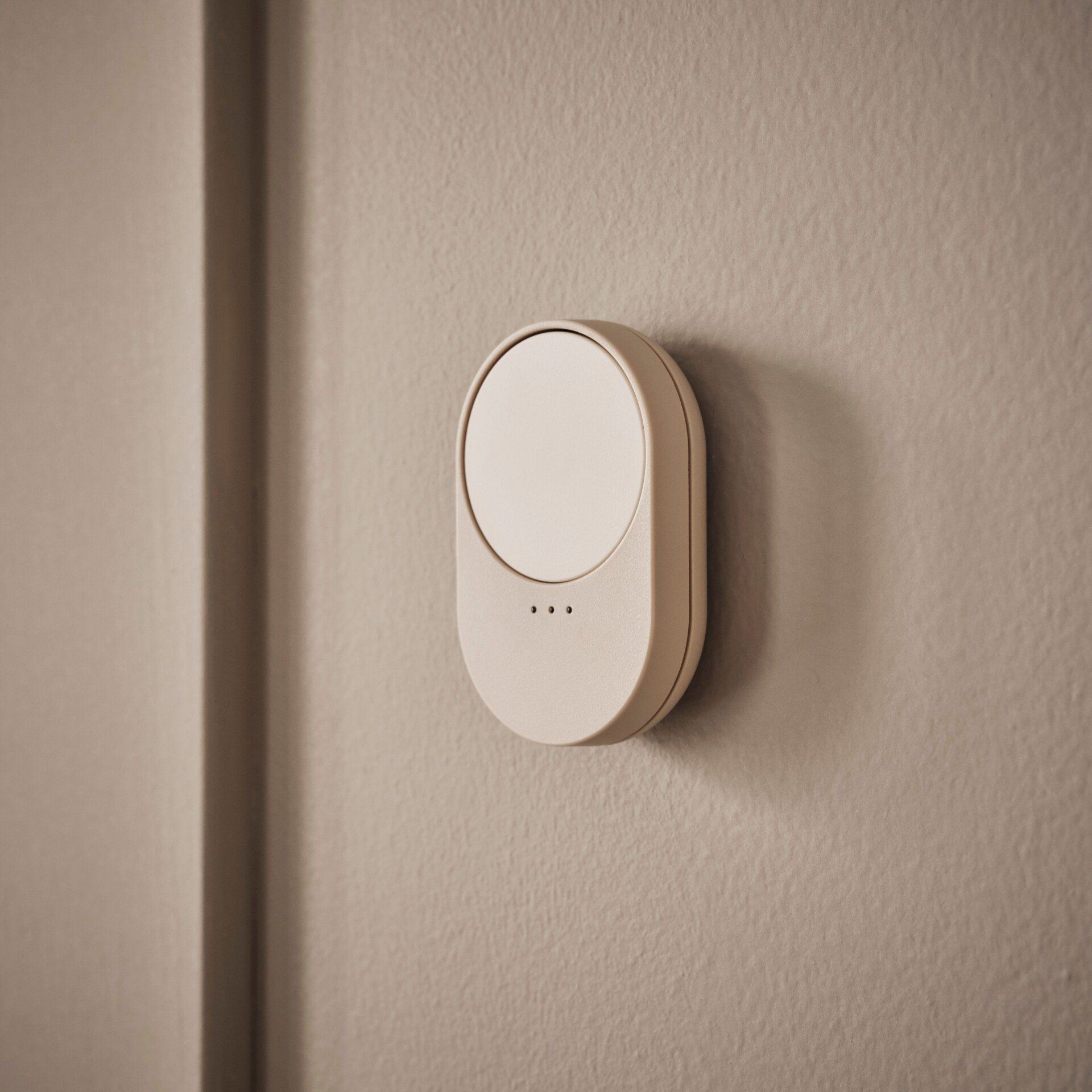
Wireless remotes are also incredibly handy. I usually place a wireless remote right near the lamp for immediate control. Opening a smartphone app or using a voice assistant to control lighting often takes more time than a single press of a physical button. The control is especially useful because some voice assistants still struggle to understand complex commands for brightness, color adjustments, and light scenes.
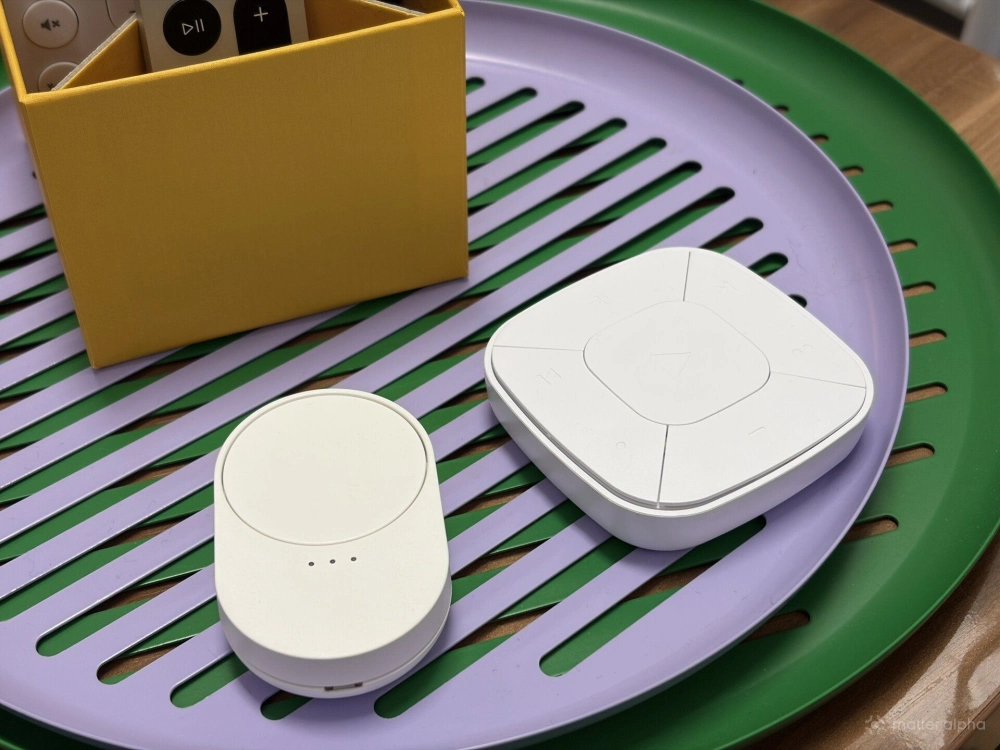
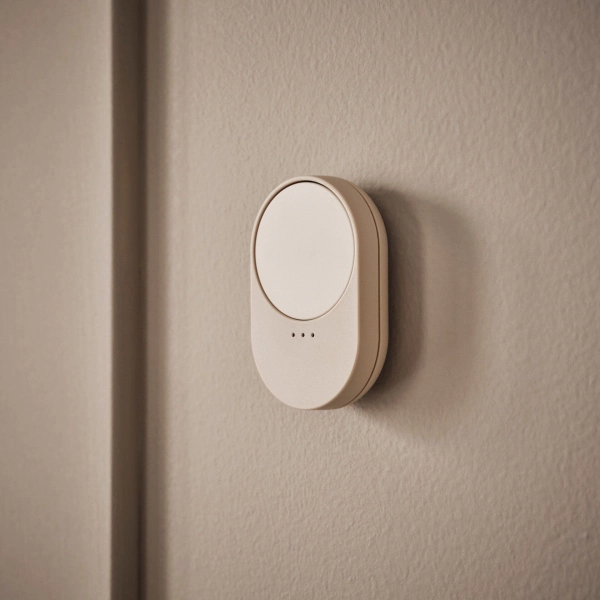
BILRESA scroll wheel
A tactile scroll-wheel remote that lets you adjust light brightness, colour, and scenes with a simple turn or press.
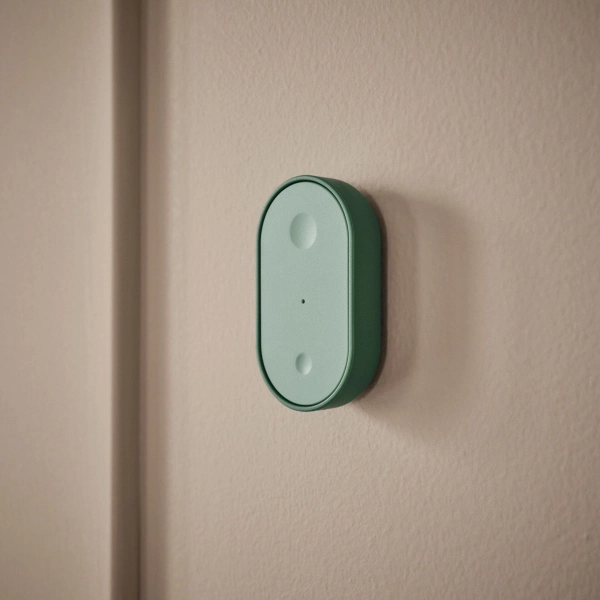
BILRESA Remote Control with Dual Button
A simple, two-button remote that lets you control smart lighting functions like power, brightness, colour, and scenes from anywhere nearby.
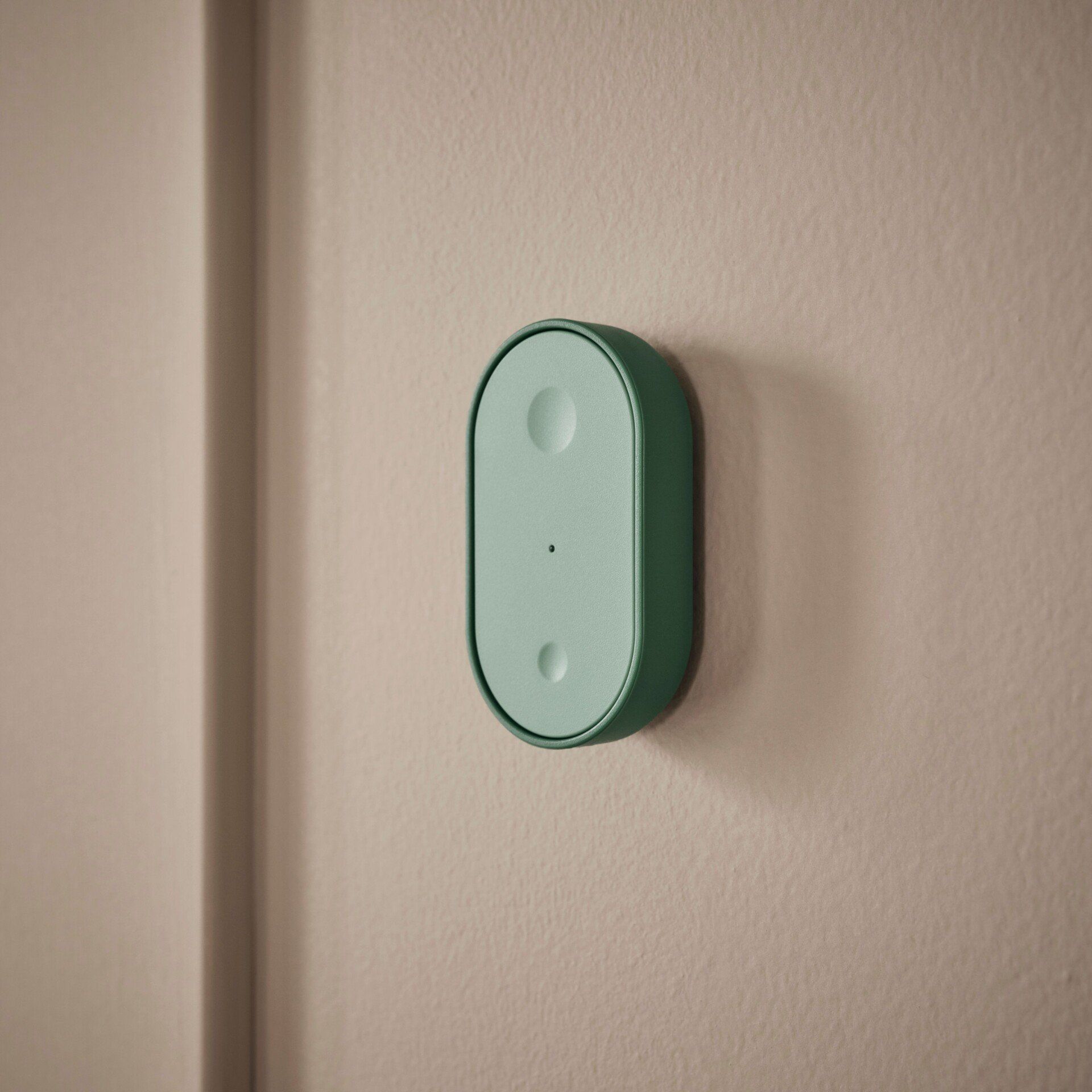
If you generally rely on a single preferred setting for your color and brightness, go with the simple two-button BILRESA remote. It offers a clean and fast way to toggle your favorite lighting scene.
Alternatively, if you have a flexible preference for adjusting the color and brightness of multiple groups of lights and Sonos speakers, you should buy the BILRESA remote control with scroll wheel. The rotating wheel allows you to control up to three distinct groups of devices with very delicate level adjustments.
While the standard two-button remote can technically dim your light with a long press, my actual daily experience shows that it is very hard to get the timing exactly right compared to simply spinning a physical wheel.
At the end of the day, building your smart home lighting setup should be a fun project rather than a stressful chore. The next time you grab a yellow shopping bag and wander through the lighting maze, just remember to separate the physical lamp from the smart bulb in your mind.
Whether you want to build a massive Matter set up or simply add a cozy glow to your reading space, taking a quick moment to check the box details will save you a lot of headache later. Enjoy your next trip to the store, and have fun bringing home a new lamp.
(Source: IKEA; Image: IKEA, Matter Alpha/Ward Zhou)