When you read a smartphone review, at some point you come across the device’s IP rating. Increasingly, smart home products have this metric, too, and for good reason—but what does it mean, and does it matter nearly as much on hardware you aren’t taking with you everywhere you go?
IP stands for Ingress Protection
Ingress isn’t a word most of us use day-to-day, but it refers to the act of entering. Protection against ingress means protection against things entering your device. In this case, manufacturers are primarily protecting our devices from water and dust.
The IP code is defined by the International Electrotechnical Commission and is published by the European Committee for Electrotechnical Standardization, but it’s recognized all over the world. For just one example, a company like OnePlus tries to sell phones made in China to people in the US based in part on the ingress protection rating of high-end models like the OnePlus 15, whose IP69 rating means it can withstand water from high-pressure jets like those in a dishwasher. The European standard helps communicate that information using just four characters.
Many smart home products are rated IP65
What does this actually mean? The first number being a 6 means that a device is protected against dust. That’s the smallest physical particle that most hardware is exposed to, which is why that is the highest number we tend to see on consumer hardware. An IP code that starts with a 4, by contrast, might protect electrical equipment from being exposed to small external wiring, but it’s not going to keep out dust.
The second number refers to protection against moisture. The 5 means a device can withstand water jets from any direction. This hardware is not, however, able to handle being submerged in water for half an hour the way an IP68 device can.
IP65 tends to be enough for smart home products, since they’re rarely the type of device that finds themselves underwater. Yet if you are shopping for a smart device that you expect will end up in a puddle of water, then you're going to want to see a higher second number on the product's packaging or website.
What kind of Matter devices are exposed to weather?
You can expect to see IP ratings on any devices that must safely and continuously operating outdoors, where they risk exposure to the elements. You don’t need to consider an IP rating when buying a smart light switch, but you may want to look for one for the light it controls if this light is an outdoor lamp post.
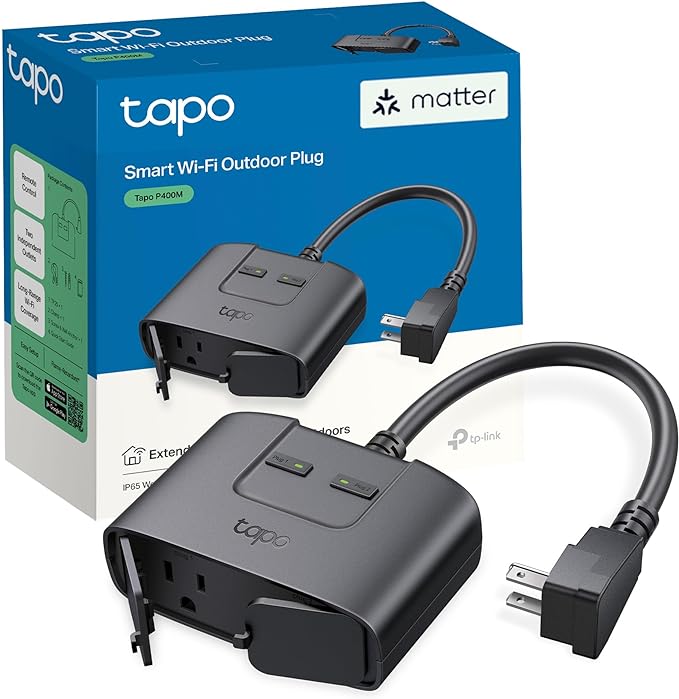
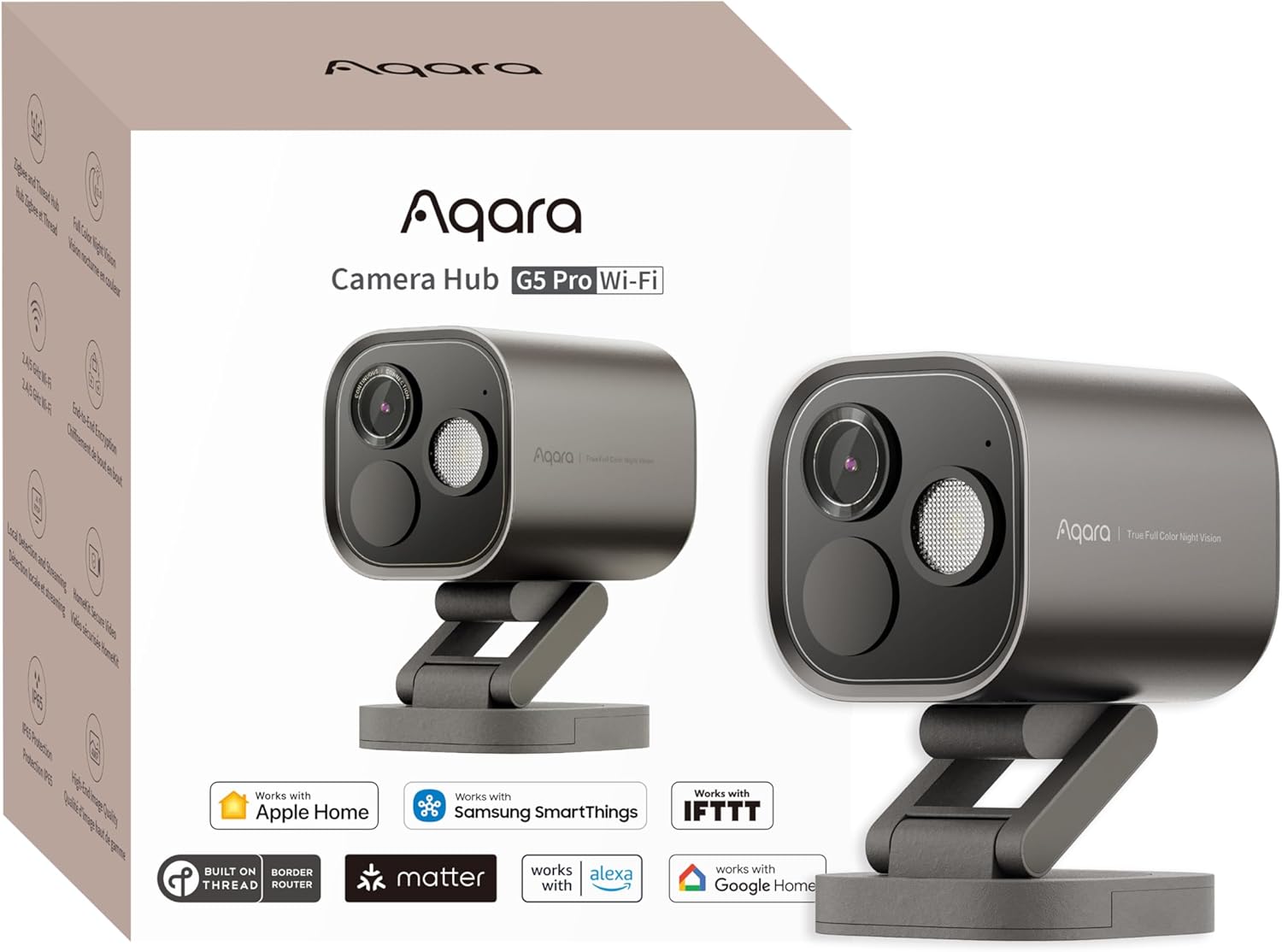
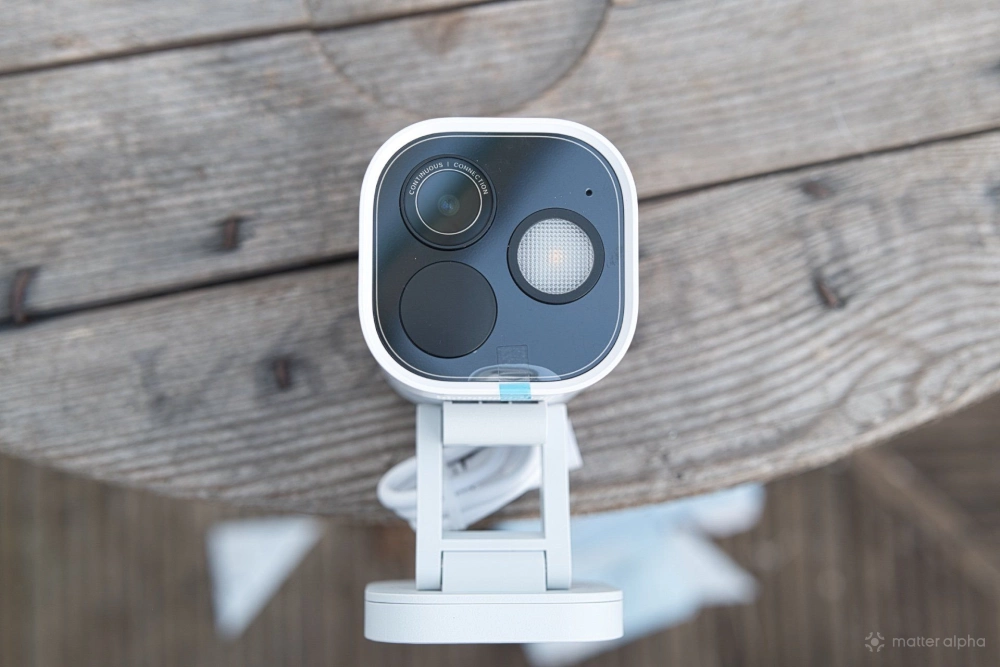
Likewise, consider outdoor security cameras that you might fix to the roof of your home, such as the Aqara Hub G5 Pro that we reviewed. It has an IP65 rating. TP-Link’s Tapo P400M outdoor smart plug offers a way to plug in electronics outdoors and control them via Matter. It, too, comes with an IP65 rating.
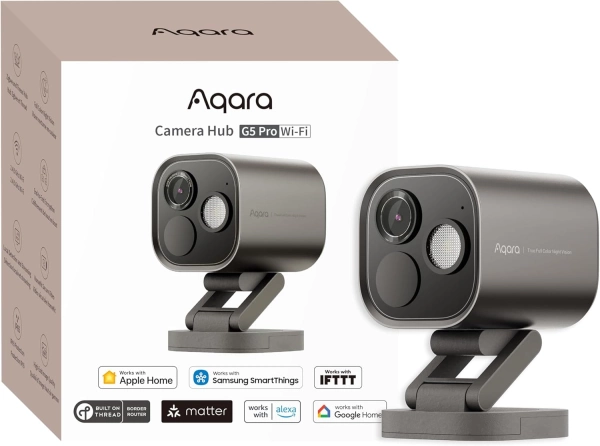
Aqara Camera Hub G5 Pro
The Aqara Camera Hub G5 Pro is an outdoor-ready surveillance camera with advanced AI features, True Color Night Vision, and wide platform compatibility, ensuring secure and intelligent monitoring for your property.

Tapo Smart Outdoor Plug-In Dimmer
The Tapo P430M is a Matter-certified outdoor dimmer plug offering remote app control, energy monitoring, weatherproof durability, voice commands and automated safety shutoffs.
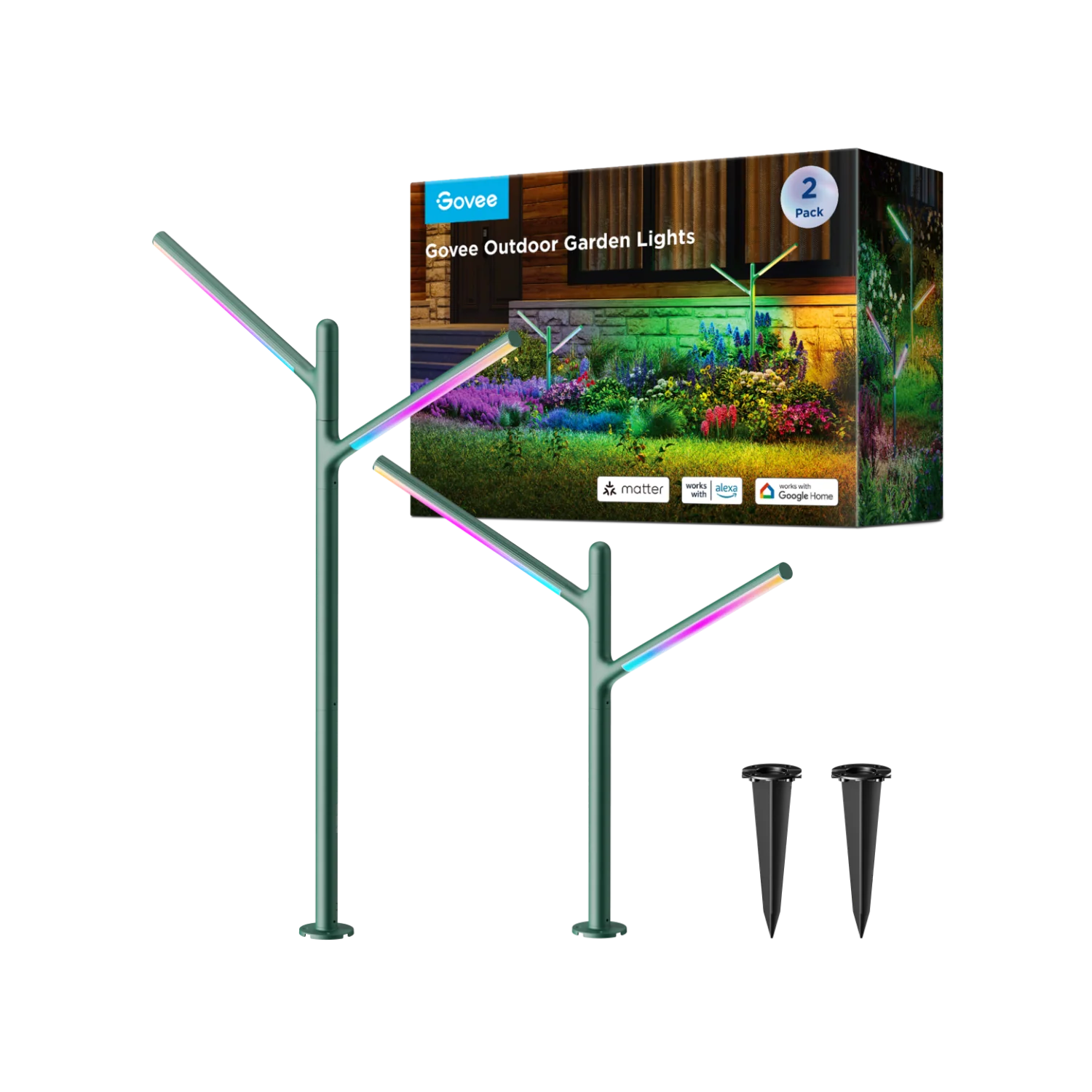
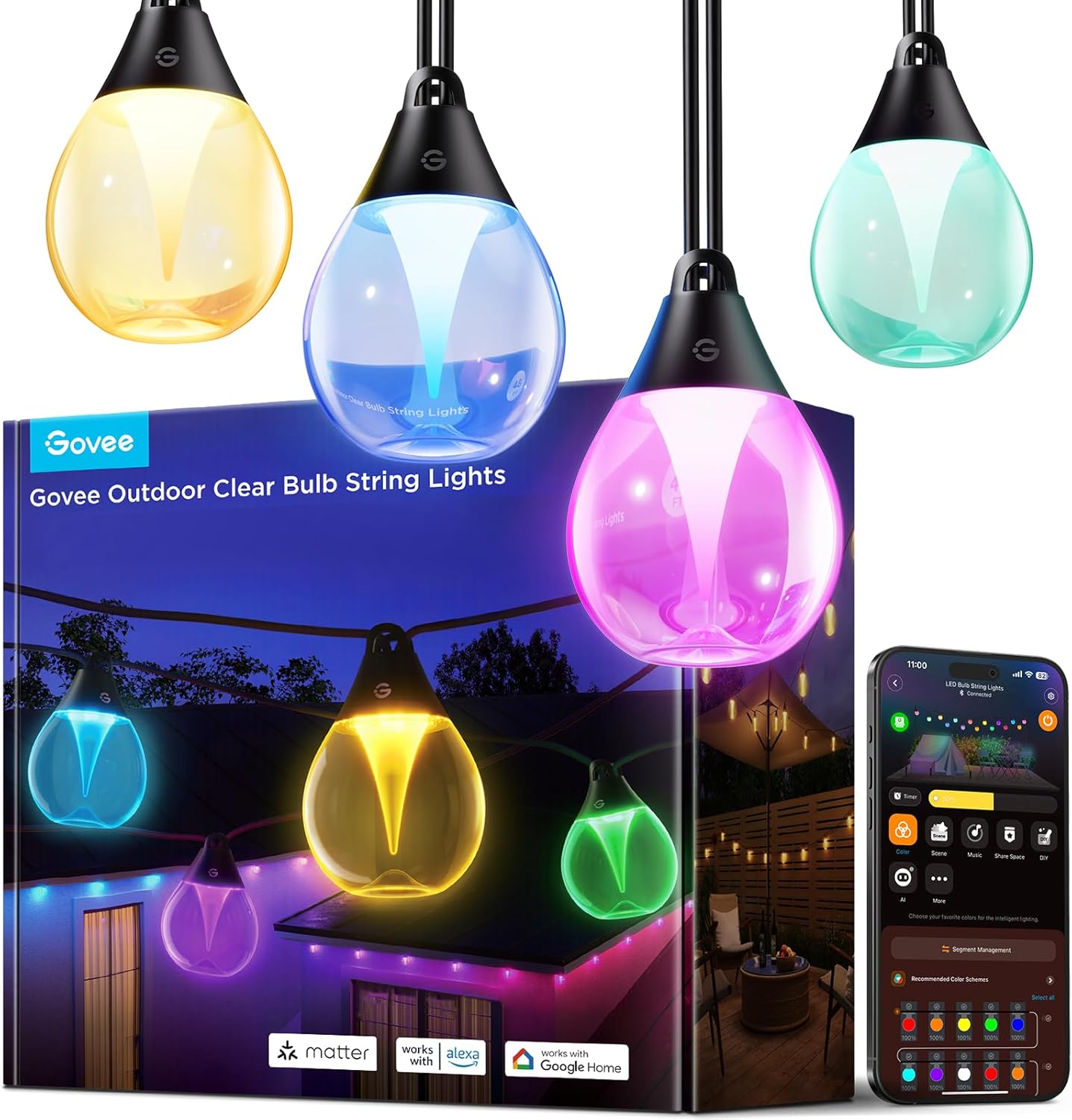
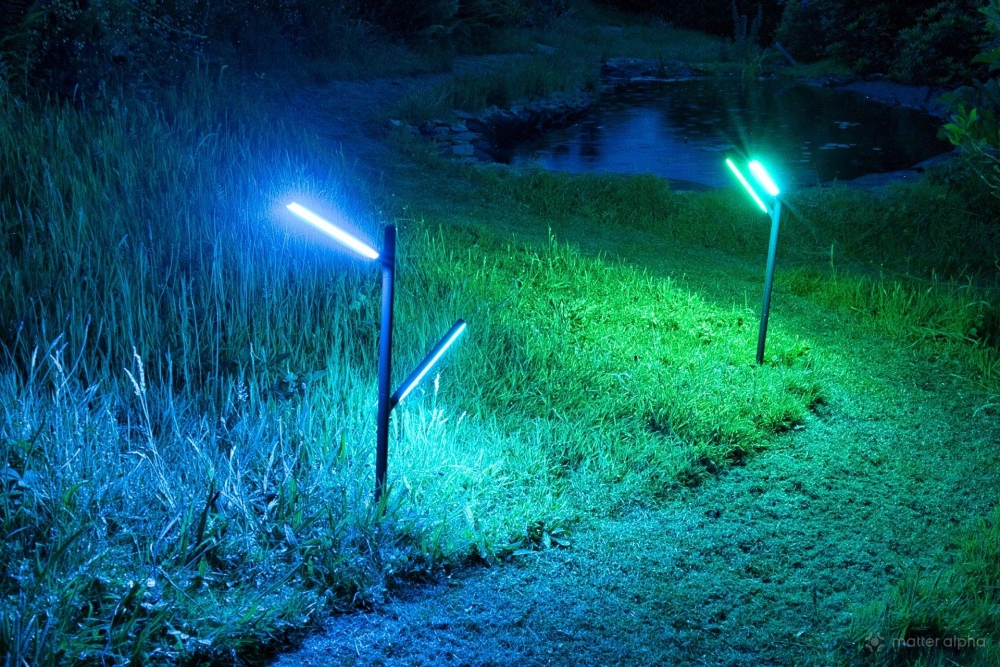
Govee’s Outdoor Garden Lights go a step further. With an IP66 rating, they can survive sitting in the puddles that may form following a heavy rain. Govee’s Outdoor Clear Bulb String Lights, which are Matter-compatible lights that you can hang around your patio, offer IP67 protection.
In some ways, smart home products must be able to endure even more abuse than our phones, at least when it comes to being overwhelmed by dust kicked up by a lawn mower or water from a torrential downpour. Fortunately, if a reputable company is selling you an outdoor Matter product, there’s a good chance it has a high enough IP rating to do the job you’re being sold. But if you’re considering a product from a company you don’t recognize, make sure to explicitly check for an IP rating to have that extra peace of mind.