Nobody wants to pay more than they need to for anything. Even the latest tech has to be available at the right price. Matter – conceived as a smart home communication standard that would enable interconnectivity across several generations of tech – seems to be the answer to many problems in the smart home world.
But the smart home is a growing market within the consumer technology sphere, and is subject to the same external pressures, most of which can (and do) affect prices. Over the past 6 months, we have seen numerous price rises on consumer electronics devices – but why is this happening? Why are smart home hubs, sensors, switches, automation units, etc. all experiencing price rises, potentially scuppering your plans for integrations?
Five factors affecting Matter smart home pricing
We have identified five key factors that are contributing to increased prices on Matter-compatible smart home hardware. Some of these affect electronics in general, while others are specific to Matter:
-
The “technology tax”
-
The “loss-leader lock-in”
-
Geopolitical instabilities and legislation
-
Bridging Zigbee devices
-
Certification and licensing
Let’s explore each of these in more detail.
1. The “technology tax”
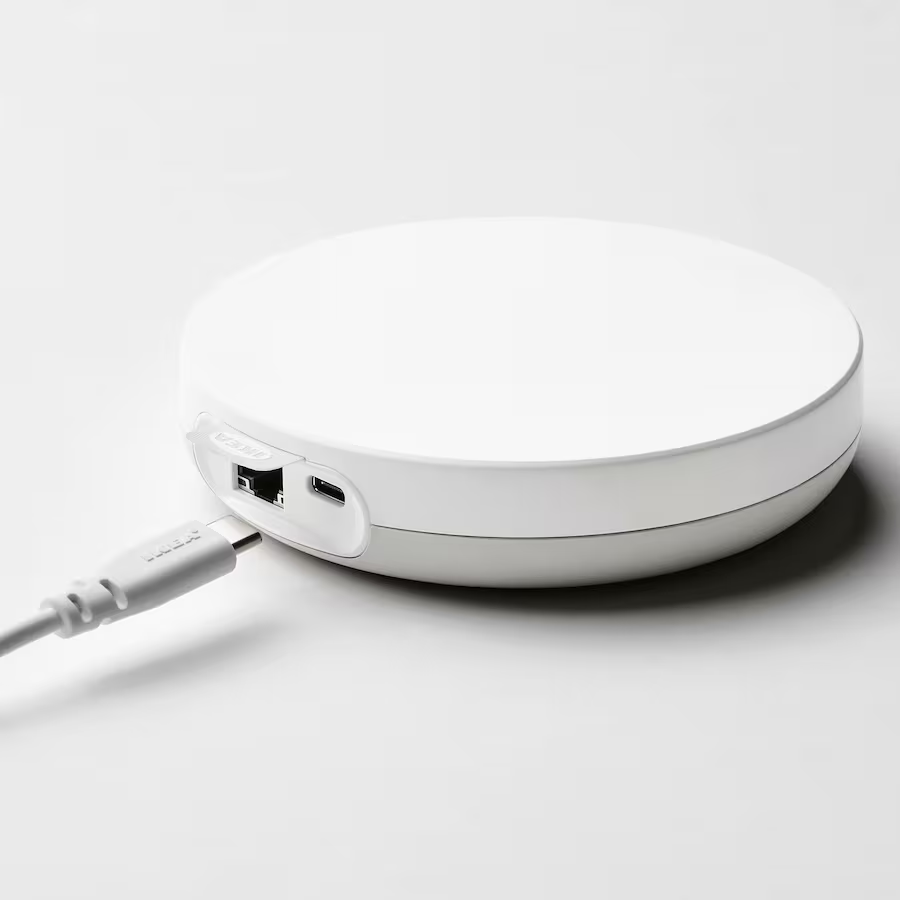
Everything seems more expensive these days, and in some cases the causes are linked. Matter tech is often new (although various older devices are supported and can even be key elements of a Matter smart home, like the IKEA Dirigera) but a product landing on the marketplace doesn’t have to ship for a higher SRP… unless something else is going on.
DIRIGERA
Prices for sensors and switches are largely static, but when it comes to smart home hubs and smart assistant units, the increase in the price of RAM is factored in. These units need on-board RAM for processing, and thanks to cloud AI servers, RAM is in high demand, which has increased its price.
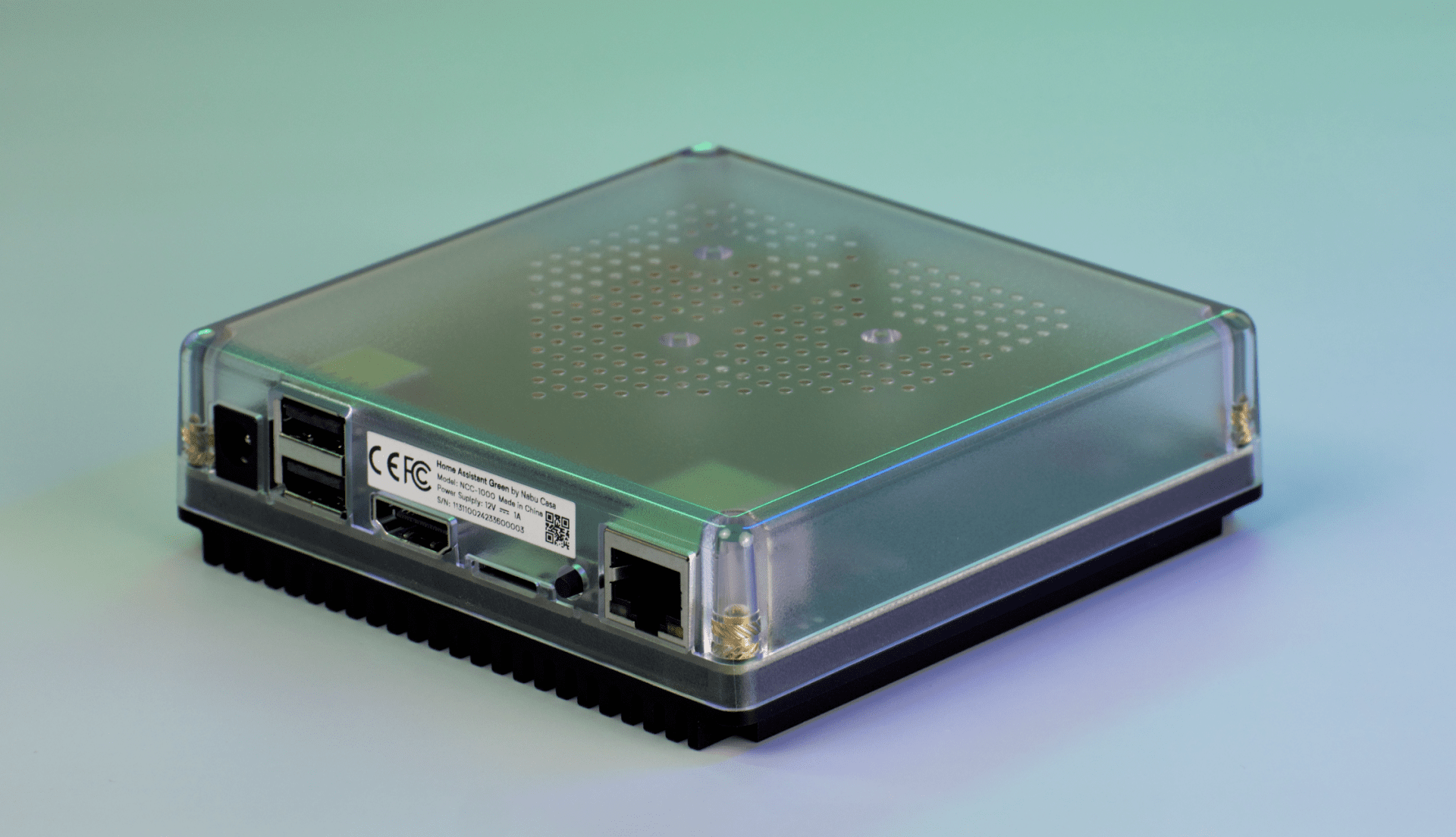
Over the coming years, this looks set to have a noticeable impact on the price of things like game consoles, laptops, smartphones, and PCs. For the Matter smart home, we’ve already seen two key devices – the IKEA Dirigera and the Home Assistant Green – get price rises in 2026.
2. The “loss-leader lock-in” is over
Matter has the potential to make smart homes easier to assemble. But it has had an unintended downside – the lock-in incentive seems to be dying, as it’s relatively trivial to move your smart home’s control from Apple to Google to Amazon.
As such, sustainable pricing appears to be applied to hardware, rather than the loss leader approach (where a single piece of hardware is heavily discounted at a loss as you’re guaranteed to pay for services within the ecosystem). To some, this might be a good excuse to escape the walled garden approach of some tech giants.
But that might not work for everyone.
3. Geopolitical instabilities and legislation
Barely a day goes by without news of tariffs, or friction with China, manufacturing challenges from data centers to RAM, and the inevitable Middle East transport routing issues.
These have all contributed to higher prices.
The FCC recently voted to tackle more China-based companies, an approach that is bound to put the price up for some Matter devices – that’s if it ever lands on US soil.
In the age of “Trump Tariffs,” electronic hardware is more expensive than it has been at any time since the 1990s (with the exception of 2020-2023). It isn’t just smart home tech that is affected by this, but thanks to Matter it is a growing market.
Hopefully when tensions are eased, we’ll see some price reductions on the more expensive smart home gear.
4. Bridging increases the cost of a smart home
The Connectivity Standards Alliance has rightly focused on ensuring that existing smart home gear doesn’t have to go to landfill simply because it isn’t Matter-compatible. The solution to this is bridging. A Matter bridge enables Zigbee devices to be accessible via a Matter hub and controller.

But while the IKEA Dirigera can operate as a bridge, many other hubs cannot. The solution is to buy a Matter bridge – such as the Zigbee dongle for Samsung SmartThings Matter hubs.
Unsurprisingly, buying additional tech means spending more money. Could it have been cheaper to replace those old Zigbee lights? Probably not – but better support for Zigbee within the range of Matter hubs would be an advantage for everyone.
5. Certification and licensing
Matter hardware has to attain official testing and certification to display the Matter logo. The process isn’t free, which means the cost is passed onto the consumer – particularly where the device is produced by a relatively small company.
As a growing smart home platform, Matter needs to updated specifications to reach the point where it can work with any device. But regular updates mean repeated device testing, and firmware revisions, all of which cost money in research and development. Yes, this affects the price of Matter hardware, as does implementing DAC (Device Attestation Certificates) to ensure every device has a unique digital identity. Matter security and privacy measures are intended to give you a robust smart home, but again, this is a factor affecting the price you pay for smart home hardware.
But what can you do about it?
Keeping your smart home plans affordable will help you stay in budget. Most of the challenges outlined here are beyond your control, leaving you to take the price rises on the chin. But you can look out for sales and take advantage of bundle offers, for example.
Our look at ways to beat the RAM tax can also help you to keep the costs down as you assemble your Matter smart home.
(Image credit: Jakub Zerdzicki from Pexels; Tima Miroshnichenko from Pexels)