You’ve probably got a dishwasher. They’re amazing, aren’t they? You don’t have to stand at the sink for hours every week, as the machine does it for you. Dishwashers are perhaps the greatest labor-saving device of the late 20th century.
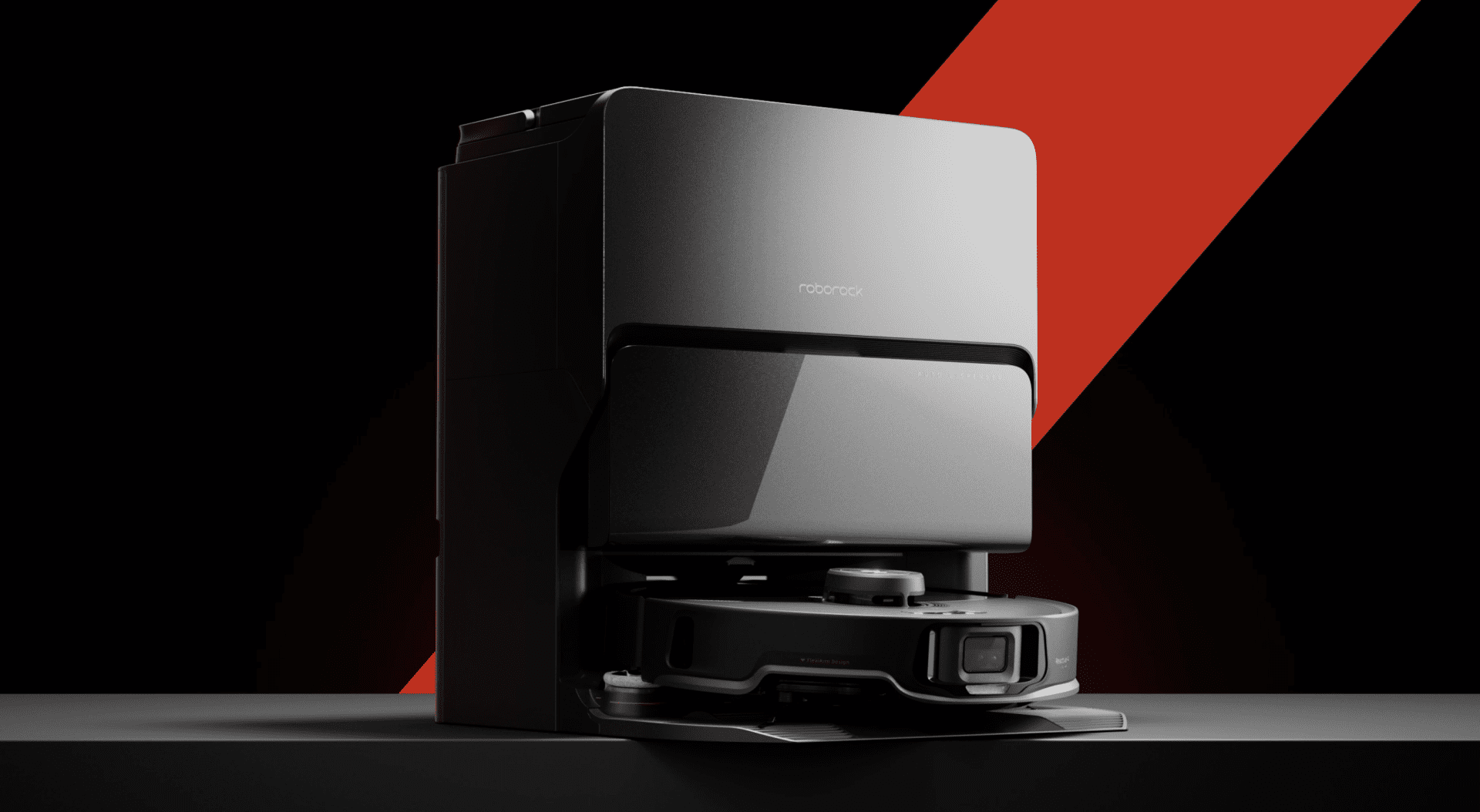
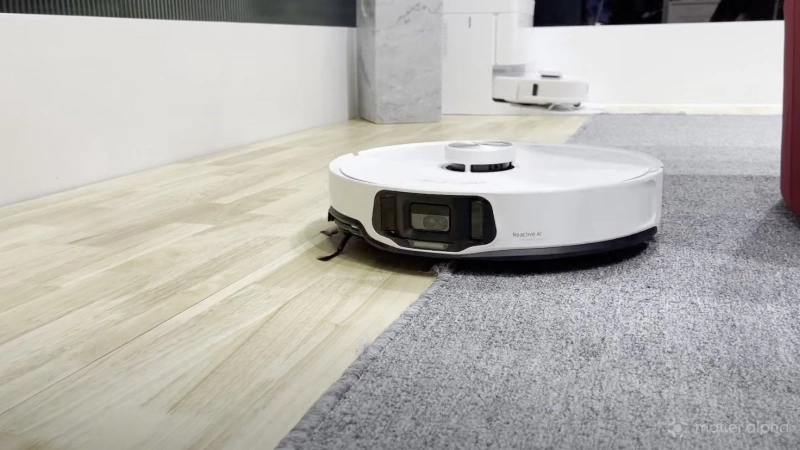
In the same way, robot vacuum cleaners are the best thing in the 21st century. Cleaning and mopping their way around the home, it is incredible how much time and effort they save.
I first reviewed an app-controlled robot cleaner back in 2017, but since then they’ve become increasingly integrated with smart home platforms. Unsurprisingly, the key players in the robot cleaner world have embraced Matter, aiming to future-proof their hardware.
Advantages of Matter-compatible robot cleaners
Without Matter support, you’re locked into the manufacturer’s own app. This is fine in many ways – including more granular control over the device – but it reduces interoperability and integration options. For example, setting the robot cleaner to activate once you’ve left the house.
Matter boasts a trio of benefits that will influence your choice of robot cleaners.
Cross-platform: Matter brings an end to compatibility issues between different hubs and equipment. Devices certified by Matter will work with Amazon Alexa, Google Home, Apple HomeKit, and Samsung SmartThings.
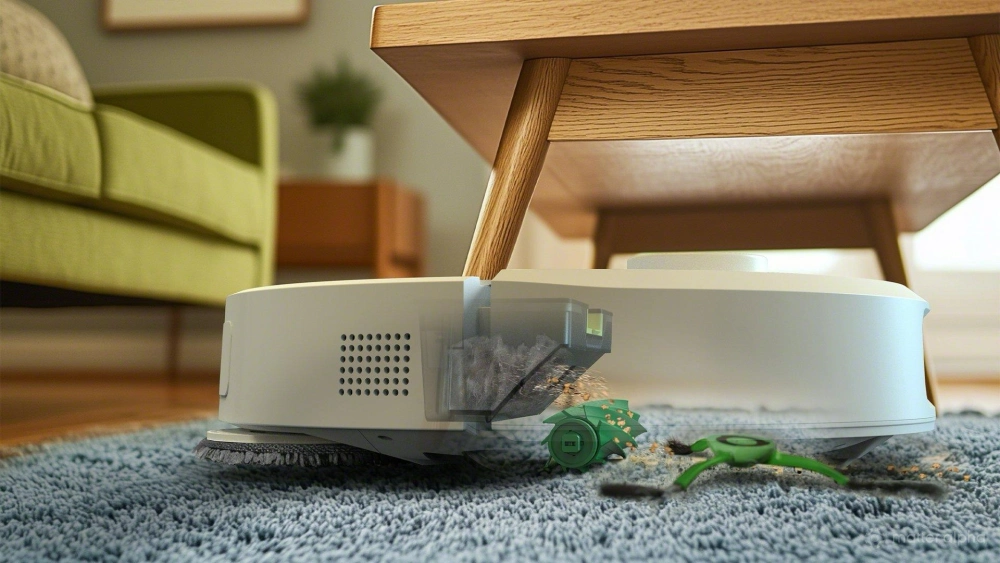
Secure: while smart home technology has become more secure in recent years, Matter brings a new degree of control over network security. Cryptographic verification ensures new devices are Matter-certified, and it is only then that they’re permitted access to the network.
Future-proof: Matter is the most interesting smart home technology around. The product of collaboration between some of the biggest names in tech, it is increasingly appearing in new products and looks likely to be a key standard in future smart homes.
Matter 1.4 added superior support for robot cleaners
Although Matter has supported robot cleaners since Matter 1.2 (October 2023), it gained better functionality across this device type with Matter 1.4 (November 2024).
The focus with this update was on energy management and networking, but robot cleaners benefited from improved sensor and radar support, as well as the Service Area Cluster. This enables control over zones defined in the robovac’s native app, which may be rooms, or specific zones across rooms (or smaller areas).
Adding this to previously-defined features (RVC Run Mode, RVC Clean Mode and RVC Operational State) has improved the robot cleaner experience considerable in Matter 1.4.
However, until they’re available within Matter, things like remote control of a cleaner, and automated self-cleaning and maintenance still need to be executed from the manufacturer’s mobile app.
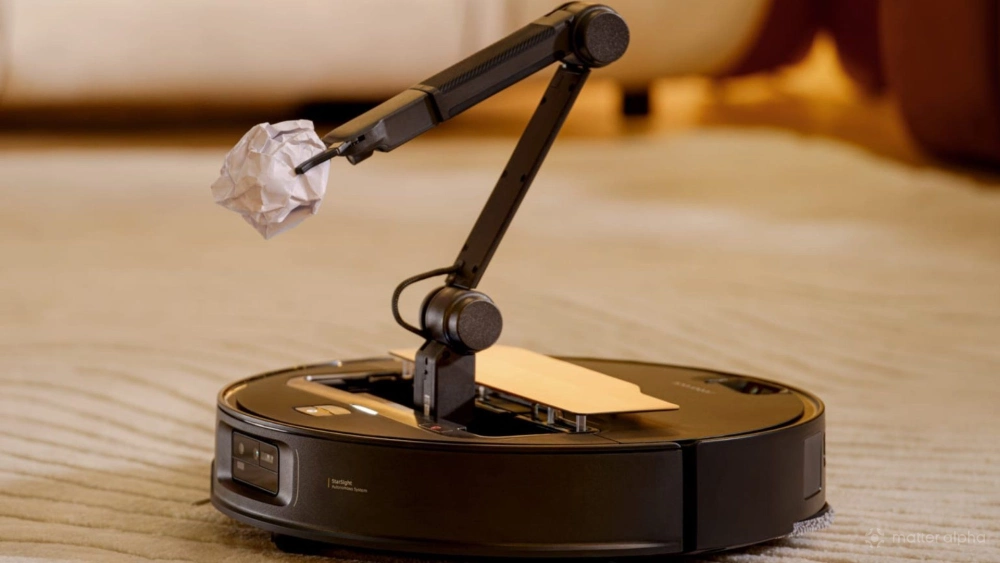
Meanwhile, advances in design (such as with the Roborock Saros Z70 and its extending arm) suggest future updates will accommodate unusual tidying options.
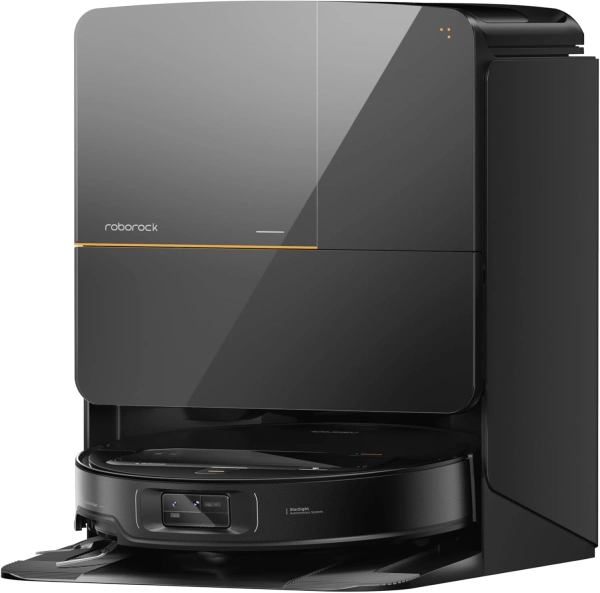
Roborock Saros Z70 Robot Vacuum
Previous Matter updates for robot cleaners
A brief summary of how Matter has evolved its support for robovacs.
Matter 1.2: a narrow set of features were available, such as changing cleaning mode (mopping or cleaning or both), check charging status, and monitor errors.
Matter 1.3: enhanced Matter Casting notification was introduced for robot cleaners, among other devices. However, this was limited to users with Matter Casting-compatible devices like the Amazon Echo Show.
What to look for in Matter-compatible robot vacuums
Before looking at Matter-certified robot cleaners, it’s worth considering the main factors before purchase. These probably include cleaning quality, water tank capacity, bin capacity, and whether the device supports mapping and zoned cleaning.
In our opinion, if future-proofing your smart home with Matter is important, then a robot cleaner with Matter 1.4 support should be at the top of your list.
However, other factors should be considered, and this applies across all types of smart home gear. You should always consider budget, features, and your preferred platform.
Budget: Low-priced robot vacuum cleaners boast limited features. At this time, most budget robovacs do not support Matter 1.4.
Suction: Any cleaner with 5000Pa or above should be ideal for mixed floor types. Smaller homes with hard floors are suited to a lower suction power, however.
Features: You almost certainly want a robovac that maps your home, and is able to work to specific rooms or zones. Things like pet detection and self-emptying bins are also nice, as are advanced cleaning options like extending arms or step climbing.
Platform: Ensure the robot cleaner you’re considering works with the smart home ecosystem you already use. This is particularly important if Matter is not a priority for you. Aim to keep things as seamless as possible to avoid frustration.
Battery: The robot cleaner needs to have adequate battery to complete a clean. While returning to base to recharge is an option, this slows the process considerably.
Size: While the robot cleaner itself is likely to whizz around like the bottom half of R2-D2, docking stations are typically less compact. Some older devices have a dock simply for recharging, but increasingly bin emptying, cleaning, and water tank refilling are included in the docking station. This adds to the convenience of a robot cleaner, but also means you may need to reconsider where the device is housed.
Think about integration with your smart home
Older smart home setups without Matter certification may well be functional, but their days are numbered. As hardware is retired (or manufacturers drop support), so newer Matter-ready devices are likely to be high on your list. Most smart home equipment manufacturers are moving to adopt Matter – after all, many of them are involved with its development.
Note that there are ways around his, however. I added an old Roborock S7 to Matter using the Matterbridge software. Other robot cleaners can be added in a similar way, although Matter 1.4 functionality may be unavailable.
If you already use a robot vacuum cleaner, you may have already considered the day when the device is no longer up to the task. Similarly, if you’re buying one for the first time, choosing a device that is compatible with future-facing smart home protocols is a savvy move, and cost-effective, too.
When you're ready to buy, you'll find the best current devices in our list of the top Matter robot vacuum cleaners.