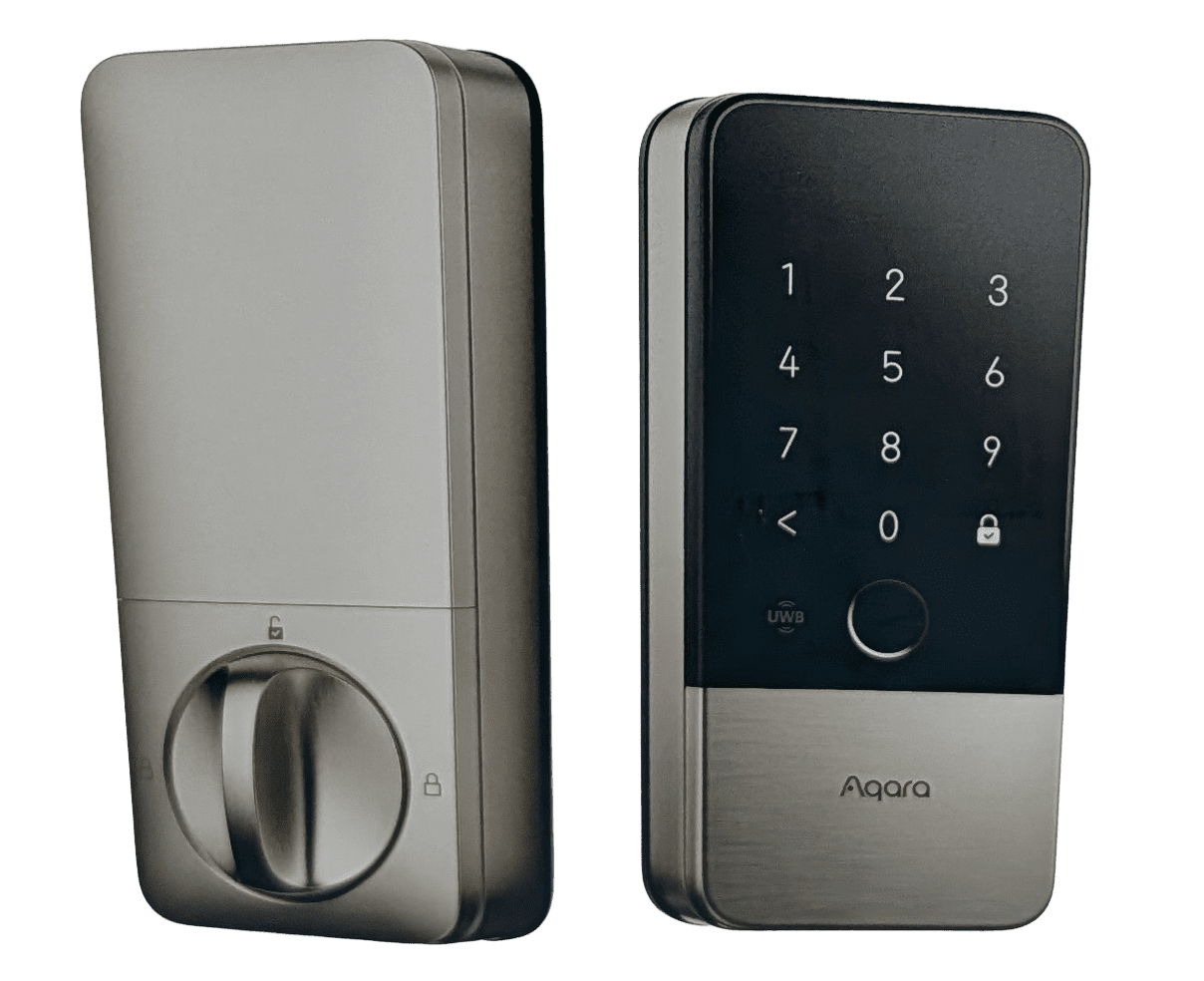
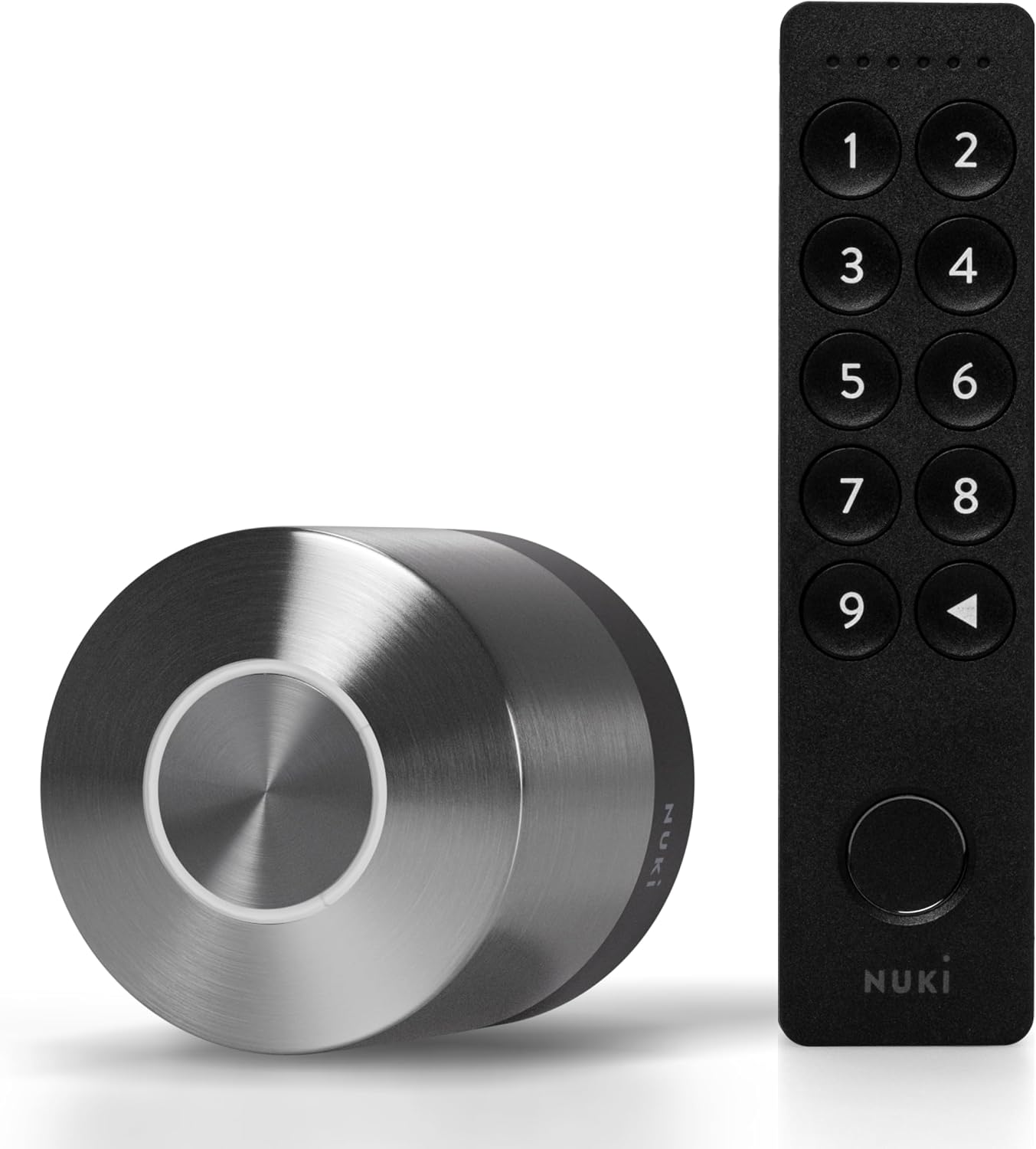
At an industry event in Shenzhen on May 14, the Connectivity Standards Alliance China Member Group (CMGC), alongside local industry associations and alliance members, demonstrated the Aliro along with technical sessions.
These sessions focused on explaining the technical implementation of the unified digital access standard to developers and sharing specific details regarding future features currently under discussion. Andy Liu, Vice Chair of the CMGC Aliro Tech Group, noted that the future direction aims to balance a smooth user experience with enhanced system security.
Here are the four primary features that may come to Aliro next:
1. A hybrid approach for fast unlocking
The working group is currently exploring a way to combine Near Field Communication (NFC) and Bluetooth (BLE) into a single transaction. Currently, most locks use one or the other, and both have specific limitations. NFC is excellent for security because it requires the user to be within inches of the reader, which provides a strong physical proof of intent.
However, NFC is slow when it comes to moving large amounts of data. Bluetooth is much faster, but it often struggles with precise location awareness, making it difficult for a lock to know if a person is standing outside the door or just nearby.
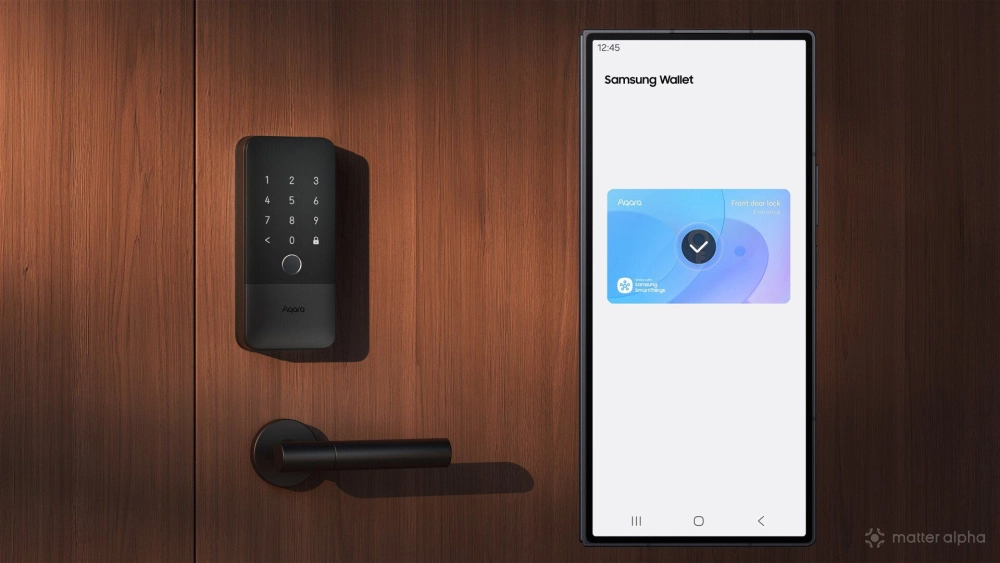
The proposed hybrid system would use an NFC tap as the initial handshake to verify that the user is actually at the door. Once that trust is established, the system would immediately hand the connection over to Bluetooth to finish the data exchange at high speed. This method aims to provide the best of both worlds: the ironclad security of a physical tap and the rapid response of a modern wireless connection.
2. New layers for identity and biometrics
As the standard matures, the alliance is looking beyond the simple digital key. Future updates to Aliro may include native support for multifactor authentication. This could mean requiring a smart lock PIN code to be entered directly on a keypad or through a smartphone app before a high-security door will unlock.
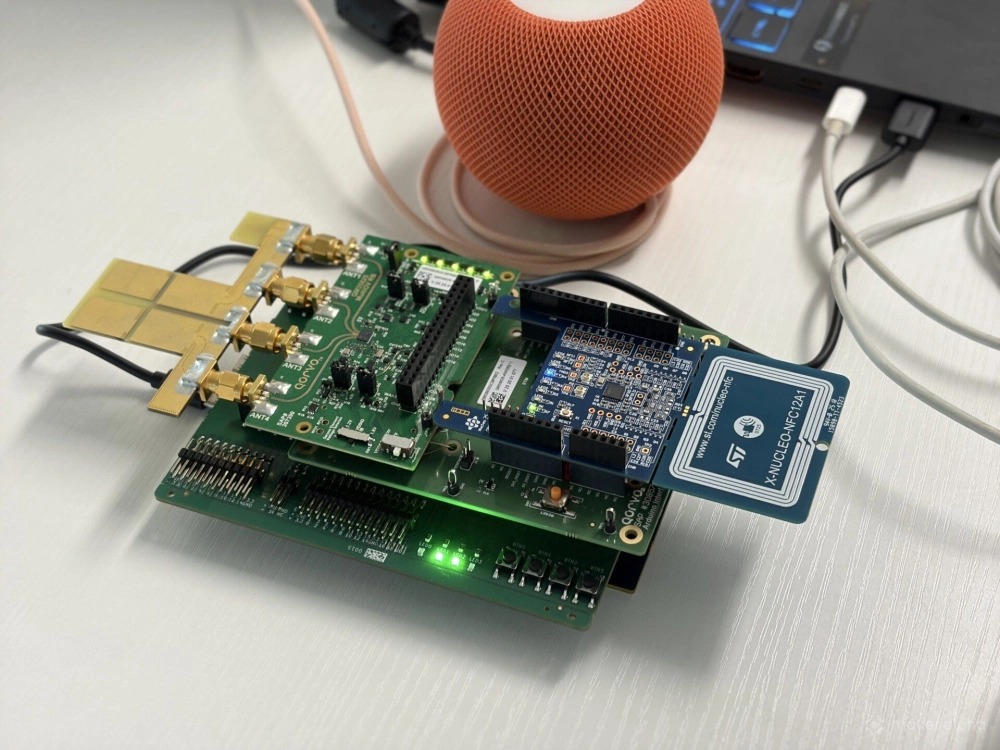
Beyond simple codes, the working group is exploring ways to securely integrate biometrics like fingerprints, facial recognition, and even palm vein scans into the Aliro framework. By linking these physical traits with the low-power sensing capabilities of Bluetooth, developers hope to eliminate the threat of relay attacks. In a relay attack, a hacker often intercepts a wireless signal from a distance and rebroadcasts it to trick the lock.
By requiring a biometric check that is processed locally on the user’s device, the system ensures that the person holding the key is actually who they claim to be.
3. The implementation of a digital buddy system
For sensitive environments like hospital pharmacies, laboratories, or equipment rooms, allowing a single person to enter alone is often considered a security risk. To solve this, the working group is discussing a companion access policy, often referred to as a “No-One Accesses Alone” system.
This feature would allow administrators to require two or more authorized people to be present at the same time before a door will unlock. To make this practical, the standard could use a point-based system. For example, a manager’s credential might be worth three points, while a technician’s is worth one. The lock would only release if the combined point value of the people standing at the door reaches a certain threshold within a few seconds of each other. This ensures that high-risk areas are never accessed without proper oversight.
4. Preparing for quantum security threats
Because smart lock hardware is often installed for years, the alliance has been discussing threats that do not yet exist in the mainstream. The most significant of these is the rise of quantum computing, which could eventually be used to crack the encryption methods used by today’s locks.
To protect against this, the group is exploring the inclusion of post-quantum cryptography (PQC). By building advanced, quantum-resistant algorithms into the Aliro standard today, the Alliance wants to ensure that hardware installed in 2026 remains secure through 2035 and beyond. It is a proactive step to ensure that the physical infrastructure of a building does not become a security vulnerability as computing power continues to advance.
Aliro 1.0 hit the ground earlier this year, and with tech giants already on board, the plastic keycard’s days are numbered. As the alliance discusses features to make the standard more powerful, the future of physical security is finally open, replacing fragmented proprietary systems with a truly universal and secure digital key.
(Source: CSA China; Image: Matter Alpha/Ward Zhou, Aqara; Featured image: websubs via Pixabay)