Espressif has introduced ESP RainMaker Neo, an open-source platform covering device firmware, cloud services, mobile apps, dashboards, and fleet management. Its Apache 2.0-licensed backend can run inside a company’s own AWS account, giving manufacturers control over infrastructure, data, and the product experience.
The platform should benefit smaller Matter device makers most. Beyond hardware, they still need apps, remote access, updates, diagnostics, and cloud services after launch. RainMaker Neo brings much of that foundation into one platform.
Opening the missing layer
Espressif already offered open-source firmware, mobile apps, dashboards, and app SDKs through RainMaker, but the cloud backend remained proprietary.
RainMaker Neo opens that final layer, allowing developers to inspect and modify the path from the device to the cloud and user interface.
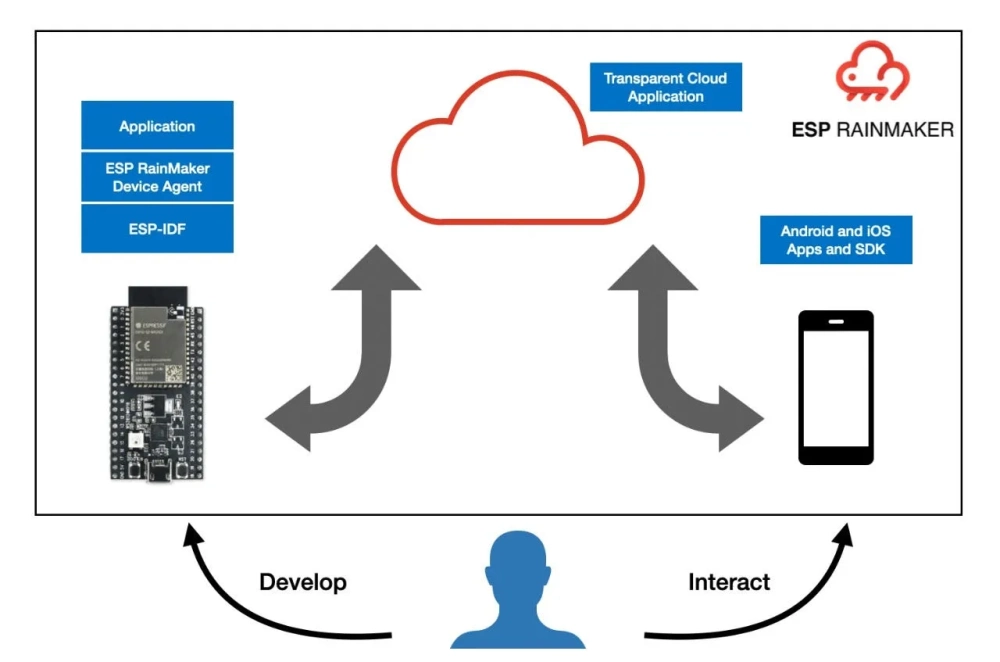
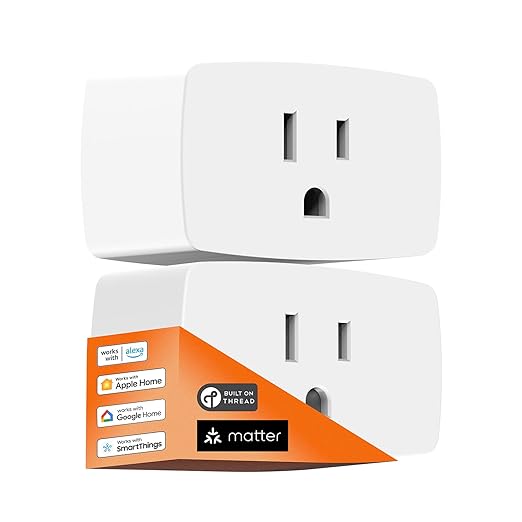
A smaller manufacturer may have the embedded expertise to build a Matter light, plug, sensor, or appliance, but not a large cloud and app team. Neo provides device registration, accounts, remote control, telemetry, automations, firmware updates, permissions, and fleet management.
Manufacturers can use the complete implementation, customize individual parts, or replace services as their products grow. Running it in their own AWS account also gives them direct control over infrastructure and data.
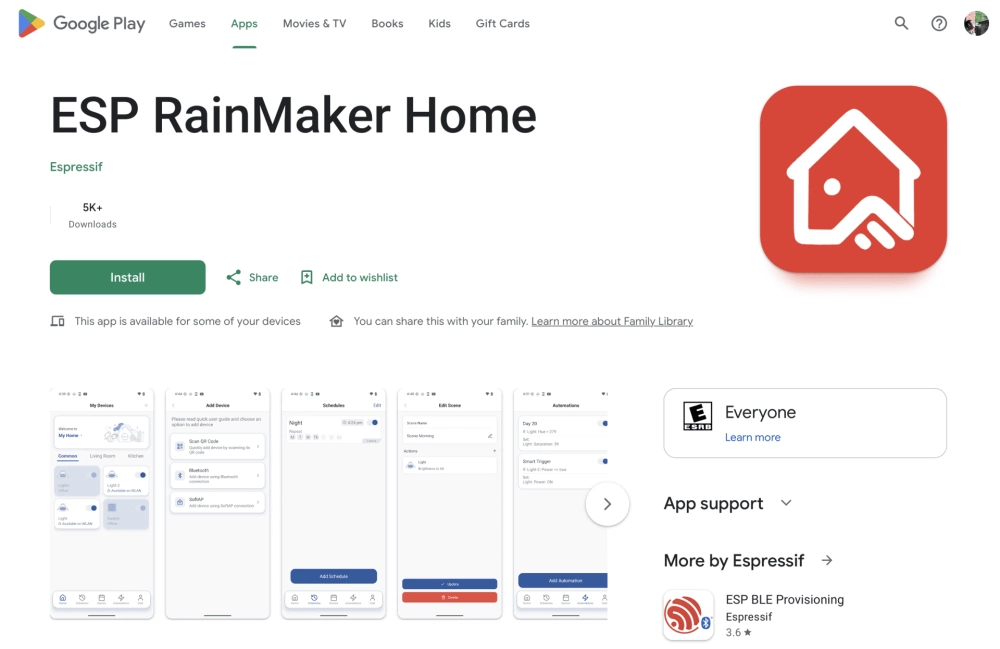
Espressif also offers the open-source ESP RainMaker Home app as a companion. Built with TypeScript and React Native, it gives manufacturers a customizable starting point.
Its Apache 2.0-licensed backend can run inside a company’s own AWS account. Manufacturers can use and modify it commercially without obtaining a separate license from Espressif, while retaining control over infrastructure, data, and the product experience.
A leaner AWS-based design
RainMaker Neo is not simply the old backend released as source code. Espressif rebuilt it around native AWS IoT services with lower operating costs in mind.
AWS is already a common choice for IoT companies. In my previous work with businesses operating cloud platforms, many relied on it for device connections, storage, updates, and accounts. Building Neo around familiar AWS tools should make it easier to fit into existing teams.
AWS IoT Device Shadow manages device state, Thing Groups organize fleets, and AWS IoT OTA handles firmware updates. Permissions are managed through AWS access controls.
This leaves manufacturers with less custom infrastructure to build and maintain, while making it easier to connect existing systems and workflows.
Matter across device, app, and cloud
Manufacturers can build products with the ESP-Matter SDK, while RainMaker’s mobile tools and reference apps provide Matter commissioning and control.
The backend can also run its own Matter Fabric, combining Matter’s local operation with remote access and cloud services.
Matter does not remove the need for a manufacturer platform. It can expose standard controls to major ecosystems, while the manufacturer’s app handles updates, diagnostics, advanced settings, subscriptions, and features outside the specification.
RainMaker Neo gives manufacturers both layers: Matter interoperability and a direct service relationship with their devices and users.
A boost for smaller manufacturers
Large smart home brands often have separate teams for firmware, cloud infrastructure, apps, security, and maintenance. Smaller device makers may have only part of that capability.
RainMaker Neo can reduce both development work and long-term operating costs. It covers deployment, updates, remote operations, and maintenance instead of leaving companies to assemble services from several vendors.
Espressif already supplies the chipset and Matter SDK. RainMaker Neo adds the layers needed to commission, control, update, and manage the finished product.
And the opening the backend gives manufacturers more than access to the code. They can adapt the platform, review its security, connect it with existing systems, and maintain it on their own schedule. They can also redesign the app, add business tools, move parts of the infrastructure, or continue operating it independently. Espressif will still offer paid support, remote diagnostics, service agreements, and cloud AI features. These sit on top of the open platform rather than being required to use it.
Getting started
ESP RainMaker Neo is now available. Developers can start with Espressif’s public deployment, install the packaged backend in their own AWS account, or build the cloud directly from source. Espressif also provides a guide covering backend deployment, firmware, provisioning, and control through the RainMaker Home app.
For Espressif, RainMaker Neo expands its role beyond supplying Matter chipsets and SDKs. For smaller manufacturers, it offers a foundation for building, launching, and maintaining a connected product.
(Source: Espressif; image: Espressif)