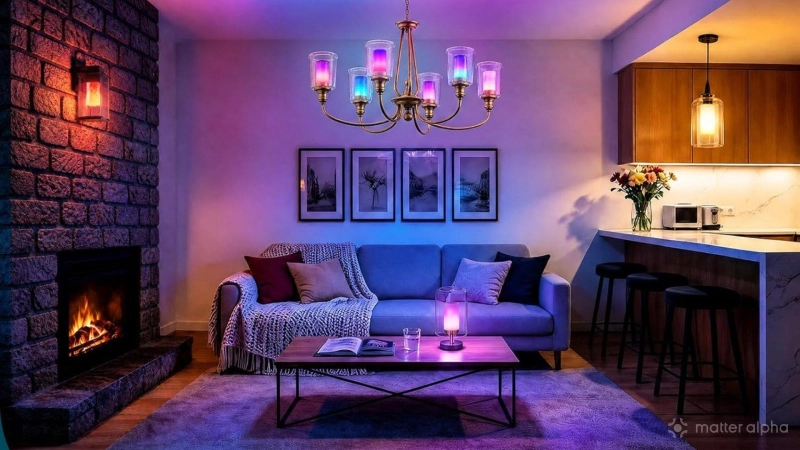
The Connectivity Standards Alliance (CSA) has released Matter 1.6.1, bringing Groupcast out of provisional status and adding optional volume and mute controls for doorbell chimes. This maintenance release refines existing device categories without introducing new device types.
This update focuses on solving noticeable everyday smart home issues, such as the delay when controlling multiple lights at once and the inability to silence a doorbell without turning off its indicator lights. By streamlining how devices communicate across Thread and Wi-Fi networks, Matter 1.6.1 sets up smoother performance for major platforms while giving you much finer control over notifications.
Groupcast simplifies smart home group control
Groupcast first arrived in Matter 1.6 as a provisional feature, but Matter 1.6.1 officially finalizes the feature and makes it the recommended method for handling device groups.
Matter has supported group messaging from the start, allowing a switch to trigger multiple lights with a single command rather than contacting each bulb individually. While this reduced network traffic, setting up groups was complicated behind the scenes. Controllers had to manage group memberships, encryption keys, and permissions across several different software clusters. Groupcast consolidates these tasks into a single system, making it much easier for platforms to set up and manage groups.

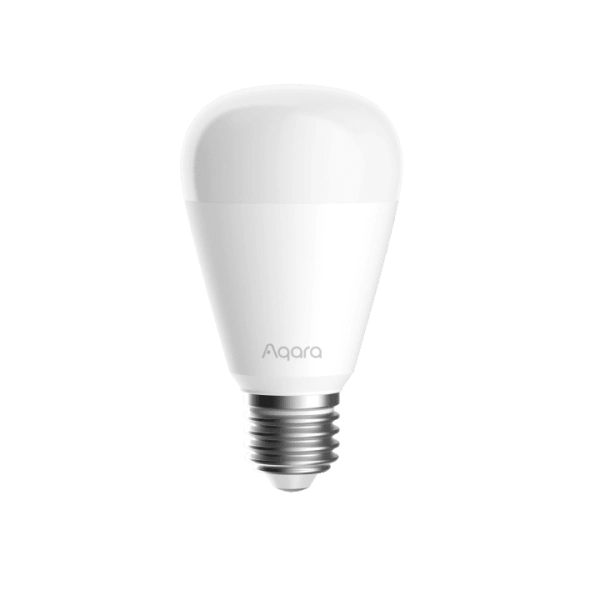
Aqara LED Bulb T2 (E26, CCT)
Smart LED bulb with dual-protocol support (Thread and Zigbee), offering tunable whites and advanced features like dynamic effects, adaptive lighting, and multi-device grouping for enhanced control.

KAJPLATS E26 WS globe 450lm
A powerful smart LED bulb with adjustable white tones and dual Zigbee/Thread connectivity for flexible, connected lighting.
The updated standard also solves network address limitations. Instead of assigning a unique multicast address to every single group, Groupcast can use a shared address, allowing devices to filter incoming messages using their secure group keys. This keeps your home network from getting overwhelmed by tracking too many individual addresses. For older hardware or battery-powered devices, the option for dedicated addresses remains available.
Matter 1.6.1 also clarifies the roles between senders and listeners. A wireless wall switch only needs to send commands, while lights, fans, thermostats, and window coverings act as listeners. If you already have groups configured on older Matter hardware, the specification ensures backward compatibility so your existing bindings, groups, and automations stay intact when devices receive firmware updates.
Home Assistant plans native Matter group controls
Home Assistant is already working on native group controls through its Matter 1.6.1 compatibility project, which is currently in development on the Open Home Foundation roadmap.
Today, if you group several Matter lights together using Home Assistant helper groups, the system sends commands to each bulb one after another. This sequential messaging creates an annoying popcorn effect, where lights turn on or off with a visible delay between bulbs. The new project aims to fix this by letting Home Assistant send single group commands across your Thread and Wi-Fi networks so all devices react together.
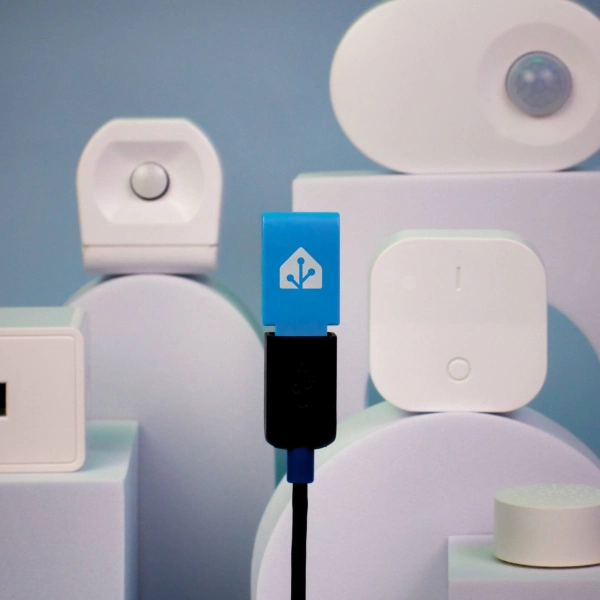
Home Assistant Connect ZBT-1
A compact USB hub that strengthens Zigbee connections and preps your smart home for future Matter and Thread support.
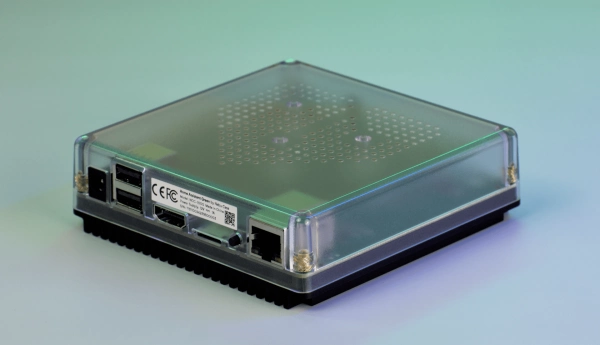
Home Assistant Green
A compact, fanless Home Assistant hub with quad-core processing, 4 GB RAM, 32 GB storage, local data control and Thread USB expandability.
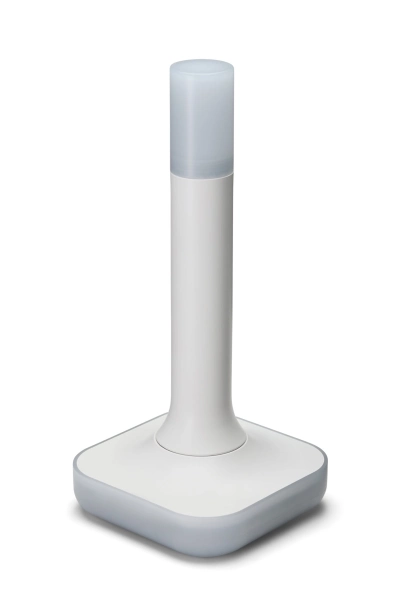
Home Assistant Connect ZBT-2
A USB adapter that unifies Zigbee, Thread, and Matter device connectivity directly within Home Assistant, emphasizing strong performance, broad compatibility, and a fully local smart-home experience
Users will soon be able to create and manage native Matter groups directly within the Home Assistant frontend. The development team is testing the feature across different device brands and varying Thread network sizes, while determining how native Matter groups will work alongside existing Home Assistant light groups. While full support for scenes and direct device bindings remains outside the initial scope, this work lays the groundwork for those capabilities. The underlying code is currently being implemented in Matter.js as a draft pull request, with no official public release date announced yet.
More controls for chimes
The update also gives manufacturers a standardized way to separate audio controls from visual alerts on doorbell chimes by adding an optional speaker endpoint.
In previous versions, turning off a chime completely disables the device, shutting down any visual feedback like flashing LEDs. With Matter 1.6.1, muting only silences the sound. This means you can mute your doorbell chime at night to avoid waking family members while still keeping flashing light notifications active. If your smart home platform supports it, you can also adjust the chime volume directly from your app.
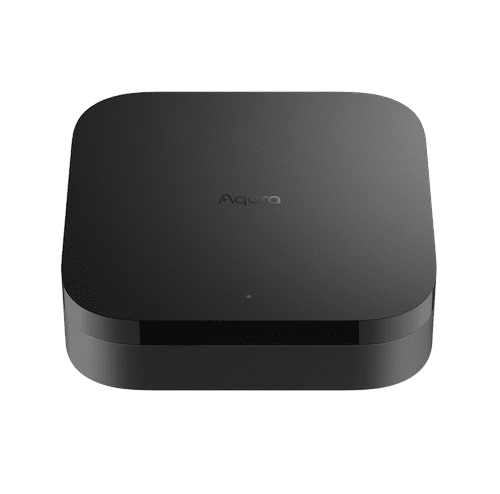
Aqara Hub M3
The Aqara Hub M3 is a Matter-compatible gateway that connects and manages up to 128 smart devices, facilitating local device automation without relying on Wi-Fi.
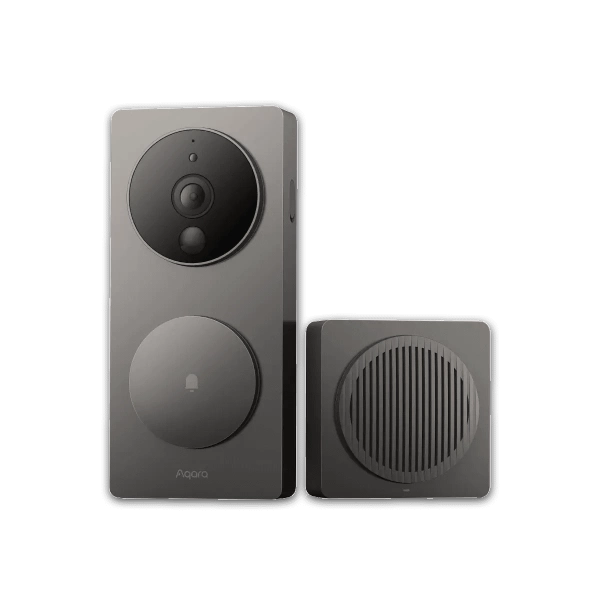
Doorbell Camera Hub G410
The Aqara Doorbell Camera Hub G410 is a 2K-resolution smart doorbell that doubles as a Matter-ready smart home hub, offering enhanced person detection with mmWave technology and broad ecosystem compatibility.
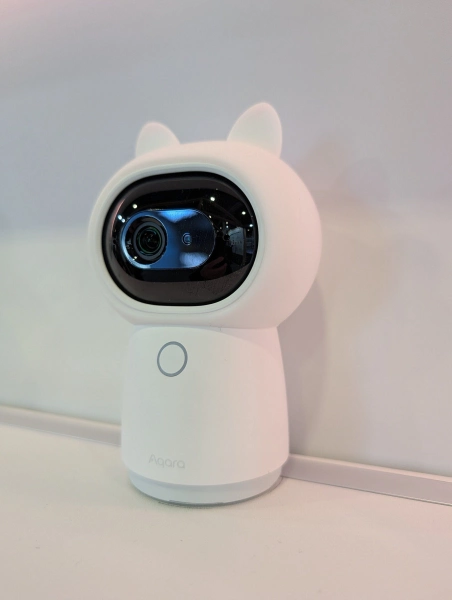
Aqara Camera G350
Aqara Camera Hub G350 blends high-resolution security monitoring, local AI detection, and Matter hub capabilities in one device.
This speaker endpoint uses standard on and off commands for muting and level controls for volume. It applies only to chime audio, meaning it does not turn your doorbell into a music streaming speaker. The feature even covers mechanical chimes that strike metal bars by simply blocking the physical strike mechanism when muted.
Because this feature is optional, Matter 1.6.1 certification alone does not guarantee that every chime will offer volume or mute controls. Manufacturers will need to release firmware updates for existing hardware, and major smart home platforms will need to build the controls into their apps before you can use them.
(Source: CSA, Project CHIP GitHub, Open Home Foundation roadmap, matter.js GitHub; Image: AiDot)