The Connectivity Standards Alliance (CSA) just released the latest spec of Matter, introducing practical additions like NFC-based commissioning, smarter thermostat controls, and joint fabric management.
We have previously talked about how Matter intends to know you better with environmental context. However, that was one of the features that did not make it to the final spec, instead being marked as provisional.
Here is a detailed look at the five features that are currently in the “provisional” waiting room.
What is “provisional”?
When a specific version of the Matter spec is completed, there may be features that are not certifiable at that stage. These sections are marked as provisional prior to publishing the document.
In other words, they are a work in progress. This means the alliance has drafted the standards and the feature is in active development, but hardware makers cannot officially certify or release devices using it just yet. That is exactly how they handled the NFC-commissioning feature; it was defined in Matter 1.5.x documents but marked as provisional until it was officially released along with Matter 1.6 today June 17, 2026).
Here is a breakdown of what these delayed features actually do and why they will be game-changers for your smart home once finalized.
Ending the Popcorn Effect: How Groupcast changes the game
Presently, Matter uses a basic groups method to batch devices together for single commands. The specification teased a new Groupcast cluster built to completely replace the older method for all new group management operations once it is certifiable.
If you have ever asked your voice assistant to turn off all living room lights and watched them turn off one by one, often referred to as the “popcorn effect,” you understand the issue.
The Groupcast cluster is a reworked version of the current group method. It will make simultaneous commands faster, more reliable and perfectly synchronized across complex network setups. This will improve the experience for smart light bulbs, light switches, motorized window shades and the smart hubs that control them.
Ambient context sensing
Instead of a basic sensor that simply detects motion, ambient context sensing allows devices to recognize exactly what is happening in a room. It includes the ability to identify distinct human or object events, uses predictive features to guess what might happen next and establishes strict timers, so sensors do not overwhelm your network.
This elevates the smart home from simple reactions to true intelligence. Your home could proactively turn on the heat before you enter a room, play a lullaby if it hears a baby wake up or send an emergency alert if it detects a fall. Eventually, this standardized feature will be likely to be integrated into smart indoor cameras, smart speakers, video doorbells and occupancy sensors.
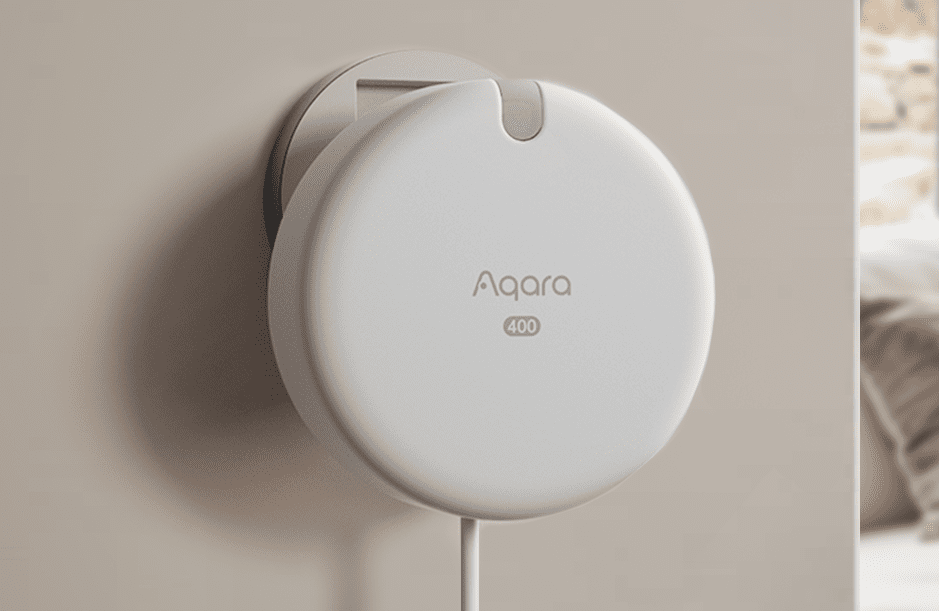
Aqara Multi-Sensor FP400
Matter-enabled mmWave sensor with Thread and Zigbee that tracks up to ten people’s position and posture, supports fine-grained zones, fall detection with exclusion areas, and includes a built-in light sensor.
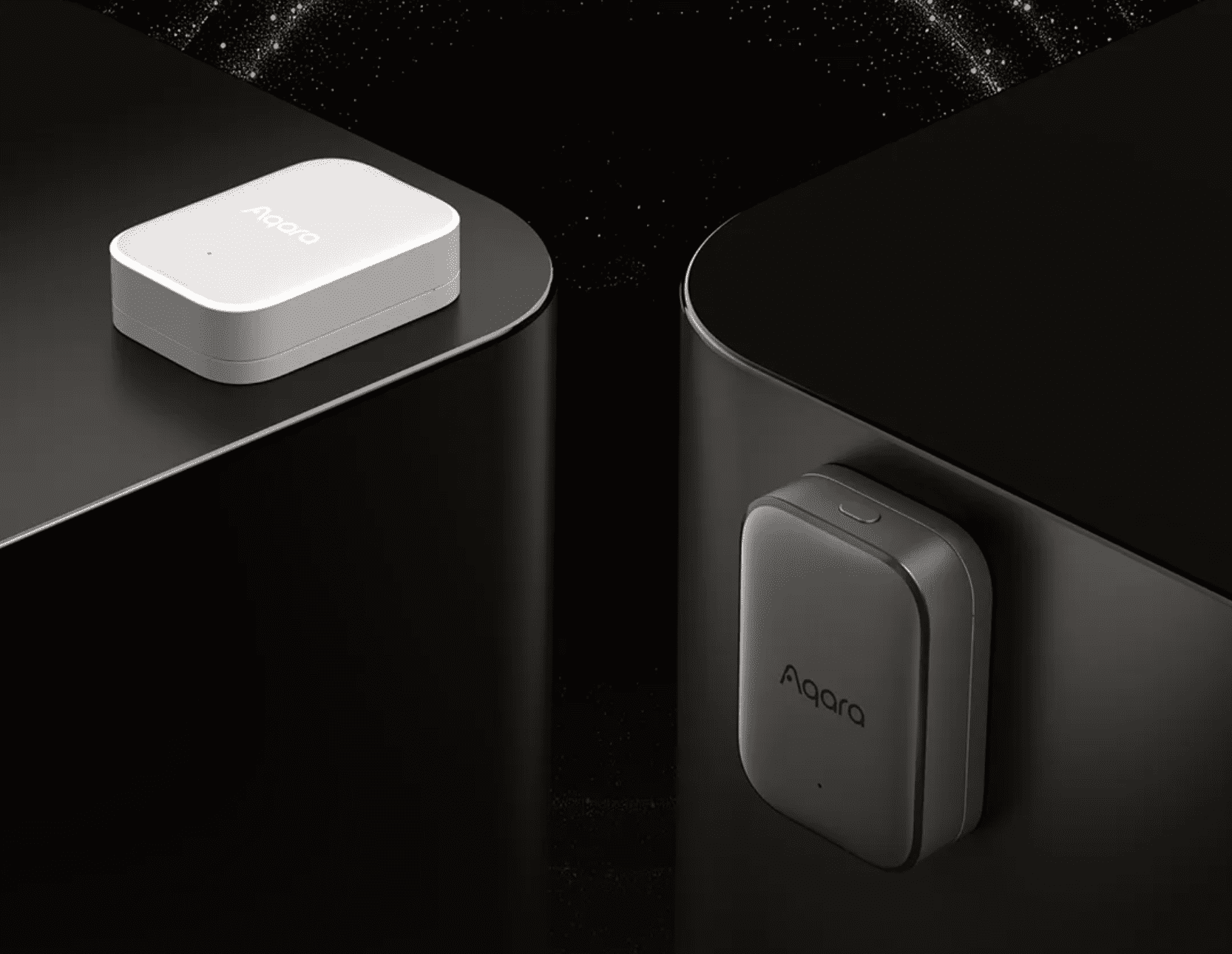
Aqara Multi-State Sensor P100
Aqara Multi-State Sensor P100 delivers flexible, multi-condition motion and object monitoring with Matter-based smart home compatibility.
Creative devices like the Aqara P100 and FP2 can also take advantage of this feature to unlock their full capabilities through Matter.
Smart temperature alarms
A new temperature alarm feature derived from the base alarm rules provides specific definitions related to temperature measurements. It triggers when temperatures drop below or rise above specific, customizable safety thresholds, such as minor, major and critical levels.
This acts as a disaster prevention tool. If you have a smart home setup in a vacation cabin or a greenhouse, this feature allows your system to proactively alert you before the pipes freeze or the room dangerously overheats. In the future, you can expect to see this utilized by smart thermostats, standalone temperature sensors and smart water heaters.
Parent control for Matter TVs
Content control introduces a universal set of parental controls and content restrictions for media devices. Right now, keeping children safe from inappropriate shows requires navigating the fragmented, separate settings of your smart television, streaming apps and cable boxes.
This feature aims to solve that problem by letting parents create universal house rules, like identification code requirements or screen time limits, that automatically apply across all compatible screens and platforms. This will improve usability for smart TVs, casting video players and streaming media sticks.
Dishwasher error alerts
While smart dishwashers are officially included in Matter 1.6, five specific alerts remain “provisional”. These include errors for water inflow, draining issues, water level problems and temperatures that are either too high or too low.
If your dishwasher breaks today, it usually beeps and forces you to find the manual. With these specific alerts, your smart home application will eventually tell you exactly what the problem is in plain language, allowing for easier troubleshooting directly though Matter platforms.
Microwave power in watts
Matter 1.6 adds new controls for microwaves, but the specific feature allowing control by actual wattage is still “provisional”.
Currently, microwave cooking is mostly guesswork using arbitrary power level settings. By standardizing control in actual watts, your smart kitchen application could read a recipe that requires 800 watts for two minutes and automatically program the microwave perfectly, regardless of the brand.
While consumers cannot buy devices with these capabilities today, these drafts provide a clear look into the future of the Matter smart home. Some features may arrive in a later release, such as Matter 1.6.1 or 1.7, while others could be delayed further or ultimately removed from the specification.
(Source: CSA)