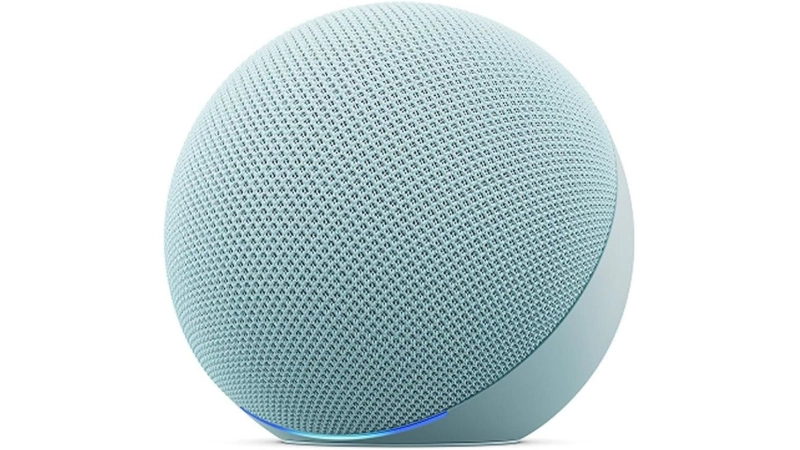
Following the unveiling of the Apple HomePod mini 2, Amazon has dropped its new Echo Dot, along with an upgrade of its clock-screen variant, plus a new Amazon Echo Studio and the Amazon Echo Show 16.
These bring Matter, Thread, and Zigbee control access to your smart speaker or smart screen, potentially offering a more comfortable, voice-based smart home experience. Each device is a Thread Border Router, and we think really demonstrates the importance of that low-power, wireless mesh networking technology -- Thread is appearing in more and more devices.
Price-wise, the Echo Dot and Echo Time are similarly priced with the HomePod mini 2. However, Amazon’s data collection and advertizing practices may put you off its higher priced, display-based smart devices.
Amazon Echo Dot and Echo Time
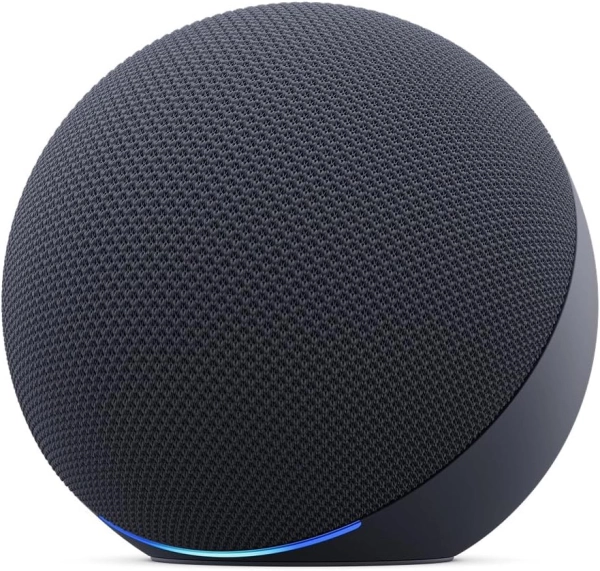
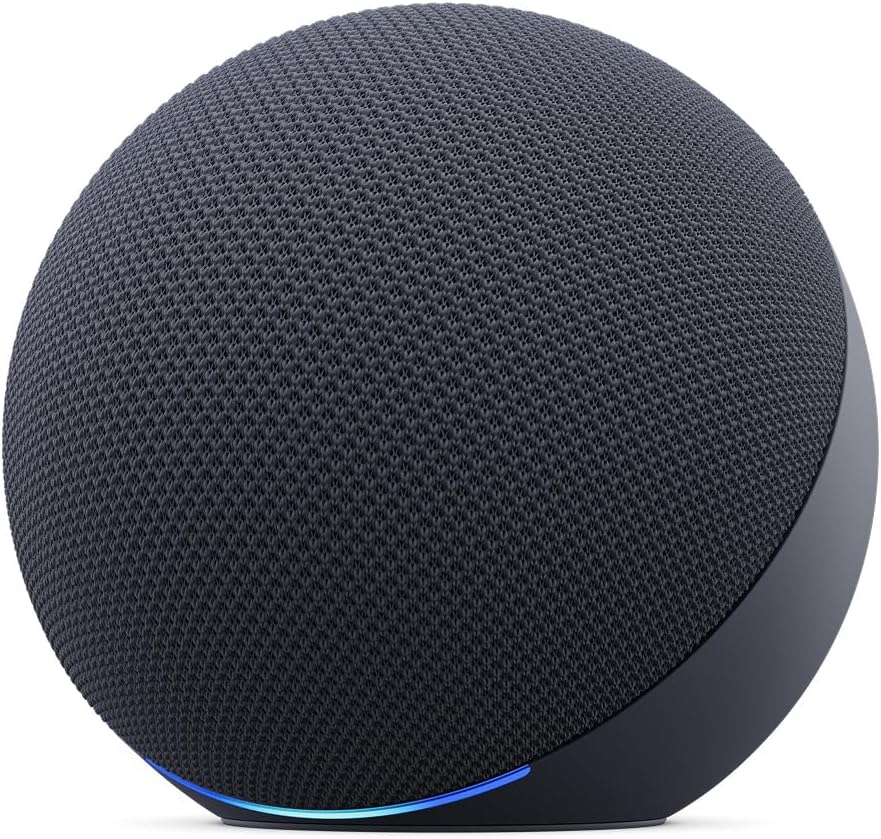
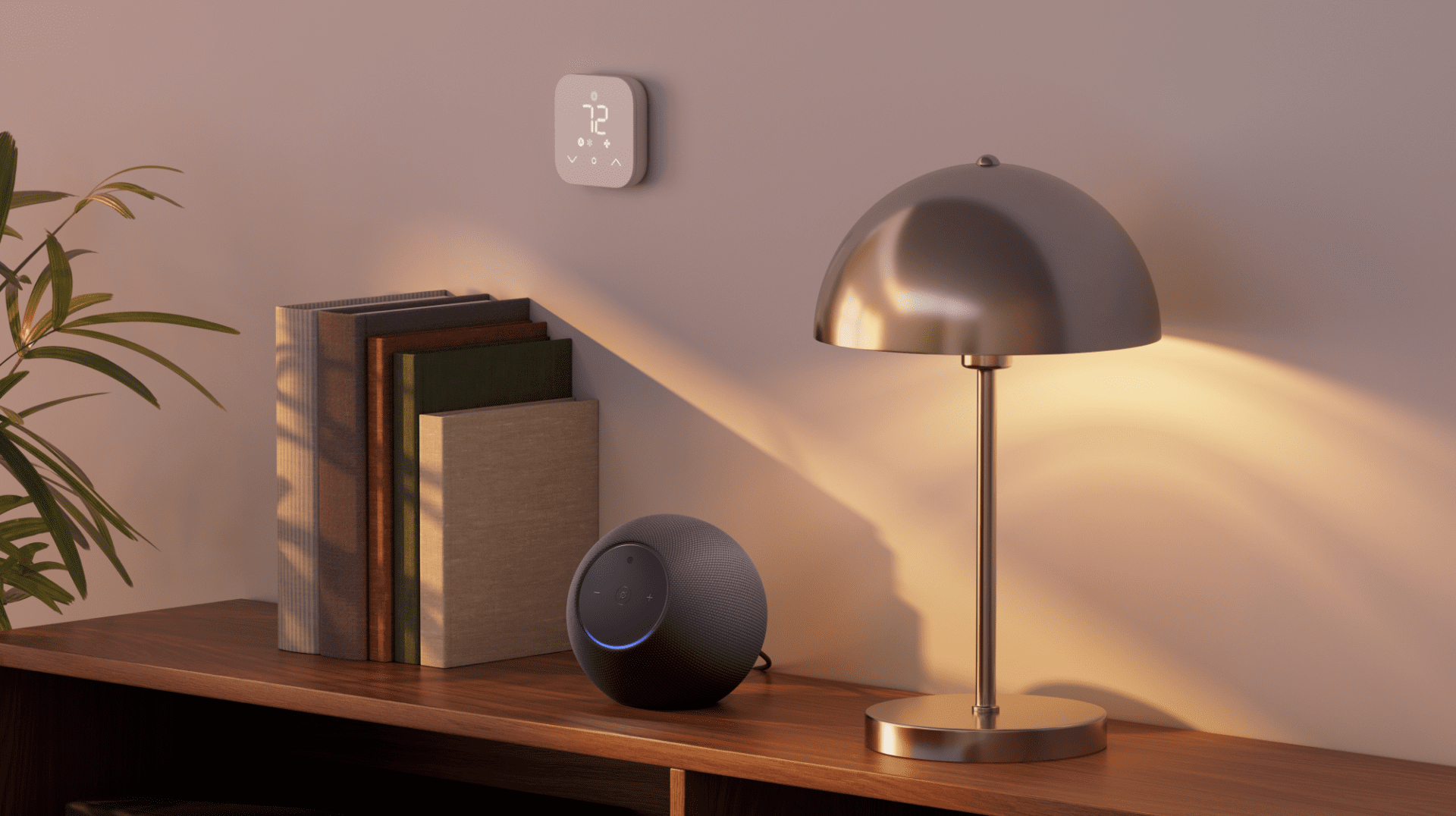
Amazon Echo Dot (2026)
A compact Alexa+ smart speaker that combines improved bass, intelligent voice recognition, smart home connectivity, and built-in Wi-Fi extension.
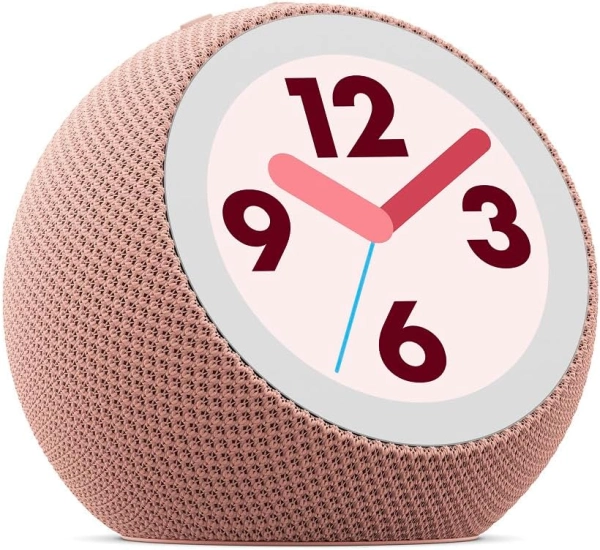
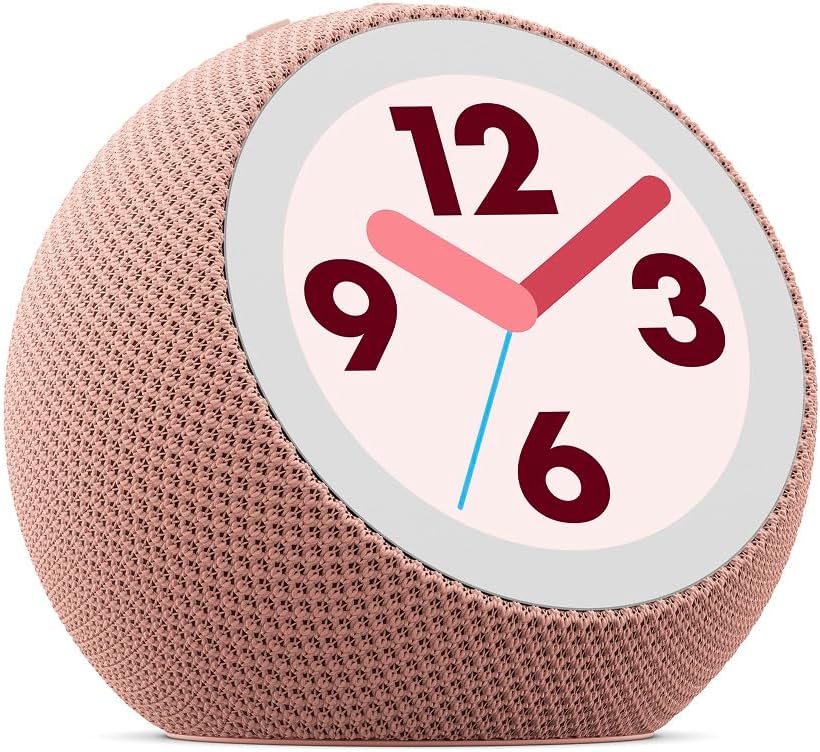
Amazon Echo Time (2026)
A camera-free Alexa+ bedside clock with customizable faces, wearable-free sleep sensing, and sunrise-style smart alarms.
The obvious alternatives to the HomePod mini 2 in terms of size, purpose, and price range, the Amazon Echo Dot and its customizable clock screen alternative the Amazon Echo Time provide an entry-level smart speaker experience. Like the HomePod mini 2, these devices provide a voice activated interface with your smart home, with support for Matter over Wi-Fi and Thread.
Unlike the HomePod mini 2, the 2026 Amazon Echo devices also have native Zigbee support (the HomePod mini 2 relies on separate Zigbee compatible hubs and bridges to add support for the older smart home protocol).
What you also get with the Amazon Echo Dot is a different choice of colors (Agave Green, Coral Pink, Glacier White, and Graphite). Its designed to suit children and adults alike, and its Matter integration via Alexa+ is intended to support a comfortable sleep.
The Echo Time offers the same, along with hundreds of clock faces.
Amazon Echo Studio with Home Camera
With immersive sound and crystal-clear vocals, the Amazon Echo Studio is perhaps the audiophile’s preferred alternative to an Apple HomePod mini 2. A four-microphone array delivers Alexa-+, which should deliver more natural conversations as you decide which smart home device you wish to activate.
Spatial audio, Dolby Atmos, and a 13MP camera make this Amazon’s first camera-equipped, screen-free Echo. The device is essentially the Echo Studio with the auto-framing camera added, retains the same AZ3 Pro CPU and measures the same, too.
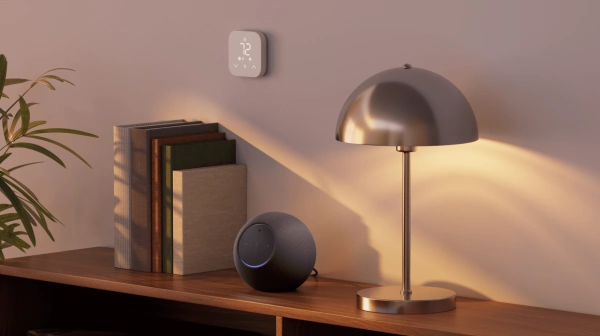
Amazon Echo Studio (2026)
A Dolby Atmos smart speaker with adaptive room audio and a built-in camera that enables visual Alexa assistance and remote room viewing.
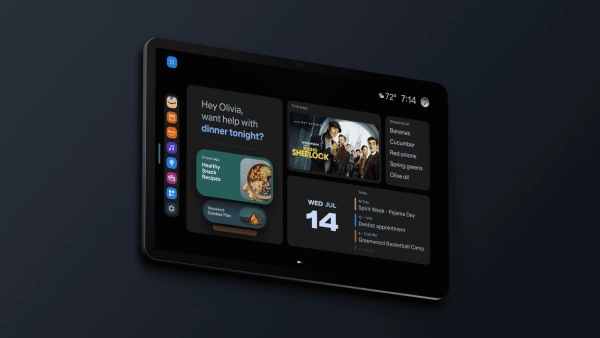
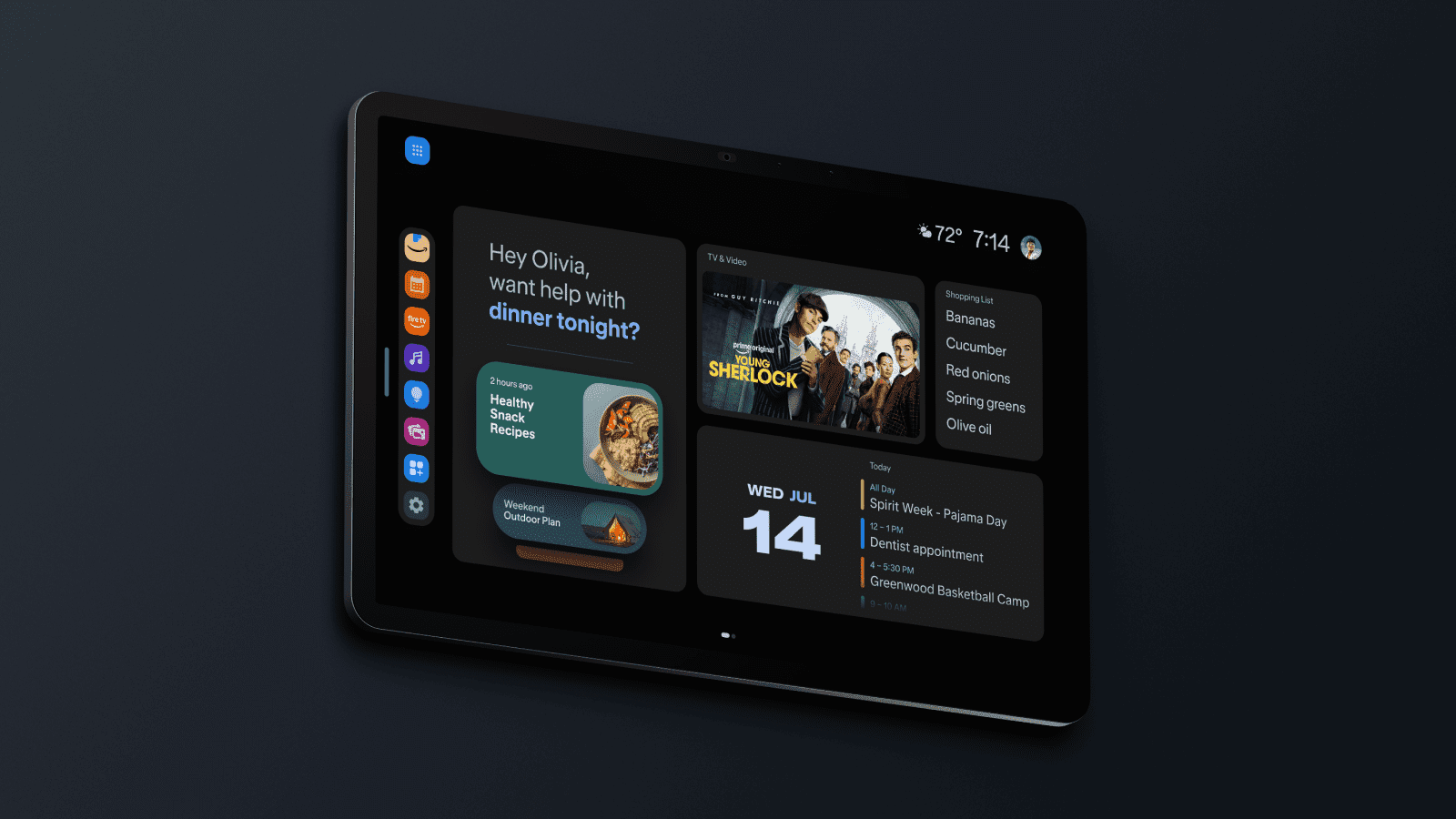
Amazon Echo Show 16 (2026)
A 16-inch Alexa+ smart display combining family organization, smart home management, Fire TV entertainment, and wide-angle video calling.
Amazon Echo Show 16
While the Apple HomeView was unveiled alopngside the Apple HomePod mini 2, it’s availability wasn’t as immediate. Instead, Apple appears to have timed its launch to hit the Black Friday period, and while it is available to preorder now, the device is available from November 13th.
Conversely, you can get the Amazon Echo Show 16 right now, with the 16-inch display offering a customizable hub for your home. It combines Fire TV, Amazon Alexa+ interaction, has a 13MP camera for video calls, and a family organizer for calendars, tasks, and even meal planning.
The Amazon Echo Show 16 can be wall mounted (it has VESA mounting holes), comes with a remote control, and of course supports Matter. If you choose the basic wall-mounted model it is $499, or you can pay an extra $125, to add the adjustable stand for $624.98.
Ready to buy on Amazon now?
Amazon’s new smart devices offer a simple alternative to the updated Apple HomePod range. Like the Apple devices, the 2026 Amazon Echo range is available to buy now. You can order them direct from Amazon, and with Amazon Prime potentially receive your smart home order on the same day.
However, there is a key shortcoming with an Amazon Echo Show 16: it is designed to force the display of sponsored adverts and promotional content. Anyone who has watched Amazon Prime Video recently will know that along with adverts on its subscription TV service, Amazon now provides the option to click a link on screen to learn more about the product being showcased. Unlike the Amazon Echo Dot, ads are unavoidable on the Echo Show.
Amazon’s products are more affordable than Apple’s but they do have an indisputable privacy tradeoff that you need to be comfortable with.