The LG-affiliated smart home innovator Homey has announced “Homey Self-Hosted Server,” a new software-only solution that allows users to run the Homey software on their own hardware.
This launch marks a significant strategic pivot for the company, moving beyond its premium hardware hubs like the recent Homey Pro 2026 to a more flexible, value-added service model similar to Home Assistant and eWeLink CUBE. A wider user base can be reached via this approach with a free-trial where the Homey Hubs are not available.
Bring your own hardware
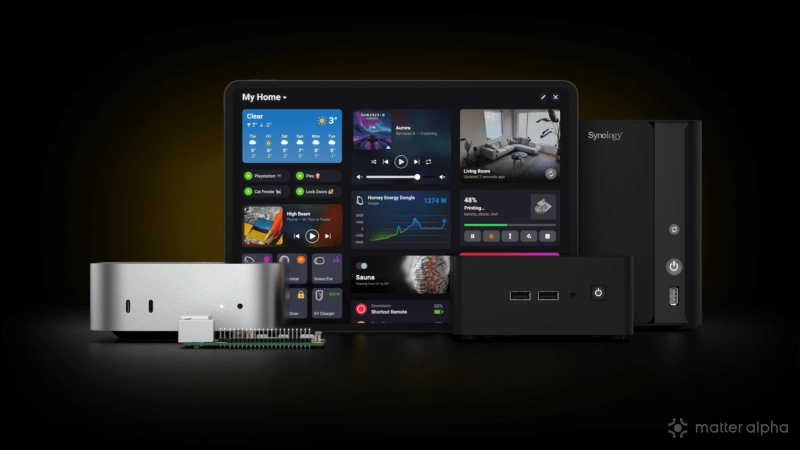
The core appeal of the Homey Self-Hosted Server is flexibility. It enables the full Homey experience to run on a wide variety of user-owned hardware – most popular ones – including Raspberry Pi, Windows, macOS, and Linux systems. It also supports virtualized environments such as Docker, Synology, QNAP, Proxmox, and TrueNAS.
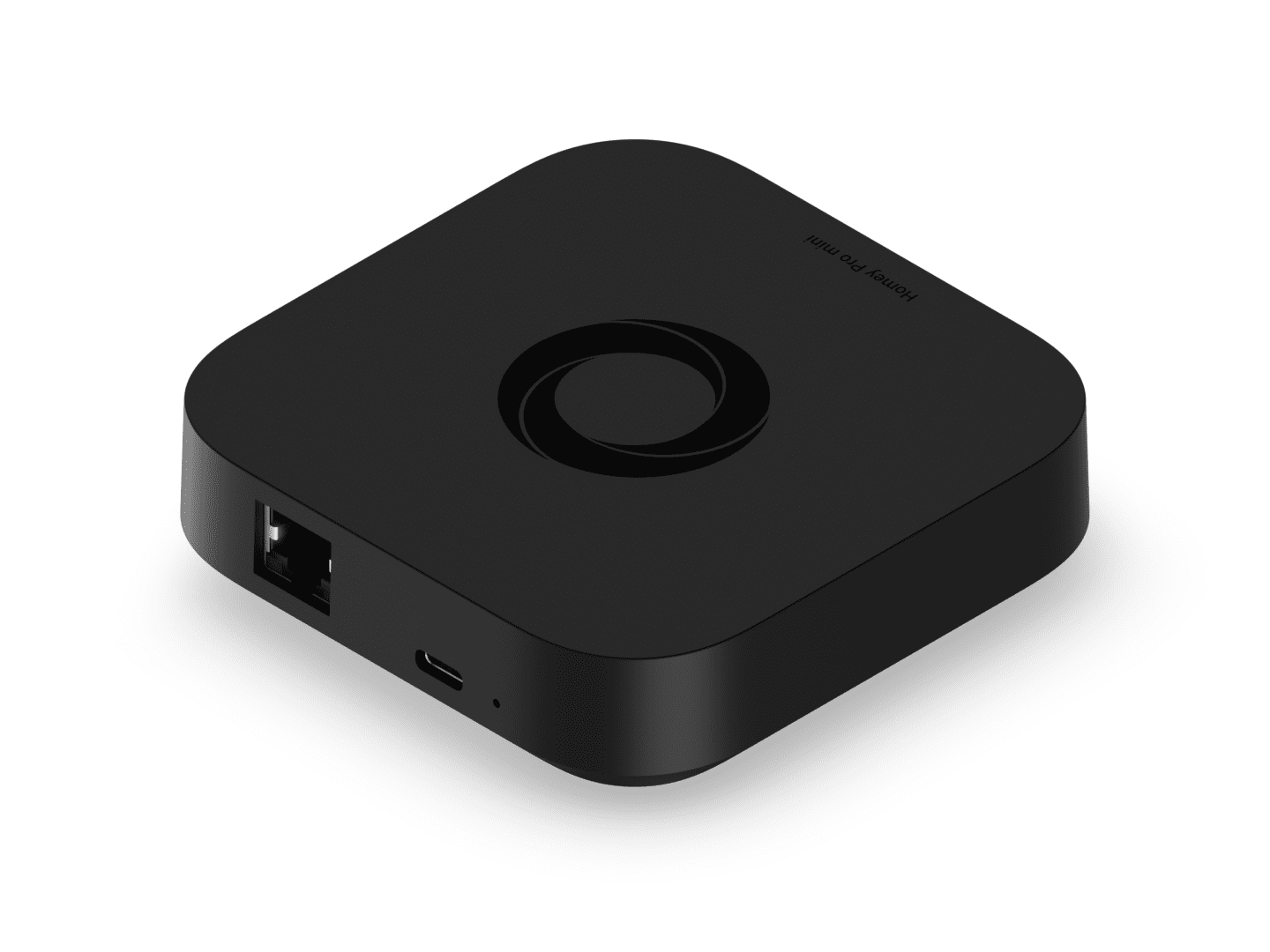
This local-first approach provides robust smart home control out of the box, with native support for Matter, LAN APIs, and cloud-connected devices. By decoupling the software from their specific hub, Homey allows users to leverage the processing power of their existing homelab setups to manage their smart ecosystems. However, there is a catch for users with older devices. Since standard computers lack specific smart home radios, users who need to connect Zigbee, Z-Wave, Bluetooth LE, 433 MHz, or Infrared devices must purchase the optional €69 Homey Bridge to add these physical connectivity layers.
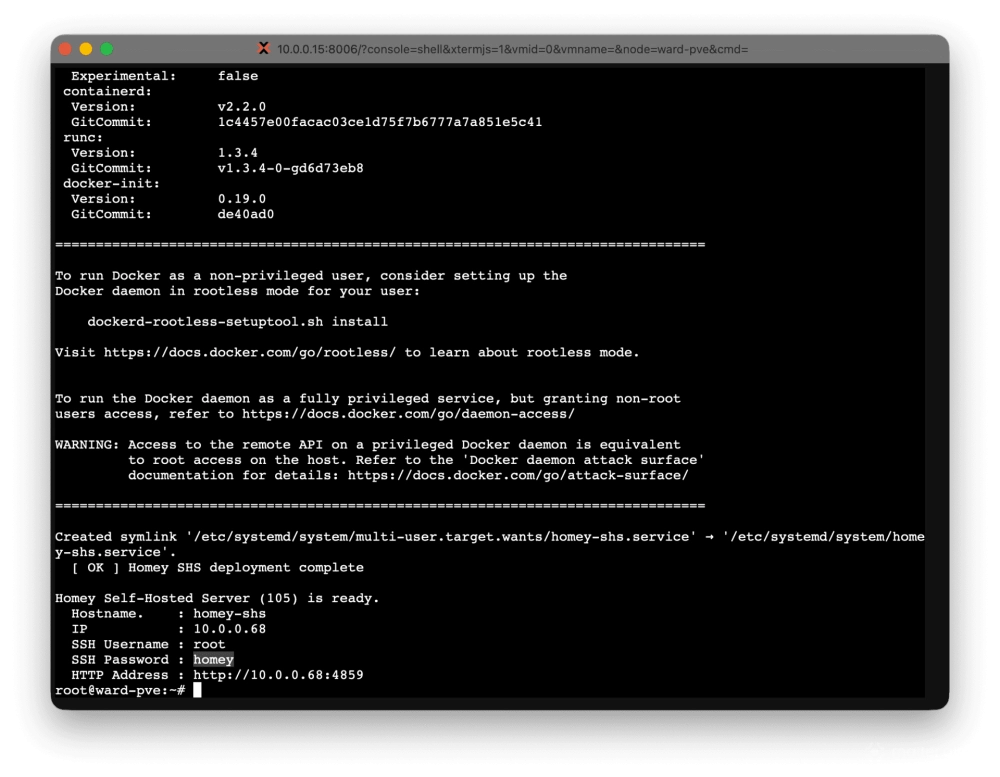
I took a look at the Proxmox guide, and Homey offers a one-line command to automatically install the Homey Self-Hosted Server. It took me two minutes to install and configure my Homey account, which was very convenient.
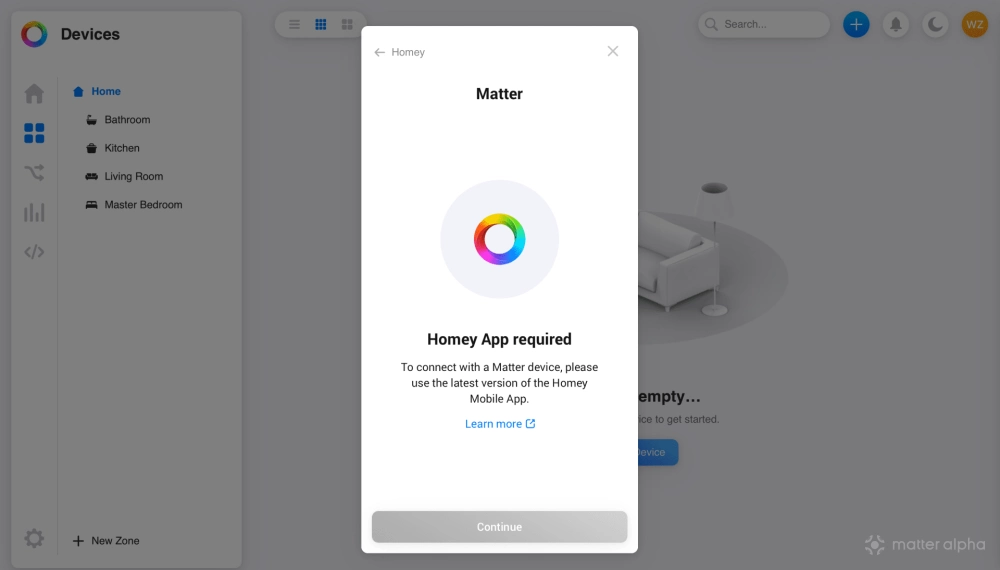
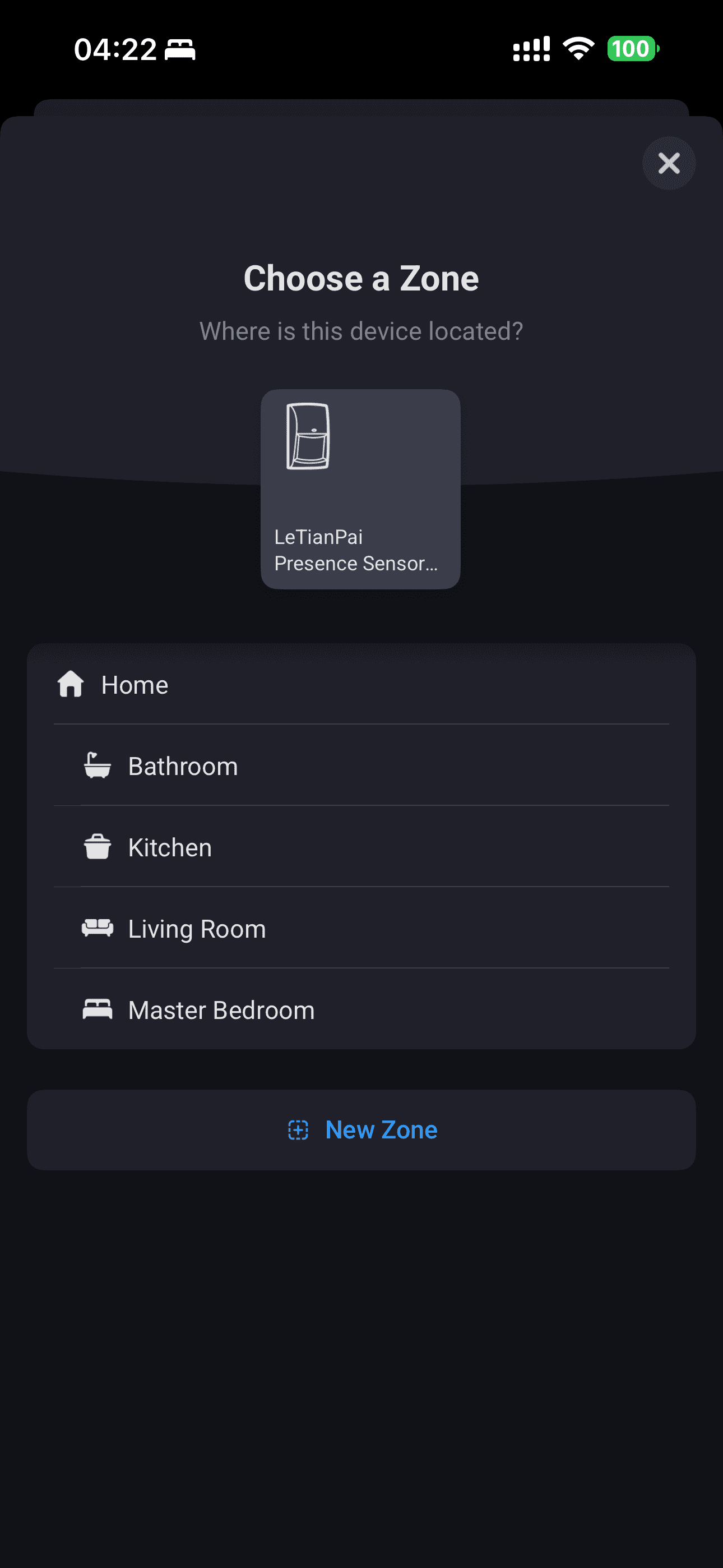
However, in my quick test without an extra Homey Bridge, the Matter device setup still requires a smartphone and relies on existing ecosystems to perform the initial work, unlike the Homey Pro.
The full Homey experience
Despite being a software-only release, the Self-Hosted Server offers feature parity with the high-end Homey Pro. Users gain access to the complete suite of Homey tools, including the renowned “Flow” and “Advanced Flow” node-based automation systems, Energy monitoring, Insights, and custom Dashboards. It also connects to the Homey App Store, allowing the installation of both official and community-created apps to control over 50,000 devices from more than 1,000 brands.
Homey has historically carried a high price tag for its hardware hubs, but its software has arguably been its strongest asset. The platform is often praised for its superior user experience design and powerful automation capabilities. With this release, the advanced Matter integration and sophisticated software features are no longer locked behind a hardware purchase, making the platform one of the most powerful and accessible options in the self-hosted category.
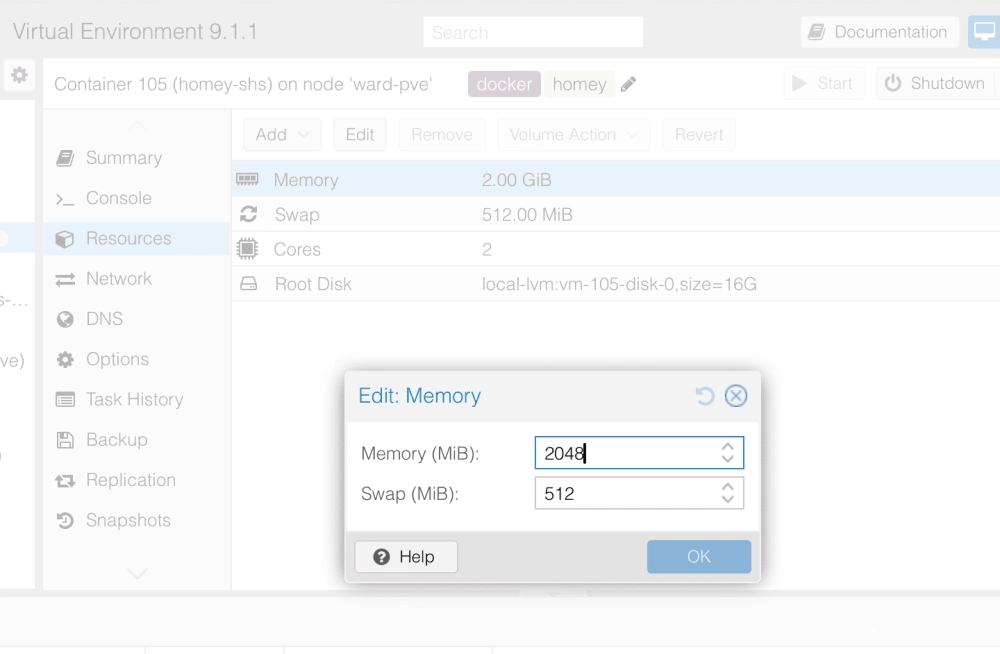
And without hardware limitation, users can add more computation resources to the setup.
Pricing and availability
Homey Self-Hosted Server is available worldwide starting today. Every new installation comes with a one-month free trial. Following the trial, users can opt for a subscription model at €4.99/$4.99 per month, or purchase a lifetime license for €149/$149, offering a flexible entry point for enthusiasts who want premium software on their own terms. The service includes essential cloud features such as remote access, OTA updates, cloud APIs, and voice assistant support.
(Source: Homey; Image: Homey, Matter Alpha/Ward Zhou)