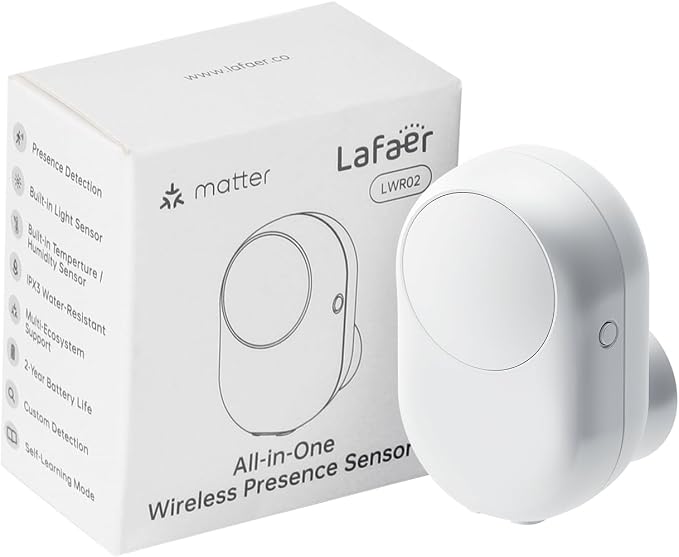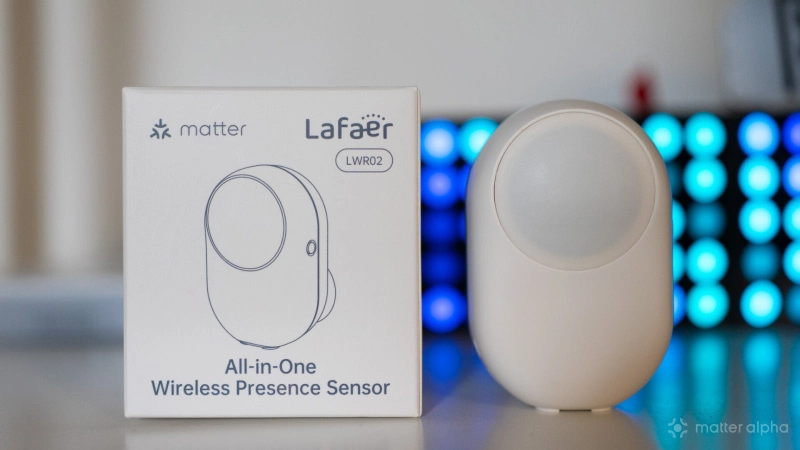
GL.iNet sub-brand Lafaer has updated its battery-powered Matter presence sensor with a slimmer design and an added PIR sensor to help reduce ghost detection. The LWR02 still uses millimeter-wave radar to detect people who are not moving, and it connects directly over Matter over Thread.
After trying several units in different home spaces, I found it a great improvement compared with the last generation, but it still misses the beat that may disappoint you. Here are my takes on the new sensors from Lafaer.
TL;DR
Fors:
-
Compact design and flexible magnetic mounting
-
Local connectivity
-
Rechargeable AAA battery support
-
Temperature, humidity and illuminance readings
-
Fast initial occupancy response
Againsts:
-
Can miss stationary occupants in larger rooms
-
Matter ICD compatibility issue in Home Assistant
Design and installation
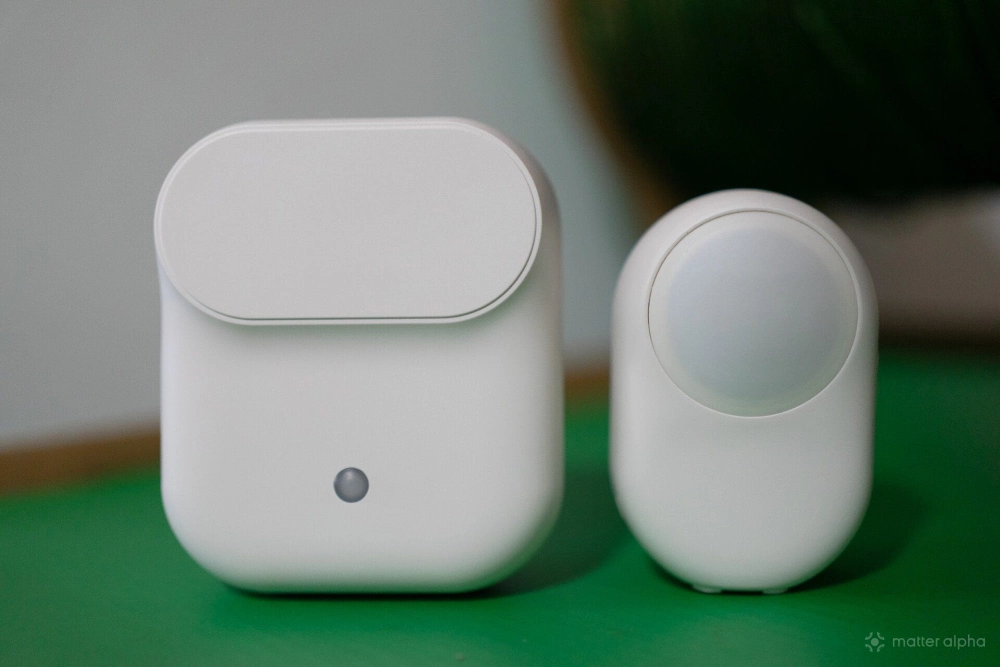
The LWR02 is much slimmer than the original model LWR01 – with its lens shifted toward the top – reminiscent of IKEA’s first-generation TRADFRI motion sensor, although the GL.iNet unit feels solid in hand. The magnetic mount is particularly useful: I could attach it directly to a metal shelf and adjust the angle without drilling holes or adding a fixture.
It still runs on AAA batteries, including compatible rechargeable ones like those from Panasonic or IKEA. That gives it more placement options than a wired radar sensor, especially in a bathroom or storage room without a convenient outlet.
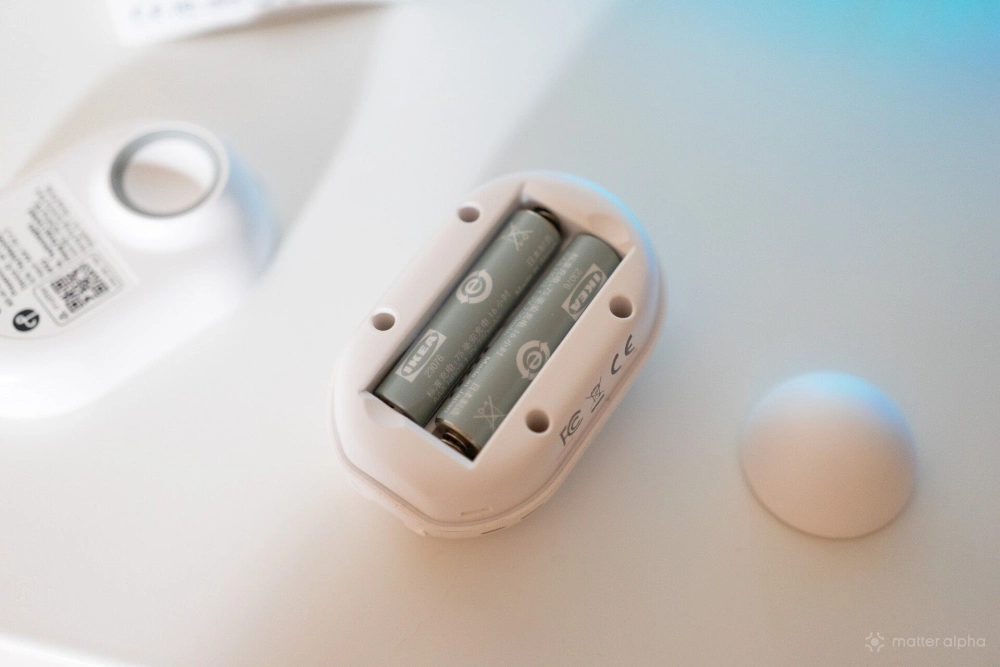
A rubber seal helps protect the housing against moisture. GL.iNet officially rates the LWR02 IPX3 for water resistance, meaning protection against water spray up to 60 degrees from vertical. I placed one in the bathroom for several months without problems. But I would still recommend you to place it slightly away from your shower.
Matter setup and app controls
The LWR02 works locally over Thread, without a cloud account for setup. Pairing is done with the Matter QR code. With recent firmware, adding it to Home Assistant directly with built-in Bluetooth adapter was fast.
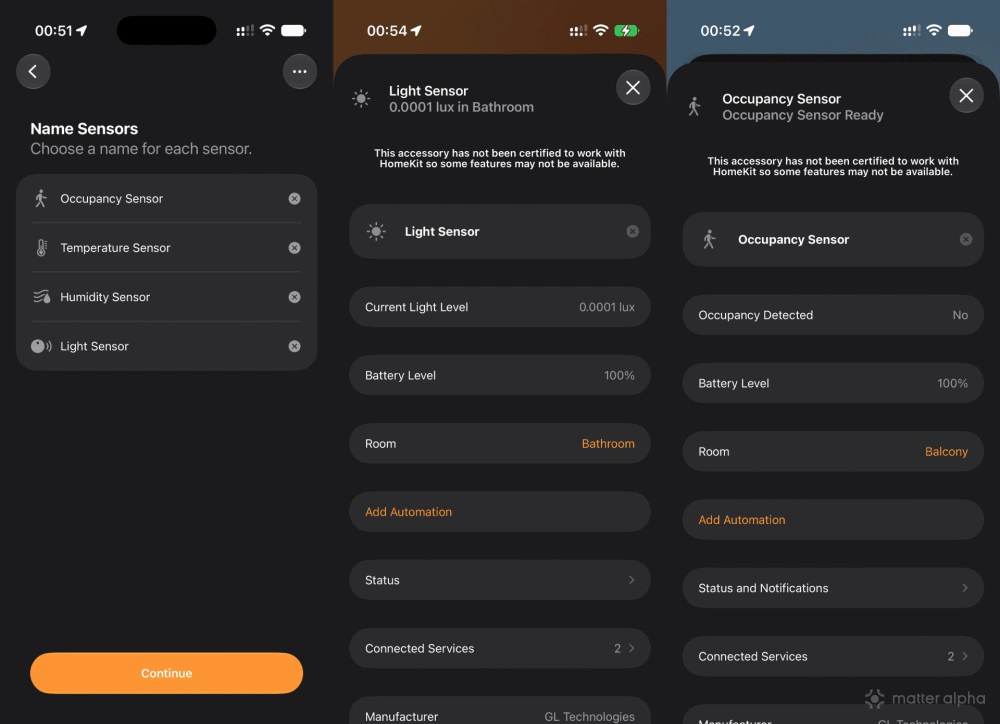
I had more trouble with Apple Home, although I could not pin down whether the problem was on Apple’s side or with the sensor.
Although the LWR02 operates locally through Matter over Thread, firmware updates in my testing still required GL.iNet’s own app rather than the standard Matter OTA update process through a Matter controller.
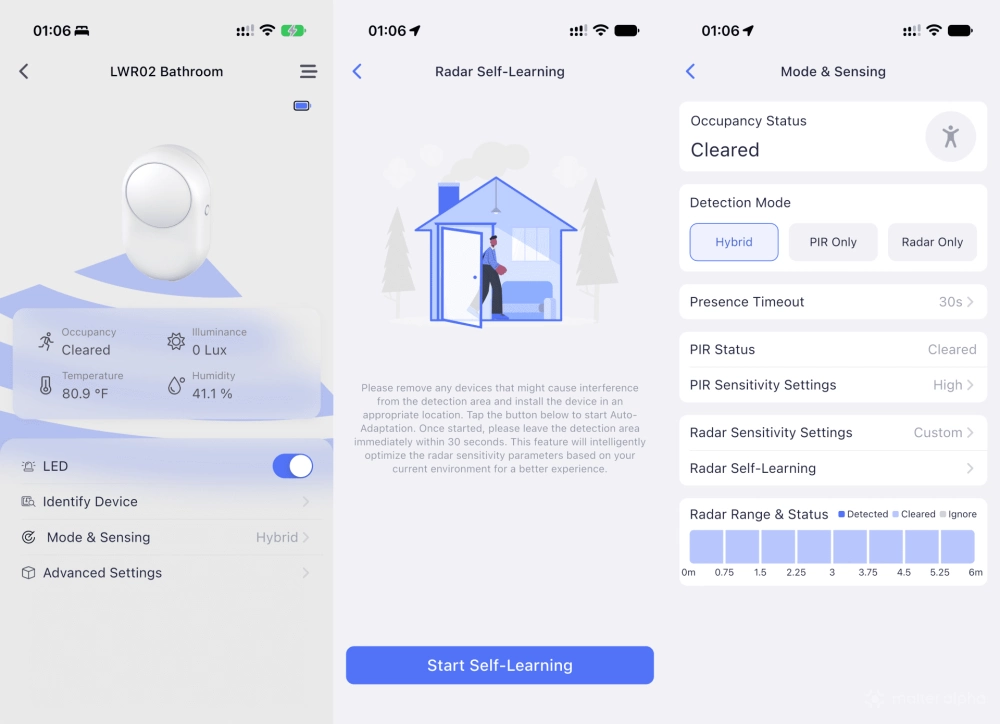
The manufacturer’s app provides additional controls for sensitivity and the way PIR and radar fine tuning. It also allows you to select the battery chemistry, helping the reported battery percentage better reflect different voltage characteristics of disposable (1.5V) and rechargeable cells (1.3V).
There is also a manually triggered self-learning interference filtering to compensate for moving curtains, fans, air conditioning and plants. These controls are useful, but they cannot always prevent missed occupancy.
More than presence detection
The LWR02 also reports temperature, humidity and illuminance. The light reading is especially helpful for automations. Instead of turning on the ceiling light every time someone enters. Light automations can only trigger when the room is dark. Temperature and humidity readings are also useful extras, too, and may save you from installing another sensor to balance thermostat setpoints.
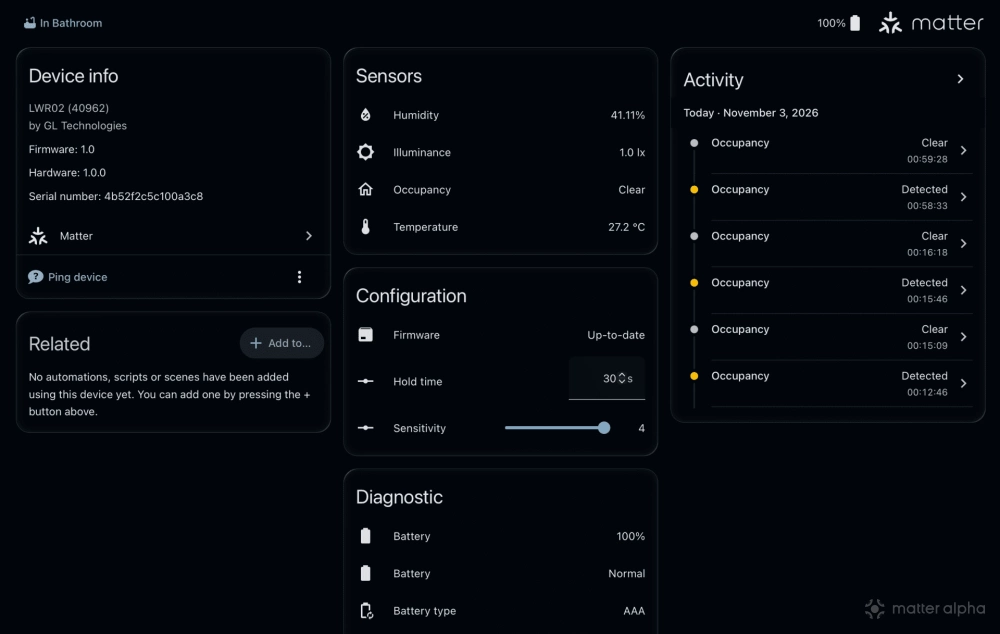
Home Assistant exposes sensitivity and an hold time. I used a 30-second interval to keep occupancy reporting active briefly after the physical detection drops out. This can better prevent short interruptions in lighting automations in my experience.
Detection range and real-world performance
According to GL.iNet, the LWR02 covers approximately 120 degrees, with a maximum stationary-presence range of 4 meters and motion range of 8 meters.
For my living room test, I attached the magnetic mount to a metal shelf and aimed the sensor toward the sofa, approximately two meters away horizontally. It was intended to control ceiling lighting and TV automations. The LWR02 responds quickly when someone enters its detection zone, and a small LED provides immediate feedback.
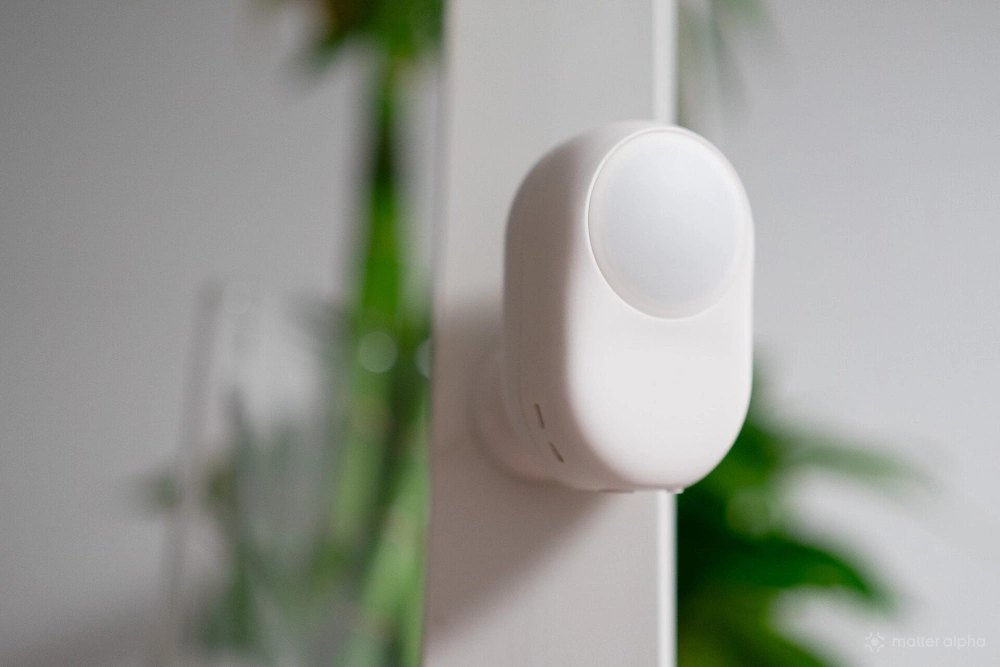
The more significant problem comes later. In a larger room, the sensor sometimes reported absence while I was sitting still on the sofa, even with radar prioritized in the detection settings. The added PIR and filtering appear designed to reduce ghost occupancy, but in my experience the result can be too aggressive. I eventually paired it with another sensor in Home Assistant to make occupancy-based automations more reliable.
Moving the LWR02 into a bathroom produced much better results. Multiple units showed a similar contrast between larger and smaller spaces.
This illustrates a broader compromise with battery-powered radar sensors: balancing frequent sensing, false-positive filtering and battery life is difficult. I have observed similar stationary-presence limitations with Aqara’s FP300 in mid to larger rooms as well.
Thread stability and battery life
My unit reports Thread 1.4 and Matter 1.4.2, a more recent version (latest is 1.6.1) with stable performance. Once commissioned, the Matter over Thread connection was stable in everyday use. Recent firmware also improved the overall performance.
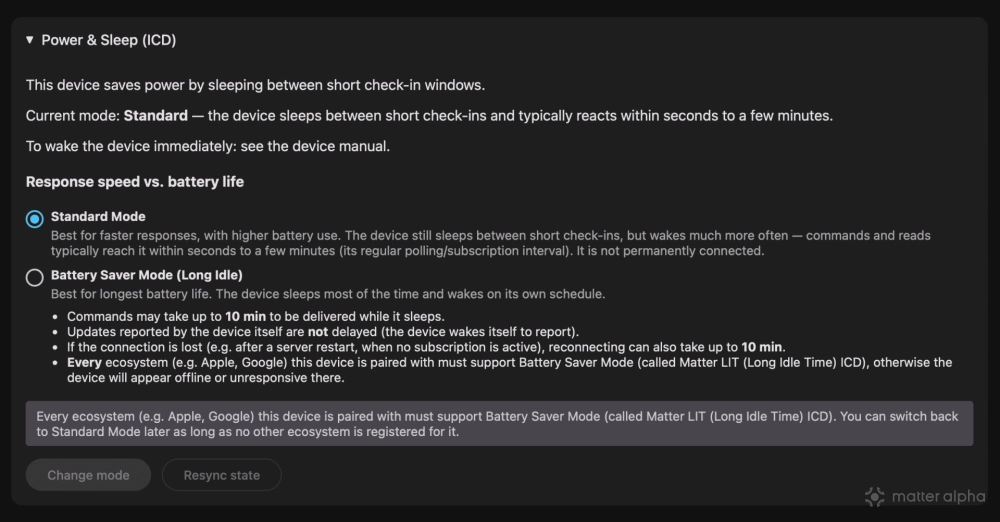
One caveat concerns the optional Matter ICD feature. In my Home Assistant setup, enabling it caused the device to remain offline till a factory reset. I would leave ICD disabled until the compatibility issue is resolved. Without it, battery life still appears promising: based on my usage, replacing or recharging the batteries roughly once a year seems possible, but this is an estimation. Sometimes, a buggy smart home hub or malfunctional router can eat up the battery fast.
LWR02 vs Aqara FP300
I can’t help but to think of the Aqara FP300 sensor, as they offer similar features overall. Both products were listed at $49.99 in their official US stores at the time of comparison.
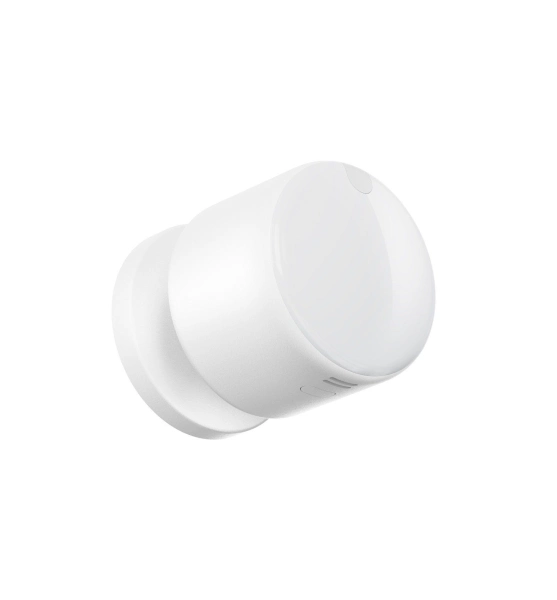
Aqara Presence Multi-Sensor FP300
Both combine PIR and radar with Matter over Thread and environmental sensing. The FP300 has an advantage in ecosystem flexibility: it can use Zigbee as well as Thread, making it attractive to households with existing Aqara, Home Assistant or SmartThings Zigbee setups. Its broader accessory ecosystem may also matter to existing Aqara users. The FP300 can also run natively over Zigbee without a vendor gateway; It offers full features in Home Assistant with a Zigbee dongle as well.
The LWR02 is appealing to users who prioritize native, local Matter over Thread, straightforward placement and splash resistance.
Verdict
I like the LWR02’s smaller body, magnetic mount and extra environmental sensors. Its Thread connection has also been stable in my setup. But a presence sensor needs to keep reporting occupancy when someone is sitting still. The LWR02 did not always manage that in my living room and my work room.
I would consider it for a bathroom, storage room or another small space, where it performed much better in my tests. I would not choose it as the only presence sensor for a large living room, options like Aqara FP400 are more ideal.
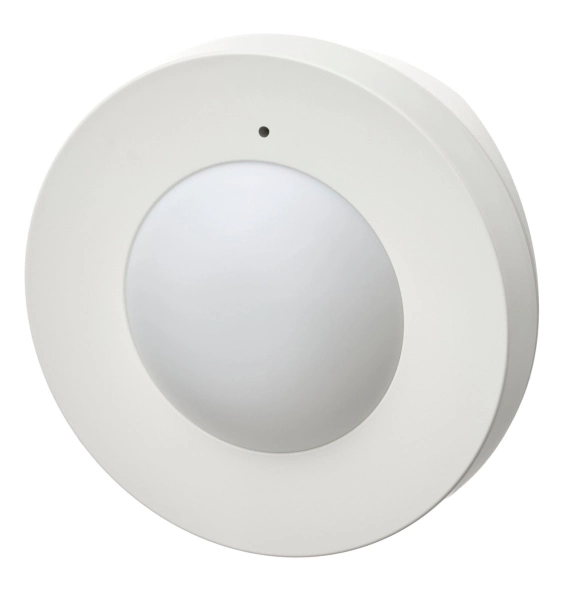
MYGGSPRAY Motion Sensor
A versatile motion sensor that automatically activates lighting indoors or outdoors when movement is detected.
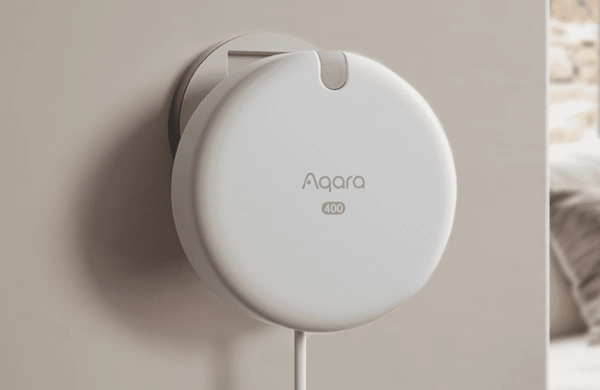
Aqara Multi-Sensor FP400
Matter-enabled mmWave sensor with Thread and Zigbee that tracks up to ten people’s position and posture, supports fine-grained zones, fall detection with exclusion areas, and includes a built-in light sensor.
At $49.99, the LWR02 is not cheap for a sensor. It is priced alongside the Aqara FP300, but the more important question is whether you need presence detection at all. If you only want a light to turn on when someone walks into a room, IKEA’s MYGGSPRAY Matter over Thread motion sensor can handle that job for $11.99, less than a quarter of the LWR02’s $49.99 price.
Lafaer LWR02 is available on Amazon and the vendor’s official store.
(Image: Matter Alpha/Ward Zhou)