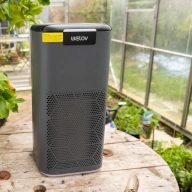
How do air purifiers benefit from Matter compatibility?
Matter doesn't currently add much to air purifiers, but compatibility is still a feature worth having.
Bertel King
Matter doesn't currently add much to air purifiers, but compatibility is still a feature worth having.
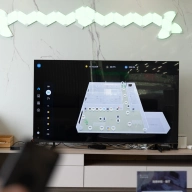
Two years after its debut, is Matter ready for a fully smart home? Our tour of the Connectivity Standards Alliance's demo house in China offers insights.

Thanks to Samsung's popularity, SmartThings is the easiest way to dabble with most Matter devices on the market.

Z-Wave is evolving, and recent developments could see it working alongside Matter with bridged devices.
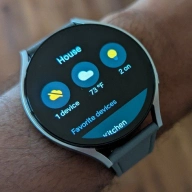
You can control any Matter-enabled gadget using the phone in your hand, but that's only the beginning.
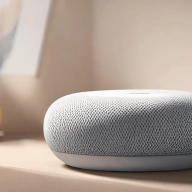
Thinking about buying a Google Nest device for your smart home? These Matter-compatible devices are a good option to future-proof your home.
Google Home is a viable option for a smart home, but its Matter support is woefully behind.

There's no reason smart home tech has to stay inside your home. Whenever you're setting up new lights or sensors outside your home, check for Matter-compatibility.
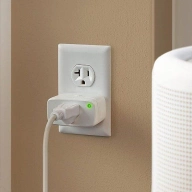
You could buy a smart plug, or opt for a more permanent solution with a smart outlet. But which option is best for you?
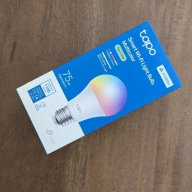
When you're buying a smart light, does Matter matter? More than you might think.
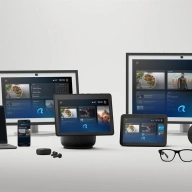
Amazon’s Alexa has long been the best of a bad bunch when it comes to smart voice assistants, but in a world where ChatGPT-style AI is redefining what’s possible, it feels outdated. That’s about to change with Alexa+, a new AI-powered upgrade that promises natural conversations, memory, and actual intelligence.

Matter.js is a JavaScript implementation of the Matter smart home protocol, letting you create, simulate, and control devices using simple code. In this guide, I’ll show you how to build a virtual PC suspend switch to remotely put your computer to sleep.
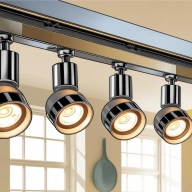
In our ongoing series that explores the best Matter-compatible light bulbs, we've covered floodlights, candelabra, and standard A19 options. Today, we'll be taking a look at the most common bulb type for spotlights and track lighting—GU10.
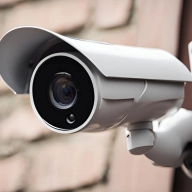
Despite Matter's promise of interoperability, Matter-compatible cameras remain some way off. Technical hurdles, market fragmentation, and consumer education challenges all contribute to this slow progress. The future of Matter hinges on overcoming these obstacles to achieve a seamless smart home experience.

A collection of significant Matter devices are expected to be unveiled at CES 2025, so here's a look at the smart home devices we're particularly interested in seeing.

Was 2024 the "Year of Matter?" Not quite, but it certainly made some headway, becoming more important to smart home manufacturers. Its anonymity continues to be a problem as we move into 2025, however.

One of the key aspects of the Matter smart home platform is its energy monitoring features, extended in Matter 1.4. With careful management and configuration, there is the potential for a smart home to not only save you some physical energy, but to also reduce on domestic energy use. So do Matter devices contribute to energy efficiency and environmental sustainability?

Thread was supposed to be the brilliant new low-powered communications standard for the Matter smart home. So why are most devices still using Wi-Fi?

The smart home is gradually moving out of the house and into other parts of your property. Exterior lighting was the first step, then gardens. But what about your garage? Can Matter work with your garage door?

The promise of a slick, functional smart home is tantalizingly within reach, and failure is frustrating. But just sometimes, it’s a good idea to sit back, take a more holistic view of the situation, and let yourself have a bit of a chuckle. After all, we managed okay before the smart home came along. With this in mind, here are five funny smart home videos guaranteed to lighten the mood.