IKEA’s next smart home range is starting to surface, led by the new hub, air purifiers, and more smart lights, as the company expands beyond its first wave of Matter products.
The filings fit a broader strategy IKEA’s smart home team described to Matter Alpha in a recent interview: build more products that sense, act on and control the home, while keeping them simple enough for average users. Matter gives IKEA a way to broaden that range without turning its own ecosystem into an increasingly complicated platform.
David Granath, IKEA’s Global Range Manager, and Stjepan Begic, IKEA’s Product Developer, explained how that balance shapes the range.
An expanding portfolio
IKEA is not treating Matter as a simple replacement for Zigbee. Its next smart home range is being built around three basic jobs: sensing what is happening, acting on it and giving people a simple way to control the result.
Granath said IKEA starts from the home rather than the tech. Lighting was the natural first step, followed by sensors, remotes and air purification as the company explored what else a connected home needed.
That approach is now pushing IKEA into more categories. Granath pointed to updated drivers for kitchen and wardrobe lighting and a thermostatic radiator valve planned for Europe, bringing the company further into heating and energy management.
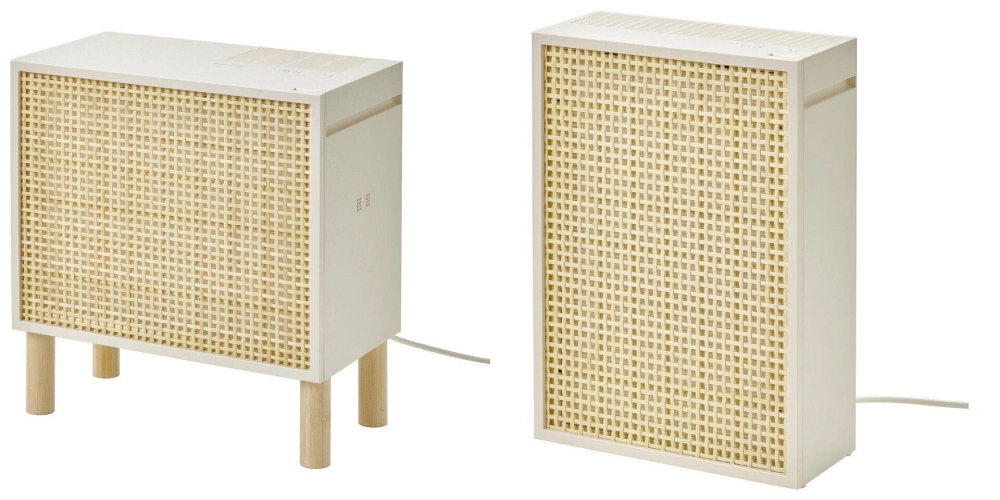
Air purification could be the next step according to Granath.
Two unreleased air purifiers have since appeared in the US Department of Energy air cleaner database and IKEA online stores, firstly discovered by the community. BLÅSBÄLG, model E2530, is listed for rooms up to 228 square feet, about 21 square meters, with a PM2.5 clean air delivery rate of 151 cubic feet per minute. The smaller SJÖMANING, model E2520, is listed for 116 square feet, about 11 square meters, at 79 cubic feet per minute.
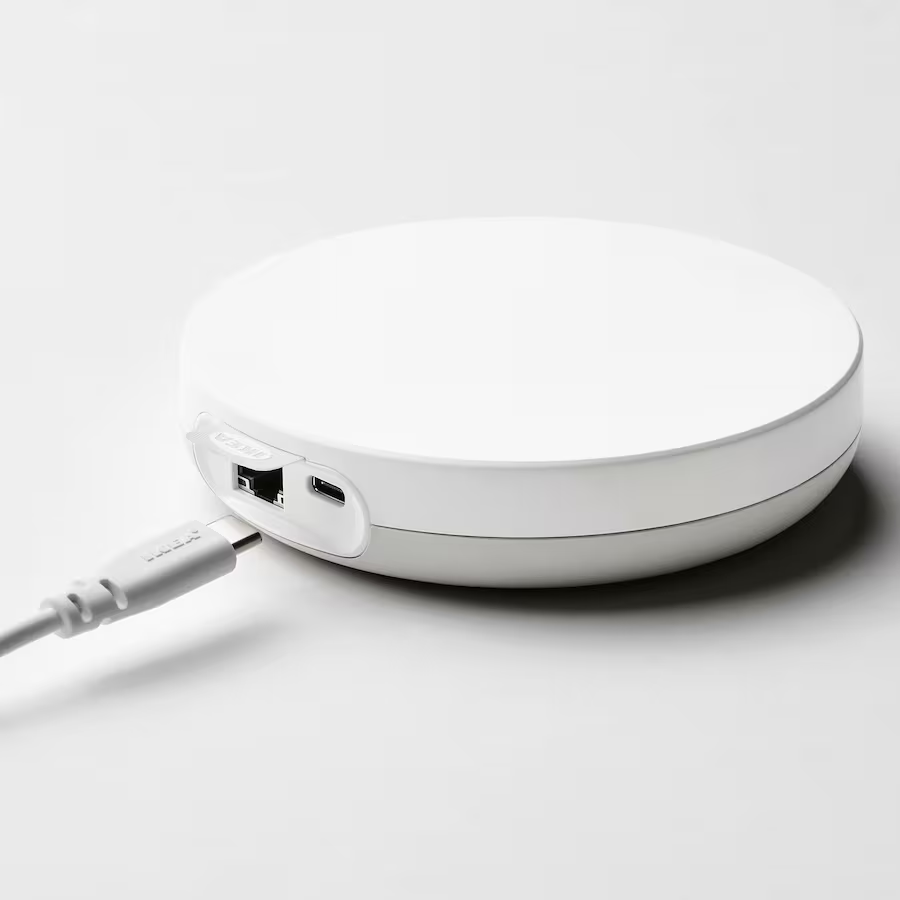
A new hub also surfaced. BRANDHAKE brings Wi-Fi, Thread, and Zigbee connectivity, positioning it to sit across IKEA’s existing Zigbee products and its growing Matter-over-Thread range.
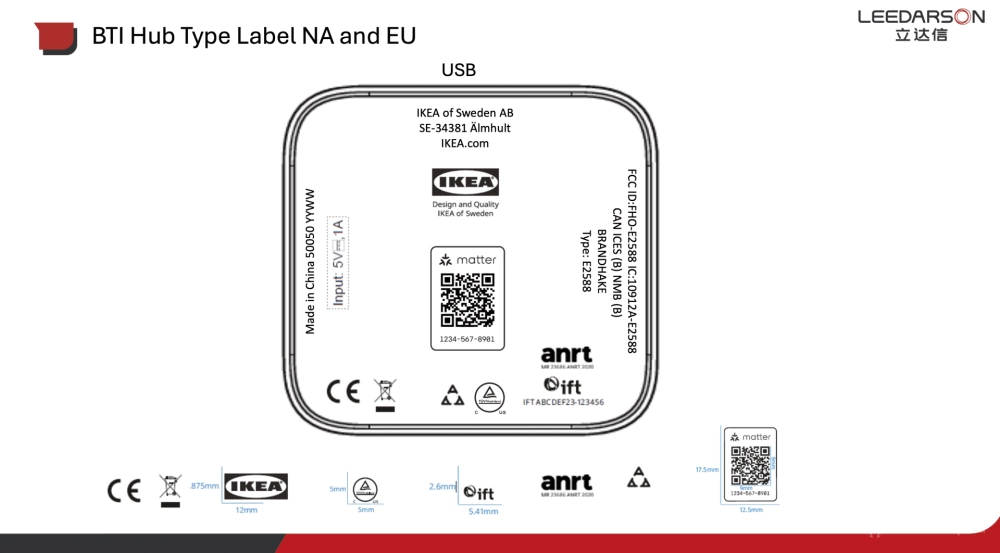
Granath did not reveal more details about the new product, but hint affordability is clearly a key consideration as IKEA expands its Matter lineup.
“We recognize that a hub is a product people buy out of necessity rather than desire,” Granath said. “Asking customers to pay $100 for a hub just to use smart lighting creates a barrier.”
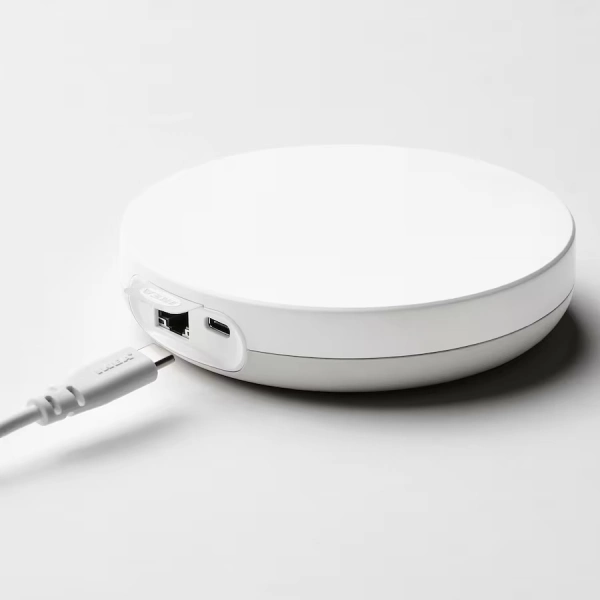
DIRIGERA
Five factors shape every smart home product
Low price is important, but IKEA does not design its smart home products around price alone.
Granath said the team follows IKEA’s Democratic Design framework, judging each product across five dimensions: form, function, quality, sustainability and low price. A decision that improves one area can create a compromise somewhere else.
Sensors with rechargeable batteries are one example. Compared to early Zigbee devices, IKEA accepted a larger enclosure to accommodate rechargeable batteries because the change improved convenience and sustainability. Begic said it also improved runtime and performance while fitting the affordable LADDA NiMH batteries and chargers already sold in IKEA stores.
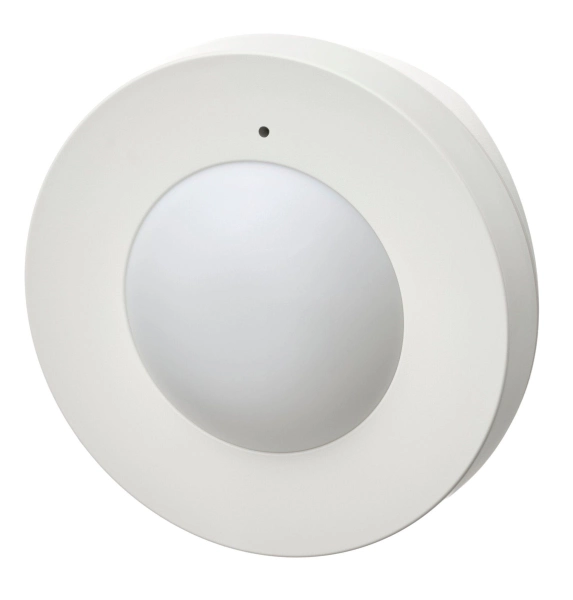
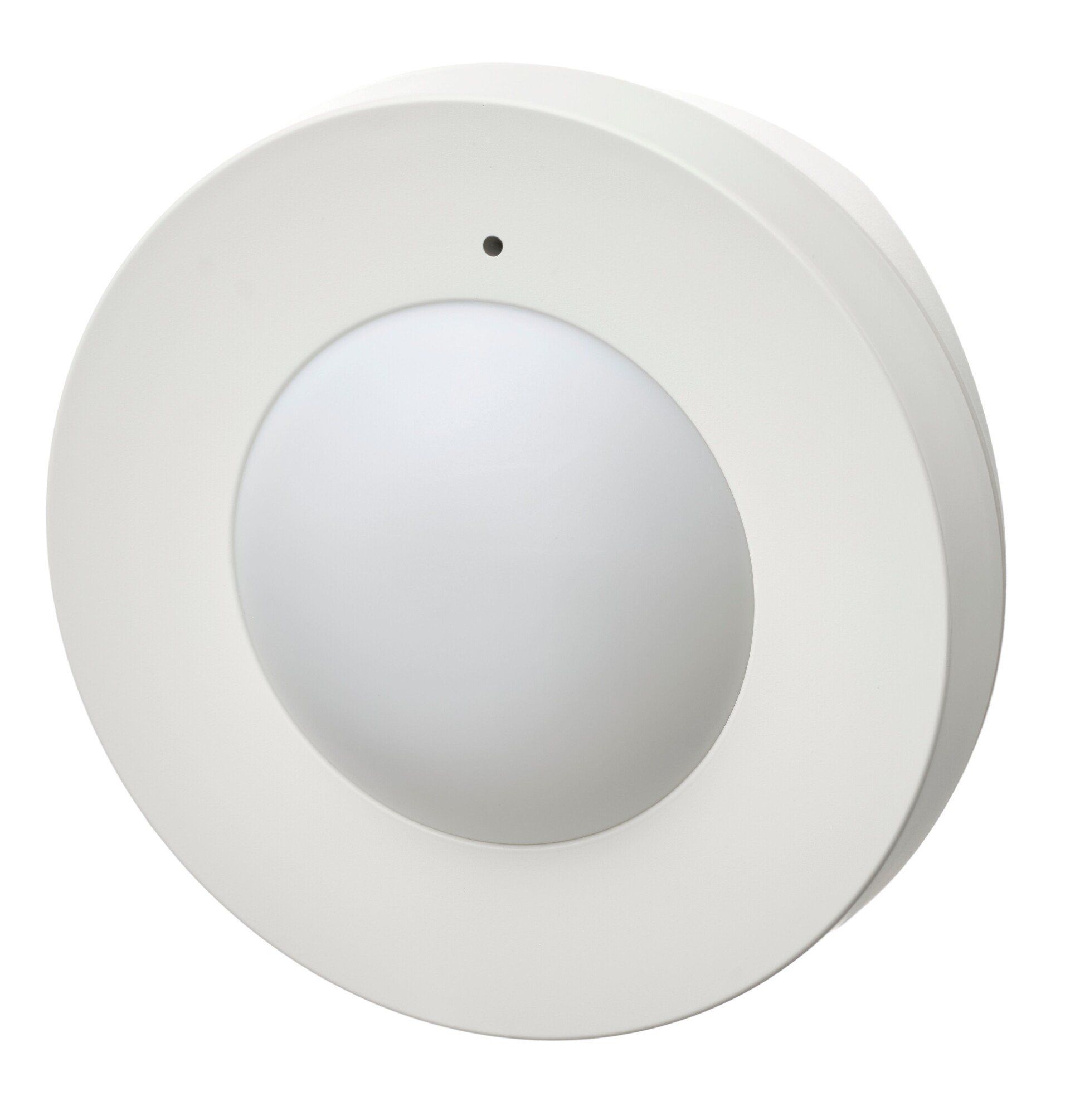
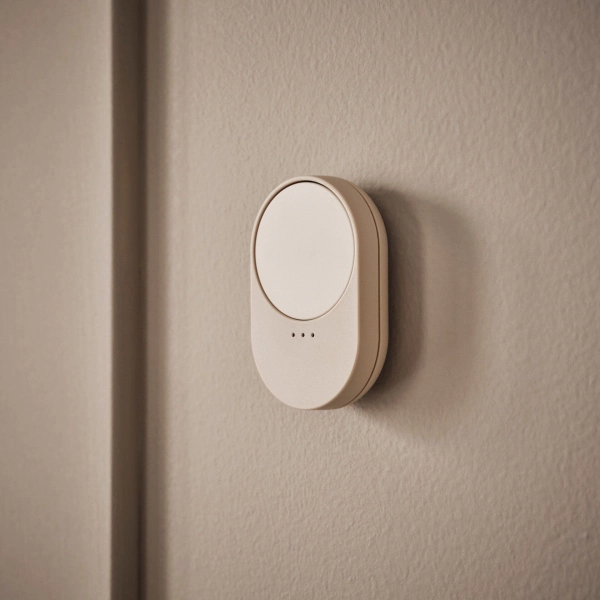
MYGGSPRAY Motion Sensor
A versatile motion sensor that automatically activates lighting indoors or outdoors when movement is detected.
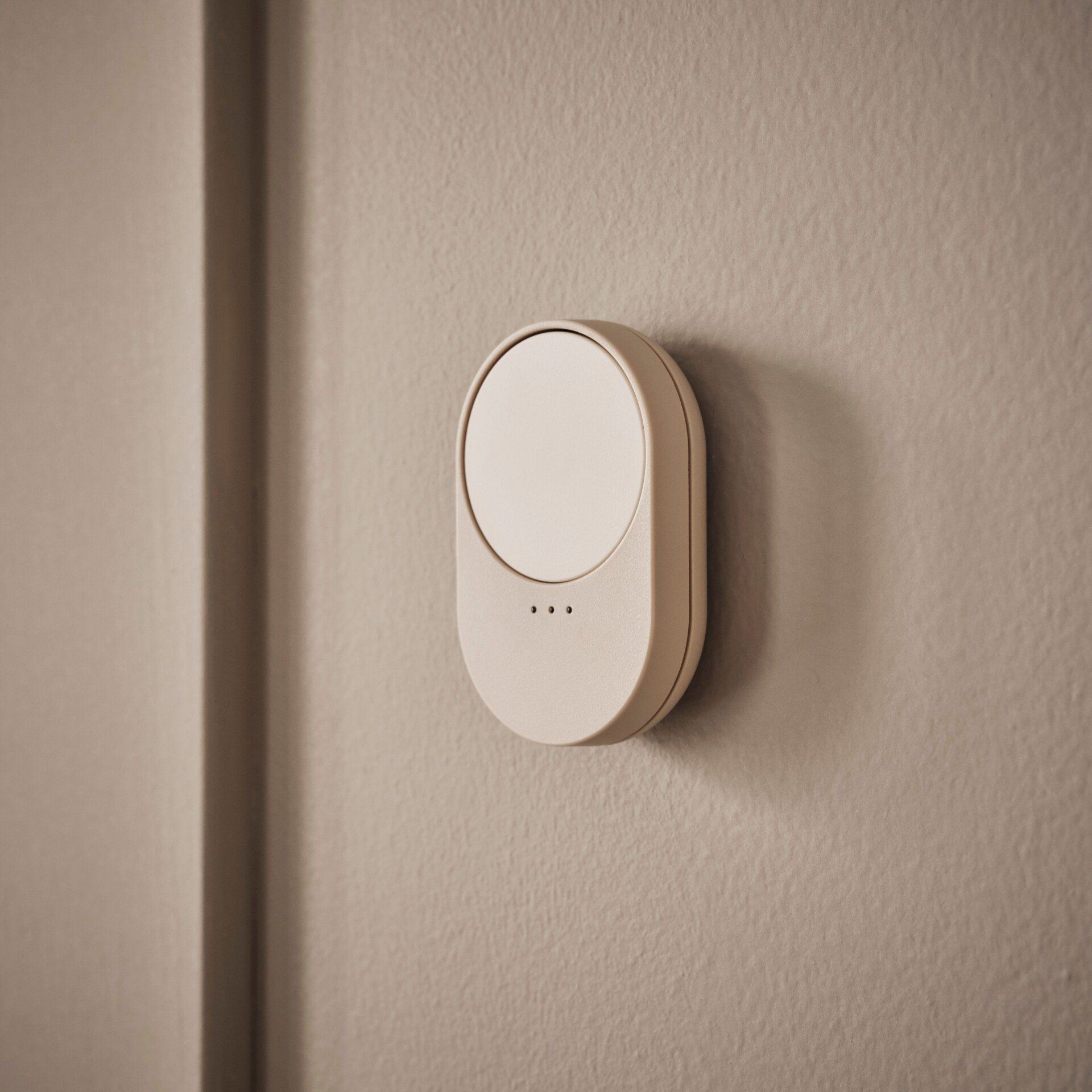
BILRESA scroll wheel
A tactile scroll-wheel remote that lets you adjust light brightness, colour, and scenes with a simple turn or press.
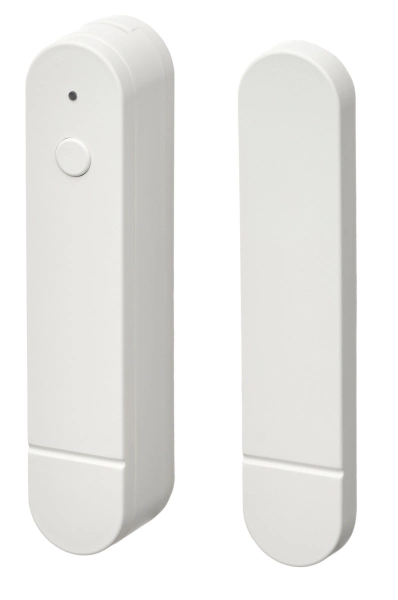
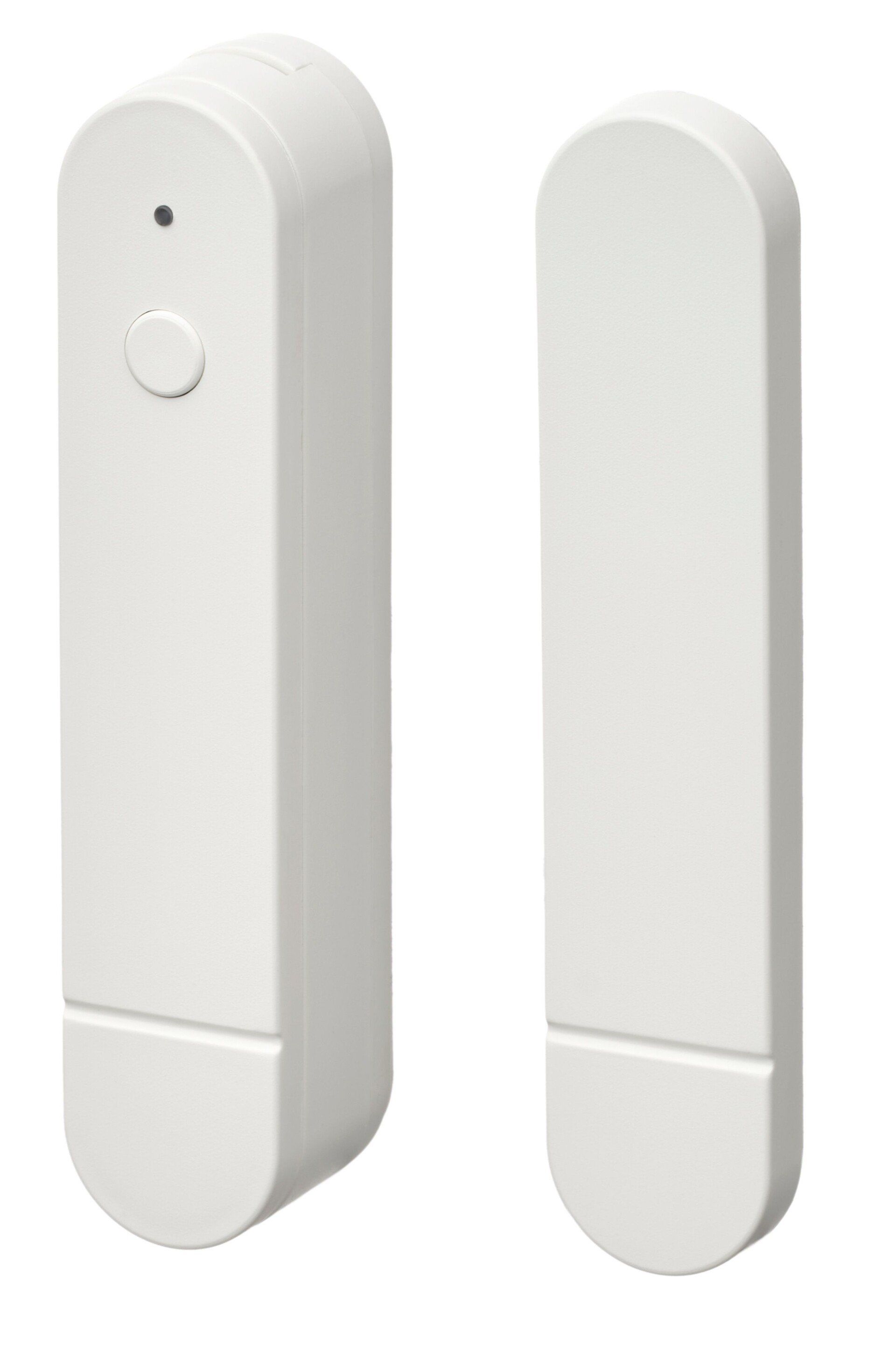
MYGGBETT Door/Window Sensor
A smart, discreet sensor that detects door or window movement and can trigger notifications or automate lighting.
The same balance influences how much technology IKEA puts into furniture. IKEA is cautious about permanently combining electronics with products designed to last much longer. An air purifier built into a table, for example, joins two different supply chains and lifecycles, while a failure in the electronic part could affect how the whole product is used or replaced.
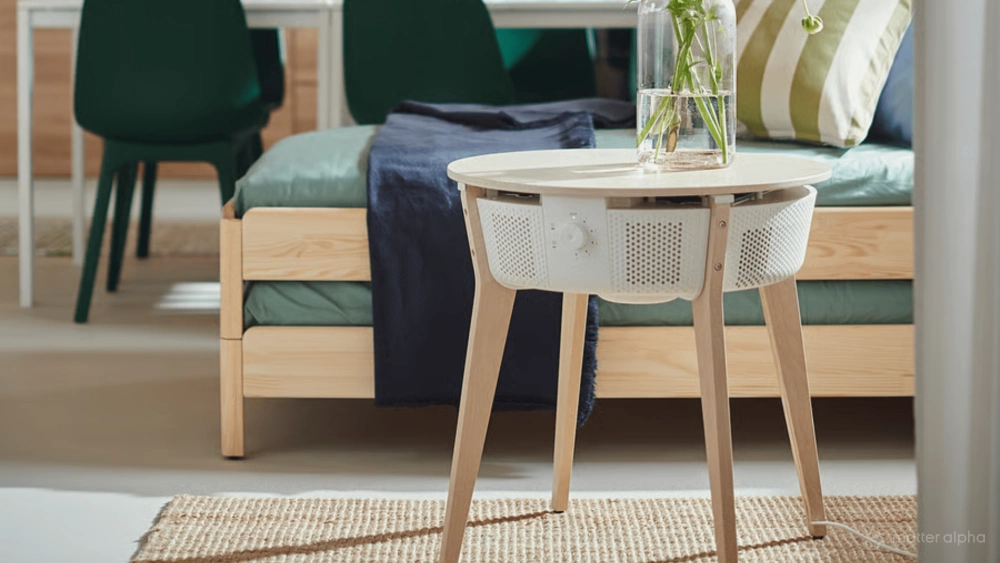
IKEA therefore often favors standalone technology designed to visually belong with its furniture rather than embedding electronics wherever possible.
In the end, scale gives the company more room to make those choices while keeping prices low. Development and certification are largely fixed costs, which take up a much larger share of each unit for smaller manufacturers. IKEA can spread them across far greater volumes while teams examine individual materials, components and manufacturing steps for additional savings.
Matter keeps IKEA simple and open
IKEA does not want Home smart to become an ecosystem that supports every device and every advanced feature.
“Our goal isn’t to be an ecosystem that supports everything,” Granath said.
Instead, IKEA wants the app to remain an approachable entry point for people buying its own products, while Matter gives more advanced users a route into broader platforms such as Home Assistant.
That philosophy extends from setup to everyday control. Granath said Matter QR codes already make onboarding easier than older Zigbee pairing procedures, while IKEA can also refine packaging, printed instructions and app onboarding around first-time users.
Direct control remains important as well. Many IKEA customers used Zigbee Touchlink remotes directly with lights without ever buying a hub, and IKEA is now investigating Matter binding as a way to preserve similar interactions.
The trade-off is that IKEA no longer controls every part of the experience. Under Zigbee, it managed the device, hub and software stack itself. With Matter, reliability can depend on device firmware, Thread networking, ecosystem controllers and the standard, making joint debugging with other companies a much larger part of product development.
IKEA also wants that collaboration to flow back into Matter rather than stop at fixing bugs.
“Anything useful we develop, we actively try to contribute back to the standard,” Begic said.
Audio is one example of where that could matter next. IKEA has been participating in the Connectivity Standards Alliance working group to define the Matter Speaker device type, giving it a role in shaping standardized audio controls across ecosystems.
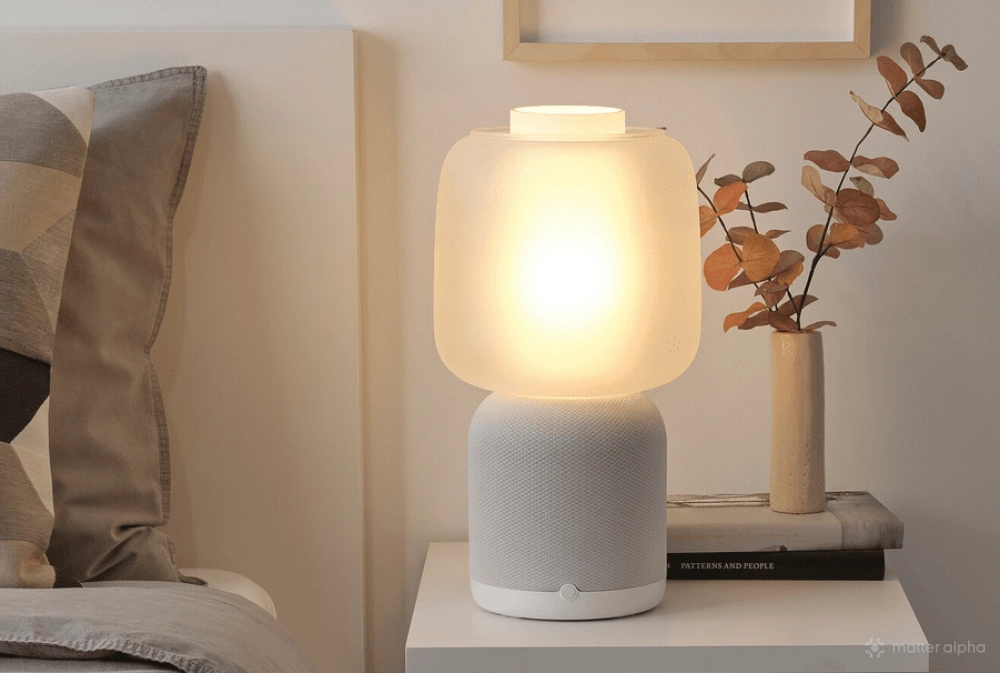
That work comes as IKEA moves beyond its SYMFONISK partnership with Sonos. Granath described the collaboration as a way to build expertise in speaker manufacturing, sound quality and cost reduction before the company was ready to move more independently.
IKEA then shifted toward Bluetooth speakers, which gave it more design freedom and helped it reach lower price points globally. But Granath also acknowledged that customers want AirPlay and other streaming protocols, and said IKEA is looking at how to bring those capabilities back when they provide clear value.
Its work on Matter Speaker could eventually add another standardized control layer to future IKEA audio products, although the company has not announced a Matter speaker or confirmed any streaming features based on the standard.
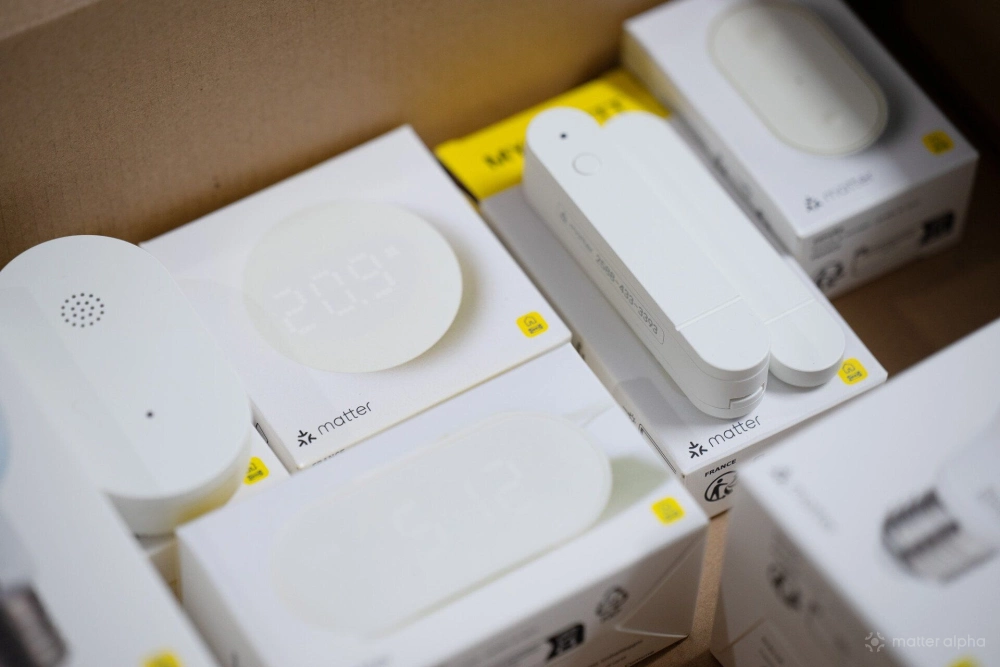
What makes IKEA an interesting case for Matter is not simply that a large company has adopted it, but that the standard is being forced through the realities of mass-market products: tight price targets, simple interfaces, global supply chains and customers who should not need to understand any of the technology underneath.
If Matter is going to disappear into everyday products, this is the kind of pressure that will shape it. The standard has to survive not just certification, but the much harder test of being cheap, reliable and understandable at IKEA scale.
Granath made a similar point in a comment on my social post. Behind the “Matter miracle,” he wrote, is hard work and dedication.
(Source: Matter Alpha, FCC filings, US Department of Energy, IKEA; Image: Matter Alpha/Ward Zhou, IKEA).