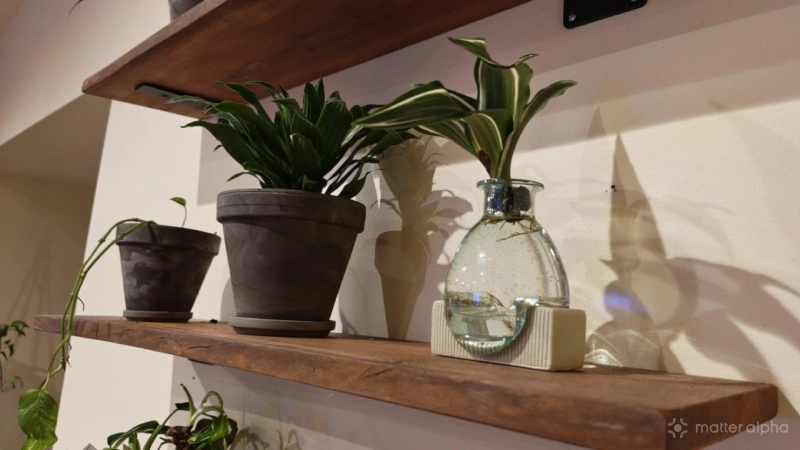
I have a home filled with Matter devices, and I have a home filled with plants. I'm come to find that investing in the former can make the latter much better off. Matter can not only help keep houseplants alive—it can help them thrive.
But to do that, you'll need to know what type of options are out there.
Climate sensors
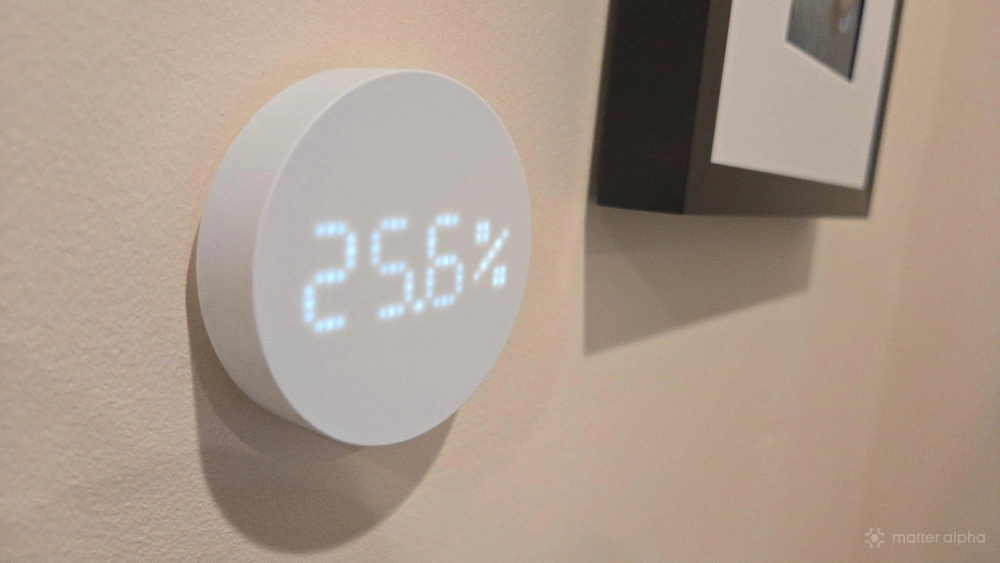
Plants can be temperamental. Some are resilient and will grow just about anywhere as long as you remember to splash some water on them. Others need just the right amount of light and will yellow if you drip one drop too many. The ones that make me the most nervous are those that have specific humidity requirements. For the longest time, I have had no idea what the humidity in my home even was.
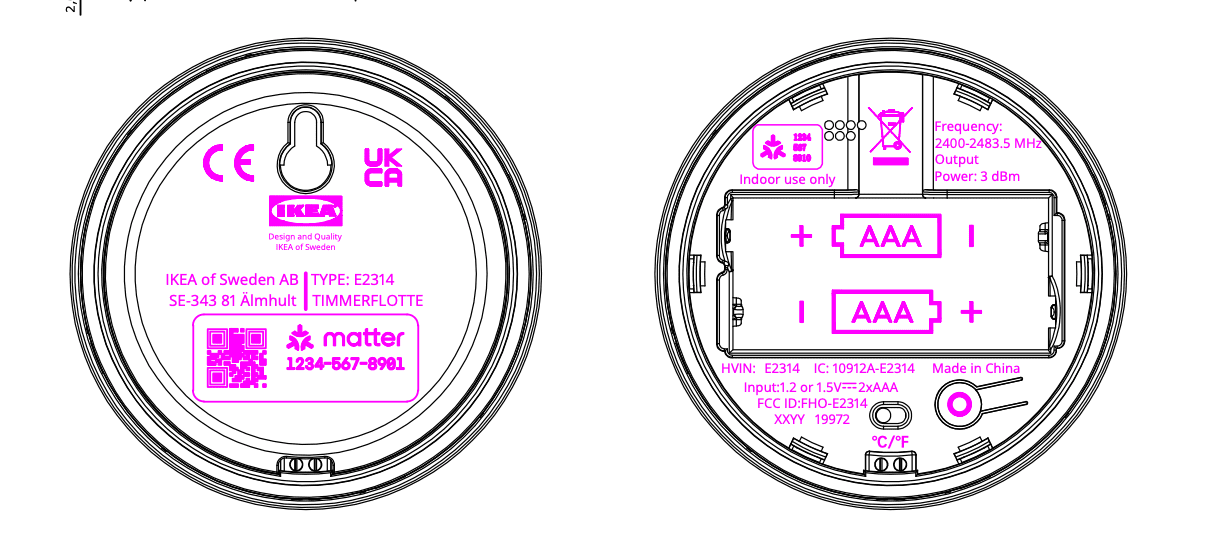
Matter-compatible climate sensors have changed this. I now have temperature and humidity sensors in nearly every room of my home. My personal favorite is the IKEA TIMMERFLOTTE, even though I only have one.
This not only helps us manage our own personal comfort but the well-being of our plants as well. I can see before purchasing a plant if the humidity in a room will not be an ideal fit. I can also use this information to help me make a change.
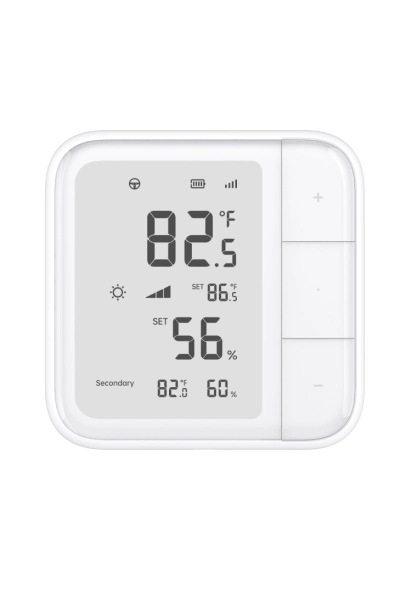
Aqara Climate Sensor W100
Aqara’s W100 is a dual-protocol indoor climate sensor with a display and smart control buttons for seamless home automation.
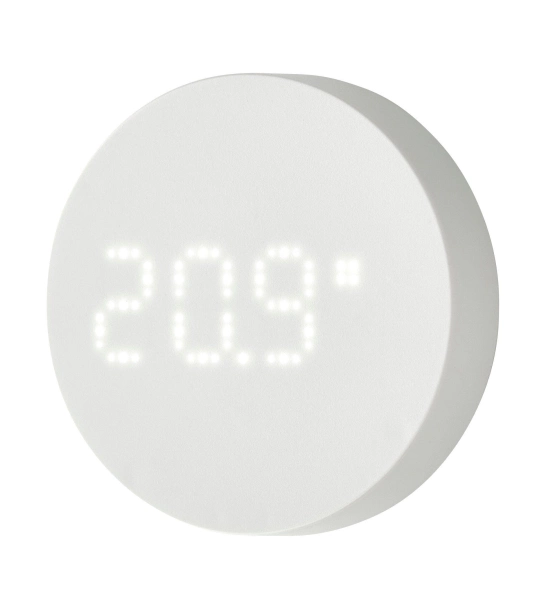
TIMMERFLOTTE Temperature and Humidity Sensor
A simple, compact indoor sensor that displays temperature and humidity levels at the press of a button.
This brand helps to support our site to remain ad-free.
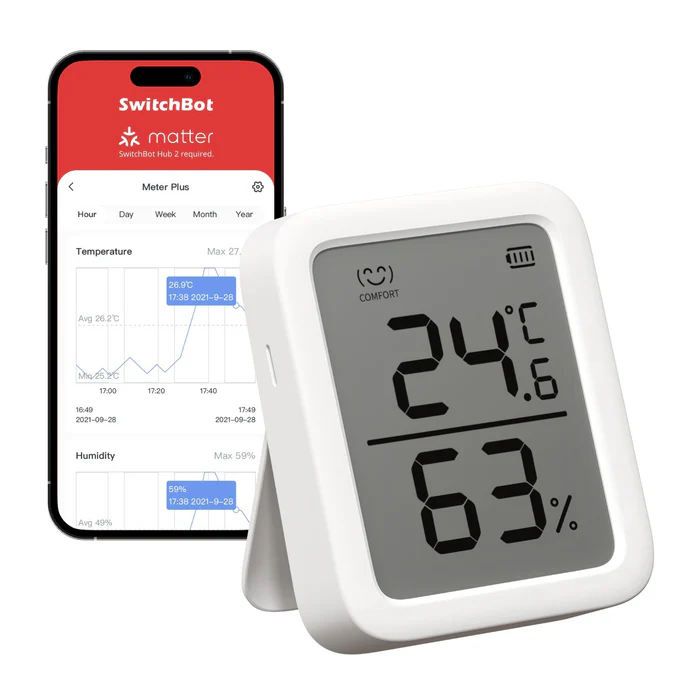
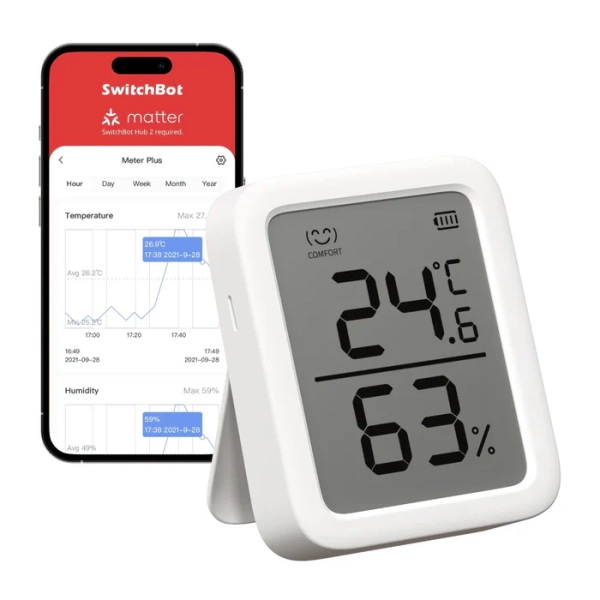
Read more about our ethics policySwitchBot Meter Plus
An accurate and versatile indoor thermometer and hygrometer with real-time tracking, smart notifications, and exportable environmental data.
You don't need to go all out and put a sensor in every room. Just stick one in the room that you wish to house a specific plant. You can also stick a climate sensor in a greenhouse. You'll need this kind of information if you want to set yourself up for success.
Evaporative humidifiers
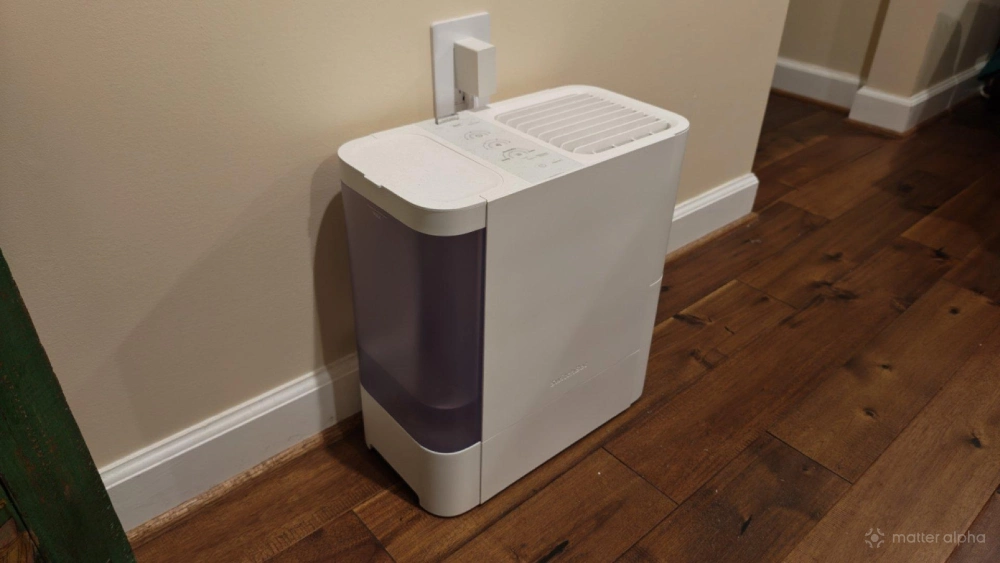
If the humidity is too low in your home at a given time, you'll need a humidifier to raise the humidity to the level that your houseplant wants. You can do this manually, turning on a humidifier and keeping an eye on the humidity sensor. You can even set the humidity sensor up to notify you once the appropriate level is reached.
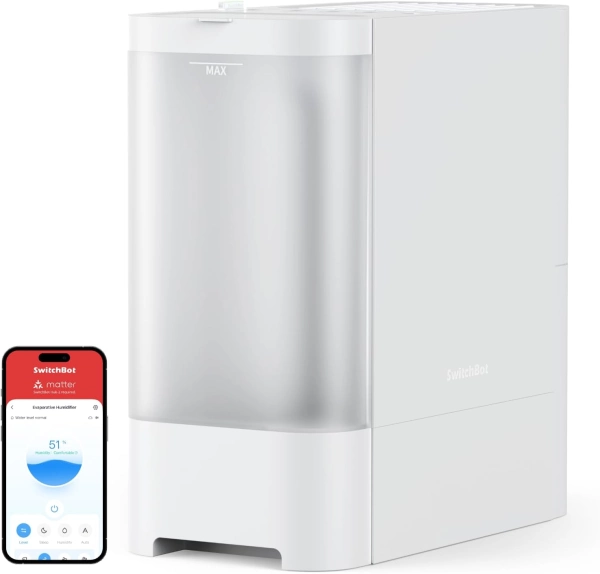
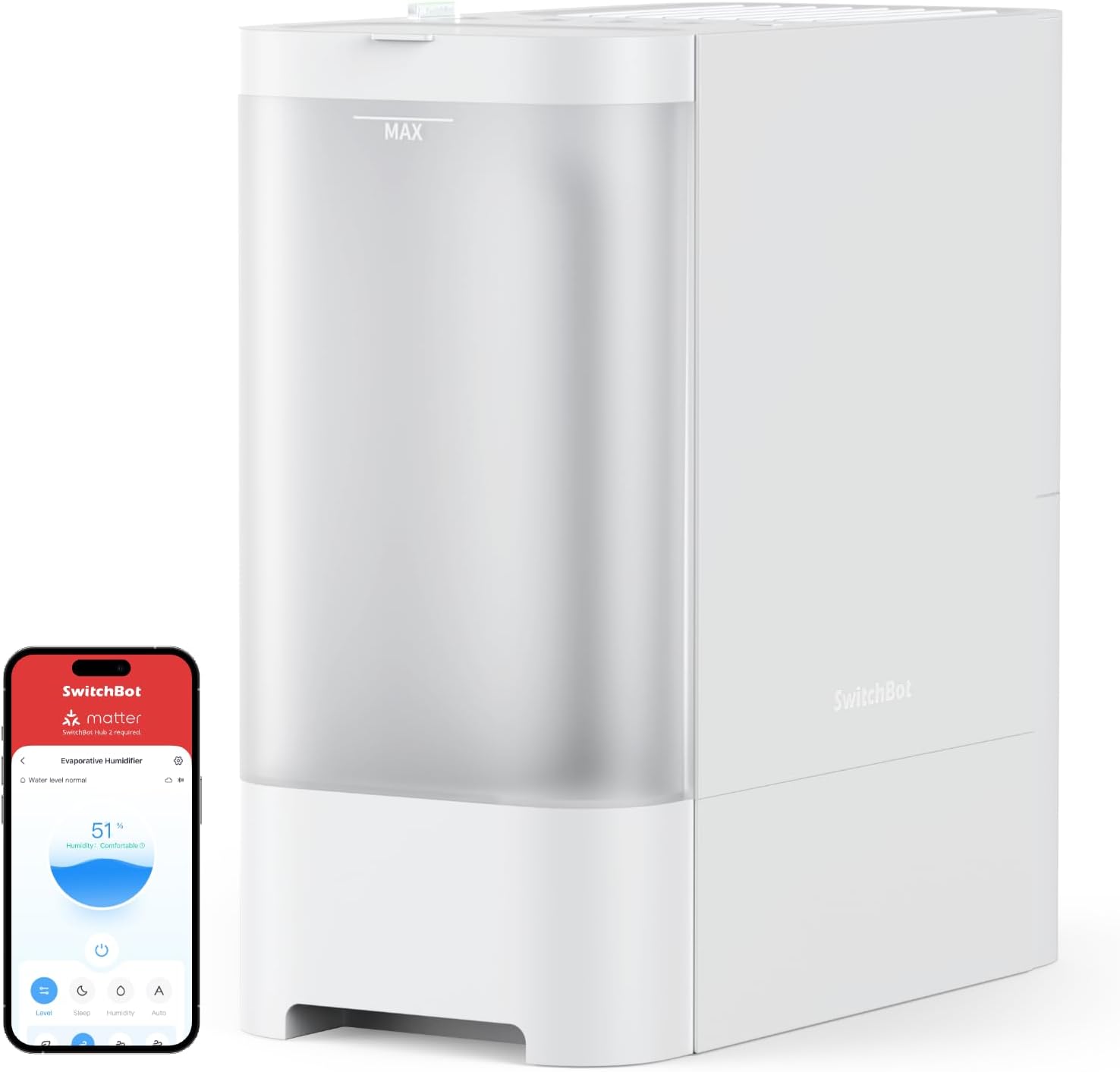
SwitchBot Evaporative Humidifier
For a more ideal experience, you'll want a smart humidifier. An option like the SwitchBot Evaporative Humidifier can kick on automatically when needed. It can then turn itself off once it's hit the right level. In this way, you don't need to babysit either device. Since the humidifier holds several days of water, you're really only tasked with filling the tank up as needed every few days or once a week. You will also need to clean the humidifier every now and then.
Soil-moisture sensors
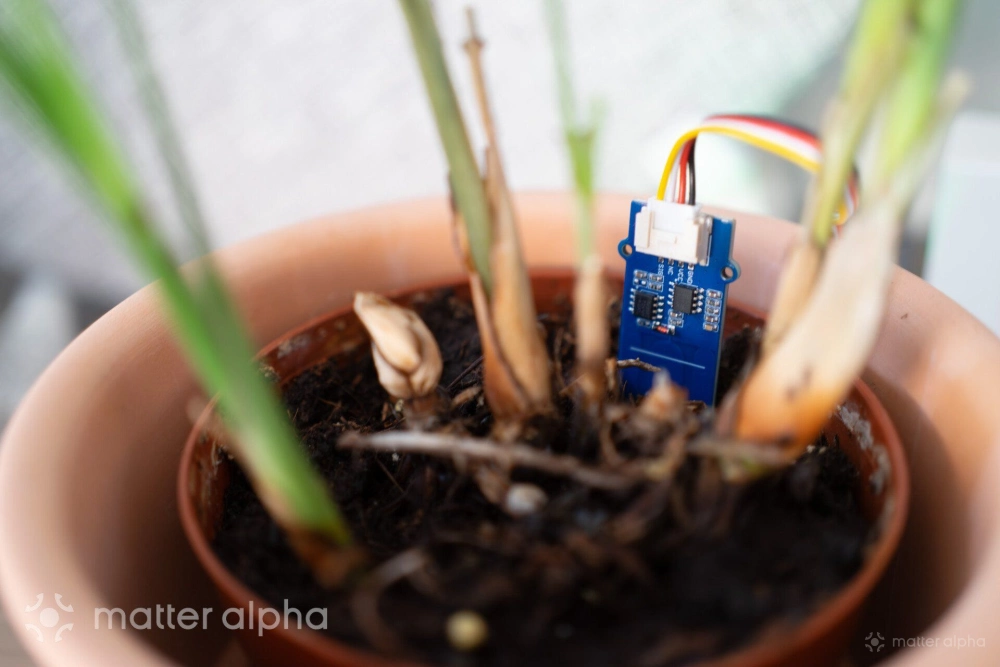
Let's say you have humidity sorted. That's still only one part of the equation. No matter which plant you're trying to tend to, you'll have to learn how to water it just right. Unfortunately, by the time you can notice a plant's leaves starting to droop or turn yellow, it's too late. You need ways of gauging them before hitting that point.
As a general rule, put plants in pots that drain well. Even if the soil on top is dry, there can be a pool of water on the bottom, causing the roots to rot. Once you've solved the drainage problem, it's time to gauge when a plant is actually thirsty. One option is to use a soil moisture sensor.
Keep your eyes tuned to Matter Alpha for future coverage on this type of product, as measuring soil moisture wasn't actually integrated until Matter 1.5, and we've only recently seen the first products announced at IFA 2026. In the meantime, you can bridge ThirdReality’s Zigbee-based watering kit, or you can go the DIY route and make your own Matter soil moisture sensor.
Skip a smart home light sensor
I haven't touched on what may be the most important element when tending to a plant, and that's sunlight. Unfortunately, Matter isn't going to be much help there. While smart home sensors can gauge if a room is dark enough to turn on the lights, they aren't designed with the purpose of distinguishing between direct sun and partial sun in mind. You're going to need to eyeball that yourself.
Put light-hungry plants as close as possible to a south-facing bright window. Shade-tolerant plants can go deeper inside of a room and may be happy with indirect light. Will Matter be able to help with this in the future? Time will tell.