As the smart home industry settles into 2026, the Matter standard finds itself at a pivotal junction. The initial rush of basic compatibility updates has largely passed, leaving a landscape where simple on-off control and sensor reading are now reliable commodities.
However, the promise of a truly unified, feature-rich ecosystem still needs more work. While the specifications for home network, camera, and energy management have gotten lots of love from the Connectivity Standards Alliance (CSA), end devices in certain categories have lagged behind. This year could be the turning point where these less-touched paper specs finally materialize into products that can change how homes are managed.
The missing link of local infrastructure
The Home Router and Access Point (HRAP) or Network Infrastructure Manager device type was introduced in late 2024 as a critical component of the Matter 1.4 spec.
This would effectively replicate the “Frustration-Free Setup” experience pioneered by Amazon, but on a universal, cross-brand scale. A certified HRAP device would manage the complex interplay of Thread and Wi-Fi credentials automatically, improving the setup experience greatly.
Matter 1.4.2 introduced strict requirements for these devices to ensure local network quality, setting a high bar for certification. Yet, despite the specification being ready for over a year, the market has seen almost no official support for this category.
Major networking vendors including Amazon (Eero), Google (Nest Wi-Fi), TP-Link, and Asus have surprisingly stayed on the sidelines. The industry speculation is that these giants are hesitant to commoditize the network layer, as proprietary “easy setup” features remain a key selling point for their respective walled gardens.
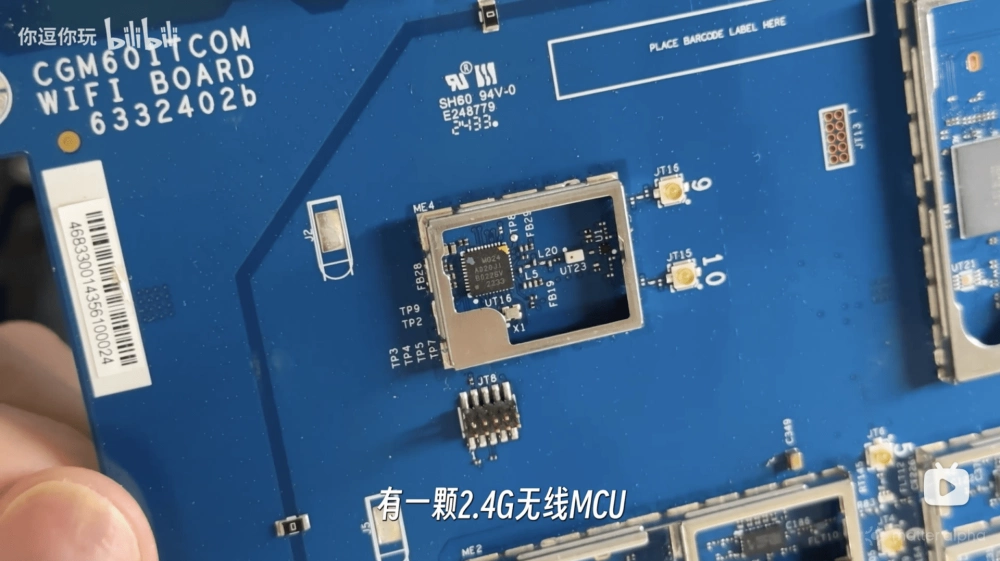
While consumer brands stall, interest appears to be shifting toward internet service providers (ISPs) and enthusiast-grade hardware. ISPs are increasingly experimenting with Thread radios in next-generation modem routers. Prototypes from chipset leaders like Qualcomm and Broadcom, which integrate Silicon Labs MG24 Thread and Zigbee chips, have been spotted on the social network.
This suggests a future where the ISP-provided gateway becomes the default smart home hub, potentially unlocking mass adoption for users who never intend to buy a dedicated hub like a HomePod or SmartThings Station.
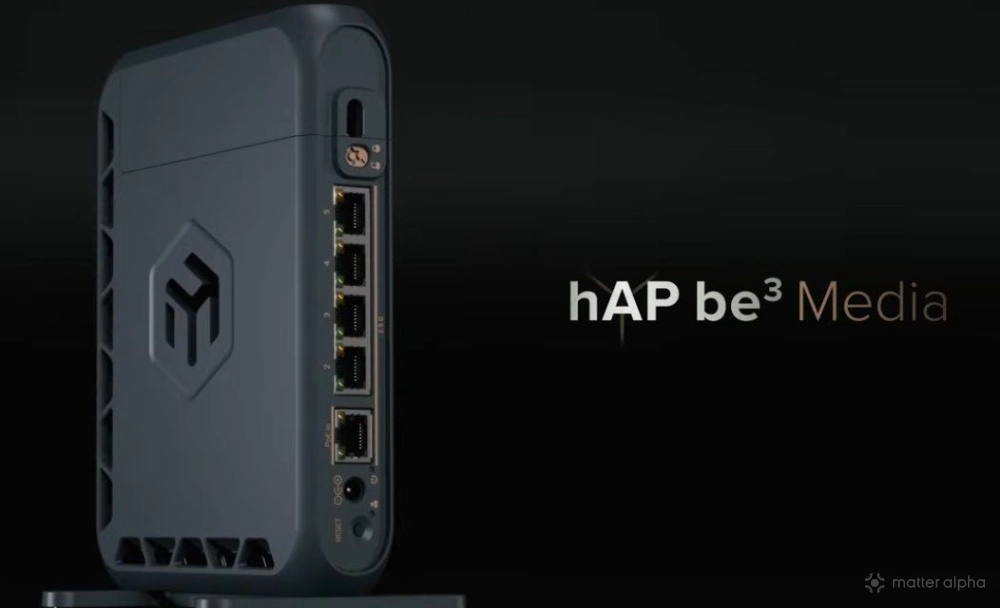
On the prosumer front, networking manufacturer MikroTik recently announced next-generation Wi-Fi access points featuring integrated Thread radios. The company claims these devices will be “Matter-ready,” utilizing built-in Thread radio to run Matter projects via Docker. This approach would allow the router to bridge Thread and Wi-Fi devices naturally, offering a glimpse of what a unified network infrastructure should look like: a single box that handles both your Netflix stream and your door sensors without extra hubs and dongles.
Advanced lighting control
Lighting remains the most popular entry point for the smart home, but it is also the category where the gap between proprietary features and Matter standard capabilities is most glaring. While basic on-off, dimming, and color temperature control is now standard across Matter lighting, advanced features remain fragmented. Users often pay a premium for smart lights from brands like Nanoleaf or Govee, only to lose access to dynamic effects, presets, and addressable zones when switching to a Matter controller.
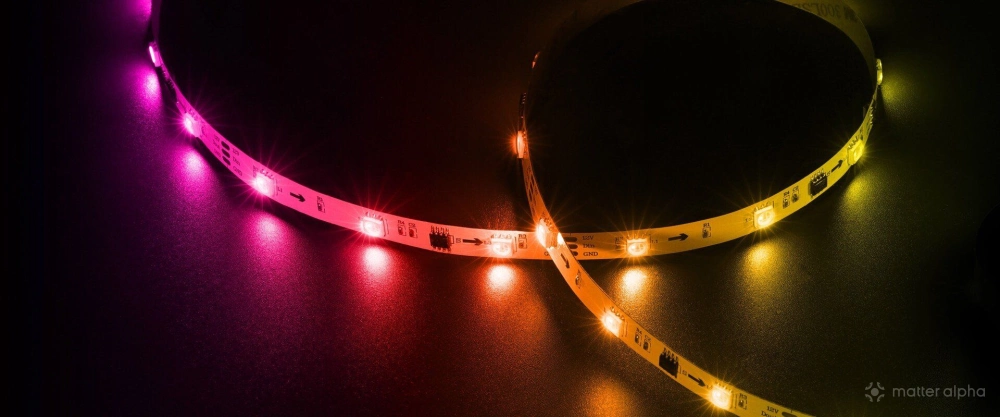
The “Scene” cluster, designed to handle lighting presets and recall complex states across multiple devices, has been slow to see adoption. Major ecosystems like Apple Home and Google Home have historically relied on their own cloud-based scene definitions rather than the local Matter cluster, leading to inconsistencies. Similarly, group control and light synchronization often suffer from the “popcorn effect,” where lights react sequentially rather than simultaneously. This lag is a significant regression from the smooth, synchronized experience provided by older Zigbee implementations like Philips Hue.
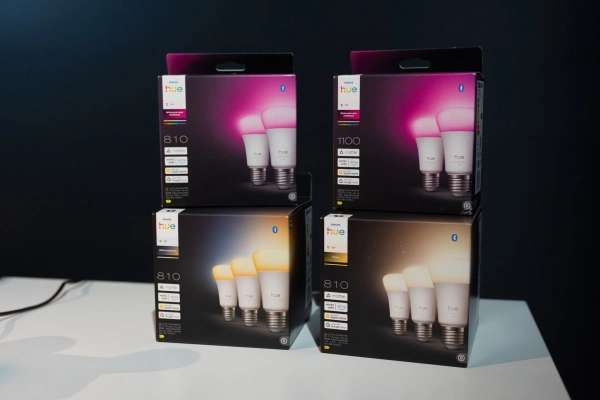
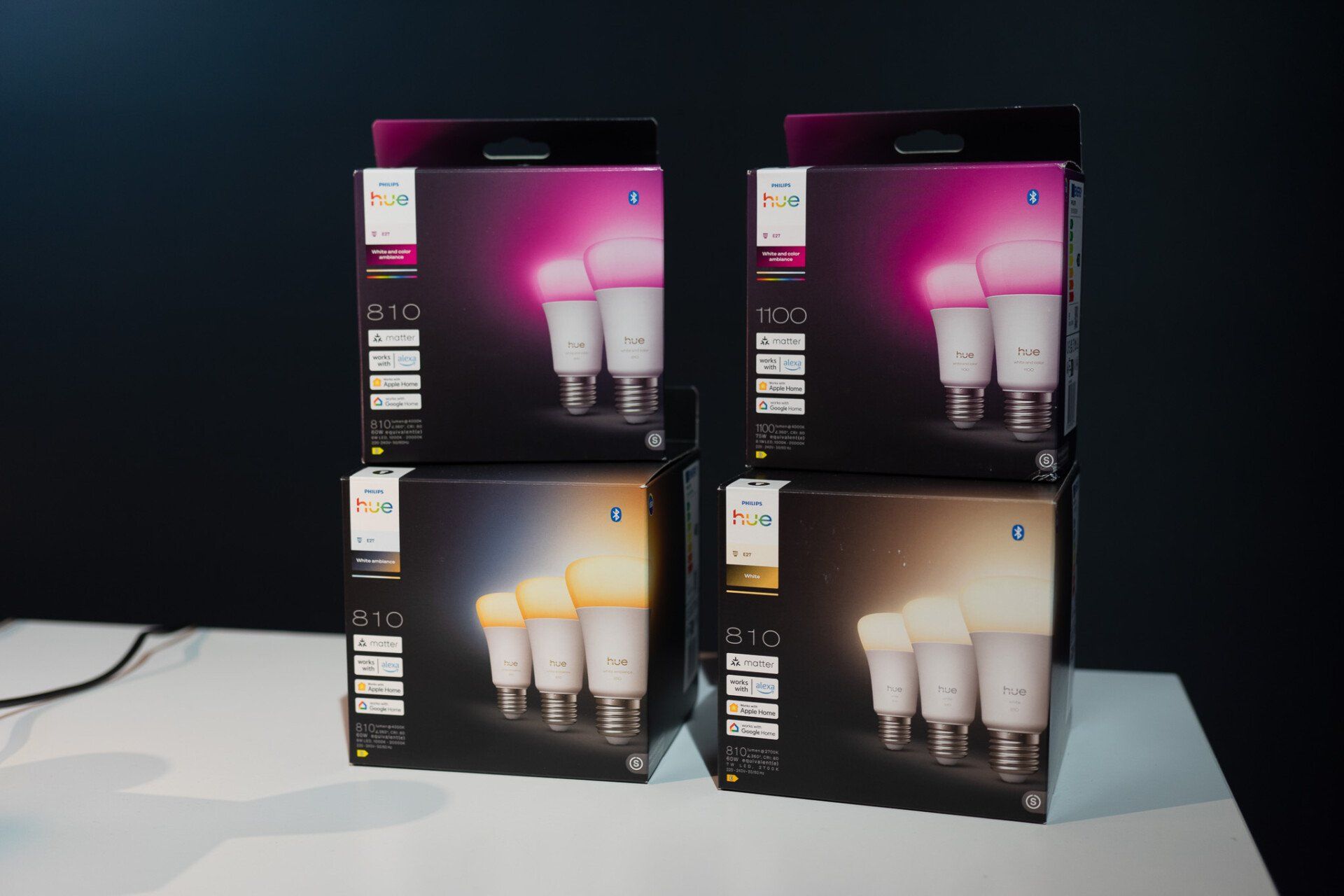
Philips Hue White Ambiance E27 60W
Philips Hue white warm light with Thread connectivity.
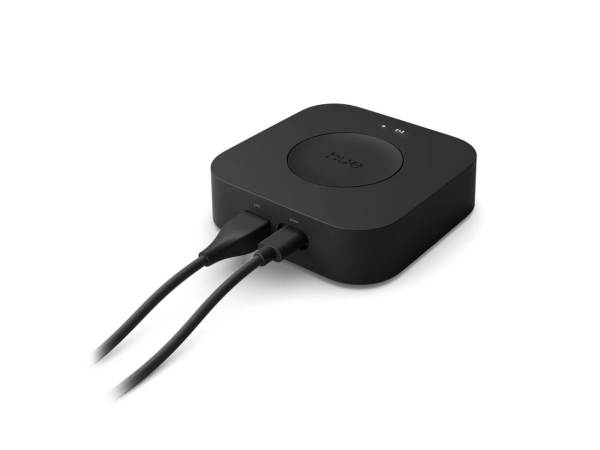
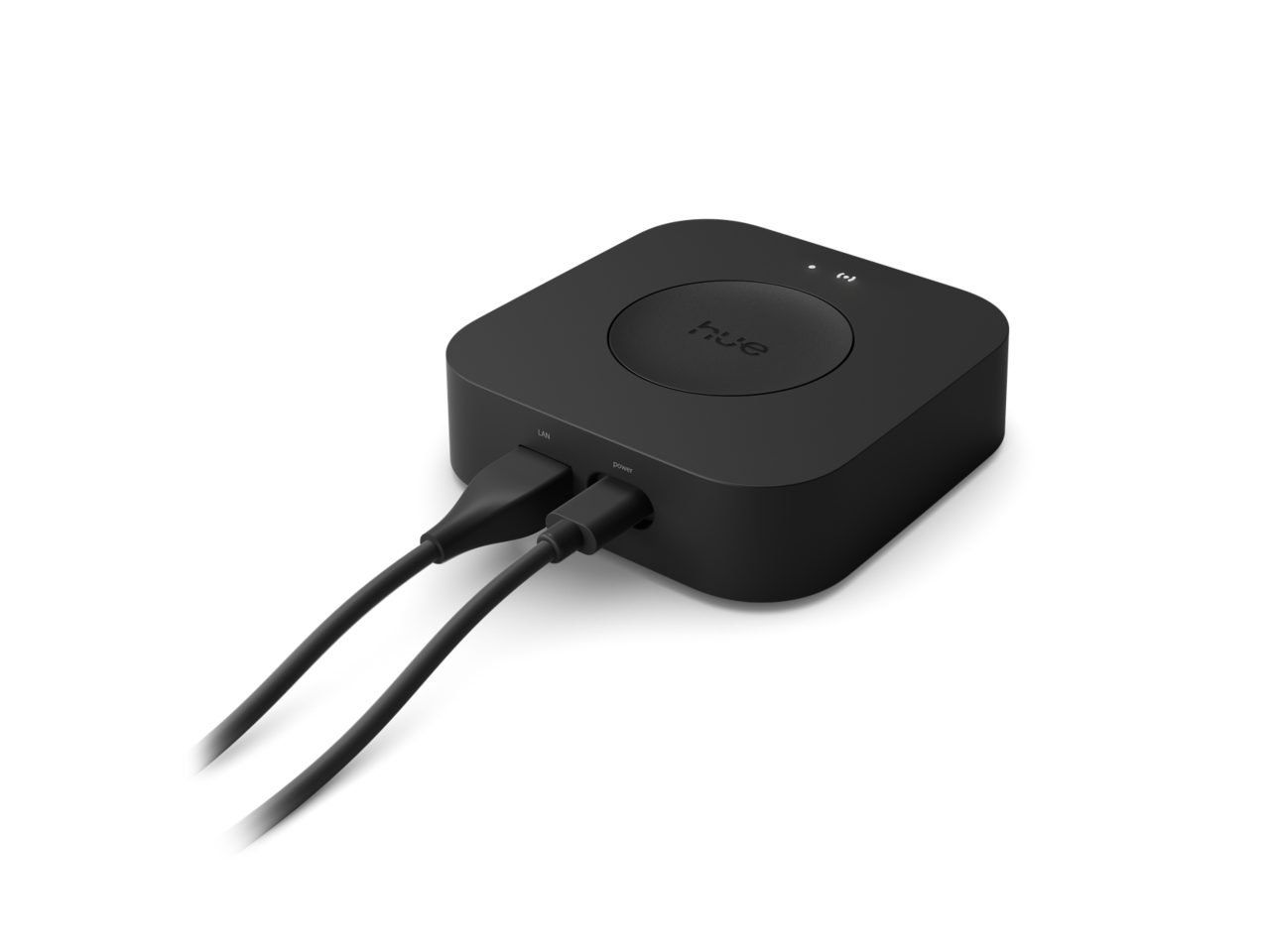
Hue Bridge Pro
A more powerful Hue Bridge that supports 150 lights, doubles as a Matter border router, and comes with modernized hardware and USB-C power.
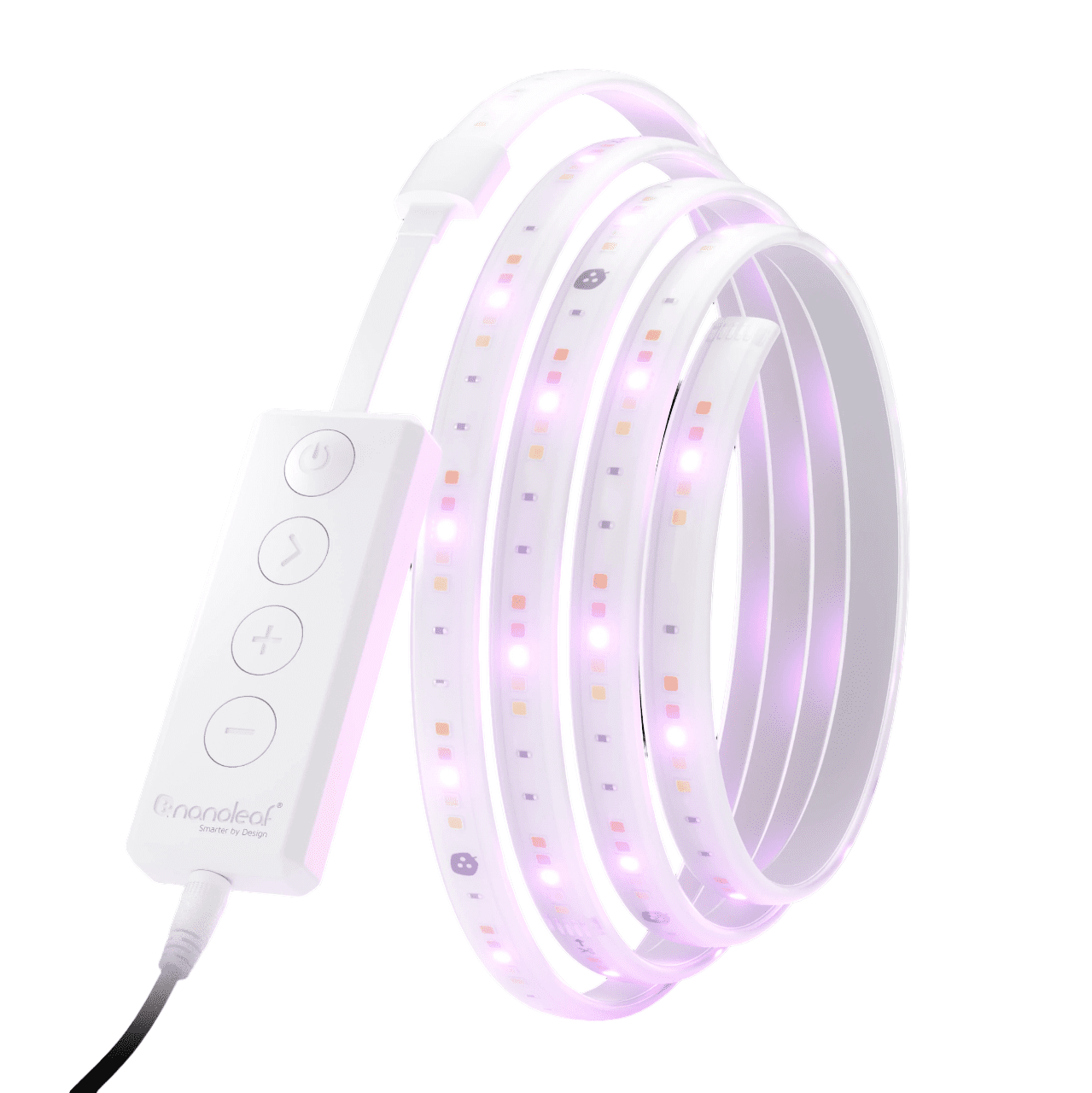
A major anticipated update is the standardization of addressable lights, often branded as RGBIC or ARGB. Currently, there is no pre-defined way to control individual LEDs on a light strip/panel through Matter. This means pixel-level animations and gradients are inaccessible outside of vendor-specific apps. Industry rumors suggest that Matter 1.6 could finally introduce these features, with contributions from key alliance members.
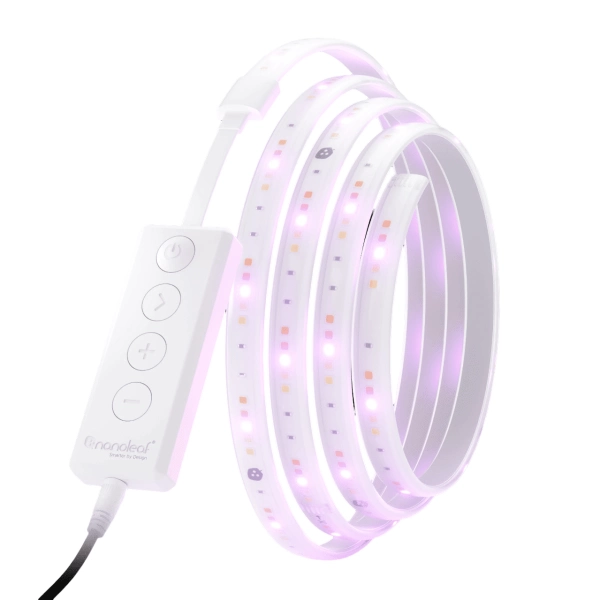
Nanoleaf Matter Lightstrip
Create stunning backlit illumination in any room with the Nanoleaf Matter-enabled smart color changing LED Lightstrip.
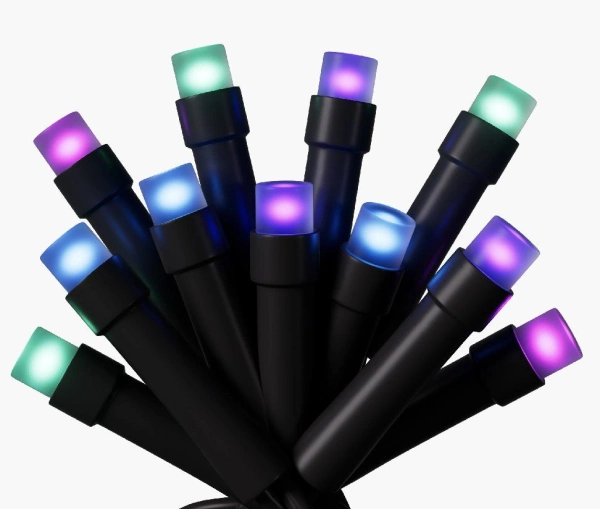
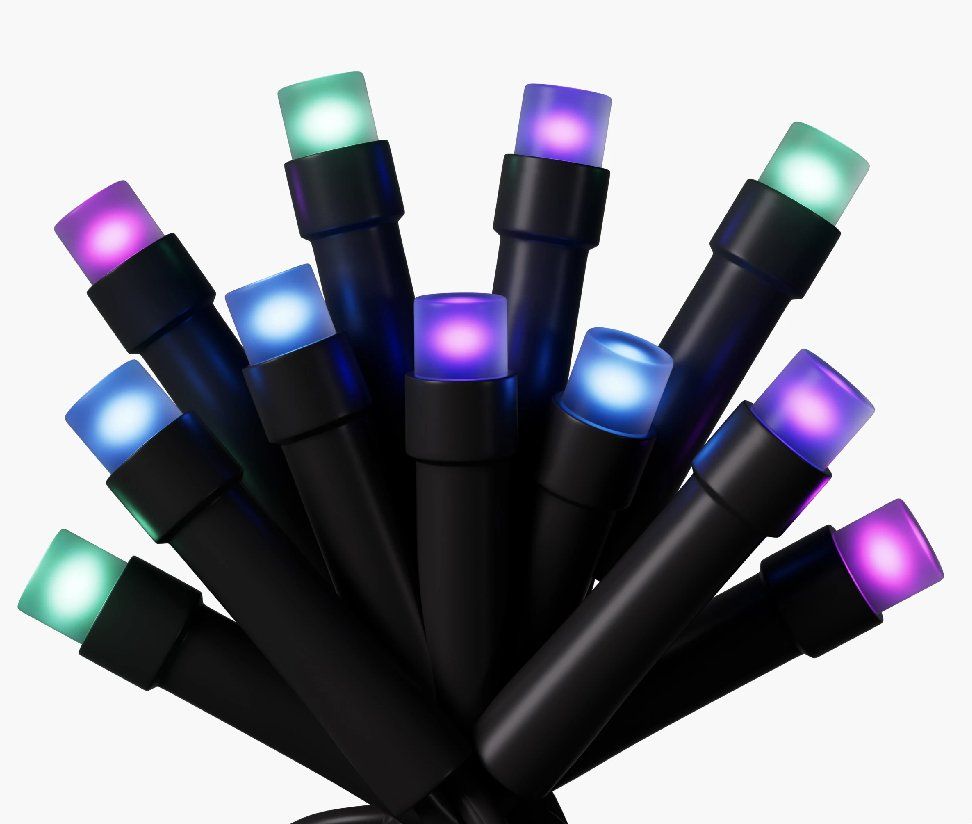
Essentials Holiday String Lights
The Nanoleaf Smart Holiday String Lights aim to enhance the delight of festive seasons with its customizable color patterns and lighting animations.
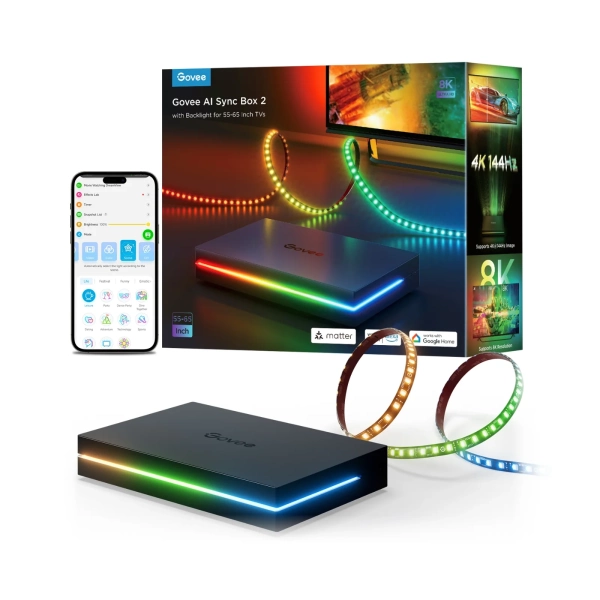
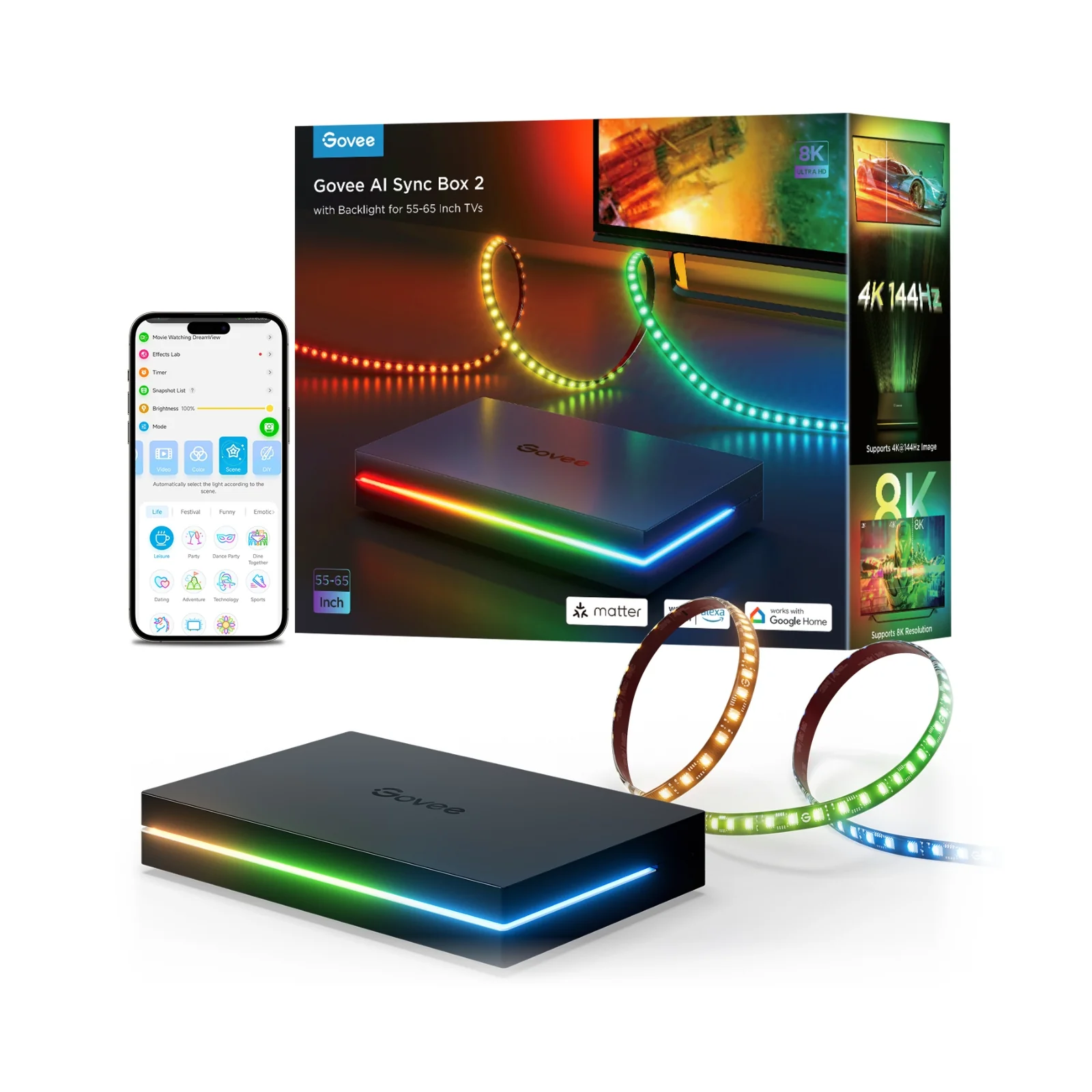
Govee AI Sync Box 2 (for 55-65, 75-85 inch TVs)
The Govee AI Sync Box Kit 2 syncs ambient lighting with your TV or gaming setup for an immersive experience using AI-driven color matching.
If realized in 2026 (Matter 1.6), this would standardize dynamic lighting effects, allowing a user to trigger a specific “sunrise” gradient on a Govee strip using a Philips Hue switch. It also opens the door for open-source projects like WLED to officially adopt the standard, potentially allowing for cross-brand music synchronization and ambient TV lighting without proprietary hardware.
Matter long-range products
The need for long-range communication within the Matter standard has been a frequent topic of discussion among alliance members, particularly for devices like gate locks, mailbox sensors, and outdoor irrigation systems. Currently, Thread and Wi-Fi struggle to penetrate thick exterior walls or reach the end of a driveway, often requiring users to install multiple plug-in repeaters or extra Wi-Fi APs just to keep a single garden sensor online.
Two potential paths exist to realize these capabilities in 2026: Sub-GHz Thread and Long Range Wi-Fi. Silicon Labs demonstrated proprietary Sub-GHz technology for Matter last year. While not yet fully compliant with the standard, the company’s history with long-range protocols like Z-Wave positions it well to lead this development. Operating in lower frequencies allows the signal to travel significantly further and penetrate obstacles more effectively than the 2.4GHz spectrum used by standard Thread.
Alternatively, the Thread Group may choose to extend the current mesh stack into the Sub-GHz spectrum. This would align with current Matter requirements but would necessitate new hardware for both routers and end devices, potentially creating a new “hardware refresh” cycle for early adopters. Regardless of the technical path chosen, solving the outdoor range problem is critical for Matter to expand beyond the living room and into the garden, especially for the new smart garden addition in Matter 1.5.
Smarter energy grids
Energy management received a significant overhaul in the Matter 1.5 specification, introducing the Device Energy Management cluster. This update transforms smart plugs and appliances from simple power switches into intelligent grid participants. The industry expects to see advanced power meters and energy storage solutions utilizing these new definitions throughout 2026. This includes hardware from grid providers and storage manufacturers like EcoFlow.
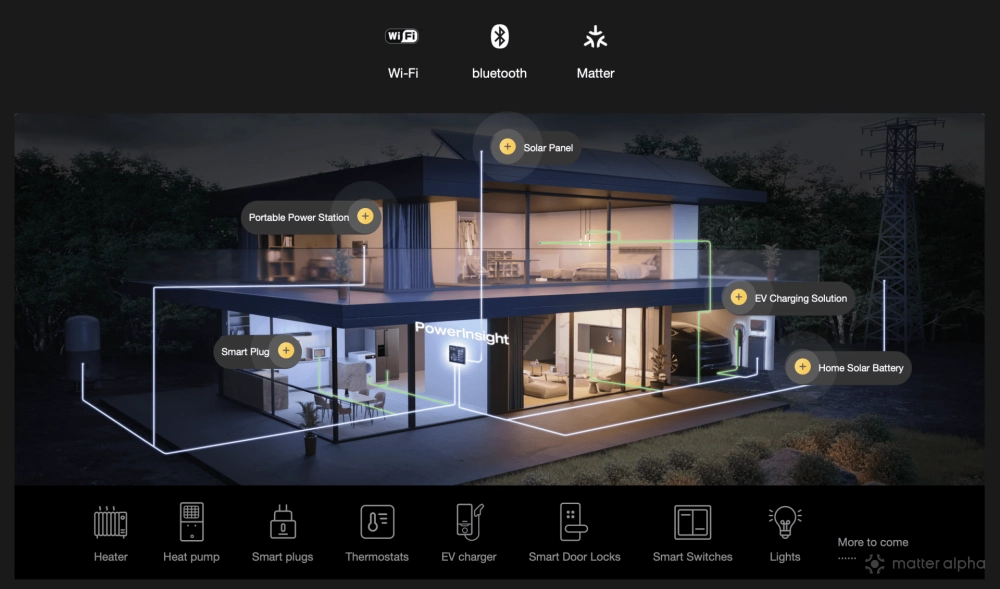
On the ecosystem side, platforms like SmartThings, Home Assistant, and Homey bear the hope to update their controllers to support these new specifications. SmartThings typically adopts full device types rapidly with core clusters supported, while Homey recently partnered with EcoFlow following its initial entry into the market with a P1 meter dongle. Both platforms have existing energy features, but native Matter support would standardize the data, making it easier to build a customized home energy system.
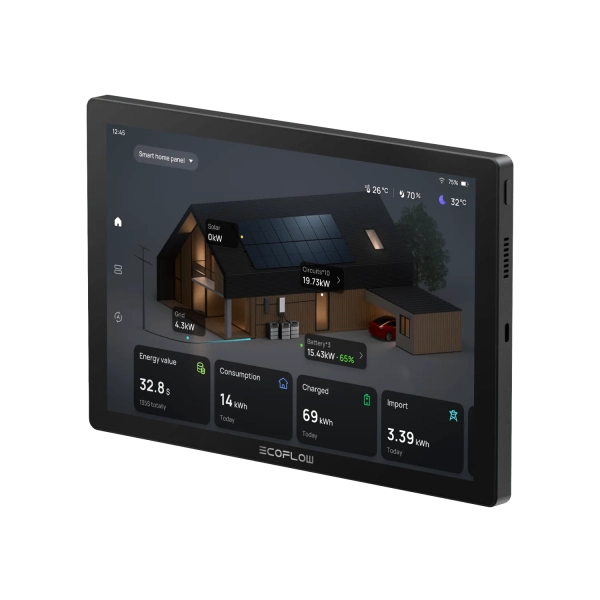
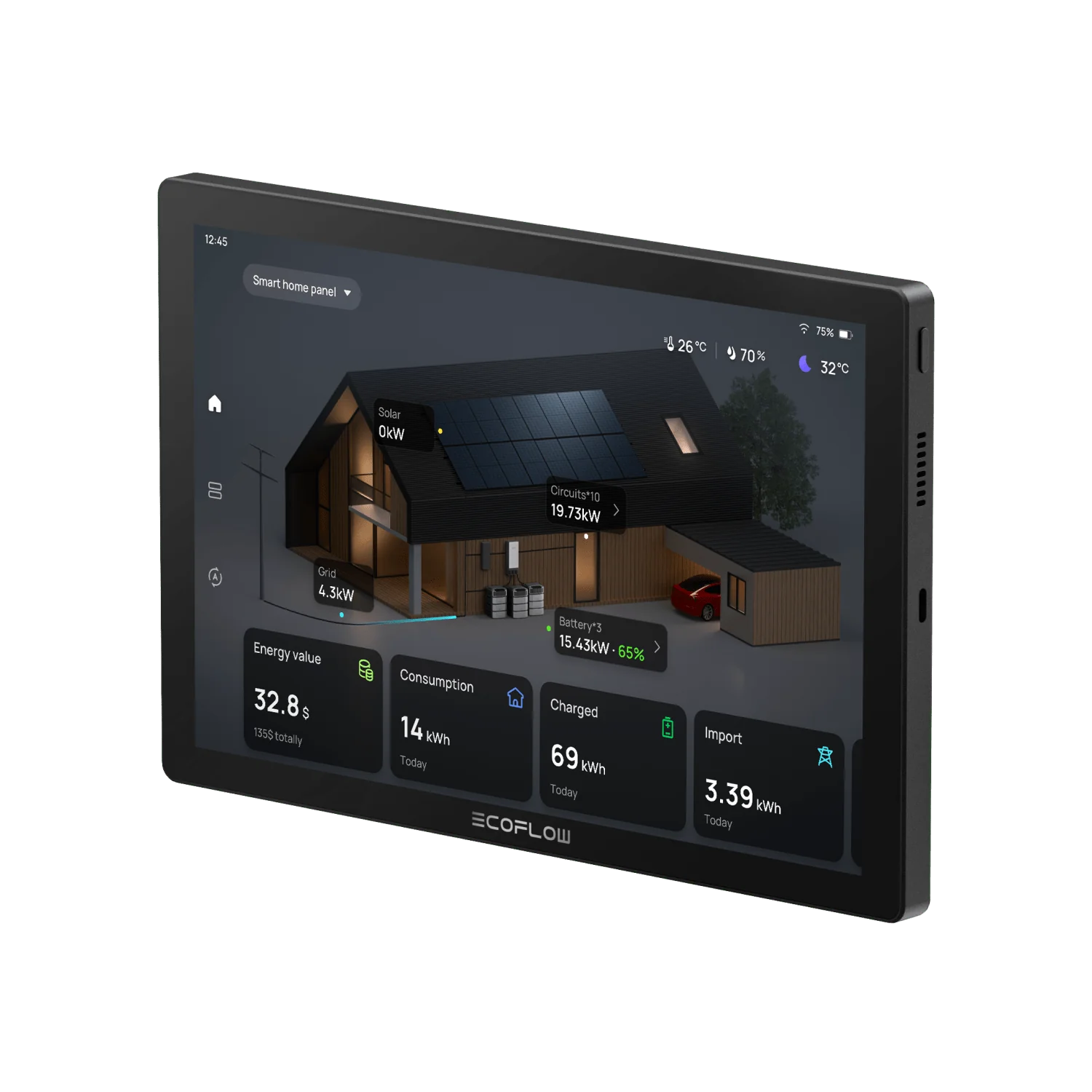
EcoFlow PowerInsight
EcoFlow PowerInsight, a 10-inch touchscreen energy manager with smart home integration
In an ideal implementation, the new standard allows home appliances to fetch grid price schedules directly from the utility provider. This enables complex automation scenarios where a washing machine might pause its cycle during peak pricing hours, or a home battery system might choose to dump stored energy back into the grid when feed-in tariffs are highest. This level of interaction requires tight integration between the device, the controller, and the utility, but the Matter 1.5 specification provides the standardized language to make it possible.
IKEA continues its Matter overhaul
Perhaps no company has done more to democratize the smart home than IKEA, and 2026 is shaping up to be a massive year for its “Dirigera” ecosystem. Following the release of 21 new Matter models and the updated Varmblixt lighting series, the furniture retailer is expected to continue overhauling its entire smart home portfolio. The roadmap likely includes new drivers for cabinet lighting, updated air purifiers, motorized shades, water valves, and audio devices.
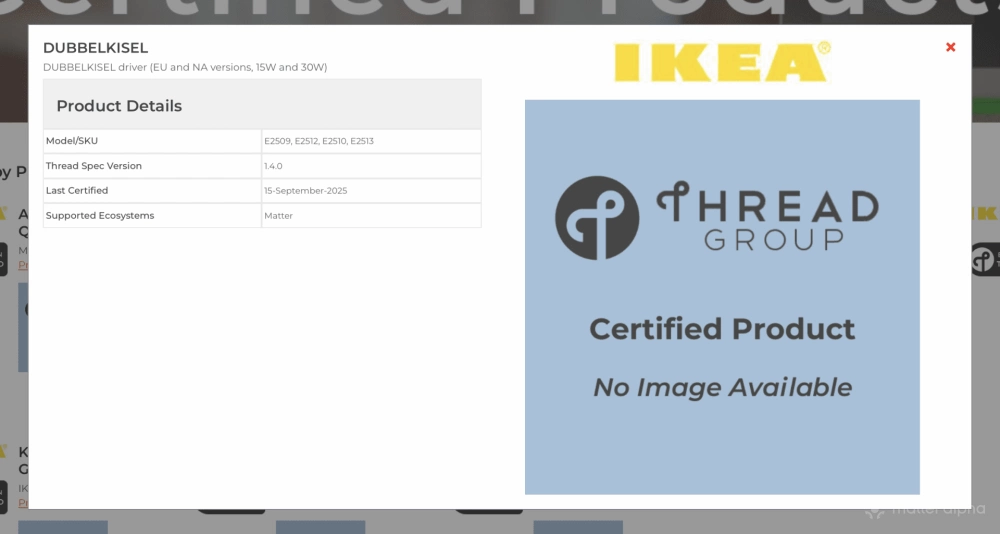
Community observers have already spotted certifications indicating a new light driver is in development. The “DUBBELKISEL” driver, identified in Thread certification filings, appears to be a 15W and 30W replacement for the aging TRADFRI driver series. This suggests a continued push to replace legacy Zigbee hardware with native Matter-over-Thread options.
By transitioning its core infrastructure products, such as the drivers hidden on top of kitchen cabinets, to Matter, IKEA is effectively ensuring that millions of homes will be Thread-ready by default. Unlike brands that require users to buy specific hubs, IKEA’s strategy of embedding Matter connectivity into affordable, everyday furniture remains one of the strongest drivers for Matter adoption worldwide.
(Image: Bilibili@Douniwan, Philips Hue, MikroTik, Govee, Thread Group)