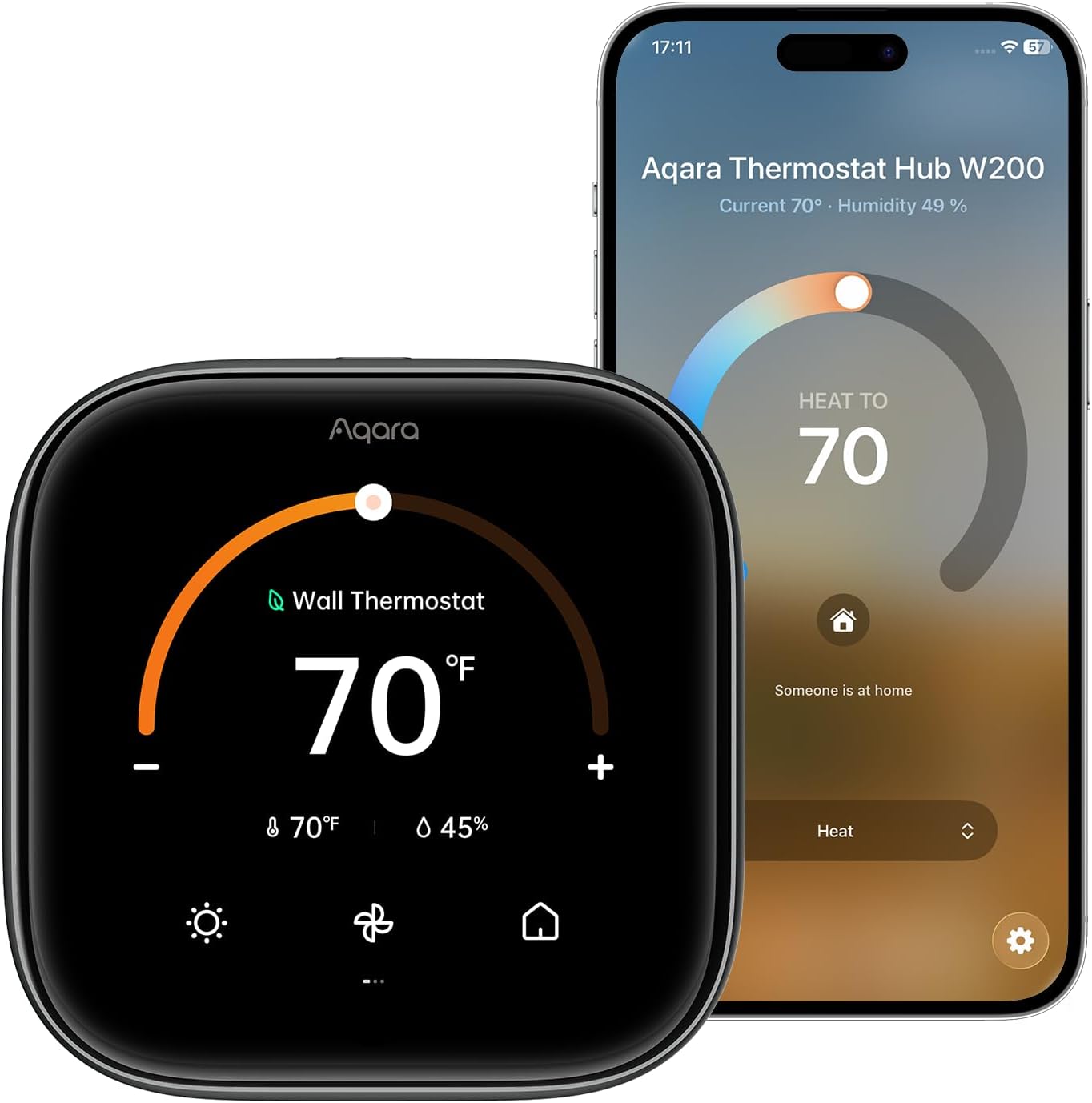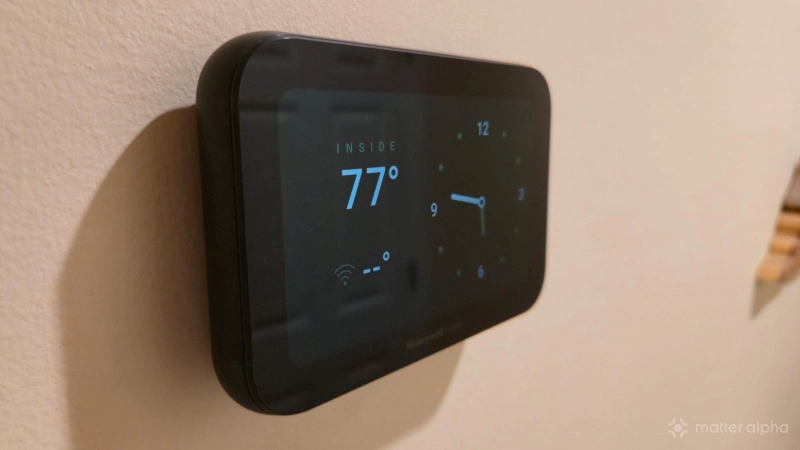
The thermostat in my home is now Matter-compatible. I can control it with my phone, I can change the temperature using voice commands, and I can see the temperature when I open up my smart home apps–but none of this, I’d say, is the best thing about upgrading my thermostat. Rather, it’s the simple truth that now that I’ve replaced my thermostat once, it’s easier to do so again, and it’s not because of what I’ve learned in the process.
Thermostats can be a pain to install

Thermostats aren’t as simple as other electronics in your home. You can’t just plug them into a power outlet. Even compared to other things that go inside the wall, they are more complex. I’ve swapped out dozens of light switches, and I’ve upgraded a power outlet, too. A thermostat is more complicated than both.
This is because thermostats involve more wires, and it’s not quite intuitive what these wires do. Light switches have a wire coming from the breaker to the switch and then from the switch to the light bulb. There’s also a ground wire that can channel electricity safely into the ground.
Simple.
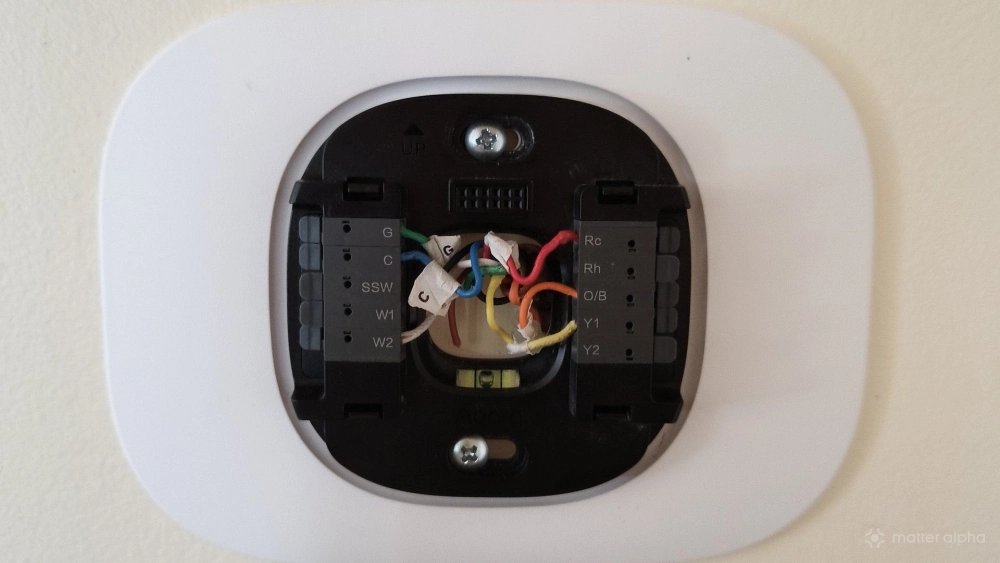
Thermostats have C wires. They have R wires. They have Y and W wires and those with various other letters that, quite frankly, I don’t know what they mean. It’s not even consistent that if you took the thermostat out of your home and installed it inside another, that they would connect to the same wires. This is because we heat our homes with different types of energy sources. Some of us use conventional forced-air units. Some of us use newer heat pumps. Others rely on gas.
The wiring is different for each of these technologies. This means that when it’s time to swap one thermostat for another, you have to pay careful attention to how your previous thermostat was wired and make sure your new thermostat is wired up in the same way.
Honeywell Home’s newer thermostats have simplified installation
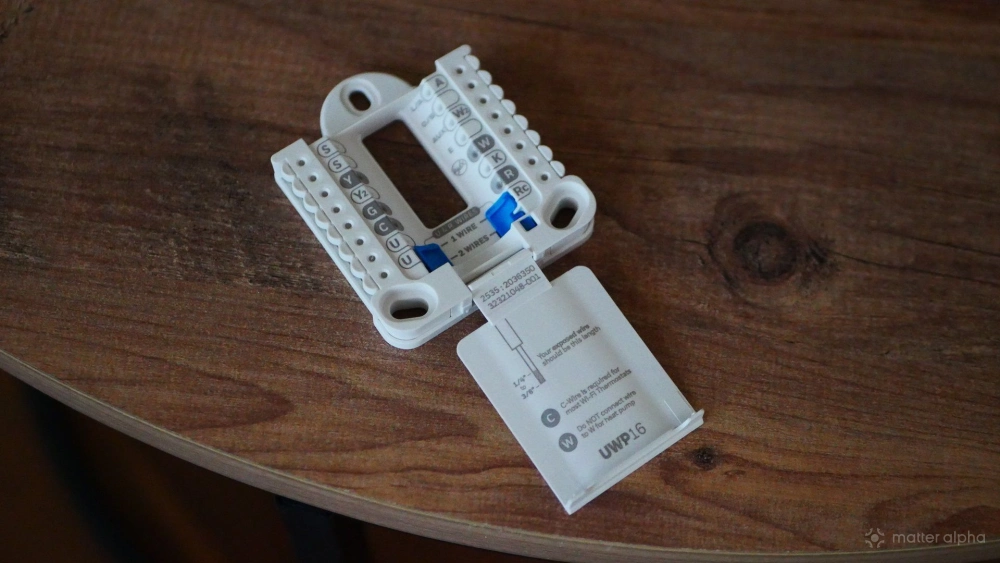
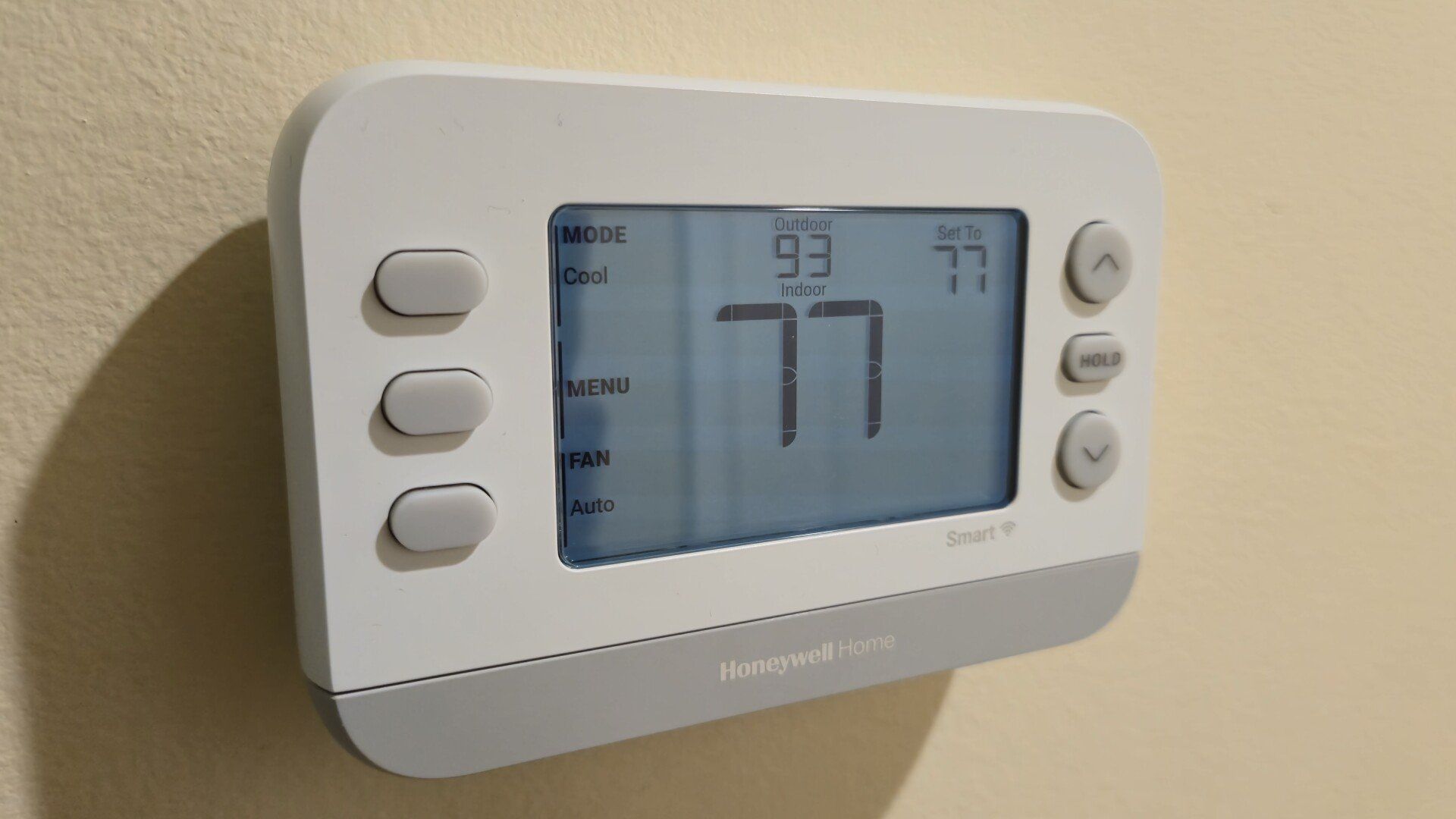
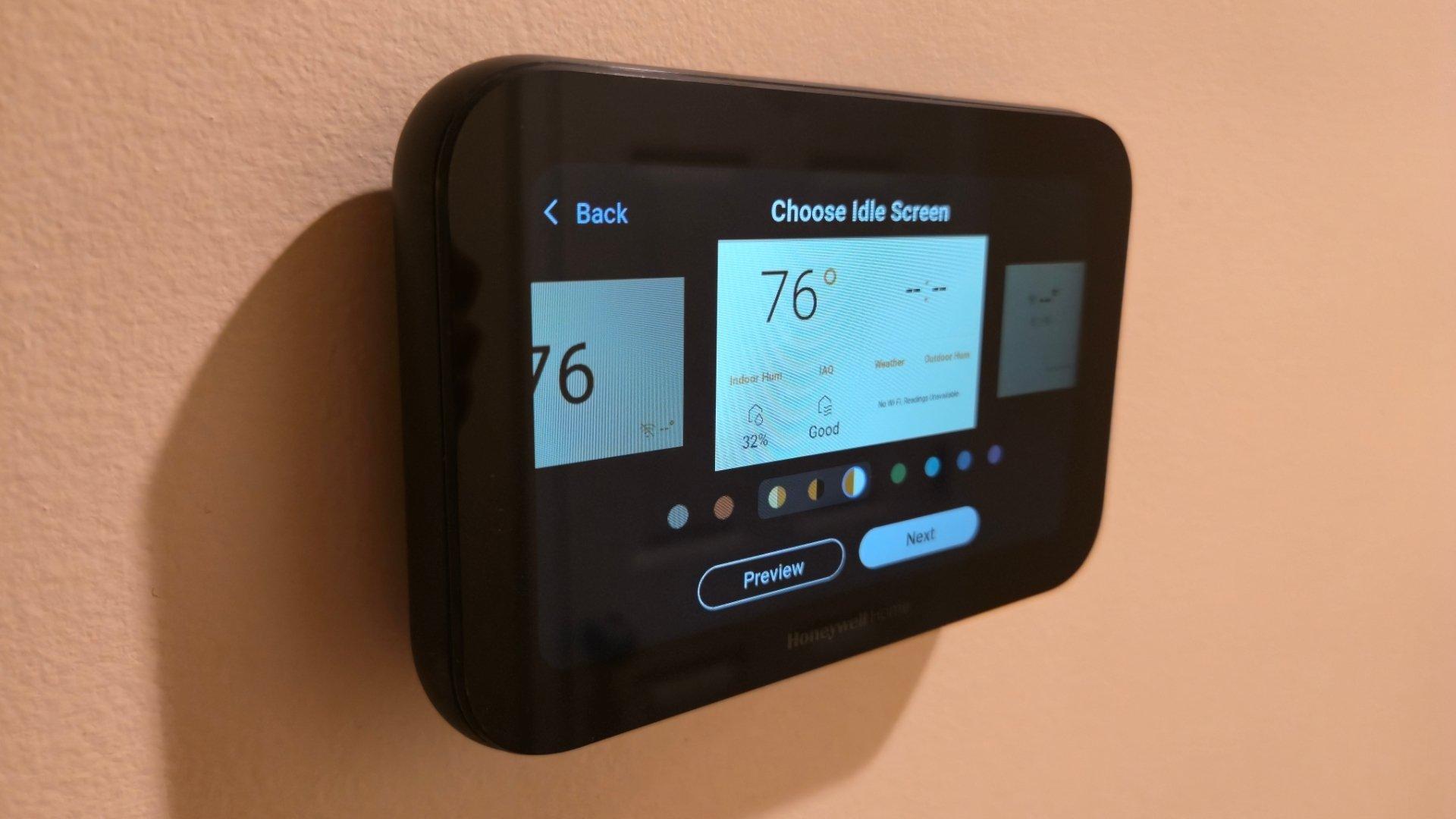
This year I was sent the Honeywell Home X8S to review. This one very much looks like a smart thermostat, and yes, I quite love its new design and appearance. It has features that my wife and I appreciate, but none of that is why I would tell you that it’s worth getting a new thermostat. It’s the fact that when the time came to swap out my Honeywell Home X2S for the X8S, I didn’t have to touch a single wire.
All I did was turn off the power in the breaker, double-check that my thermostat was off, slide the old unit off its backplate, and slide the new unit on. Honeywell Home’s newer thermostats are hot-swappable in this way.
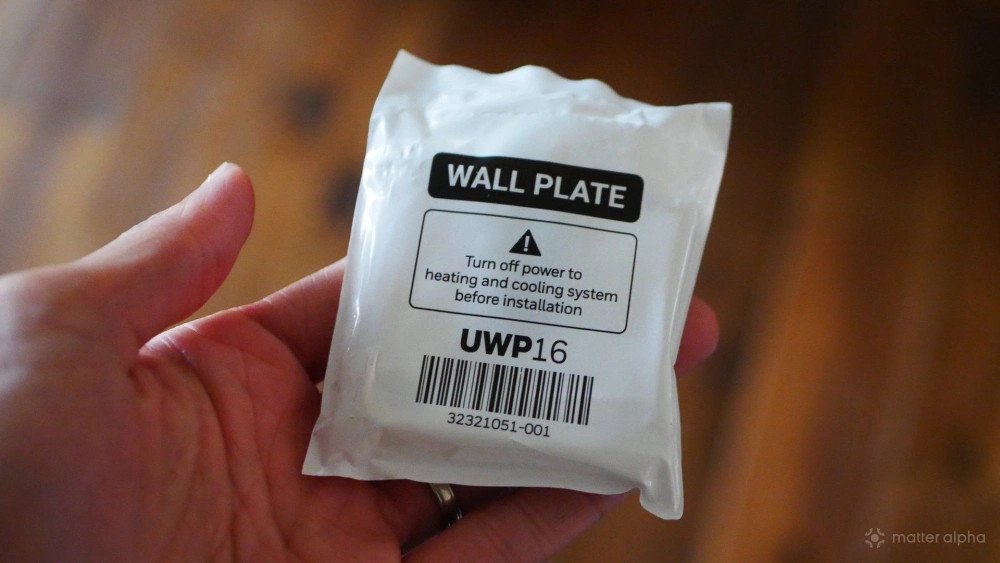
A thermostat does not need Matter-compatibility to do this. It doesn’t even need to be smart. My thermostat uses Honeywell Home’s UWP that’s not only compatible with its new Matter thermostats, but any model in the Honeywell Home T-series.
This is not something you need to search for. Simply by buying one of the company’s Matter models, you get the more accessible wall plate, making this a simple way to be sure that your thermostat will be easily upgradeable in the future.
Not all Matter thermostats have interchangeable plates
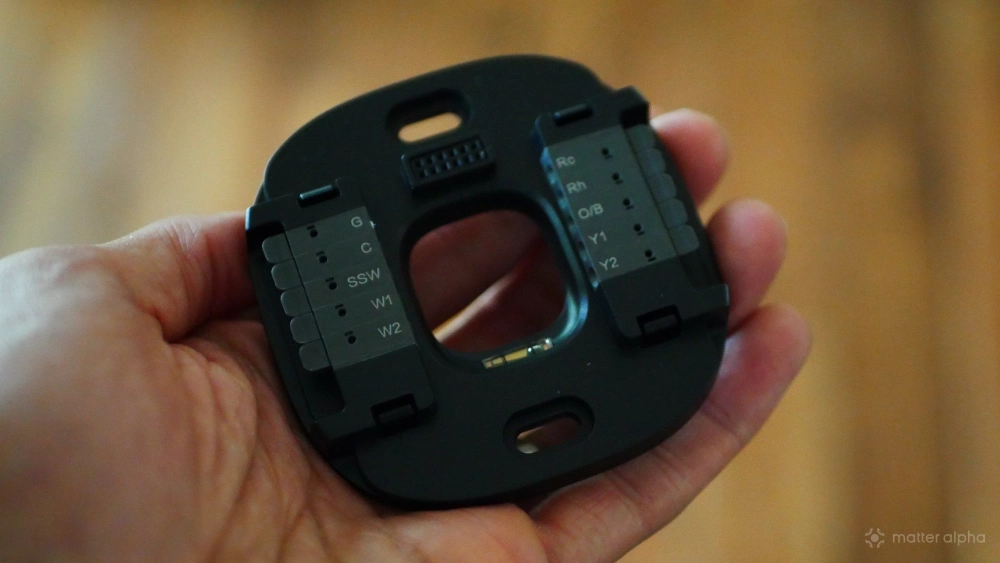
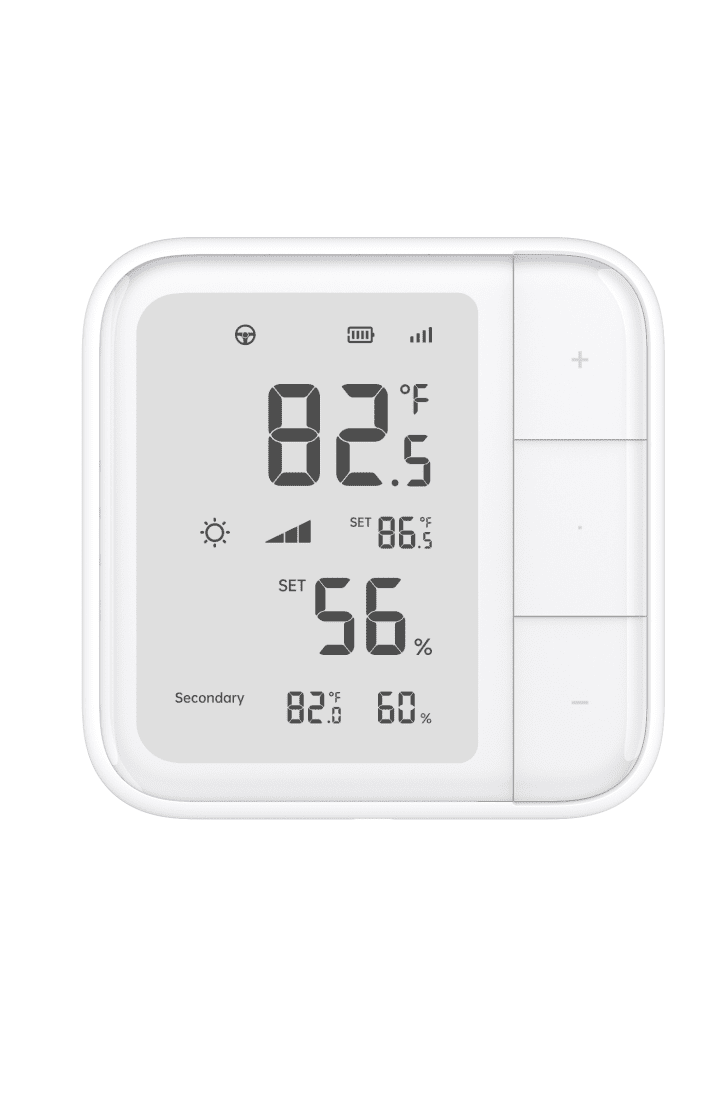
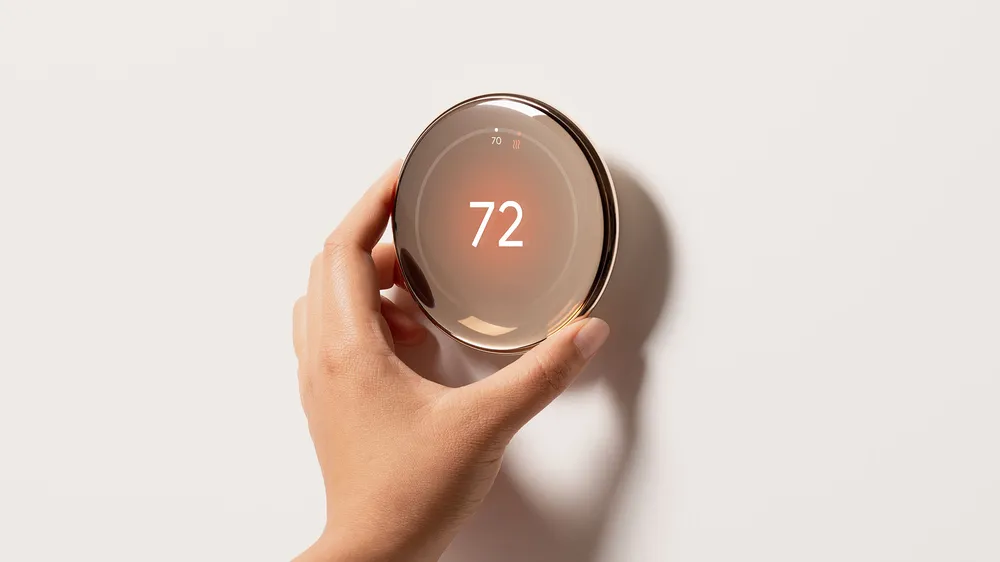
While the Honeywell Home X8S is a drop-in replacement for the X2S, the same can’t be said if you’re making the jump from the Aqara W100 to the W200, which has a radically different wall plate due to the substantial changes in the thermostat’s appearance. Likewise, the 4th gen Nest doesn’t have the same wall plate as prior models, despite looking very similar.
Since these companies don't utilize Honeywell Home’s UWP, it’s hardly a “universal” wall plate, but it’s a taste of how things could be. Like the Matter standard itself, a standardized wall plate makes the home accessible much how Matter does, freeing me from being locked into a single product. And while I technically am still confined to a single company, every thermostat I can recall in any place I’ve lived in, whether rented or owned, has had a Honeywell Home thermostat.
They’re ubiquitous in my corner of the US, and being able to easily swap these units out is no small thing.
This convenience isn’t just for buying more thermostats.
Before constructing a smart home, I didn’t give much thought to my thermostat. As long as it worked, that was that. Frankly, it’s easy and quite feasible to have the same thermostat for a decade or two, and being encouraged to get a new thermostat every couple of years is not a good thing. But that isn’t the only value to come from having a standardized wall plate.
Having easily swappable units is great for repairs. If anything goes wrong with your unit, you don’t need to call an electrician to fix it for you. Just go to the store and get a new thermostat. It doesn’t even need to be the same model, as long as it supports the same plate. That’s a problem I can figure out and fix faster than it takes to resolve some issues with Matter.