Matter 1.6 arrives as device makers face two competing pressures. The standard continues adding functions that require more software and memory, while manufacturers still need lower-cost hardware for mass-market lights, sensors, and locks.
Speaking with Matter Alpha, Rob Alexander, Principal Product Manager for Matter at Silicon Labs, and Sky Liu, Senior Ecosystem Manager for APAC, explained how the company interprets Matter 1.6, prepares each SDK for production, and divides its chip roadmap between mains-powered products and ultra-low-power devices.
Matter 1.6 addresses deployment and control
Alexander highlighted three important additions in Matter 1.6: Fabric Sync, NFC commissioning, and thermostat suggestions.
Fabric Sync could help managed apartments keep thermostats, locks, and other property-owned devices tied to the building while exposing them to a tenant’s preferred ecosystem. This separates ownership of building infrastructure from the user experience, which becomes more important as Matter expands into larger deployments.
NFC commissioning can reduce installation work by allowing setup information to be exchanged without first powering on a device. For large-scale installers, this could simplify device provisioning compared with traditional QR-code onboarding.
Thermostat suggestions allow a device to recommend an adjustment rather than directly overriding the controller. Alexander also pointed to security sensor event history and capability reporting as improvements that could support richer automations. Their value will still depend on how quickly major ecosystems expose them.
Silicon Labs follows Matter’s release cycle
At the time of the interview, Silicon Labs had not completed Matter 1.6 platform certification, although it said the supporting SDK was close to release and certification would follow.
Another Silicon Labs representative later told Matter Alpha that Silicon Labs SDK’s Matter Extension 2.9.0 had added initial Matter 1.6 support.
Liu said the company now aligns its SDK roadmap with Matter’s two major annual releases. Silicon Labs typically releases its implementation around three months after the CSA publishes the corresponding software.
That delay allows Silicon Labs to move beyond basic spec support. Silicon Labs’ Engineers can utilize the additional time for stress testing, network analysis, power efficiency tuning, and radio validation.
While the CSA provides a reference implementation focused on standard compliance, Silicon Labs aims to deliver an SDK that is closer to production requirements for manufacturers.
Series 3 targets cost-sensitive products
Matter products are increasingly moving into higher price ranges as manufacturers struggle to keep devices within their original BOM targets. At the same time, growing software complexity continues to put pressure on flash and RAM requirements.
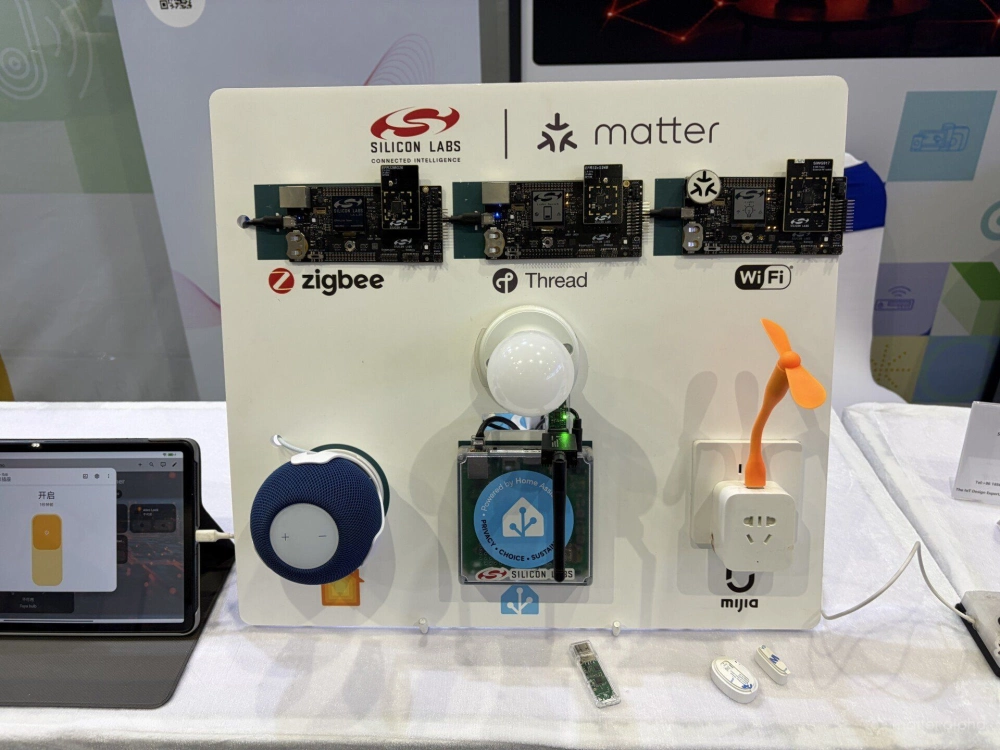
Alexander offered a different view of the wider memory market. He said embedded memory has not been affected as severely as PC and data center memory because the products rely on different manufacturing processes.
But Silicon Labs is still working to reduce Matter’s flash requirements while positioning Series 3 as a more cost-effective platform. The first family member, the MG301, uses a 22 nm process and initially targets mains-powered lighting.
However, Series 3 is not replacing Series 2 at the moment. Silicon Labs is positioning it as a more competitive platform for products that need additional memory and performance while keeping the BOM under control.
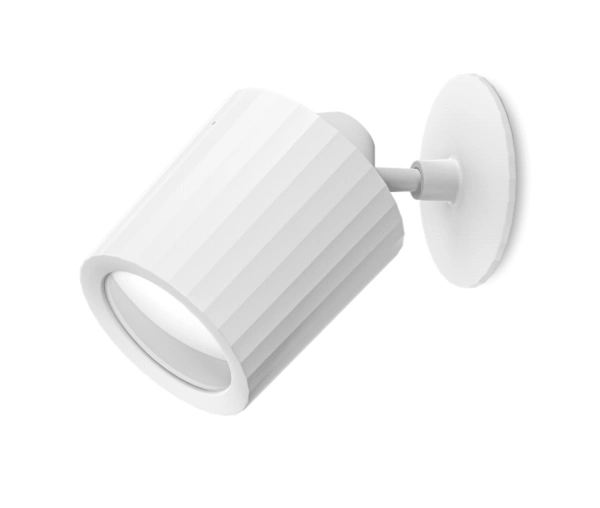
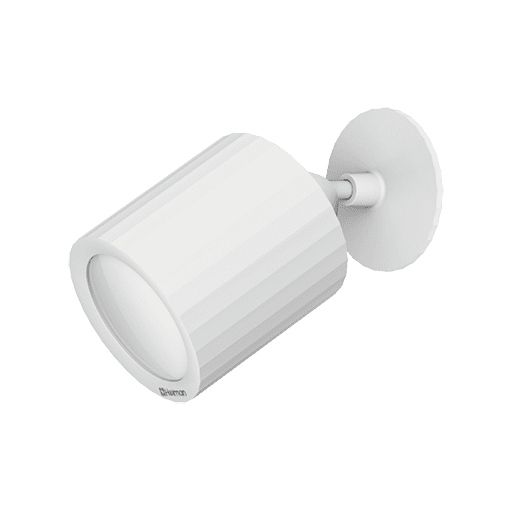
Heiman Smart motion sensor
A smart motion sensor with temperature compensation and real-time alarm notifications for reliable security monitoring.
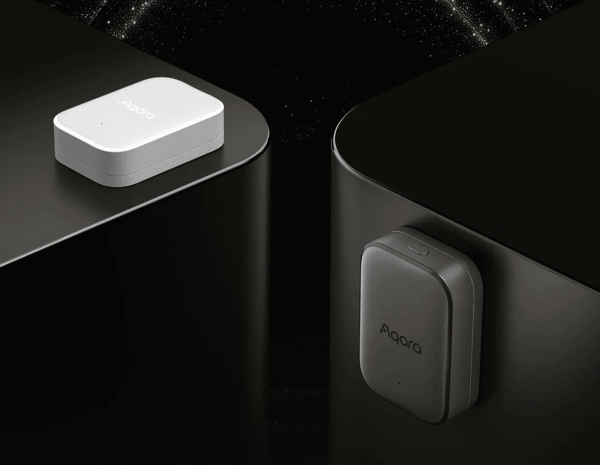
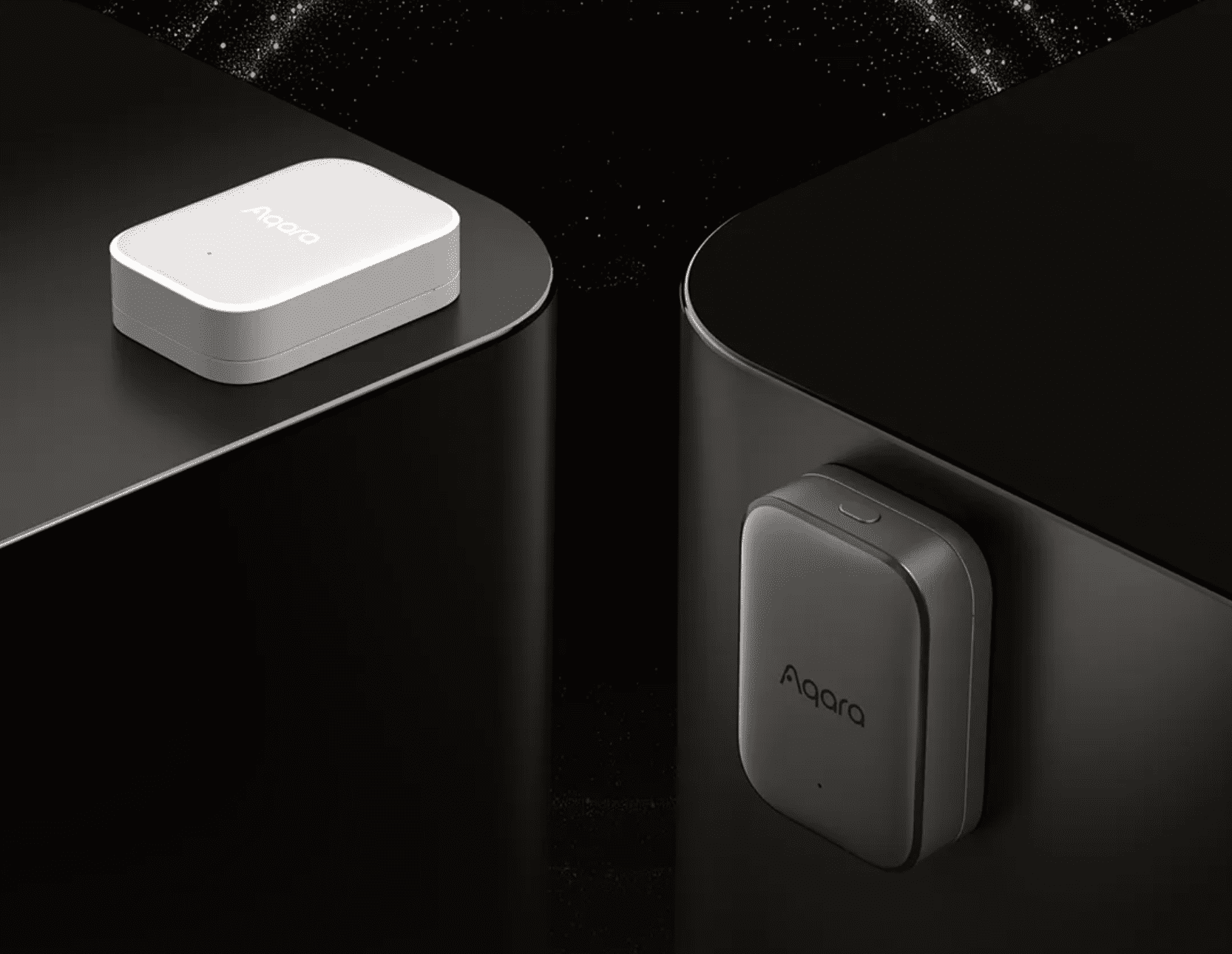
Aqara Multi-State Sensor P100
Aqara Multi-State Sensor P100 delivers flexible, multi-condition motion and object monitoring with Matter-based smart home compatibility.
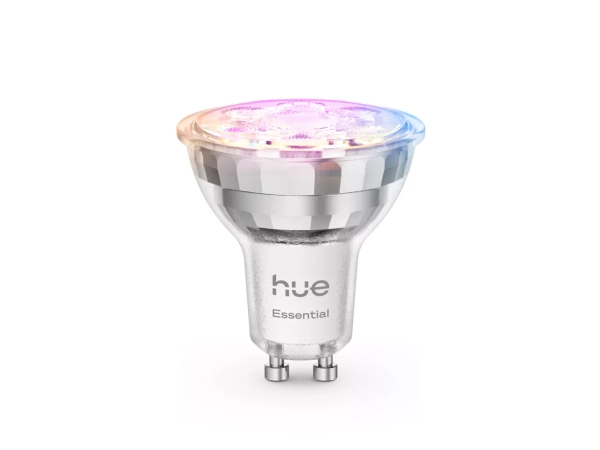
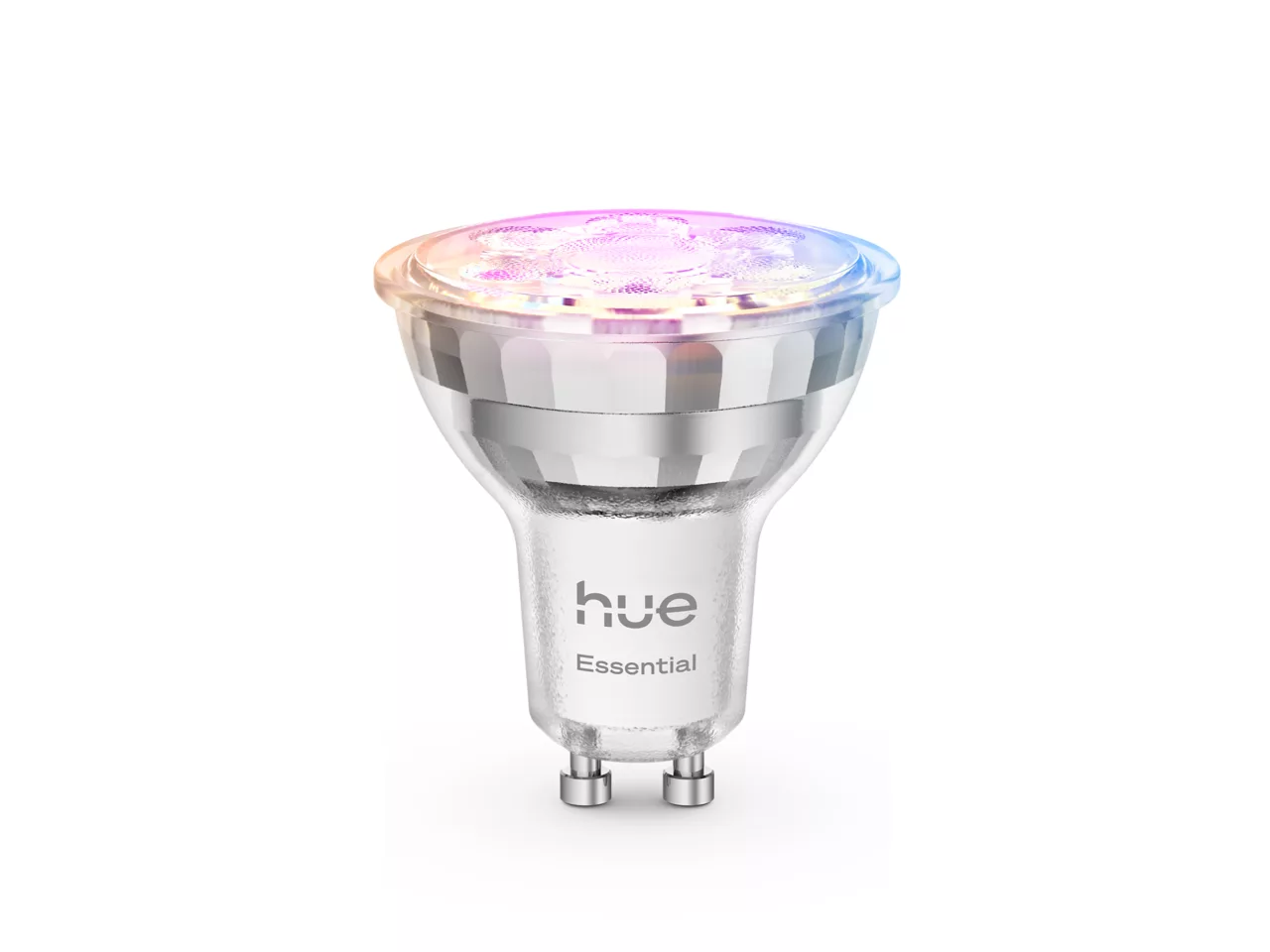
Philips Hue Essential GU10 Smart Spotlight
A smart GU10 spotlight that combines millions of colors, adjustable white light, and Philips Hue smart lighting features to deliver flexible accent and everyday lighting.
Series 2 remains the recommended option for battery-powered sensors and other products where ultra-low power is the priority.
In the meanwhile, A lower-power Series 3 variant is also in development, according to Alexander. And Liu added that more Series 3 products are planned for the second half of 2026 and the first half of 2027, although the company did not disclose model details.
On the SDK side, one of Silicon Labs’ priorities is reducing the stack’s flash use to help manufacturers control budgets, avoiding larger and more expensive memory configurations.
Testing Matter at scale
As Matter expands into larger installations, network scalability becomes a bigger challenge. Silicon Labs is using large-scale testing to study how Matter-over-Thread performs under heavier traffic and more complex conditions.
The company has built a 200-node Matter-over-Thread test network to study simultaneous device control, broadcast traffic, and network recovery after a power interruption.
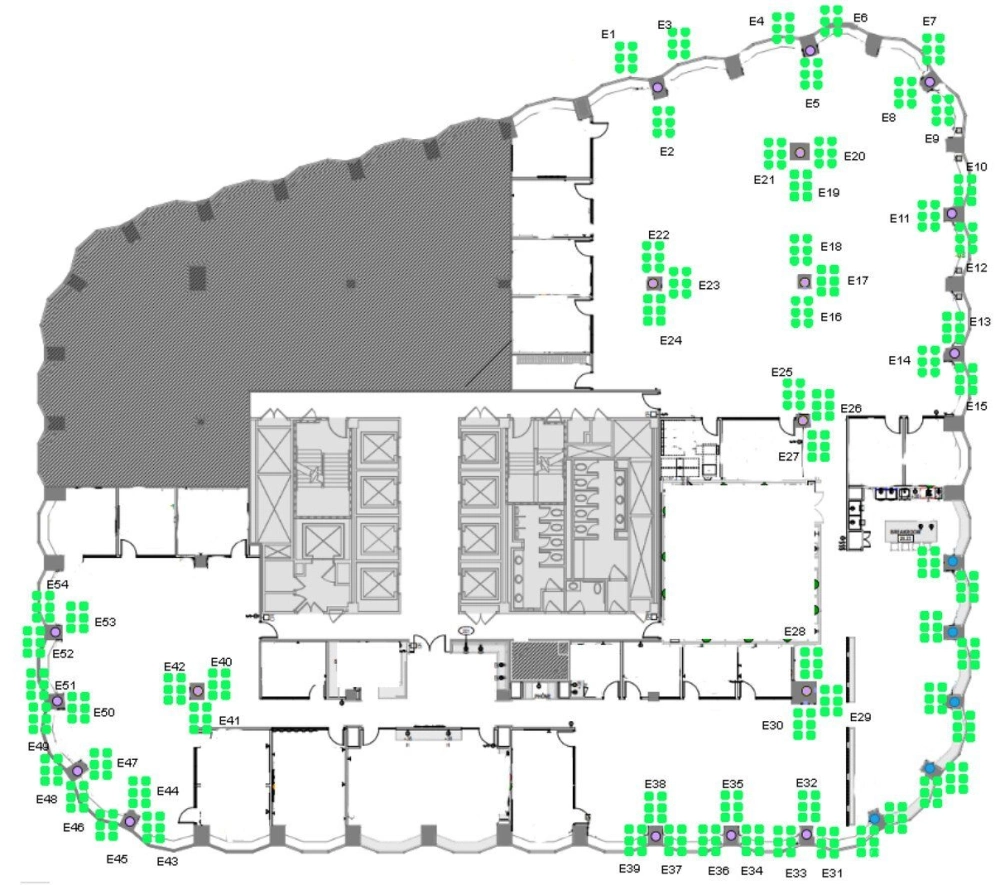
Alexander gave commercial buildings such as hotels and apartment complexes as examples. In those environments, many users may control devices in separate rooms while sharing the same network infrastructure.
The test network also lets Silicon Labs study how different traffic patterns affect performance, including cases where many devices communicate at the same time. The company is also testing lower-power scenarios as well, including communication between sleepy devices. In those cases, the challenge is maintaining reliable message delivery without reducing battery life.
And Silicon Labs shares findings from these tests with the CSA and Thread Group to support work on network recovery, device communication, and larger Matter-over-Thread deployments. That feedback can help turn problems found in vendor labs into changes that improve the standard and its implementation across the wider ecosystem.
Matter’s next challenge is no longer proving that devices can connect, but making those connections affordable and reliable at scale. As the specification continues adding features, chip vendors will need to balance increasing software demands with the memory, power, and cost limits of real products. And Silicon Labs’ recent efforts showed the ideal approach to closing that gap.
*Note: The article was updated to correct Sky Liu’s title coverage.
(Image: Silicon Labs)