There is a school of thought within the smart home community that because interoperability is convenient, by definition it will save money. But it increasingly seems that the simpler, cheaper future where everything works together has a few hidden costs.
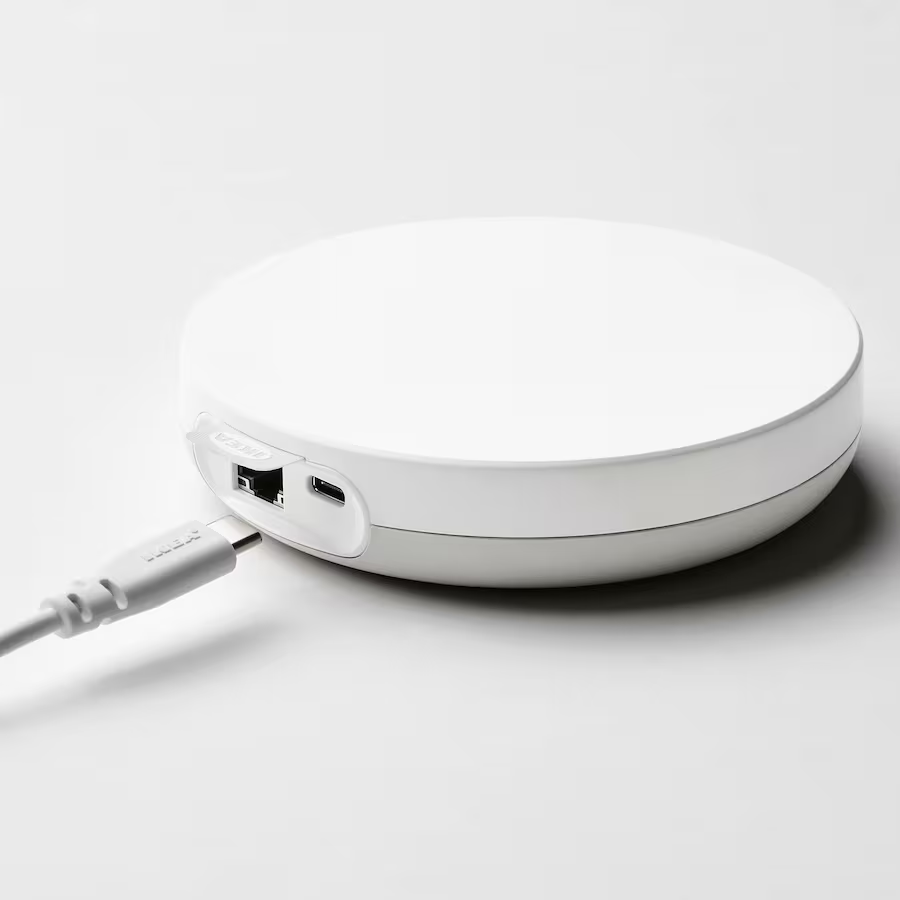
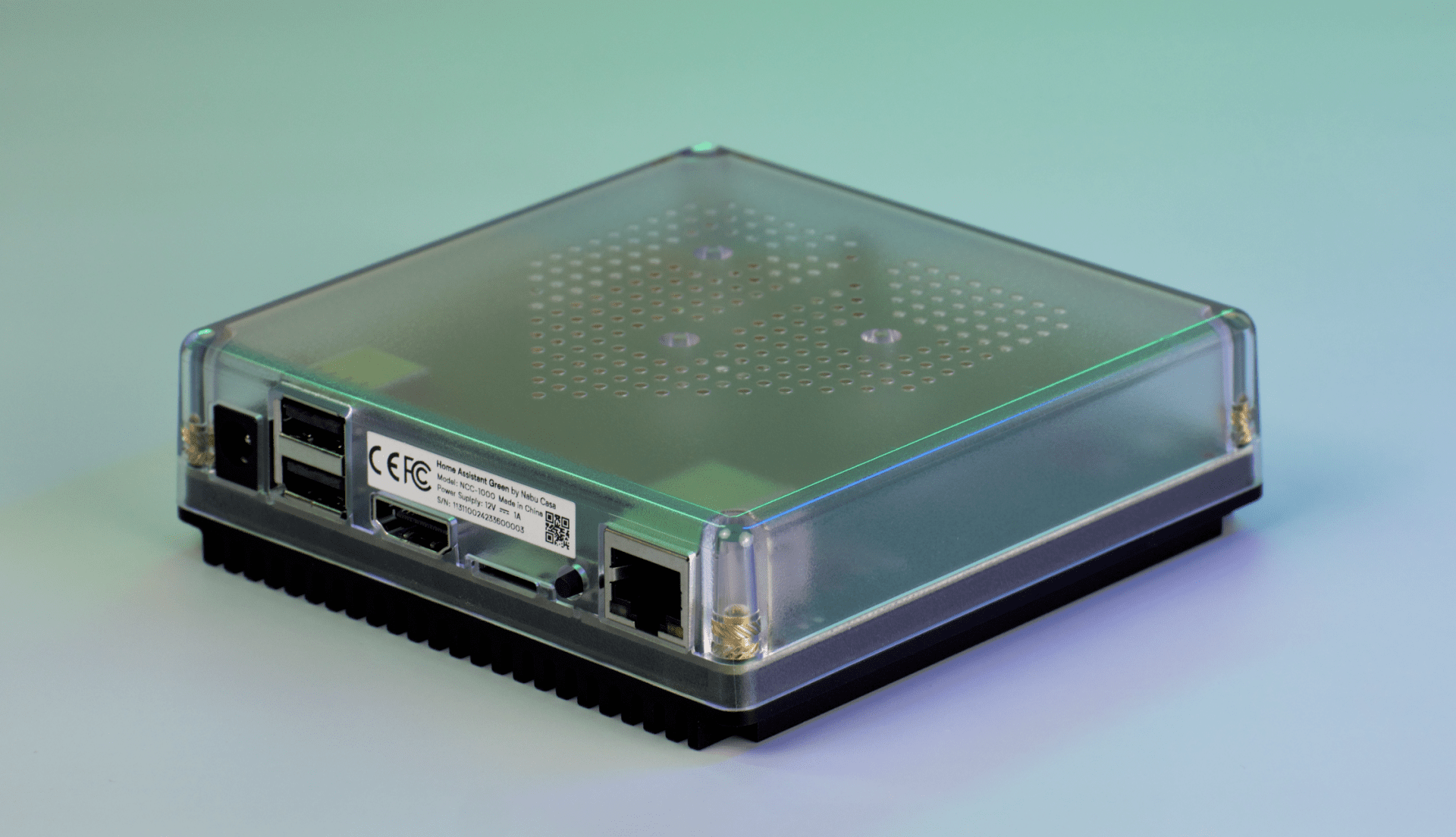
In 2026 we’ve seen how FCC testing has limited Chinese smart home tech launches on US soil, and Matter certification results in increased R&D costs, which smaller companies can only pass on to the consumers. We’ve also seen price rises on two key smart home hubs; the price of the IKEA DIRIGERA rose in the US and EU, and the Home Assistant Green also had its price hiked.
As of May 2026, Samsung has signed up to the EU’s Energy Smart Appliances Code of Conduct. The existence of this regulation may on the face of it seem like a set of rules that complements the Matter smart home. But in reality, each additional layer of international and regional legalese adds engineering and compliance burden to developers.
While that should mean better interoperability, it inevitably means more expensive smart home gear.
DIRIGERA
A Matter-compatible smart hub that connects and automates IKEA smart devices, enabling flexible control through the IKEA Home smart app, voice assistants, and remote triggers.
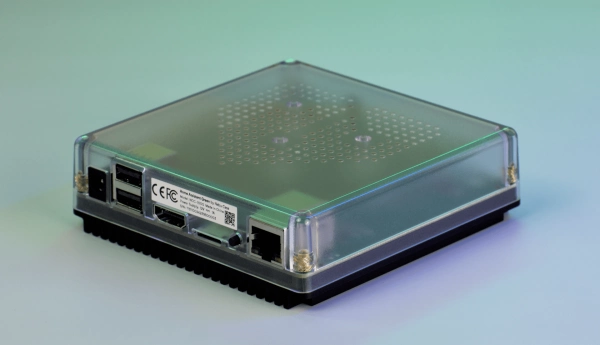
Home Assistant Green
A compact, fanless Home Assistant hub with quad-core processing, 4 GB RAM, 32 GB storage, local data control and Thread USB expandability.
Matter was supposed to simplify things
When Matter launched as a universal interoperability standard in 2022, it brought with it the promise of
-
fewer apps
-
fewer hubs
-
simpler setup
-
cross-brand compatibility
It’s fair to say that we do have some of those things. We only need one app in most cases, and setting up new smart home gear is a lot simpler now than it was before Matter arrived.
But what we weren’t expecting were price rises based on
-
certification costs
-
firmware maintenance
-
evolving specifications
-
re-certification
(We also have the added Thread border router complexity to consider, but that’s another matter.)
The current phenomenon of rocketing RAM prices is just one aspect of the challenges for smart home producers to release affordable tech. New FCC rules, RAM, tariffs, international shipping challenges… they all conspire to push up prices. At a time when other pressures are being applied to consumer wallets, it’s important to choose carefully when buying new tech.
When the cheapest source of Matter-compatible smart home tech – IKEA – is putting up the price of its hub, it is more than a sign – it’s confirmation that the era of aggressively cheap smart home hardware may be ending.
I’ve previously identified five reasons why smart home tech is getting more expensive, and it seems to me that we’ve just found another.
Enter the EU’s Energy Smart Appliance rules
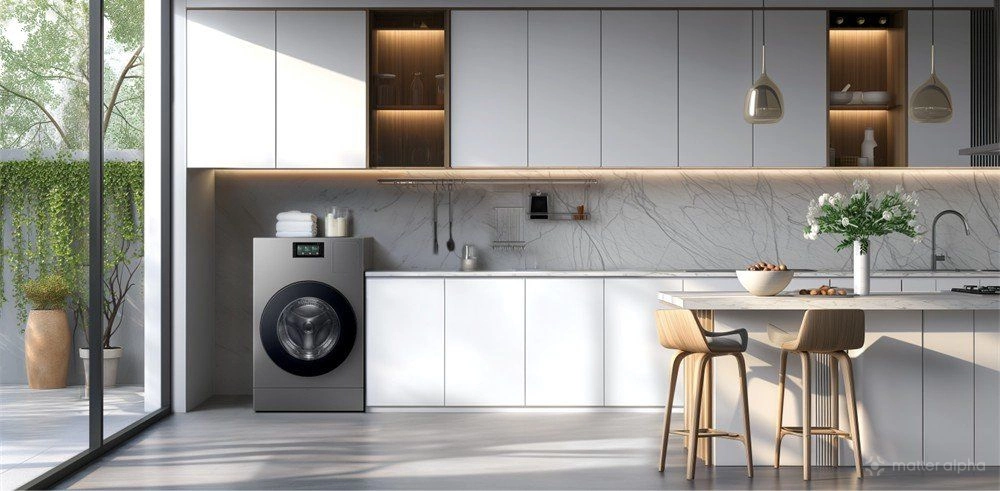
The EU’s Energy Smart Appliances Code of Conduct potentially adds further costs.
Known as the ESA Code of Conduct, it is a voluntary interoperability framework, backed by the EU, and focuses on energy-smart devices. So, we’re talking things like:
-
heat pumps
-
EV chargers
-
batteries
-
dishwashers
-
washing machines
Its goal is grid balancing and energy flexibility, which can benefit zones where smart home technology is increasingly adopted. It isn’t a replacement for Matter – it’s not about controlling devices. The aim is to coordinate hardware with the power grid.
Samsung’s adoption of the ESA Code of Conduct backs this up.
“Samsung believes connected appliances can play a meaningful role in the energy transition by helping households use energy more intelligently, without adding complexity to everyday life,” said Hyesoon Yang, Executive Vice President for the Digital Appliances (DA) New Biz Team at Samsung Electronics. “By joining this EU initiative, we aim to help make energy-smart functionality more accessible to consumers.”
The immediate takeaway from this might be that it is purely about power, and is therefore about EV chargers and the like. But in fact it does have a heavy element of white goods -- kitchen appliances -- and with Matter increasingly supporting kitchen tech, this does look as though it will have some heavy relevance to the platform in the next few years.
Why this could raise prices
So, as well as the RAM tax, the certification tax, and the shipping tax – not to mention ad hoc tariffs – the smart home has a new price element that simply didn’t exist when Matter was launched: a new European Union-supported Code of Conduct.
The Energy Smart Appliances Code of Conduct outlines what devices now need:
-
energy reporting
-
scheduling logic
-
interoperability semantics
-
utility/grid communication
Of course, these are all good improvements, but their inclusion adds to the cost of smart hardware. More certification and testing is required. At a time when manufacturers already face paying for:
-
Matter certification
-
radio testing
-
regional compliance
-
interoperability validation
-
energy behavior requirements
…it’s simply another item to add to the list. Every additional standard adds another engineering and testing bill.
Then we have the consumer expectation of a long life-cycle, which means connected appliances that can handle interoperability and are energy aware need to be regularly updated, have the necessary fixes rolled out, and are secure.
In fact, that last point is particularly important as grid-connected smart devices represent an additional security burden. They introduce concerns about infrastructure security, and need reliable authentication, encryption support, secure firmware, and patch management.
All of this adds to the cost of producing the hardware.
The irony of interoperability
Convenience comes with a cost, so while interoperability was sold as something that would deliver simplification, convenience, and openness, we’re potentially drifting into a world of multiple layers of compliance and certification creep.
These hidden costs mean we could soon be paying a permanent ‘interoperability tax’ on connected devices. Your smart gear already has Wi-Fi certification, which has its own cost.
It’s really a case of weighing up what you want from smart, connected gear. At this stage, it seems the direction of travel is one-way, towards universal convenience, so it’s important to recognize that in the case of the Energy Smart Appliances Code of Conduct, we should expect:
-
lower energy bills
-
reduced lock-in
-
better cross-brand compatibility
-
smarter energy usage
-
future-proofing
The smart home industry is beginning to resemble a regulated infrastructure.
Matter was conceived to make smart homes simpler and sit across the various previous standards that had created a fragmented user experience. But we’re finding that interoperability comes with a price, and there is every chance that the European Union’s energy-smart appliance initiative is the first of many additional smart home fees.
Regulatory oversight and codes of conduct protect you... but they also cost extra to implement. Can the growing Matter smart home market absorb these costs?
(Image credits: Magda Ehlers, Pexels; Samsung)