Texas Instruments has announced plans to buy Silicon Labs in a deal worth $7.5 billion. Both companies confirmed the agreement, which is expected to close in the first half of 2027 after approval from shareholders and regulators.
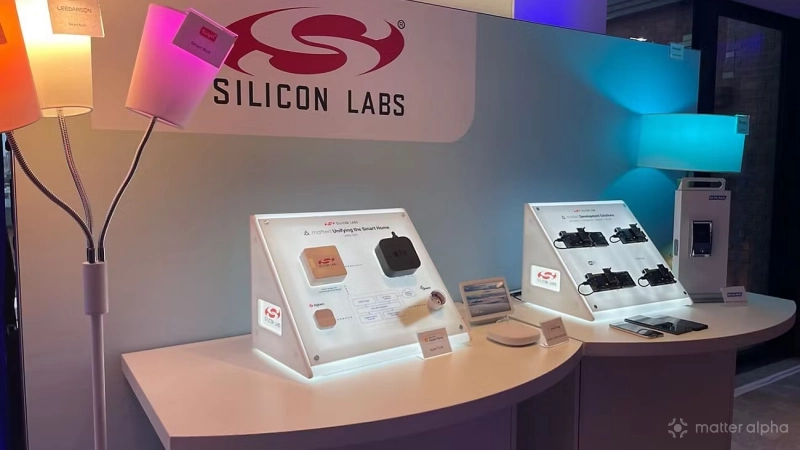
The purchase joins two well-known chipmakers with different strengths. Texas Instruments is known for large-scale analog and mixed-signal manufacturing, while Silicon Labs is one of the leading names in IoT and smart home connectivity, especially for Matter. Together, they could reshape parts of the IoT and smart home market, including devices that support the “Matter” standard used by top tech companies including Google, Apple, and Amazon.
Few short-term changes expected
In the near term, customers and developers should not notice any change. Silicon Labs will continue to operate as its own company until the deal closes. Both companies said that current product plans, customer commitments, and operations will stay the same.
Analysts expect the first year after closing the deal to focus on alignment rather than new product shifts. Any visible changes in pricing, support, or product direction are likely to arrive later, once the companies begin sharing research and production resources.
A move back into connected devices
For Texas Instruments, the deal signals a return to connected devices after years of reduced visibility in the smart home market. Its early Zigbee chips were once popular in sensors and lighting, but support slowed as Silicon Labs gained ground. Today, Silicon Labs chips power many of the hubs, switches, and bridges that use Zigbee, Thread, and Matter.
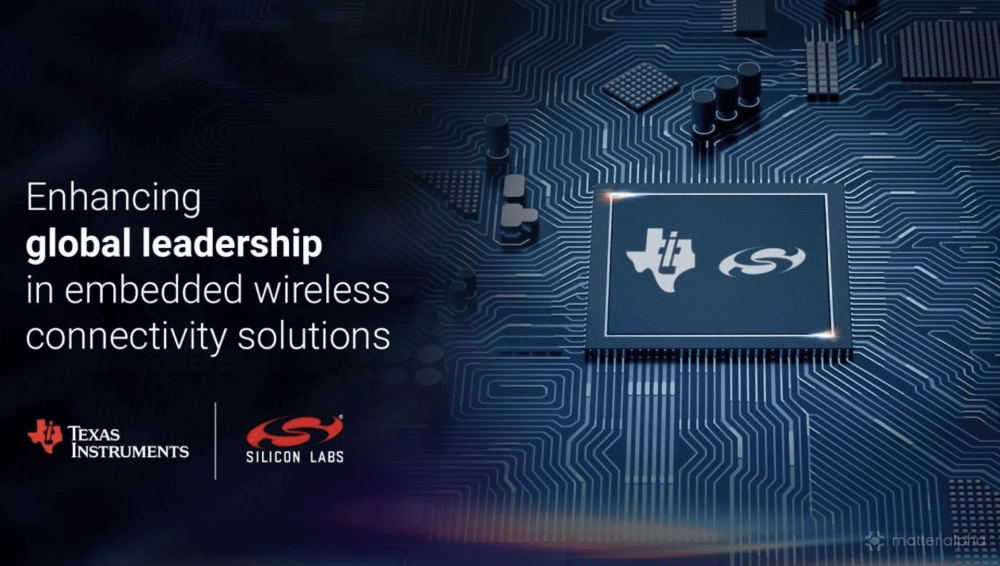
Texas Instruments Chairman and CEO Haviv Ilan said the acquisition strengthens the company’s “wireless connectivity business,” an area he described as growing but slower than desired. By adding Silicon Labs’ expertise, Texas Instruments deepens its existing portfolio in smart home and low‑power wireless products, aiming to accelerate growth in these markets.
The manufacturing advantage
Texas Instruments owns some of the largest 300-millimeter wafer and assembly facilities used for analog and mixed-signal chips. Ilan called these plants a key advantage of Texas Instruments’ long-term strategy, noting that internal production gives the company more control over quality and supply.
This capability could help improve chip availability and cost once Silicon Labs products transition into Texas Instruments’s manufacturing system. In practice, that might shorten delivery times and reduce reliance on outside foundries.
If production moves inside Texas Instruments’ facilities, Silicon Labs chips could become more price competitive with alternatives like Nordic and Espressif, both of which now offer affordable wireless SoCs used in Zigbee, Thread, and Matter devices. Smart home devices are highly sensitive to cost because they sell at relatively low prices. With IKEA’s low‑cost Matter products filling the market, competitive pricing has become essential for vendors to stay in business.
Regulatory and market outlook
While the plan has clear technical logic, it faces a long approval process. Texas Instruments CFO Rafael Lizardi said the shareholder vote should happen within months, followed by regulatory review in multiple countries that could take until 2027. Regulators will look at how the merger affects competition in wireless IoT chips, a space where Silicon Labs holds a strong position.
In broader terms, the change may also reshape supply dynamics in China and other key markets, where chip vendors work through local distributors that feed the smart home manufacturing chain. And there is a peculiar situation where Texas Instruments currently relies on a single authorized distributor, Arrow, in China, a source familiar with the matter told Matter Alpha. So adjustments in those agreements could create brief uncertainty in pricing or availability.
What this means for smart home users
For device makers and end users, it remains business as usual for now. Matter and Thread products using Silicon Labs chips will continue to receive updates and support. Long term, the merger could bring lower costs and steadier supply, as well as a renewed role for Texas Instruments in the connected home scene.
(Source: Texas Instruments, Silicon Labs)