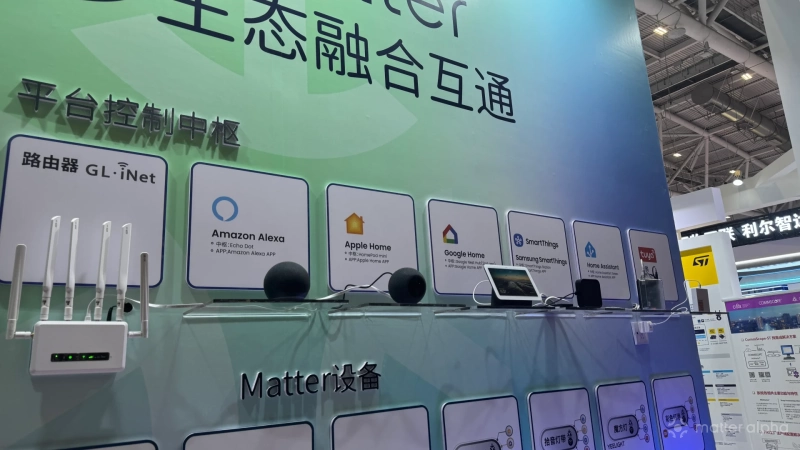
Another year of testing smart home gear is in the bag, and it is finally time to sit down and look at the reality of living with Matter.
This review is a bit different from my usual technical guides; it is more personal, and honestly, a bit more emotional. It is one thing to read a spec sheet, but it is another to actually live with these devices, day in and day out.
Over the past year, I have felt the pure joy of a perfectly automated home where everything just works. But I have also faced that deep, soul-crushing frustration of wasting an entire afternoon on a single sensor that simply refuses to connect. This is a look at the “hidden truth” of Matter in 2025, the creative wins that make it all worth it, and the annoying failures that still haunt the setup process.
More creative and surprising combos
I love it when everything works together. Matter ecosystems are adding more device support, which allows for more creative setups and automations.
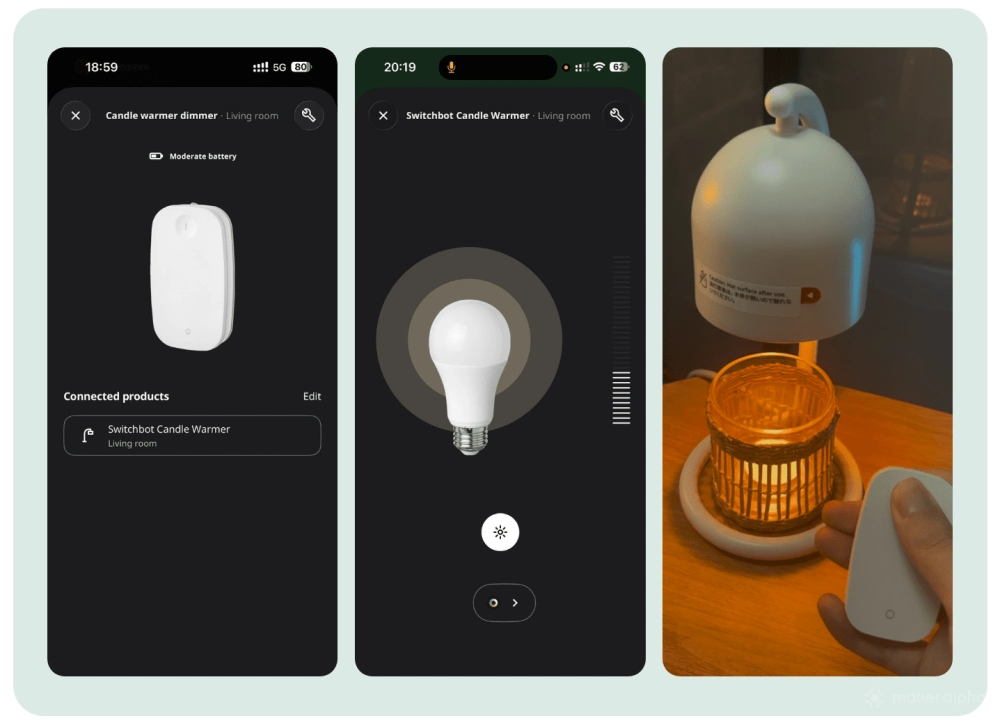
For example, Ikea allows easy binding between lights and remotes. Using the “Matter Multi-admin” feature makes it easy to add lighting devices to the Ikea app for simple automation. This is helpful because the “Matter Generic Switch” often provides a poor experience on other platforms and is hard to set up properly.
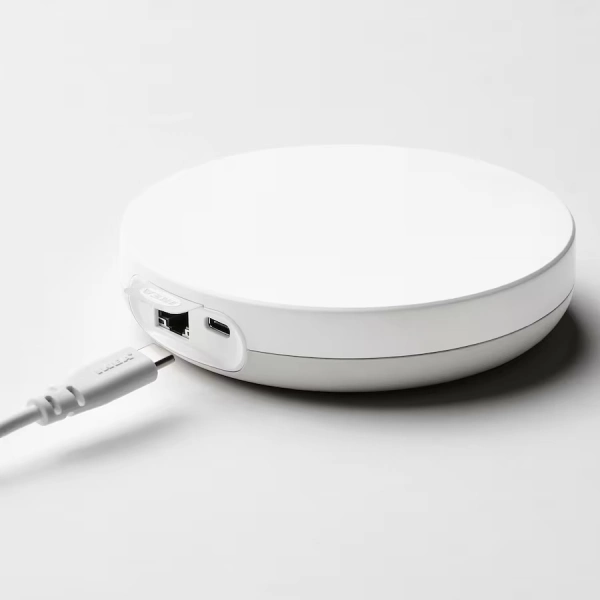
DIRIGERA
A Matter-compatible smart hub that connects and automates IKEA smart devices, enabling flexible control through the IKEA Home smart app, voice assistants, and remote triggers.
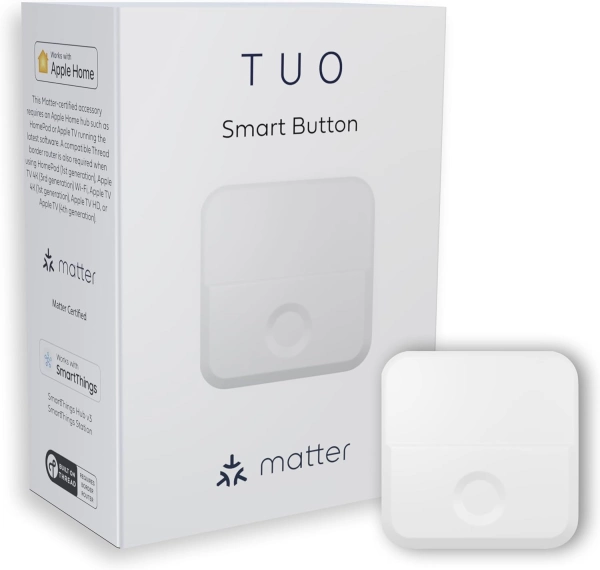
TUO Button
A Smart Button with Matter and Thread support, customizable with stickers, includes CR2032 battery and magnetic wall plate for easy use.
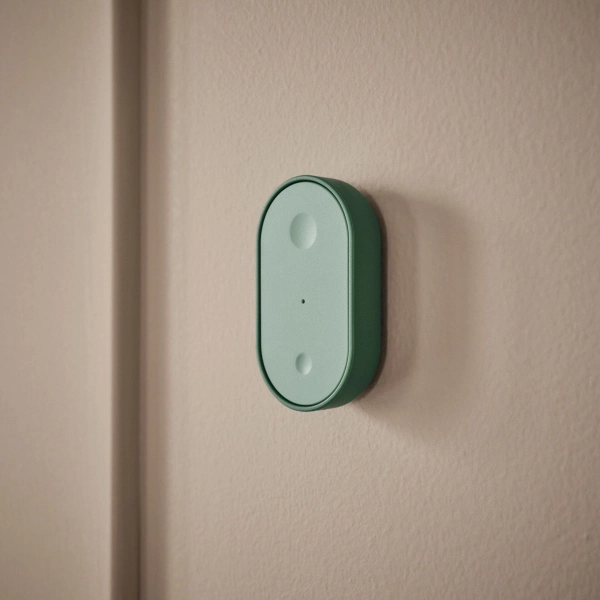
BILRESA Remote Control with Dual Button
A simple, two-button remote that lets you control smart lighting functions like power, brightness, colour, and scenes from anywhere nearby.
The native “Matter Binding” is also a hidden gem on Home Assistant. Right now, it still feels like a black box because you never know exactly what will happen when you add a binding. But when it works, it is brilliant for features like light dimming or thermostat control, which usually require multiple automations without Matter Binding. I am interested to see how this feature grows on Home Assistant and other platforms in the coming year.
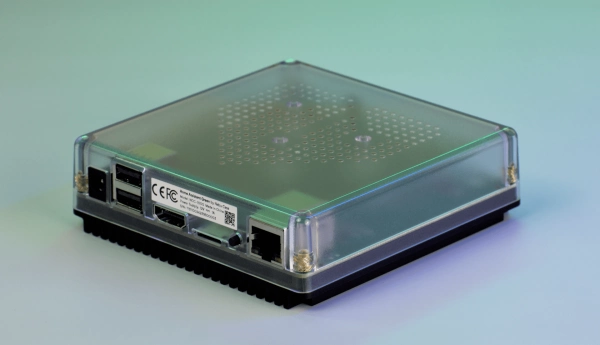
Home Assistant Green
Part of the fun for me is digging into every level of an app to find hidden settings. I try to use these platform features as much as possible for a better experience. Home Assistant acts as the brain to centralize everything locally, Apple Home handles phone controls, and Google or Alexa take care of voice commands. I also have plans to use the SmartThings “map view” to build a visual dashboard for my home, when the app crashes less often.
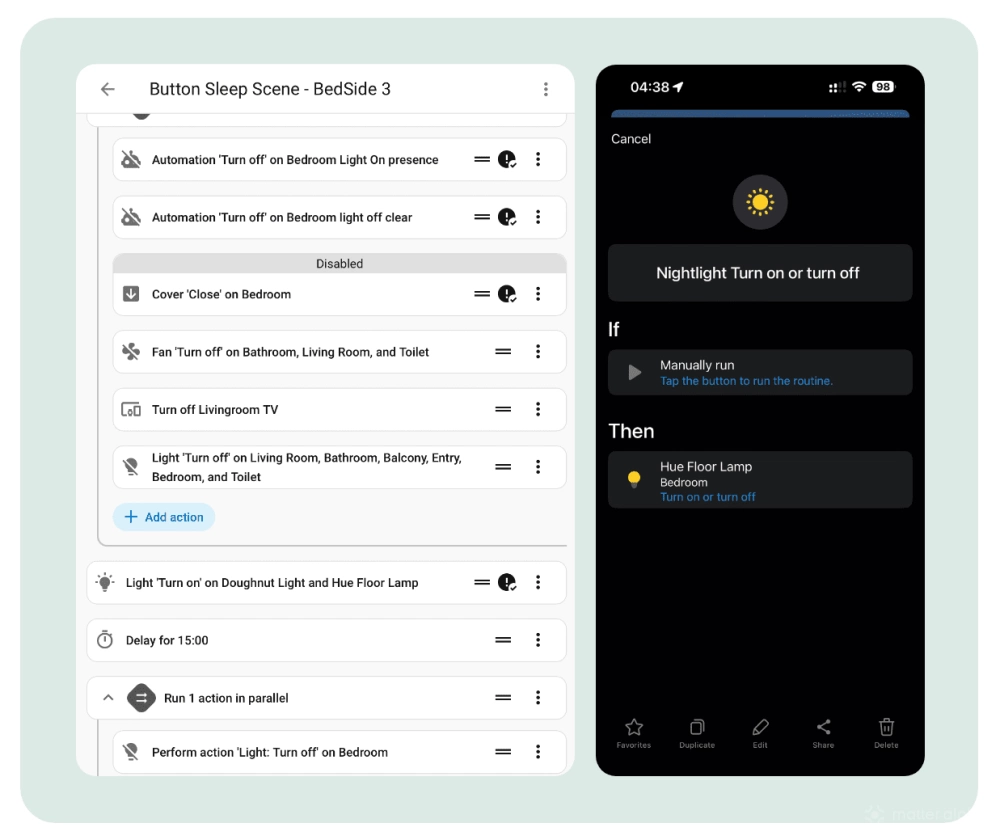
I often use Matter devices to bridge non-Matter gear together. For my bedside setup, I have a floor lamp with Hue lights. I trigger the sleep scene using an Aqara switch connected to Home Assistant. This turns off all lights and sets the mood with Hue and Nanoleaf strips. I then use a SmartThings Station (it has a button) to toggle the lights and an Aqara slider to adjust brightness. I even sync my Eve Flare with Hue, using the Hue Bridge to “glue” everything together.
Setting up devices can still be frustrating
Onboarding a new device can still be a tough task, and Apple is particularly troublesome at times. I personally moved my entire system from Apple Home to Home Assistant last year, leaving Apple with only essential controls on my phone. This shift was primarily because Apple Home and many iOS apps rely on specific HomeKit APIs for Matter, which created a poor experience for me overall. The smart home community is full of reports from both users and developers regarding these onboarding failures. Apple also appears less responsive to its partners, making it difficult to achieve a smooth workflow.
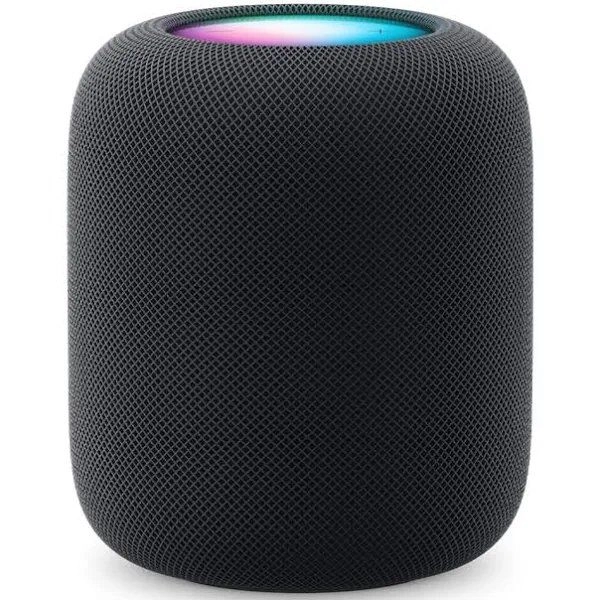
Apple HomePod (2nd Gen)
The HomePod (2nd Gen) is a powerful hub from Apple that delivers immersive, high-fidelity audio and intelligent assistance, while seamlessly integrating with your Apple devices and smart home accessories; it's also a key component for Matter compatibility, ensuring broad connectivity with a range of smart home devices.
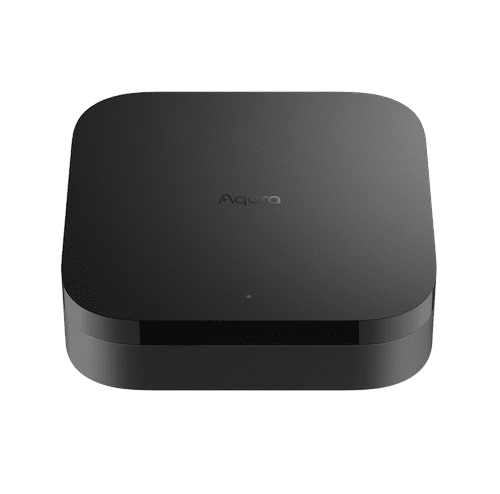
Aqara Hub M3
The Aqara Hub M3 is a Matter-compatible gateway that connects and manages up to 128 smart devices, facilitating local device automation without relying on Wi-Fi.
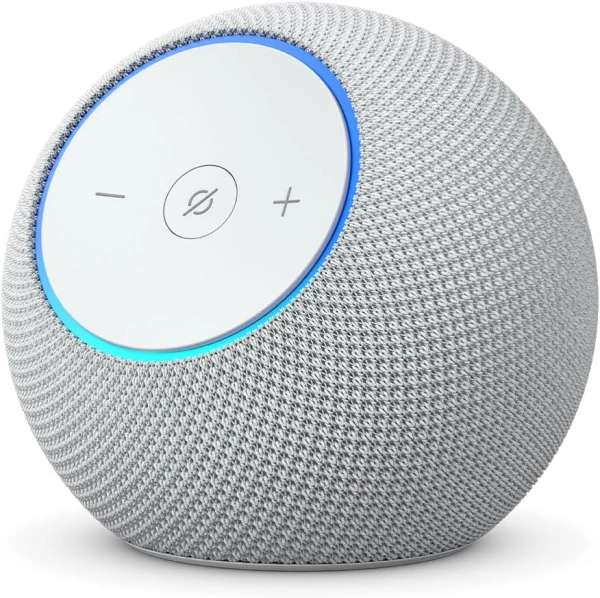
Echo Dot Max
A compact smart speaker with a two-way design that delivers deeper bass, clearer highs, and adaptive room-filling sound.
Beyond the setup failures, some interface designs are simply not user-friendly. Alexa, for instance, hides the Matter setup option (Other) at the bottom of a long list and occasionally gets stuck in a discovery loop. Aqara has a similar issue where the app asks for a setup code even after the QR code has already been scanned, meaning minutes of wait and at least 10 extra taps on your phone. On the other hand, some platforms did a great job by providing clear illustrations and a simple flow.
Google stands out with a brilliant device sharing feature that automatically handles setup codes between different apps, removing the need for manual copy-pasting.
The struggle with Thread battery life
My experience with Thread has been a struggle. About half of my battery-powered Thread devices have significant issues. A third of my sensors and remotes need new batteries every month. It was shocking to see some devices last only weeks before dying.
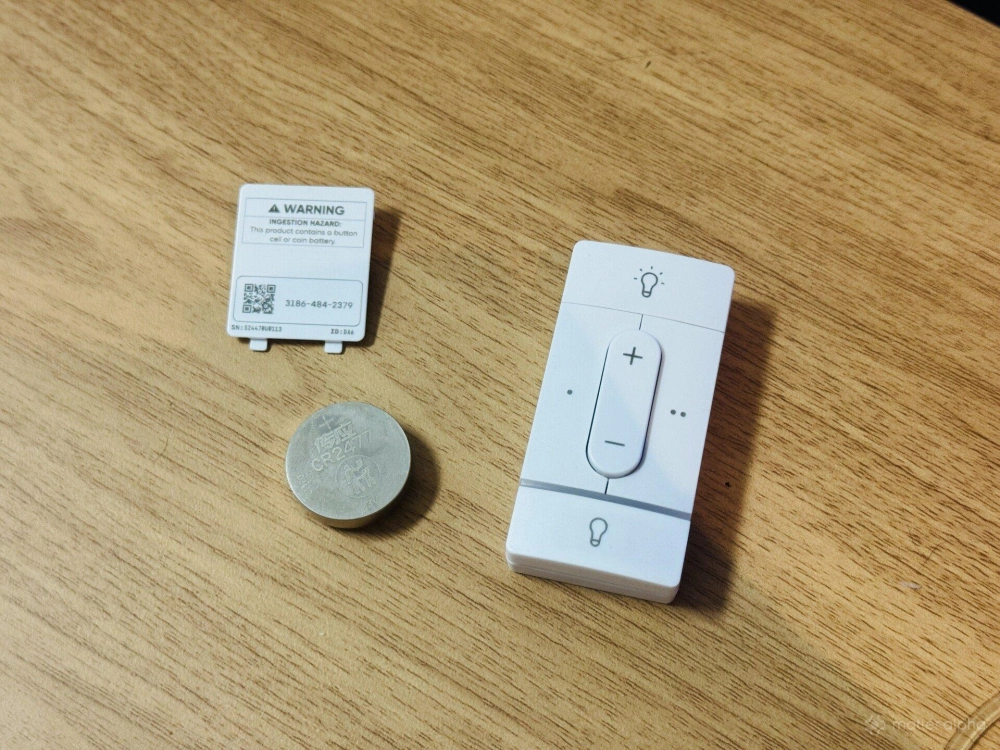
Manufacturers are aware of this and are using larger batteries like the CR123A, and CR2477, but these are expensive and not friendly to the environment. My Nanoleaf remote, for instance, needs a new battery every month, which is a major maintenance burden.
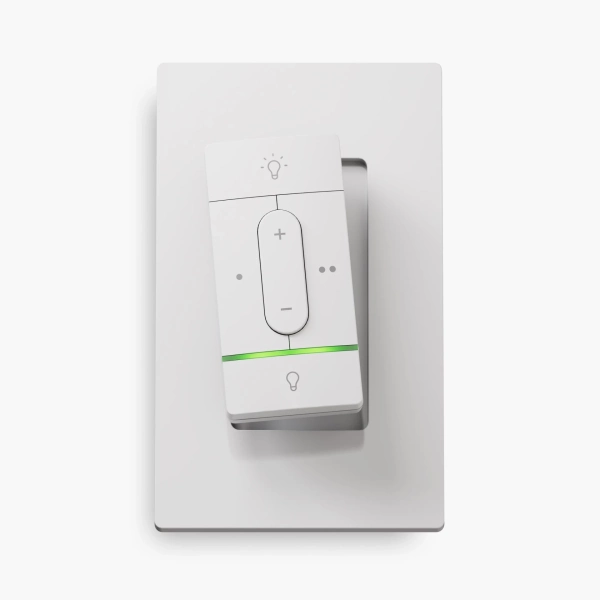
Nanoleaf Sense+ Smart Wireless Light Switch
This could be due to bad firmware or controllers checking devices too often. In my testing, certain brands perform much better. Aqara, Eve, and ThirdReality are more reliable. Chipsets from Nordic are the best overall for both battery life and connectivity. With Thread 1.4 becoming common and new power-saving features like the “ICD Cluster” arriving, things may improve. Until then, be careful when buying battery-powered Thread devices.
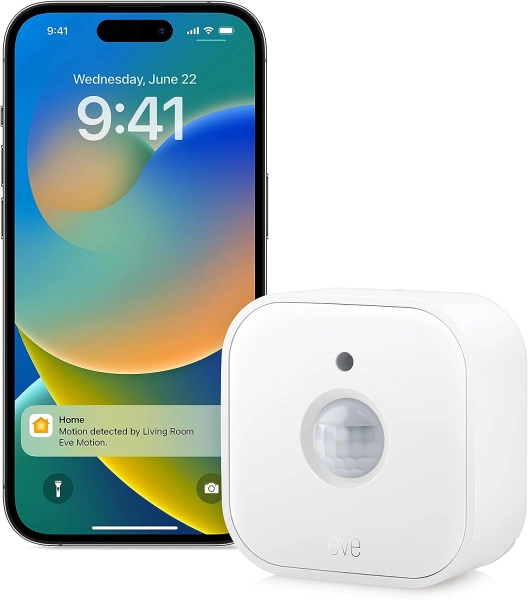
Eve Motion
Eve Motion is a future-proof security device that uses Matter and Thread technology to provide a responsive and reliable smart home network, offering motion-based automations, IPX3 water resistance for indoor and outdoor use, and a commitment to privacy with no cloud or tracking, all while giving you control across multiple platforms.
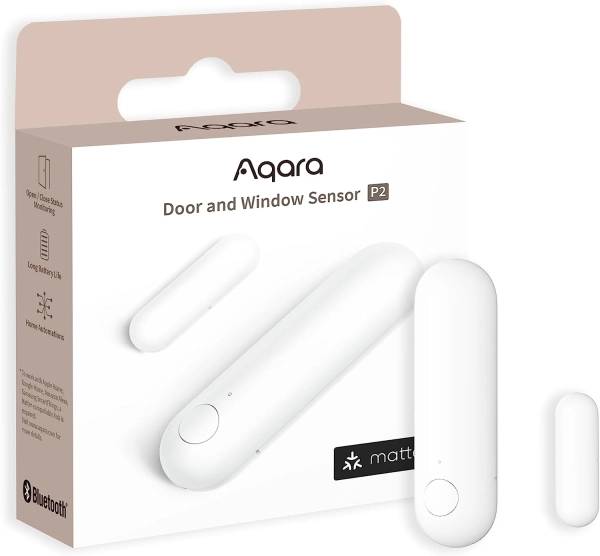
Aqara Door and Window Sensor P2
The Aqara Door and Window Sensor P2, a contact sensor, is a key component of the Aqara smart home ecosystem, offering compatibility with the Matter protocol, enabling seamless integration and control within your smart home network.
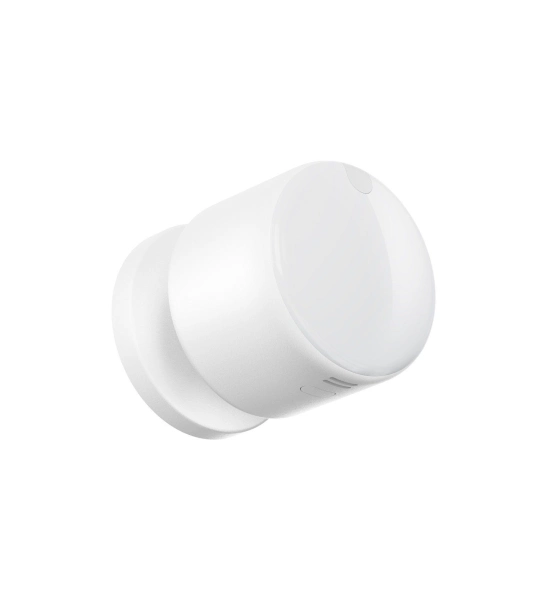
Aqara Presence Multi-Sensor FP300
A multi-functional presence sensor with PIR and mmWave detection, designed for seamless smart home integration with Thread and Zigbee support.
The arrival of Thread 1.4 represents a necessary shift for the industry. It introduces better ways for devices to manage their energy use, which should eventually end the era of constant battery swaps. However, the hardware inside the device matters just as much as the software version. Using a high-quality radio chip is the only way to ensure a sensor stays online without constant maintenance. For now, the “Matter over Thread” experience remains a mixed bag. Users should look for products that prioritize energy efficiency over low cost to avoid the frustration of a dead smart home.
Despite the occasional setup failure or battery swap, 2025 proved that the promise of Matter is finally becoming a reality. The real joy of the past year was found in those perfect moments where different brands finally worked together to create a truly seamless home. We have moved past the basic support phase and into a time of genuine creativity. But there is still work to do on Thread and setup experience from all parties.
Matter has given our homes a common language; now, we get to see just how much smarter the conversation can become.
(Image Source: Matter Alpha/Ward Zhou)