Google is bringing official digital home key support to Android devices. Following similar rollouts from Apple and Samsung, Google Wallet can now store and manage digital keys for smart locks built on the new Aliro standard.
This update closes a major gap for Android users who previously had to rely on third-party manufacturer apps to unlock their doors. By embracing Aliro, Google is pushing the smart home industry toward a unified, secure access standard, while indirectly accelerating the adoption of Matter networks that often run alongside these new setups.
Access with UWB and NFC
The digital home key integration currently supports basic NFC tap-to-unlock and advanced hands-free unlocking, depending on the hardware you own. To use the tap feature, you need an Android phone running Android 9 or later with NFC capabilities.
For hands-free unlocking as you approach the door, both your phone and the smart lock must support UWB and Aliro. Currently, Google lists its Pixel 10 Pro series, including Fold and XL models, alongside select Samsung Galaxy phones as compatible UWB devices.
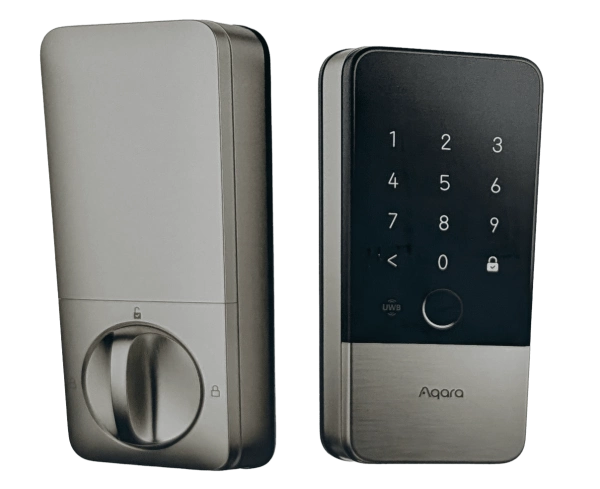
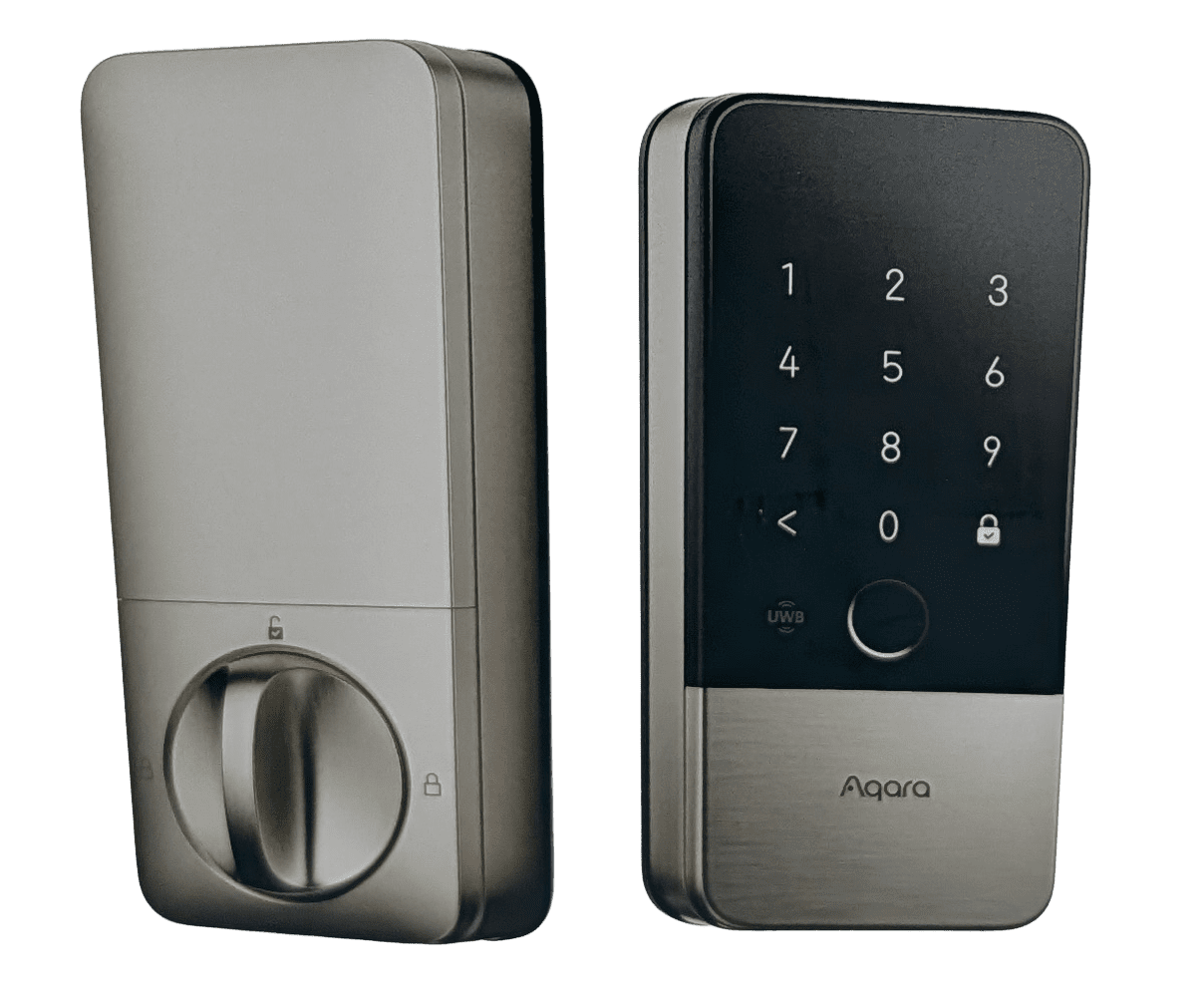
Aqara Smart Lock U400
Matter-certified Thread smart lock with UWB hands-free intent-based unlocking, Apple Home Key support, multiple access methods, auto lock via gyroscope, weather resistance, and a rechargeable battery.

Nuki Smart Lock
Seamless smart-home integration: connect your Smart Lock Pro directly with Amazon Alexa, Google Home, Apple HomeKit or Homey. In the Nuki App you link your lock to your home-automation routines, setting up scenes or schedules so your door becomes a natural part of your home.
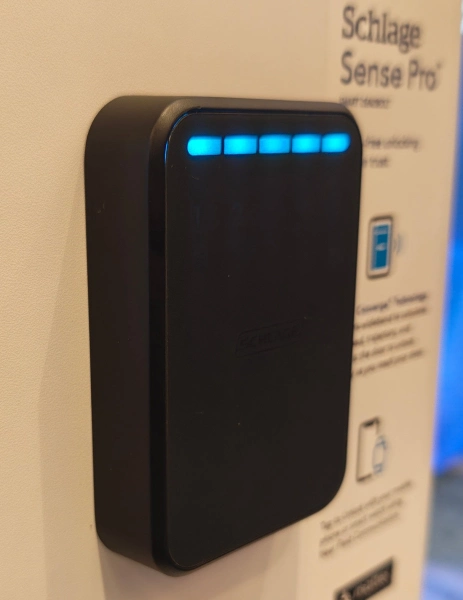
Schlage Sense Pro Smart Deadbolt
The Schlage Sense Pro Smart Deadbolt uses Matter-over-Thread and Ultra Wideband technology for hands-free unlocking, tap-to-unlock with NFC, keypad entry, and advanced smart home integration.
Different from Apple, Aliro on the Google platform seems not to require extra approval to enable express unlocking experience for NFC and UWB. So you do not need to unlock your phone to access a generic Aliro lock.
At launch, the feature is compatible with smart locks built on the Aliro standard, such as the Aqara Smart Lock U400. You will also need a compatible Google hub acting as a Thread border router, such as a Nest Hub (second generation), Nest Wifi Pro, or Google TV Streamer, to connect the lock to your Google Home network. Google notes that Wear OS smartwatches are not supported at launch.
The state of Aliro and Matter
Aliro is an access standard developed by the Connectivity Standards Alliance, which is the exact same organization behind Matter. It acts as a universal interface between a digital key on a smartphone and the receiver on a lock, utilizing NFC, BLE, and UWB to communicate securely. The goal is to eliminate barriers for hardware manufacturers and give users a consistent unlocking experience regardless of their mobile ecosystems.

While Aliro and Matter operate as separate parallel protocols, they share hardware requirements in real life standard adoption. Aliro handles the access credential protocol to open doors, while Matter handles the broader smart home interoperability. Because Google requires a Matter-enabled hub like the Google TV Streamer and a Thread network to provision a Google Wallet home key, users adopting Aliro will inadvertently build out their Matter ecosystems at the same time.
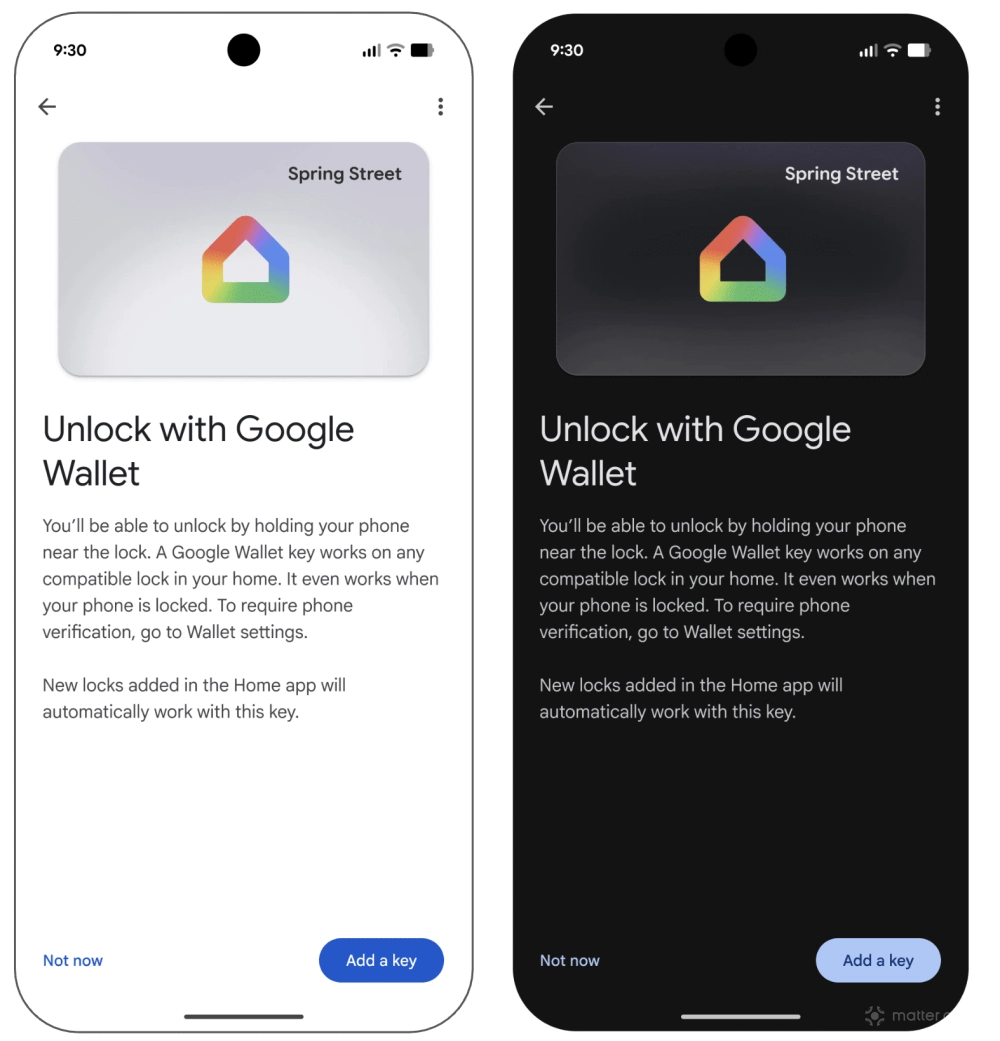
Once a compatible lock is paired with the Google Home app, it prompts you to create a digital key and add it directly to Google Wallet. You only need one digital key to operate all compatible locks assigned to a single home profile. Household members added to your Google Home profile can also generate their own personal keys, which sync automatically across their signed-in Android phones.
Availability and rollout
The home key feature is now available through the Public Preview of the Google Home app. You can join the preview directly from the app settings. Google states the feature will roll out to all general users over the coming weeks.
(Source: Google, Connectivity Standards Alliance; Image: Google)