While the Matter standard helps unify the smart home, it still struggles to support truly innovative devices. Creative hardware often packs features that go far beyond the basic On/Off states the protocol was built on. When manufacturers are forced to fit complex sensors into simplistic device categories, the result is lost functionality.
And now we see an important addition in draft to the upcoming Matter spec.
Ambiance sensing with Matter
Currently, advanced presence sensors must expose themselves to local networks as a clunky collection of separate sensors or just one. This clutters the interface and strips away the valuable context that makes these devices useful and accessible.
It is about to change. To bridge the gap between basic motion detectors and advanced smart home inputs, a new “Ambient Context Sensor” device type in draft is being introduced. This is not just another passive infrared trigger. It is a highly capable device class designed to monitor and report rich context information within a specific physical area.
Its advanced capabilities officially include detecting specific human activity types, crowd detection, object identification, audio context and activity prediction. By creating a dedicated device type for these features, the protocol allows smart home platforms to understand exactly what is happening in a room, rather than just knowing that a space is occupied.
Sharing DNA with robot vacuums
This new device type relies on a specific architecture of data clusters to translate complex physical events into standardized data. Any endpoint utilizing this device type must implement the standard identity server cluster alongside the highly important “Service Area” server cluster.
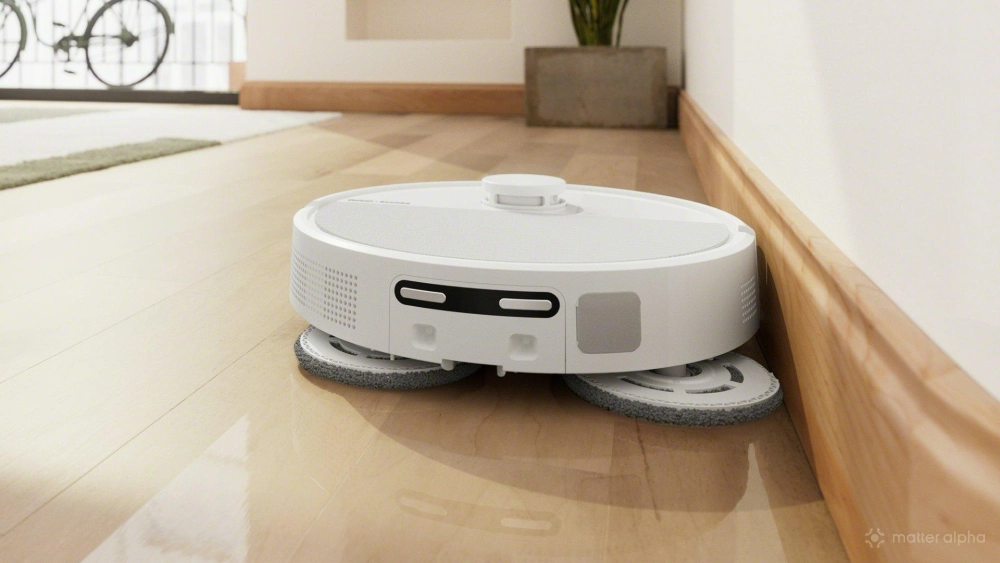
If that cluster sounds familiar, it is because it was previously integrated into the standard for the robotic vacuum cleaner device type in Matter 1.4. Just as the “Service Area” cluster gives a robot vacuum a standardized way to understand and navigate specific zones for cleaning, it provides the “Ambient Context Sensor” with the crucial spatial awareness needed to configure and identify the precise location boundaries of the sensing area being monitored.
The device can also utilize optional elements like the “Ambient Context Sensing” server cluster to flag when a context event occurs and identify its exact type. And it can incorporate the occupancy sensing cluster to manage physical presence detection. If the optional boolean state configuration cluster is implemented, it provides sensor sensitivity information that links directly to the detection attributes of both the occupancy and ambient context clusters.
Unleashing next-generation hardware
The introduction of this sensor type gives next-generation hardware a native Matter implementation. Devices like the Aqara FP2 are known for utilizing millimeter wave (mmWave) radar to achieve precise zone positioning. Currently, users must rely on vendor apps to map out these zones and link them to smart home routines. With the upcoming update, radar sensors will be able to utilize the new “Service Area” cluster to map custom room zones into natively understood data.

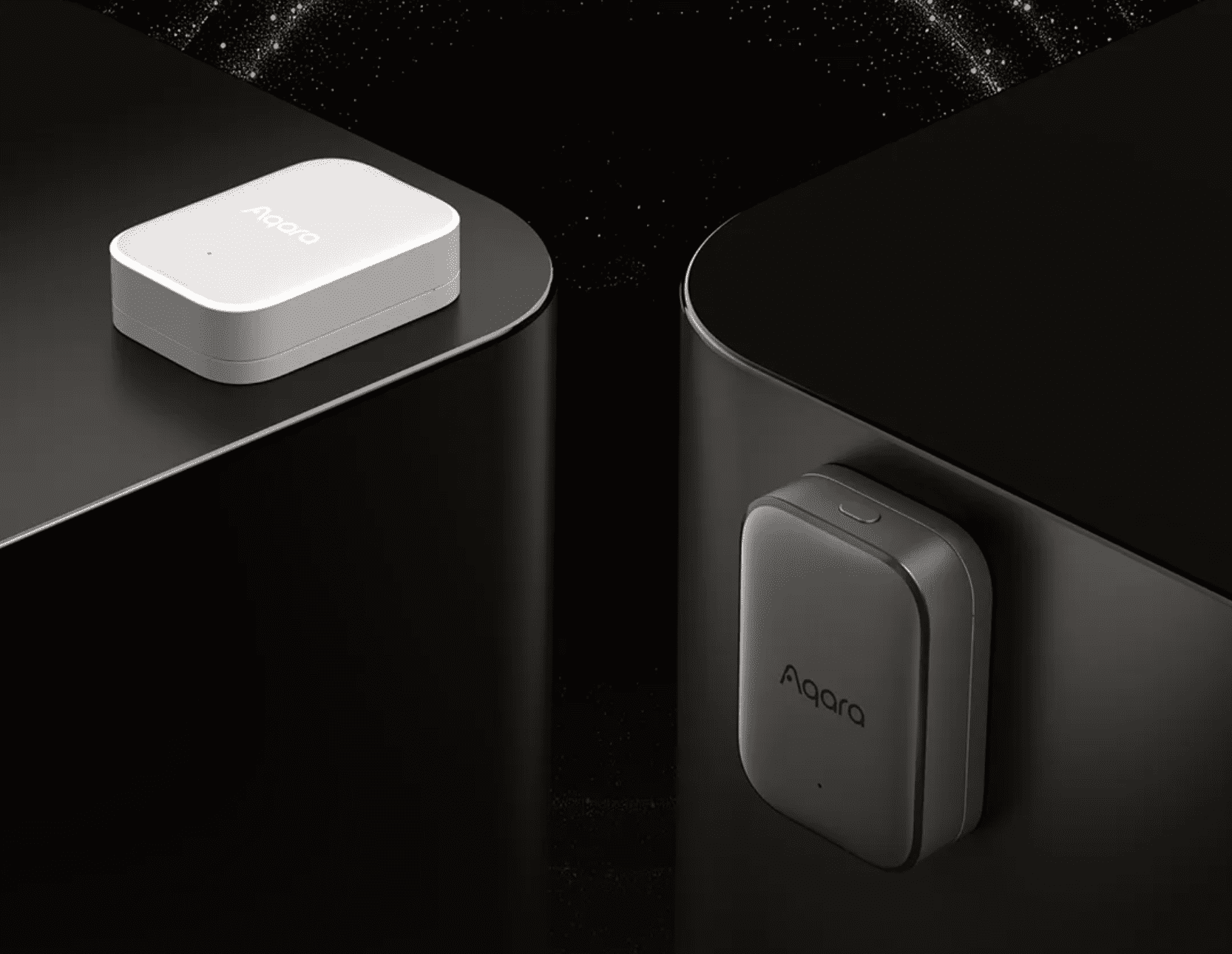
As sensors evolve beyond simple presence to understand what occupants are doing, devices like the Aqara P100 and the upcoming Aqara FP400 should utilize these new standards to become significantly more capable. Well, if Aqara plans so.
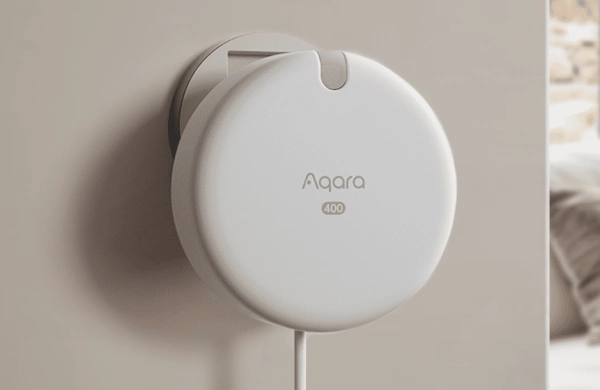
Aqara Multi-Sensor FP400
Matter-enabled mmWave sensor with Thread and Zigbee that tracks up to ten people’s position and posture, supports fine-grained zones, fall detection with exclusion areas, and includes a built-in light sensor.
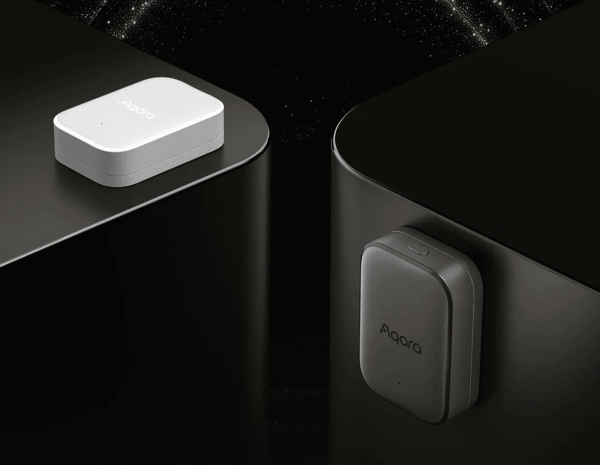
Aqara Multi-State Sensor P100
Aqara Multi-State Sensor P100 delivers flexible, multi-condition motion and object monitoring with Matter-based smart home compatibility.
With the new device type, these devices can natively support human activity types and activity prediction. Instead of just knowing a room is occupied, your smart home will natively know if someone is sleeping, falling or sitting down to read. It can then respond with highly tailored automations.
A fall detection event could automatically trigger an alert, while a sleeping event could instantly disable nearby lighting. The inclusion of audio context also means these upcoming devices could natively trigger actions based on specific sounds within their environment, such as a dog barking or a glass breaking.

And we may also see smarter thermostats with the addition of Ambient Context Sensing in the future.
Ambient Context Sensor remains in draft status and is expected to be a key part of the upcoming Matter 1.6 release. Based on the current release cycle, the industry expects the spec to be finalized and begin reaching consumers in the second half of 2026. However, if it does not meet the requirements during Spec Validation Events (SEV), it could be deferred to a future Matter 1.6.x release or even removed from the spec altogether.
(Source: GitHub, Anonyous source; Image: Aqara, IRobot)