The Open Home Foundation has released the Home Assistant 2026.11 beta, introducing frontend support for Matter cameras, two-way audio talkback, the built-in Marketplace, along with a batch of new Matter enhancements.
This update bridges the gap between the recent Matter.js server upgrade and the main Home Assistant interface. By bringing live WebRTC camera feeds and two-way voice communication directly to your dashboard alongside a series of device fixes, the platform makes Matter cameras and everyday accessories much more practical to use.
Matter cameras and two-way audio
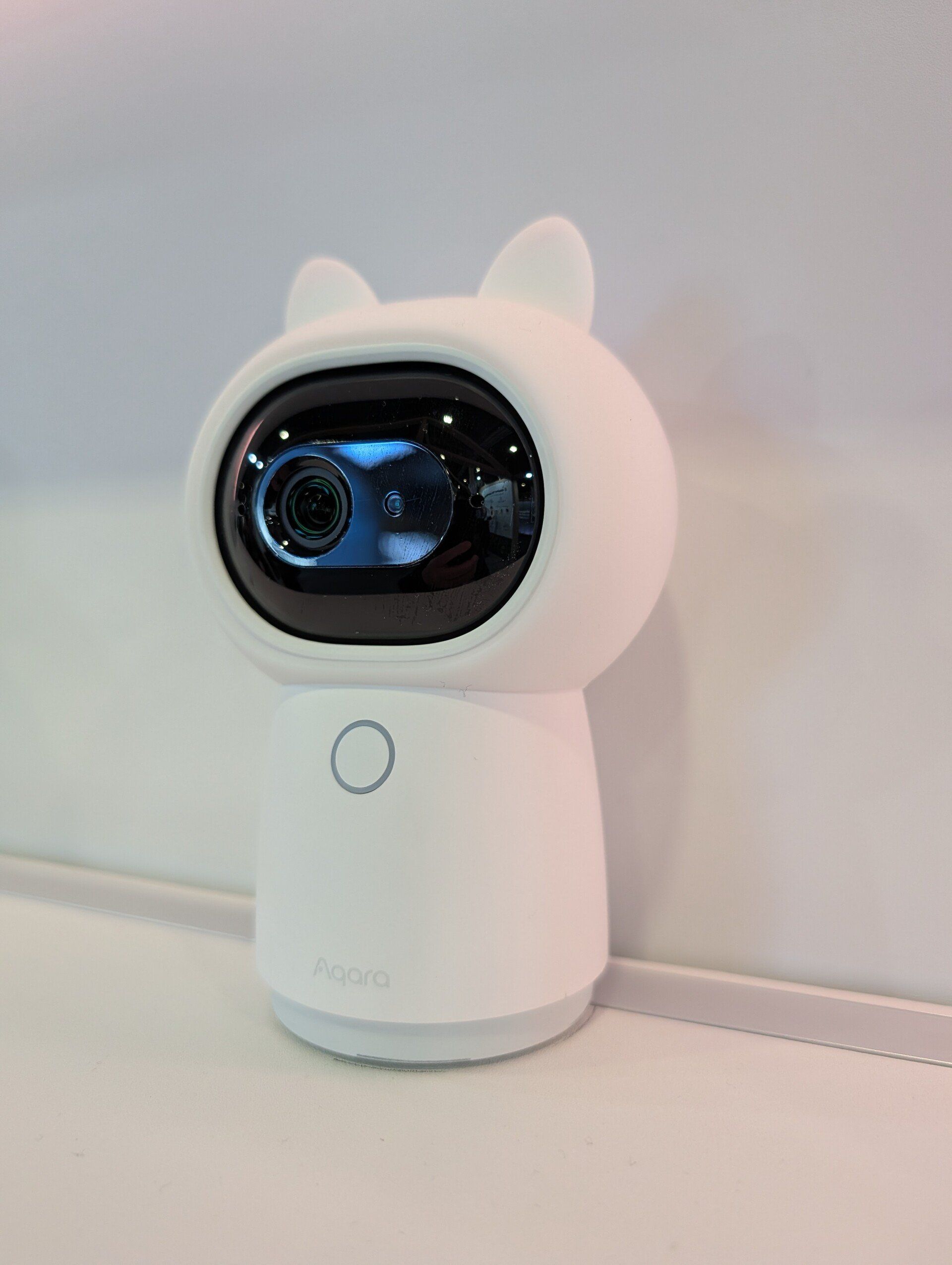
The headline addition in Home Assistant 2026.11 Core is native support for Matter cameras. Previously, camera features were already supported in the backend by the Matter.js server, which serves as the backbone of Home Assistant’s Matter integration. With this update, those camera capabilities are now exposed to the frontend, making them directly available and accessible for general Home Assistant users.
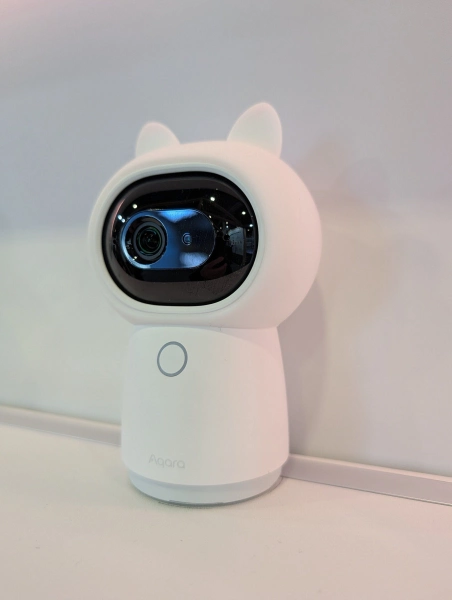
Aqara Camera G350
When paired with an updated Matter Server, compatible cameras now appear directly in Home Assistant as standard camera entities with support for snapshots and live video. Video streams run over WebRTC directly between your browser and the camera, and the entity automatically tracks the hardware state of the device, including whether its privacy mode is turned on.
Alongside Matter camera discovery, this release introduces a new Labs preview feature for two-way audio.Once enabled in your system settings under the Labs menu, a talk button appears on live streams so you can speak directly to whoever is near your camera or doorbell.
At launch, two-way audio works with Matter cameras and Reolink cameras configured over RTSP, as RTMP and FLV streams cannot carry return audio.
Reolink told Matter Alpha that main powered cameras with a speaker should support the new capabilities with Home Assistant integration.
And because web browsers require a secure connection for microphone access, two-way talk currently requires opening Home Assistant over HTTPS, though support for the companion apps over HTTP is in development.
Smarter entity controls and new device features
Several existing Matter device categories are getting new controls and behavior upgrades. Matter climate entities now remember and resume their last active heating or cooling mode when turned back on from a dashboard or voice command, rather than falling back to a default mode list, which is usually “Heat” despite in Summer.

This brand helps to support our site to remain ad-free.
Read more about our ethics policySwitchBot Hub 2
The SwitchBot Hub 2, with part number W3202100, is a smart home hub that enables control of AC/heaters via phone and displays indoor temperature and humidity readings.
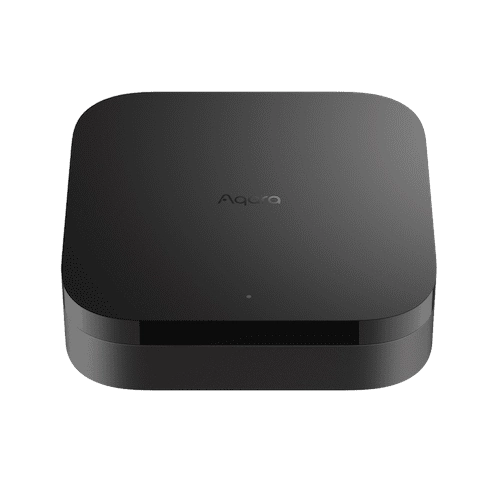
Aqara Hub M3
The Aqara Hub M3 is a Matter-compatible gateway that connects and manages up to 128 smart devices, facilitating local device automation without relying on Wi-Fi.
Meantime, if you have automations that relied on the old fallback behavior, you will need to update them to call specific HVAC modes directly.
Window coverings and lighting also gain finer adjustments. Matter covers that only tilt without moving up and down, such as tilt-only blind controllers, now show up properly as tilt covers instead of displaying an unknown state.

Because they now use dedicated tilt actions, you will need to update existing scripts, automations, and voice routines that use standard open and close commands.

The update also adds a reverse motor direction switch for Matter window coverings, a travel time mode selector for the WAGO Home Blind Control, a power-on color temperature entity for lighting, and support for Matter thermostat setpoint attributes.
Matter fixes and developer enhancements
Home Assistant 2026.11 fixes how Matter air quality sensors handle measurement units. Concentration sensors for TVOC, carbon monoxide, nitrogen dioxide, and ozone now use the exact unit reported by the device instead of forcing a fixed ppm reading.
Newly added sensors will adopt the reported unit automatically, while existing sensors reporting convertible units like ppb will convert the numeric value to match the older unit unless you change the entity settings.
Existing TVOC sensors reporting in density units like µg/m³ or mg/m³ will switch to the “Volatile organic compounds” device class, requiring a quick statistics update or cleanup in your developer tools.

On the backend and network management side, the Matter network map now displays bridged devices to give you a clearer picture of your setup.
The update also translates Matter firmware release notes, speeds up Matter platform snapshot tests for developers, and updates the Thread integration to display brand icons for Heffeix border routers.
HACS becomes the built-in Marketplace
Beyond protocol updates, version 2026.11 officially brings the Home Assistant Community Store (HACS) into the core platform as the built-in Marketplace. Accessible directly from the main settings menu, the Marketplace lets you browse, install, and update custom integrations, dashboard cards, and themes without a separate manual installation or a mandatory GitHub account for catalog items.

Existing HACS setups migrate automatically during the upgrade, though all community projects remain maintained by their respective developers rather than officially supported by Home Assistant.
Beta availability
Home Assistant 2026.11 is available to test right now through the beta channel, with the official public release scheduled for next Wednesday, Nov. 4. Keep in mind that because this is a beta test release, not all features are guaranteed to be in the beta build right away if some still need more work before the final rollout. You can offer early feedback through official channels including forum, Discord, and GitHub issue tracker.
(Source: GitHub, Home Assistant)